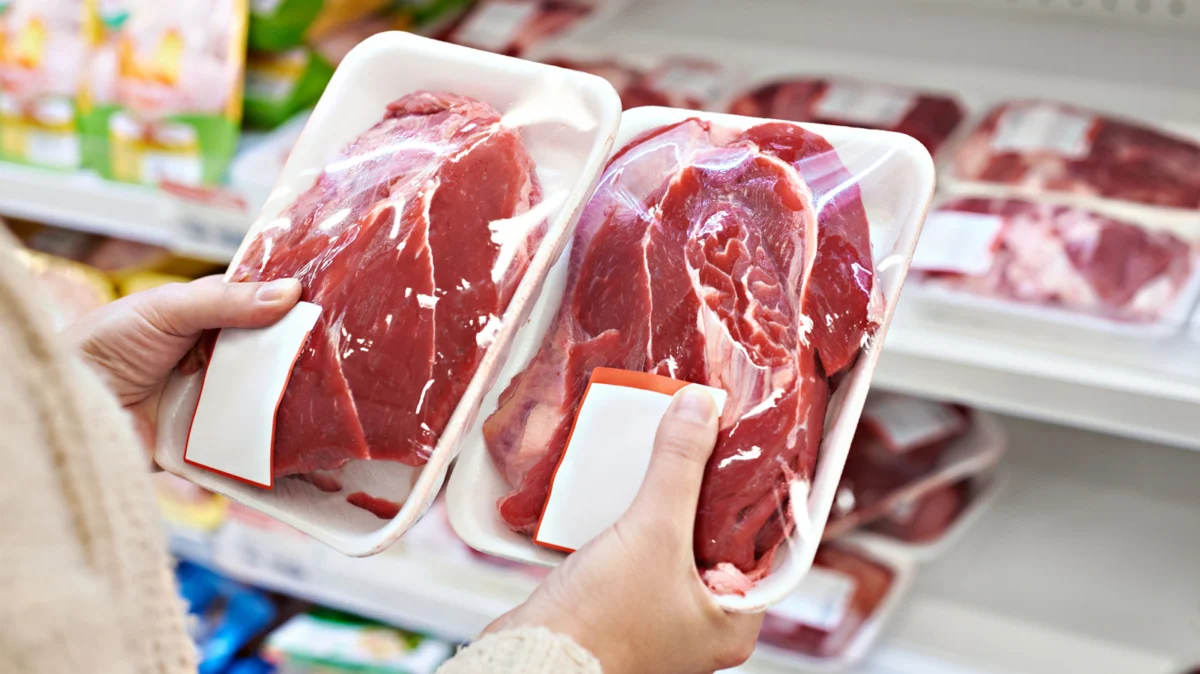
The summer months bring a specific set of culinary joys: the sizzle of a backyard grill, the aroma of charcoal, and the communal experience of an outdoor feast. However, the same heat that makes these gatherings possible also creates an ideal environment for a microscopic, silent, and potentially dangerous enemy. When you head to the grocery store on a sweltering July afternoon, the journey from the refrigerated display case to your home kitchen is fraught with hidden risks. Understanding the science of food safety—specifically the critical management of temperature—is not merely a suggestion; it is a vital practice for protecting your health and the health of those you feed.
The Science of the "Danger Zone"
At the heart of food safety is a concept known as the "Danger Zone," a temperature range between 40°F and 140°F (4°C and 60°C). Within this window, bacteria—such as Salmonella, E. coli, and Campylobacter—find the conditions optimal for rapid reproduction.
Bacteria do not grow linearly; they grow exponentially. Under the right conditions, a single bacterium can divide into two, then four, then eight, and within just a few hours, a single microscopic organism can blossom into a population of millions. This proliferation is what leads to foodborne illness. Refrigeration serves as a biological brake, chilling the environment to below 40°F to slow this cellular division to a crawl. Conversely, cooking meat to an internal temperature above 140°F serves as a sterilization process, denaturing the proteins and destroying the cellular integrity of the microbes.
The problem arises when raw meat is allowed to linger in that middle, "Goldilocks" zone. On a hot summer day, the interior of a car can easily exceed 90°F or 100°F, creating a high-speed incubator for bacterial growth. Every minute that passes while the meat sits in your cart, waits in the checkout line, or travels home in a warm vehicle is a minute spent in the danger zone, significantly increasing the risk of contamination.
Chronology of a Grocery Run: Where Safety Breaks Down
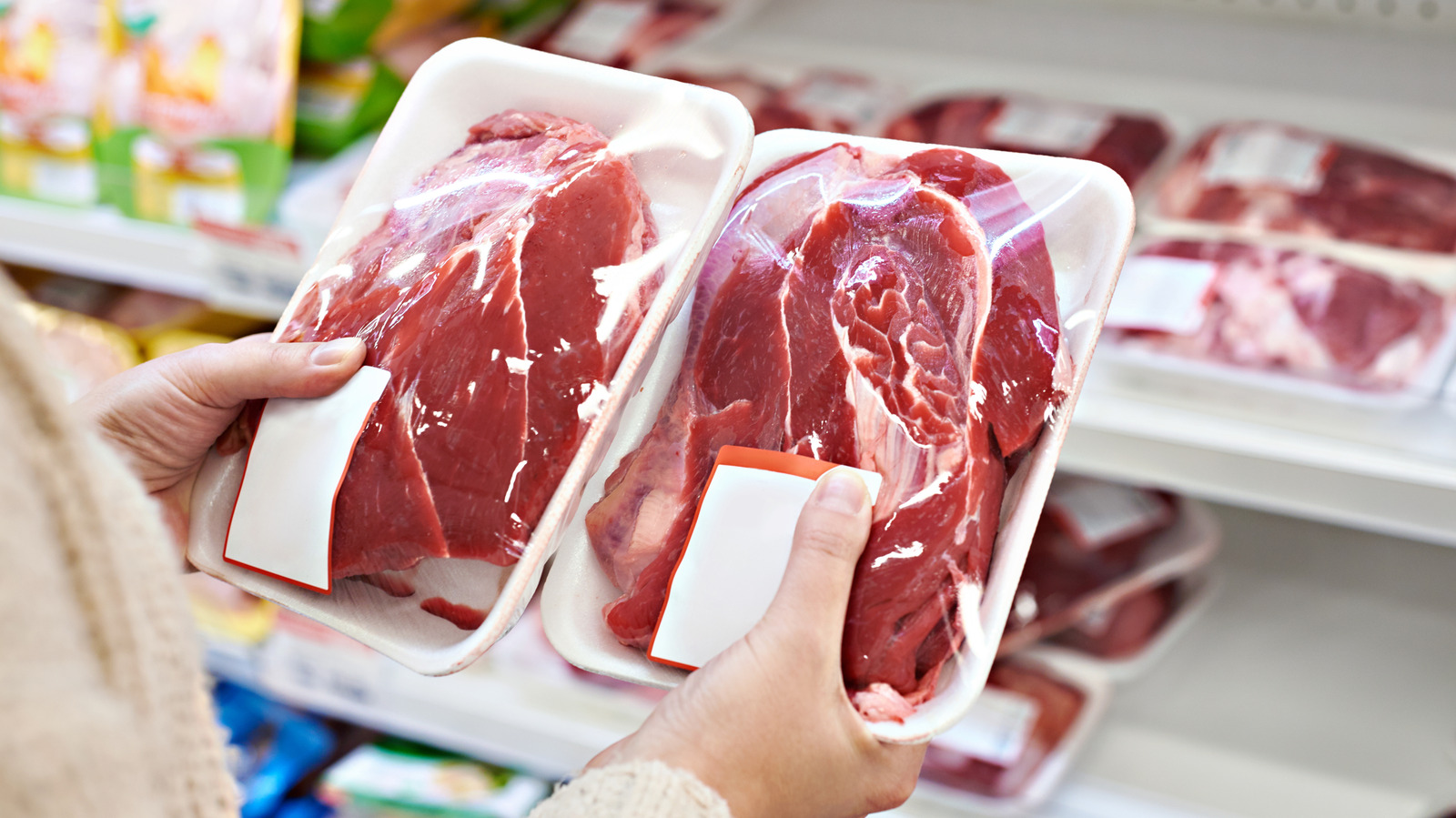
To understand the risk, one must track the "meat clock." The moment a package of ground beef, poultry, or steak is removed from the store’s climate-controlled display, its temperature begins to rise toward the ambient temperature of its surroundings.
- The Shopping Cart Phase: As you finish your shopping, the package sits in your cart. It is already exposed to the store’s ambient air, which is significantly warmer than the chilled air of the display case.
- The Checkout Queue: Standing in line often involves long, stationary periods where the packaging, often thin and poorly insulated, begins to absorb heat from the surrounding environment.
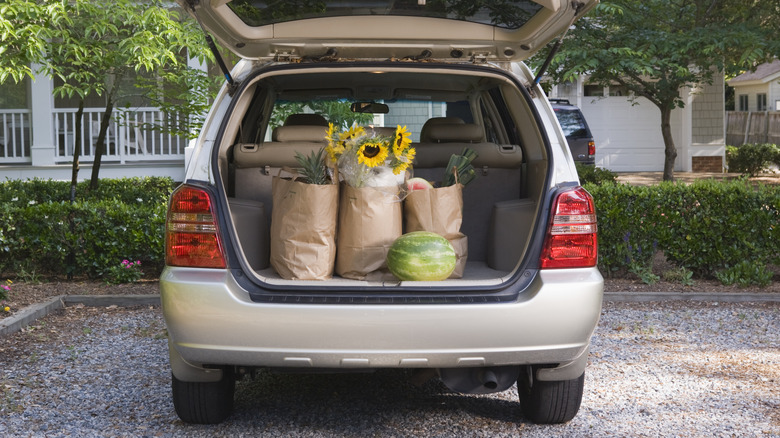
- The Transit Window: This is the most dangerous stage. A trip home that might take ten minutes on a cool autumn morning can feel like an eternity on a hot summer day. As the sun beats down on your car, the ambient temperature inside the vehicle climbs, accelerating the warming of your groceries.
- The Final Stretch: Once you arrive home, there is often a period of "unloading." If you have other groceries to put away first, or if you get distracted by phone calls or family members, the meat may sit on the kitchen counter for an additional 15 to 20 minutes.
This timeline is a cumulative process. The bacteria don’t wait for a threshold to be crossed; they are working constantly. Every additional minute spent outside of a controlled, cold environment provides more opportunities for these pathogens to produce toxins or increase their colony size to levels that can no longer be safely managed by subsequent cooking.
Supporting Data: Why "More" is Not Better
In the world of food safety, "more" is a liability. While a few bacteria are often present on raw meat and are rendered harmless by thorough cooking, the presence of an massive bacterial load changes the calculus.
When bacterial populations explode due to extended time in the Danger Zone, they do more than just exist—they produce metabolic byproducts. Some of these byproducts, such as heat-stable enterotoxins produced by Staphylococcus aureus, are resistant to the heat of your grill or oven. Even if you cook the meat to the appropriate internal temperature and kill the live bacteria, the toxins they have already deposited into the muscle fibers remain. These toxins are often the primary cause of food poisoning symptoms, including severe gastrointestinal distress, which can strike within hours of consumption.
Furthermore, the cooling process once you reach home is not instantaneous. When you place a package of meat into your refrigerator, it does not immediately drop to 40°F. It must go through a cooling curve, meaning it spends even more time in the Danger Zone as it sheds the heat it accumulated during transit. This is why minimizing the initial temperature gain is the only truly effective strategy.
Official Guidelines and Professional Recommendations
The United States Department of Agriculture (USDA) provides strict, science-backed guidance for handling perishable goods. Their primary recommendation is clear: perishable foods should never be left out of the refrigerator for more than two hours. However, this rule is modified by the environment. When the ambient temperature rises above 90°F, that window is cut in half. The USDA explicitly states that food should not be left out for more than one hour in temperatures above 90°F.
Food safety experts emphasize that this is a conservative estimate intended to keep the population of pathogens below the infectious dose. For those who live in rural areas or have a long commute from the supermarket, the recommendation is to use an insulated cooler bag. Placing a simple ice pack or a frozen water bottle in the bag with your meat can keep the temperature well below the Danger Zone, effectively "pausing" the bacterial clock until you can reach your home refrigerator.
Implications: Spoilage vs. Pathogens
A common misconception among consumers is that they can "smell" or "see" when meat has gone bad. It is vital to distinguish between spoilage organisms and pathogens.
- Spoilage organisms are the microbes that cause the tell-tale signs of decay: the slimy film, the off-putting odor, and the change in color. These are generally unpleasant, but they are not always the same organisms that cause severe, acute food poisoning.
- Pathogens are the "silent" killers. E. coli, Salmonella, and Listeria are notoriously difficult to detect with the naked eye. Meat can be heavily contaminated with these pathogens and still appear perfectly fresh, smelling normal and showing no visible signs of degradation.
This makes the "time-temperature" rule the single most important safety metric for the home cook. Because you cannot rely on your senses to detect the most dangerous threats, you must rely on the integrity of your process.
Strategic Best Practices
To ensure your summer cookouts remain safe and enjoyable, follow these strategic steps:
- Shop Smarter: Make your grocery run the final stop of your errands. Do not buy meat and then head to the pharmacy or the post office.
- The Cooler Strategy: Keep a dedicated, insulated cooler bag in your car during the summer months. Transfer all refrigerated and frozen goods into this bag immediately after checkout.
- Prioritize Unpacking: When you arrive home, prioritize your cold items. Unload the freezer and refrigerator items first, leaving pantry staples for later.
- Temperature Awareness: If you are buying large quantities of meat, consider using a digital instant-read thermometer to check the temperature of the meat when you arrive home. If it has climbed significantly above 40°F, the risk of bacterial proliferation is high.
Ultimately, food safety is about removing the variables that favor microbial growth. By managing time and temperature, you take control of the safety of your food. A little extra diligence during the journey from the store to the fridge is a small price to pay to ensure that your summer meals remain a source of joy rather than a cause for medical concern.