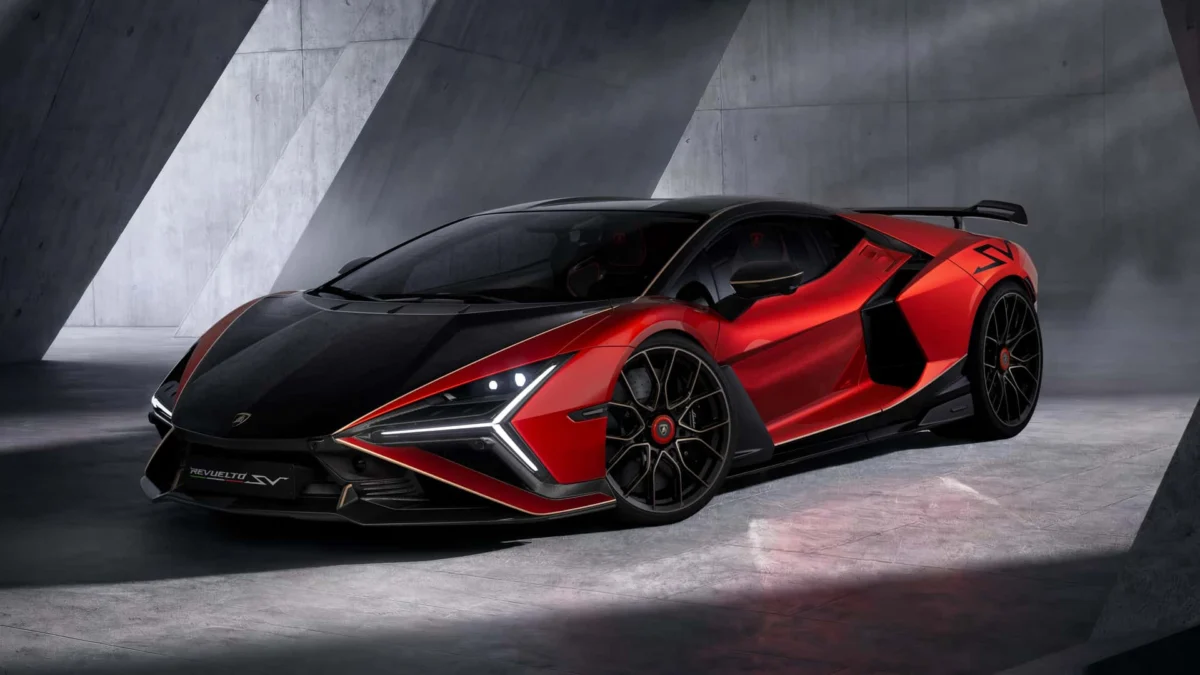
Lamborghini has officially pulled the covers off its latest masterpiece, the Revuelto SV. Representing the pinnacle of the automaker’s current hybrid-electric evolution, this high-performance derivative of the flagship V12 supercar is designed with one singular objective: to dominate the circuit. While the standard Revuelto shattered conventions as Lamborghini’s first HPEV (High-Performance Electrified Vehicle), the SV variant refines that platform into a sharpened, track-focused weapon that retains the visceral, soul-stirring roar of a naturally aspirated V12.
The Evolution of the Flagship: Main Facts and Performance Metrics
The Revuelto SV is not merely a cosmetic upgrade; it is a fundamental recalibration of the Sant’Agata Bolognese brand’s most sophisticated machine. At its core, it retains the iconic mid-mounted 6.5-liter V12 engine, supplemented by a tri-motor electric architecture and an eight-speed dual-clutch transmission. However, the synergy between these components has been pushed into a new performance envelope.
By optimizing the torque vectoring software and revising the energy deployment strategy, Lamborghini engineers have ensured that the SV can sustain peak output for extended periods during intense track sessions. The "SV" designation—traditionally reserved for Superveloce models—implies a weight reduction, increased aerodynamic load, and chassis dynamics that favor surgical precision over grand touring comfort. The car features a proprietary suspension setup and bespoke tire compounds that allow for significantly higher lateral G-forces compared to the base model.
A Chronology of the SV Development
The journey to the Revuelto SV’s debut has been a masterclass in controlled transparency. Lamborghini began testing camouflaged prototypes at iconic circuits, including the Nürburgring and the Hockenheimring, throughout the past 18 months.
- Early Prototype Phase: Initial sightings of the mule vehicles suggested an aggressive overhaul of the cooling ducts and the introduction of a more pronounced rear wing assembly, signaling an intent to increase downforce.
- Validation Testing: Throughout the testing cycle, Lamborghini focused on the "thermal endurance" of the battery pack. Because the Revuelto is a plug-in hybrid, managing heat during sustained high-load track driving was the primary engineering hurdle.
- The Record-Breaking Run: In the months preceding the official reveal, industry rumors were confirmed when a prototype variant set blistering lap times at the Hockenheimring, proving that the hybrid powertrain could outpace its combustion-only predecessors in technical sectors.
- Global Debut: Following the successful test cycles, the official reveal confirms the production-ready specifications, marking the next chapter in the brand’s "Direzione Cor Tauri" roadmap—the company’s strategy to hybridize its entire lineup while maintaining its DNA.
Engineering the Beast: Powertrain, Chassis, and Aero
The brilliance of the Revuelto SV lies in its complexity. The powertrain utilizes a complex ballet of hardware and software to ensure that the electric motors provide instantaneous torque fill, masking the natural power curve of the V12.
Powertrain recalibration
The electric motors are no longer just for emissions compliance or low-speed torque; they are now integrated into a "track-mode" strategy that prioritizes regenerative braking and aggressive power discharge. The dual-clutch transmission has been re-mapped for faster, more tactile shifts, specifically designed to withstand the heat soak typically associated with circuit driving.
Chassis and Aerodynamics
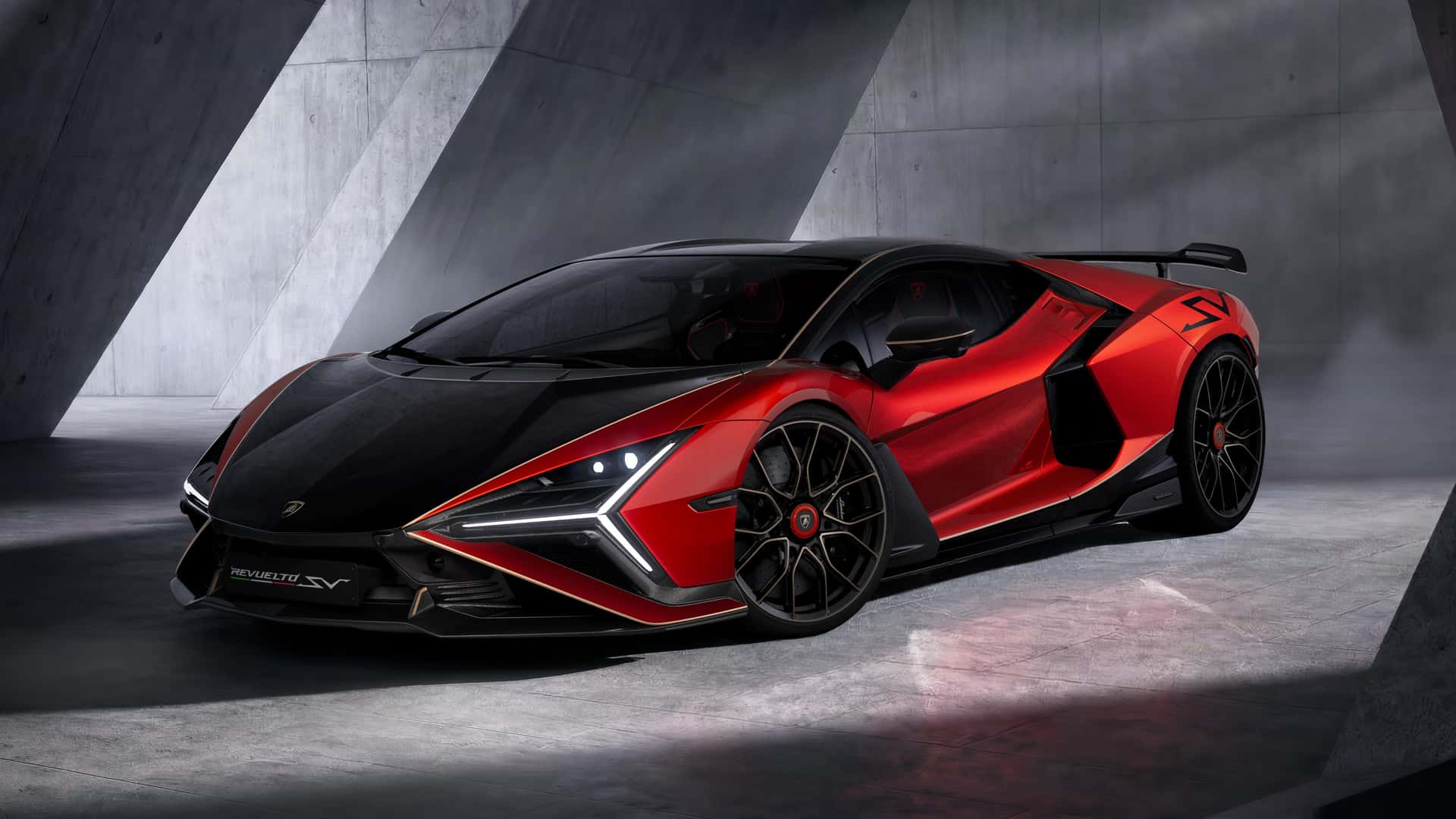
Aerodynamics are the most visible departure from the standard Revuelto. The SV features:
- Active Aero 2.0: A refined system that adjusts the rear wing angle and front splitter depth in real-time, allowing for low drag on straights and massive downforce during cornering.
- Chassis Rigidity: With increased bracing and a modified suspension geometry, the SV offers a more communicative steering rack, providing the driver with greater feedback through the steering wheel—a common critique of previous-generation AWD supercars.
- Cooling Architecture: The bodywork has been "opened up," with enlarged side intakes and a reworked rear diffuser that channels air to the electric motor cooling systems, ensuring the hybrid system doesn’t enter "limp mode" after five laps.
Official Perspectives and Brand Strategy
Lamborghini leadership has been vocal about the importance of the SV variant. In recent press briefings, company representatives emphasized that the Revuelto SV is the bridge between the analog heritage of the Miura and Countach and the digital, electrified future.
"The SV is not about adding more raw horsepower for the sake of a headline," a spokesperson noted. "It is about the quality of the delivery. We have focused on the ‘connection’ between the driver and the machine. In an era of increasing automation, the Revuelto SV is designed to be a driver’s car first and a technical marvel second."
This philosophy aligns with the brand’s desire to keep the naturally aspirated V12 relevant. By pairing the engine with a high-capacity battery, Lamborghini has successfully avoided the move to smaller, turbocharged engines, which the brand argues would compromise the "emotion" of the driving experience.
The Implications for the Supercar Market
The launch of the Revuelto SV creates a fascinating dilemma for the ultra-luxury market. As rivals pivot toward full-electric drivetrains (BEVs) or downsized twin-turbo V8 hybrids, Lamborghini is banking on the continued demand for high-displacement, high-revving engines.
Market Positioning
The SV will sit at the absolute pinnacle of the Lamborghini range. While the base Revuelto is intended to be a usable daily driver, the SV is an instrument for the enthusiast. Its limited production numbers will likely turn it into an immediate collector’s item, following in the footsteps of the Aventador SVJ.
Technical Hurdles and Ownership
However, potential owners should consider the implications of such extreme engineering. The complexity of a hybrid V12 system means that maintenance cycles will be more rigorous. The integration of advanced power electronics and a heavy battery pack necessitates a service network capable of handling both high-voltage systems and traditional combustion mechanics. For the owner, this means a higher cost of entry and a more involved maintenance schedule compared to the simpler V12 cars of the past.
Sustainability vs. Performance
The Revuelto SV also serves as a PR triumph for the brand. It demonstrates that hybridization does not have to mean the end of the "supercar experience." By using the battery to enhance performance rather than just fuel economy, Lamborghini is effectively insulating itself from the anti-combustion sentiment currently permeating the automotive world.
Conclusion: A New Benchmark
The Lamborghini Revuelto SV is a definitive statement of intent. It proves that the Italian automaker is not ready to abandon the theater of the V12. By embracing electrification, they have managed to elevate their performance ceiling while keeping the brand’s signature "bonkers" personality intact.
As the industry moves toward a future that is increasingly quiet and automated, the Revuelto SV stands as a defiant, snarling testament to the power of internal combustion when married to the efficiency of the electric age. Whether it will hold its value in the long term or be remembered as the last great analog-digital hybrid remains to be seen, but one thing is certain: for the next few years, this is the car that everyone else will be chasing on the track.
For those looking to secure an allocation, the wait will likely be long, and the price of entry steep—but for the discerning collector, the chance to own what may well be the ultimate evolution of the V12 supercar is an opportunity that few will pass up. Lamborghini has done more than just update a car; they have preserved a legacy.