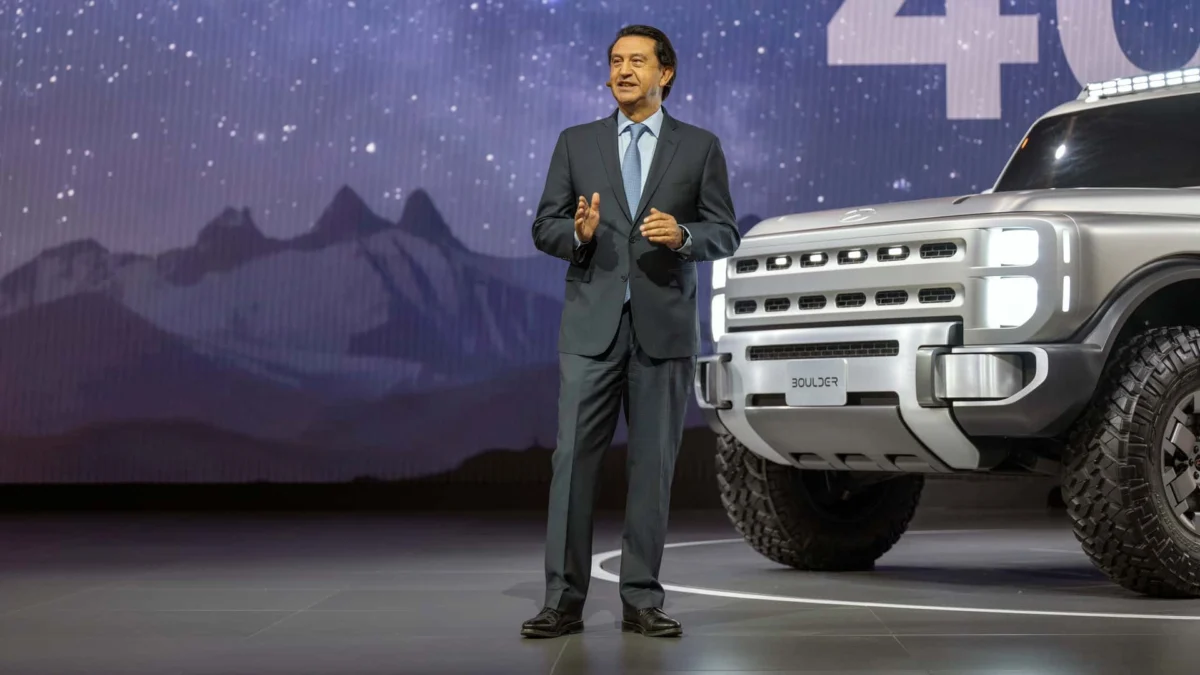
In the high-stakes world of global automotive manufacturing, few executives possess the granular, on-the-ground experience of Hyundai Motor Company CEO Jose Munoz. Having spent a pivotal decade navigating the complexities of the Chinese market while leading Nissan’s operations, Munoz has developed a keen sense for market disruption. Now, as the global auto industry faces a paradigm shift, Munoz is warning that the United States must prepare for an inevitable surge of Chinese-branded vehicles, arguing that without robust, strategic "guardrails," the American market could face the same destabilization that has already reshaped Europe.
The Lessons of Experience: A Global Pattern
Speaking to Reuters from San Jose, California, Munoz drew a direct line between his tenure in Asia and the current competitive landscape in the West. His assessment is stark: Chinese automakers have effectively utilized aggressive pricing strategies to erode the profit margins of legacy manufacturers across Europe. By undercutting domestic rivals by 30% to 40%—nearly half the cost in some segments—these manufacturers have rapidly gained market share, even in the face of existing European Union tariffs and minimum-pricing regulations.
Munoz’s warning is not merely theoretical; it is rooted in observable trends. He points to the United Kingdom as a cautionary tale of what happens when market entry is left largely unchecked. Following its exit from the European Union, the UK chose not to mirror Brussels’ restrictive trade policies regarding Chinese-built EVs. The result, according to Munoz, was swift and transformative.
"The UK, which in the past was a very profitable, very strong market, has become like China," Munoz observed. "All the top sellers are Chinese because there are no barriers."
A Chronology of Global Market Penetration
To understand the urgency of the current situation, one must look at the recent timeline of Chinese automotive expansion:
- 2020–2022: As the world emerged from the pandemic, Chinese manufacturers began aggressive electrification strategies, leveraging massive domestic government subsidies and an unparalleled supply chain for battery production.
- 2023: Chinese-branded vehicles began to capture significant market share in developing nations and Southeast Asia, while simultaneously setting their sights on the more lucrative but heavily regulated European market.
- Early 2024: European regulators, alarmed by the rapid influx of subsidized imports, began implementing higher tariff walls and anti-subsidy investigations. Despite this, Chinese brands accounted for over 9% of total European Union vehicle sales in the first half of the year.
- Late 2024: The UK market reports that Chinese brands now comprise approximately 15% of all new vehicle registrations, a figure that continues to climb as more manufacturers launch operations in the region.
- 2025–2030 (The Horizon): Industry analysts and CEOs, including Ford’s Jim Farley, have converged on a shared timeline. Farley has previously cautioned employees that Chinese brands could realistically establish a firm foothold on US shores within five to ten years, shifting from a regional power to a dominant global force.
Supporting Data: The Economics of Disruption
The competitive advantage enjoyed by Chinese manufacturers is not merely a matter of scale; it is an integrated ecosystem of cost reduction. By controlling the battery supply chain—from raw material extraction to cell manufacturing—Chinese firms have effectively decoupled their production costs from the inflationary pressures hitting Western manufacturers.
The 30% to 40% price gap cited by Munoz in markets like Italy, Spain, and France is significant enough to fundamentally alter consumer behavior. When a comparable electric vehicle (EV) from a domestic legacy brand costs nearly double that of an equivalent Chinese model, the market pressure becomes untenable.
Furthermore, data from the European Automobile Manufacturers’ Association (ACEA) highlights a clear correlation between the absence of trade barriers and the speed of market penetration. In the UK, the 15% registration figure serves as a "canary in the coal mine" for US policymakers. It demonstrates that without specific, enforceable conditions, price-sensitive consumers will inevitably gravitate toward the lower-cost, technology-heavy alternatives pouring out of Chinese factories.
Hyundai’s Strategy: Localization as a Defense
While Munoz is sounding the alarm, he is not calling for a total isolationist shutdown of the American market. Instead, he advocates for a nuanced approach that ties market access to domestic investment. Hyundai itself is a testament to this strategy.
"The impact is going to be there for sure," Munoz acknowledged. "We have to be able to minimize the impact by attaching specific conditions."
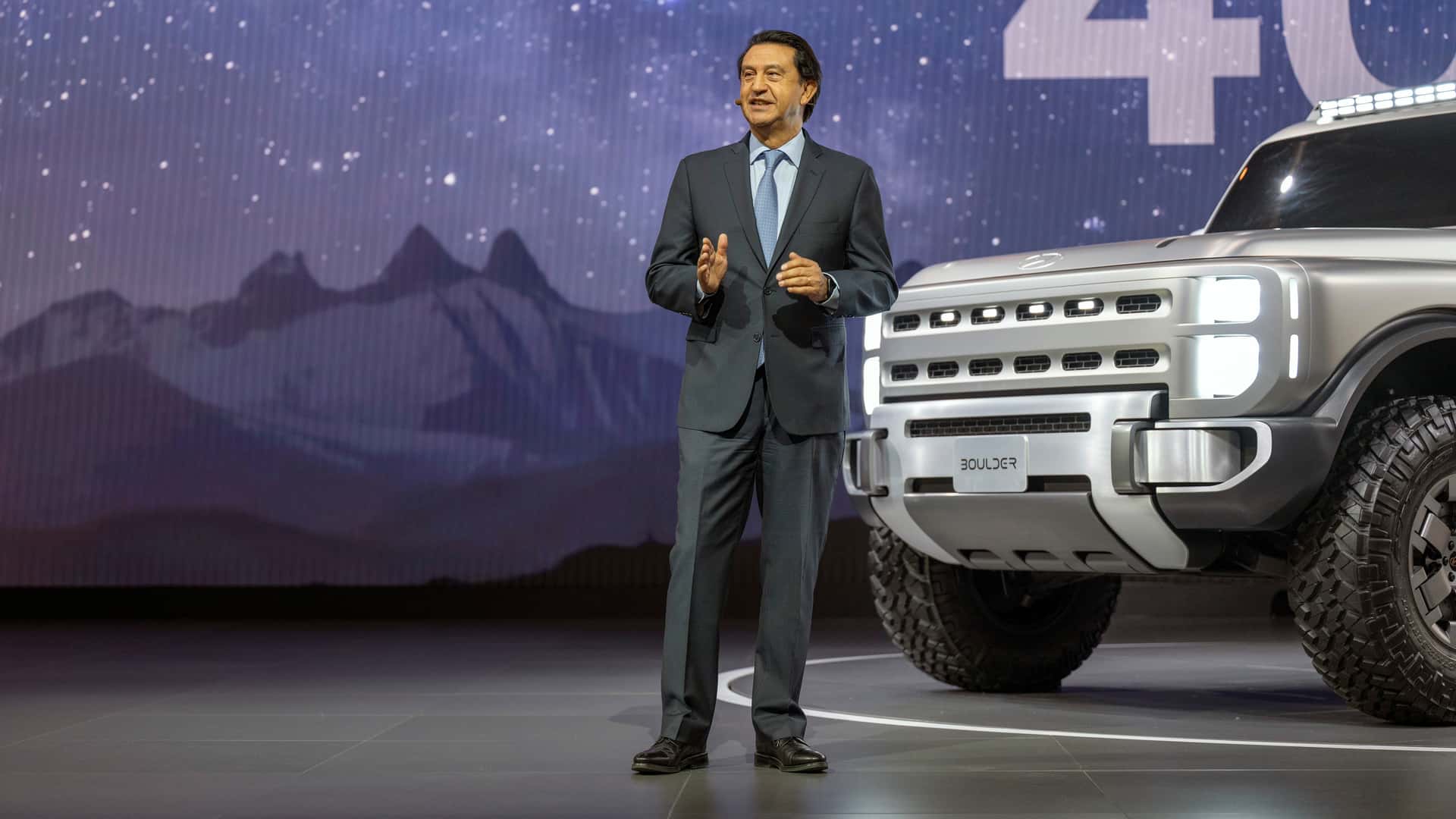
These conditions, in the eyes of industry leaders, should include requirements for local production, adherence to stringent safety standards, and transparent battery sourcing. Hyundai has already begun "future-proofing" its own US operations. The company is currently engaged in a massive expansion of its North American manufacturing capacity, with plans to add 500,000 units of production volume by 2030. Simultaneously, the company is aiming to increase domestic parts sourcing from roughly 60% to over 80%.
This localization push is not just about logistics; it is a calculated response to trade policy. Munoz credits the current US tariff structure with accelerating Hyundai’s domestic investment. The success of models like the Alabama-built Santa Fe proves that when production is localized, the company can effectively compete while contributing to the local economy, creating jobs and fostering a robust supply chain that remains within the reach of US regulatory oversight.
Technology and the Road Ahead: A Tactical Pivot
In addition to the geopolitical concerns, Munoz addressed Hyundai’s internal roadmap for advanced driver-assistance systems (ADAS). The company has made the difficult decision to delay its "Level 2++" autonomous driving software from a planned 2027 release to late 2029.
While a two-year delay might seem like a setback, Munoz frames it as a necessary commitment to safety validation. In an era where Tesla and other tech-forward competitors are constantly pushing the boundaries of what vehicles can do, the pressure to release software early is immense. However, Hyundai’s decision reflects a broader industry trend of prioritizing reliability and safety data over "first-to-market" speed. This move ensures that when the technology finally reaches the consumer, it is robust enough to meet the rigorous safety standards required for the North American market.
Implications for the Future of the US Auto Industry
The "Motor1 Take" on this situation is clear: the conversation is shifting from a binary "ban or no ban" to a complex debate over the rules of engagement. If the United States follows the path of the European Union, it will likely implement a framework where Chinese firms can operate, but only if they agree to "play by the rules"—which includes, at minimum, building cars where they sell them.
This strategy serves two purposes. First, it protects domestic labor and manufacturing from being hollowed out by artificially low-priced imports. Second, it encourages a more competitive, diverse marketplace. If Chinese manufacturers are forced to navigate the same labor costs, environmental regulations, and supply chain constraints as their Western counterparts, the "30% to 40% price advantage" will likely evaporate.
For the average American consumer, the stakes are equally high. While lower prices are always an attractive prospect, the hidden costs of relying on a foreign-dominated supply chain—ranging from national security risks to the long-term health of the domestic manufacturing sector—are becoming impossible to ignore.
As Washington looks toward the next five years, the advice from executives like Munoz is consistent: the goal should not be to build a wall, but to build a floor—a baseline of standards and localized production that ensures the automotive industry remains a vibrant, competitive, and secure pillar of the American economy. The challenge will be in the execution, balancing the hunger for affordable, high-tech EVs with the necessity of maintaining a stable, industrial base.
The movie, as Munoz noted, is one he has already seen. Whether the US government can write a different ending remains the central question of the decade.