For over 250 million years, the architecture of Earth’s seafloors remained remarkably consistent. Ancient, sessile creatures—brachiopods, crinoids, and sea lilies—blanketed the ocean floor in a sedentary dominance that seemed permanent. Then, in a geological heartbeat, that world vanished. The Permian-Triassic extinction event, colloquially known as the "Great Dying," remains the most catastrophic biological collapse in Earth’s history, erasing 96% of marine species and 70% of terrestrial life.
Now, a landmark study led by researchers at Stanford University has finally unlocked the "why" behind this mass purge. By analyzing the metabolic thresholds of both the victims and the victors of the Permian-Triassic transition, scientists have provided the strongest evidence to date that an animal’s ability to process oxygen in a warming world was the ultimate deciding factor between extinction and evolution.
The Chronology of a Planetary Catastrophe
The Permian-Triassic extinction event, occurring approximately 252 million years ago, was not a singular moment of violence but a cascading environmental failure. It began with massive, sustained volcanic eruptions—primarily in what is now the Siberian Traps. These eruptions injected catastrophic volumes of carbon dioxide and methane into the atmosphere, triggering a rapid, greenhouse-driven global warming event.
As the planet heated up, the oceans followed suit. Warm water holds less dissolved oxygen, creating a "double-jeopardy" scenario for marine life: the metabolic demand for oxygen increases as temperatures rise, even as the supply of that essential gas dwindles.
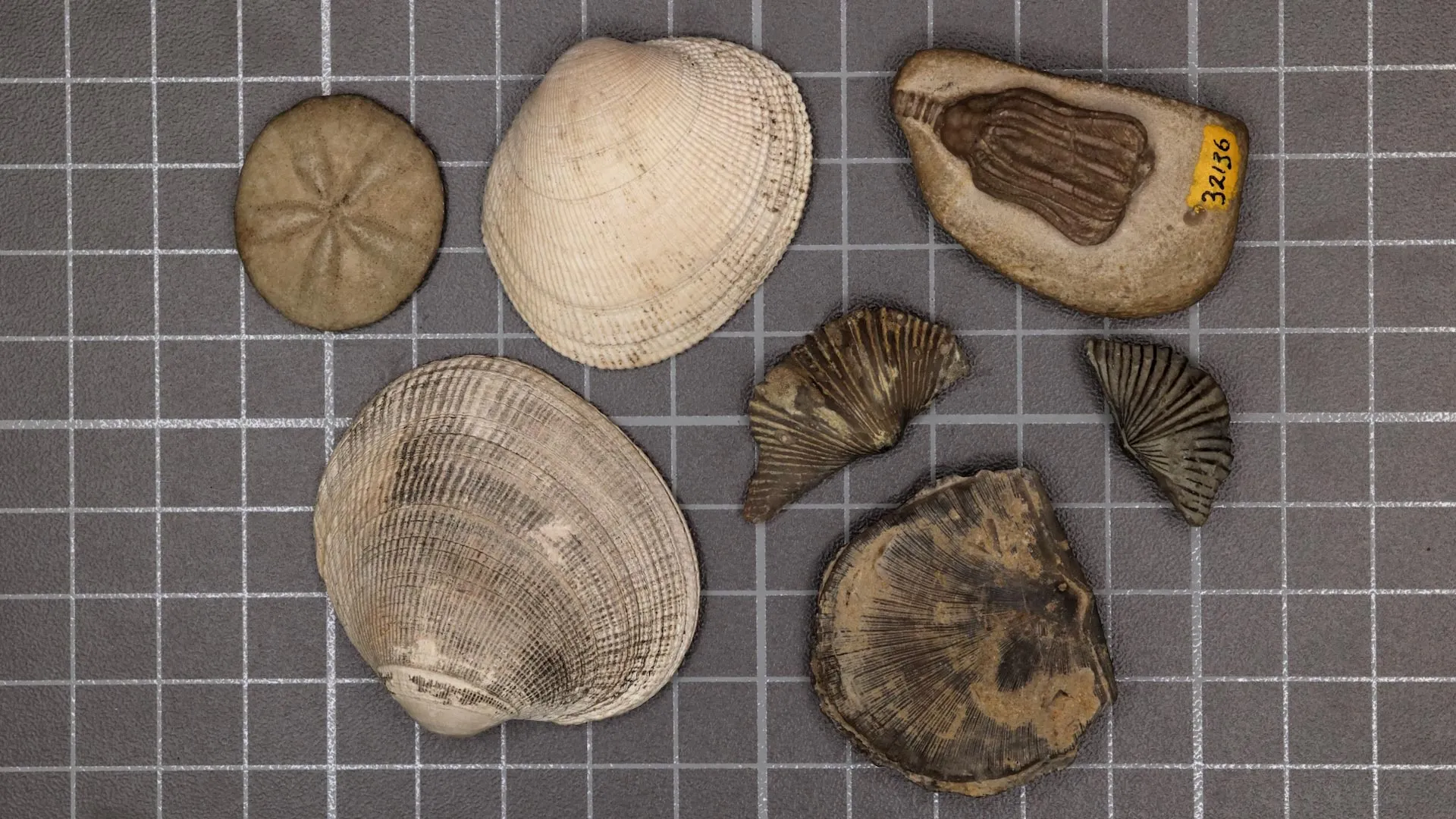
For 280 million years prior, the oceans had been cool and oxygen-rich, a paradise for "low-energy" organisms. Brachiopods—clam-like filter feeders—dominated these landscapes, thriving in their slow-moving, sedentary niches. When the Great Dying struck, these groups were decimated. Conversely, more active groups—mollusks, echinoderms, and early fish—showed a higher survival rate. These survivors, characterized by more robust metabolisms and higher activity levels, went on to define the ocean ecosystems we observe today.
Supporting Data: The Metabolic Divide
The study, published July 6 in the Proceedings of the National Academy of Sciences, represents a significant methodological leap forward. While previous research identified warming and hypoxia (oxygen depletion) as likely killers, those studies often relied on modern physiological data, creating a knowledge gap regarding the now-extinct Paleozoic fauna.
To bridge this, lead author Jose Andres Marquez and senior author Erik Anders Sperling conducted extensive fieldwork, including the collection of living brachiopods from the San Juan Islands in Washington state—modern analogs for the ancient, vulnerable species. By measuring oxygen consumption under varying thermal conditions, the team reconstructed the metabolic tolerances of Paleozoic organisms.
The Findings:
- Thermal Sensitivity: Paleozoic animals (like brachiopods) were well-adapted to stable, oxygen-rich environments. However, their metabolic systems were "thermally brittle." As temperatures rose, their oxygen demands spiked significantly faster than those of modern species.
- The Mobility Factor: Modern marine life, such as clams, mussels, and fish, possesses higher metabolic "ceilings." Their muscularity and need for movement—such as the bivalve’s ability to burrow using a muscular "foot"—require a system that can handle fluctuations in oxygen availability.
- The Survival Gap: The study proves that taxonomic selectivity—why some groups survived while others vanished—was directly proportional to an organism’s metabolic flexibility. Brachiopods, possessing very little tissue and a low-energy lifestyle, simply lacked the physiological machinery to survive in a low-oxygen, high-heat environment.
As Dr. Sperling wryly noted, "This is why we eat clam chowder and we don’t eat brachiopod chowder. Brachiopods have almost no meat." That lack of meat, a hallmark of their slow metabolism, was their evolutionary undoing.
Official Perspectives and Expert Analysis
The researchers describe this extinction as the "final nail in the coffin" for debates regarding the cause of the Permian-Triassic collapse. By linking the physiological constraints of ancient organisms to the environmental geochemistry of the Permian period, the team has provided a comprehensive model for how climate change acts as an evolutionary filter.
"With this study, we essentially wanted to solve the mystery of why, when you go to the beach, you collect the shells of clams and snails rather than those of brachiopods," said Marquez. "Our findings show that, across different organism groups, extinctions happened at much higher rates for those more vulnerable to increases in water temperature and decreases in oxygen availability."
Dr. Sperling, an associate professor at the Stanford Doerr School of Sustainability, compares this shift to the extinction of the non-avian dinosaurs 65 million years ago. "It is a massive ecological turnover," Sperling stated. "Just as mammals took over and never gave up that niche to reptiles again, the high-metabolism mollusks and fish seized the oceans after the Great Dying and effectively locked out the ancient, slow-moving groups."
While other factors, such as ocean acidification, were undoubtedly present, the Stanford team suggests they were secondary to the primary stressors of warming and deoxygenation. Acidification certainly complicated shell formation, but it was the metabolic "suffocation" caused by rising heat that sealed the fate of the Paleozoic world.
Implications for a Warming Future
Perhaps the most chilling aspect of the study is its relevance to the current century. The researchers note that the environmental baseline before the Great Dying—a relatively cool, well-oxygenated ocean—bears a striking resemblance to the state of Earth’s oceans prior to the Industrial Revolution.
The scale of the threat is sobering. During the Permian-Triassic event, global temperatures increased by 8–12°C over several thousand years. Today, human activities are driving a projected warming of 1.5–4°C in just 100 to 200 years. This rate of change is vastly faster than the conditions that caused the most severe extinction in planetary history.
The Warning
The study serves as a diagnostic tool for modern conservationists. By identifying which organisms are most susceptible to metabolic stress, scientists can better predict which species in today’s oceans are at the highest risk as climate change progresses. The "metabolic filter" that operated 252 million years ago is, in effect, being tested again on a global scale.
"The bad news is, we are on track for Permian-Triassic levels of warming in worst-case scenario projections," Sperling warned. However, he emphasized that the research is not intended to induce fatalism. "The good news is, we’re still at the point where we can change things and do something about it."
Conclusion: Lessons from the Deep
The legacy of the Permian-Triassic extinction is not merely a story of death; it is a lesson in adaptation. The survivors of the Great Dying were those equipped with the metabolic resilience to thrive in a changing environment. Today’s marine life, however, faces a rate of environmental degradation that may outpace even the most resilient species.
As the Stanford team prepares to expand its research to a broader range of marine groups, the focus remains clear: understanding the interplay of warming, oxygen loss, and acidification is essential to preserving modern biodiversity. The oceans have recovered from catastrophe before, but the geological record reminds us that such recovery takes millions of years—a luxury that modern humanity, and the current global ecosystem, does not possess.
By analyzing the shells of the past, science has provided a mirror to the future. Whether we heed the reflection remains the defining challenge of our era.
Funding for this study was provided by the U.S. National Science Foundation, NASA, the Palaeontological Association, and the Stanford Woods Institute for the Environment.