In the world of personal finance, the focus is almost exclusively on the quantification of success: net worth, debt-to-income ratios, and compound interest. However, a growing movement of thinkers and practitioners is beginning to argue that true prosperity requires more than a balanced spreadsheet—it requires a design philosophy.
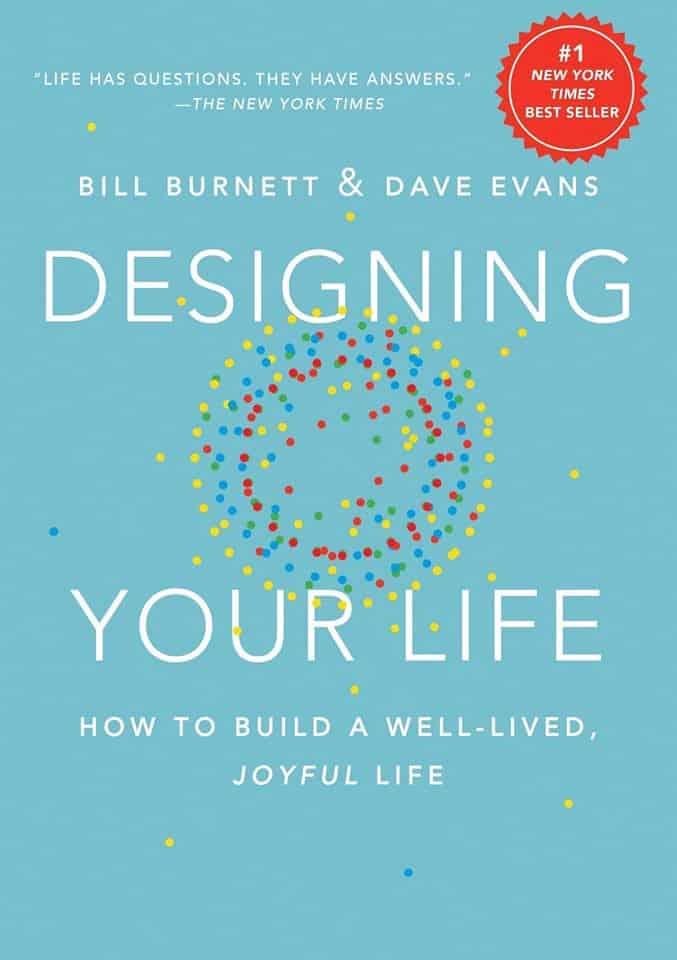
Last week, I began exploring the principles laid out in the book Designing Your Life by Stanford design professors Bill Burnett and Dave Evans. The book challenges readers to apply the iterative, human-centric processes used by product designers to the most complex project of all: one’s own existence. By moving from theoretical reading to active application, I have embarked on a journey to redefine what it means to "grow up," aided by a small cohort of peers, including my partner, Kim, and my former college classmate, Craig.
The Architecture of Self-Assessment: Starting Where You Are
The foundational principle of Burnett and Evans’ methodology is deceptively simple: "Start where you are." While this is a mantra I have long championed in financial recovery, the authors elevate it to a comprehensive life-audit.
The exercise requires an honest, granular assessment of four distinct pillars: health, love, play, and work. Unlike a financial statement, which yields a hard number, this assessment is a qualitative snapshot. It is not designed to be immediately actionable, but rather to provide a baseline—a geographic coordinate on the "map of life." By rating these areas and articulating their current state, one gains clarity on where the "friction" in their life exists. Once the current location is established, the objective shifts from mere survival to intentional navigation, a process that necessitates the construction of a metaphorical compass.
Constructing a Compass: The Workview and Lifeview
The second phase of the design process involves the creation of two mini-essays: a "Workview" and a "Lifeview." These serve as the internal compass for all future decision-making. During a recent FaceTime session, Craig and I compared our respective visions. The results were striking; despite the passage of time since our college years, our core values remained remarkably aligned.
The Philosophy of Work: Right Livelihood and Ikigai
Craig’s perspective on work centers on the Buddhist concept of "Right Livelihood." He posits that while money is a necessary utility within a capitalist framework, it is an insufficient driver for long-term fulfillment. For Craig, work must be tangible, restorative, and supportive of natural systems. He finds the most meaning in projects that foster abundance, such as agriculture or the creation of tools that enable labor.
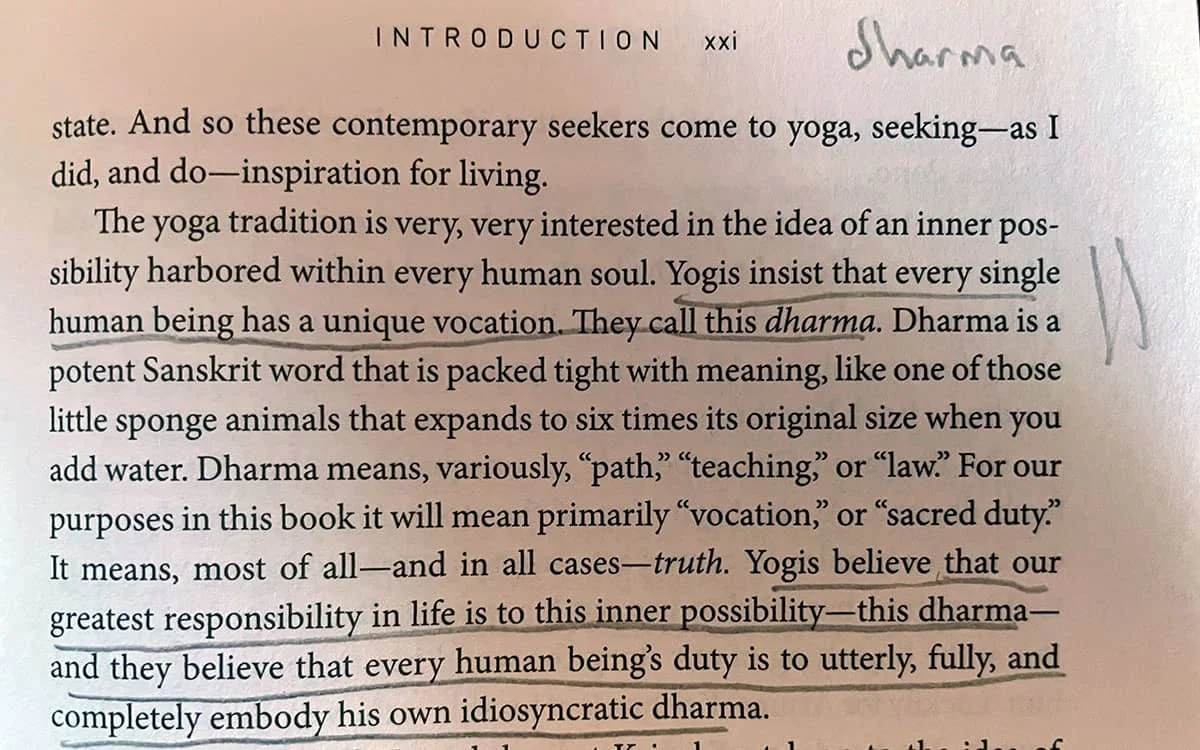
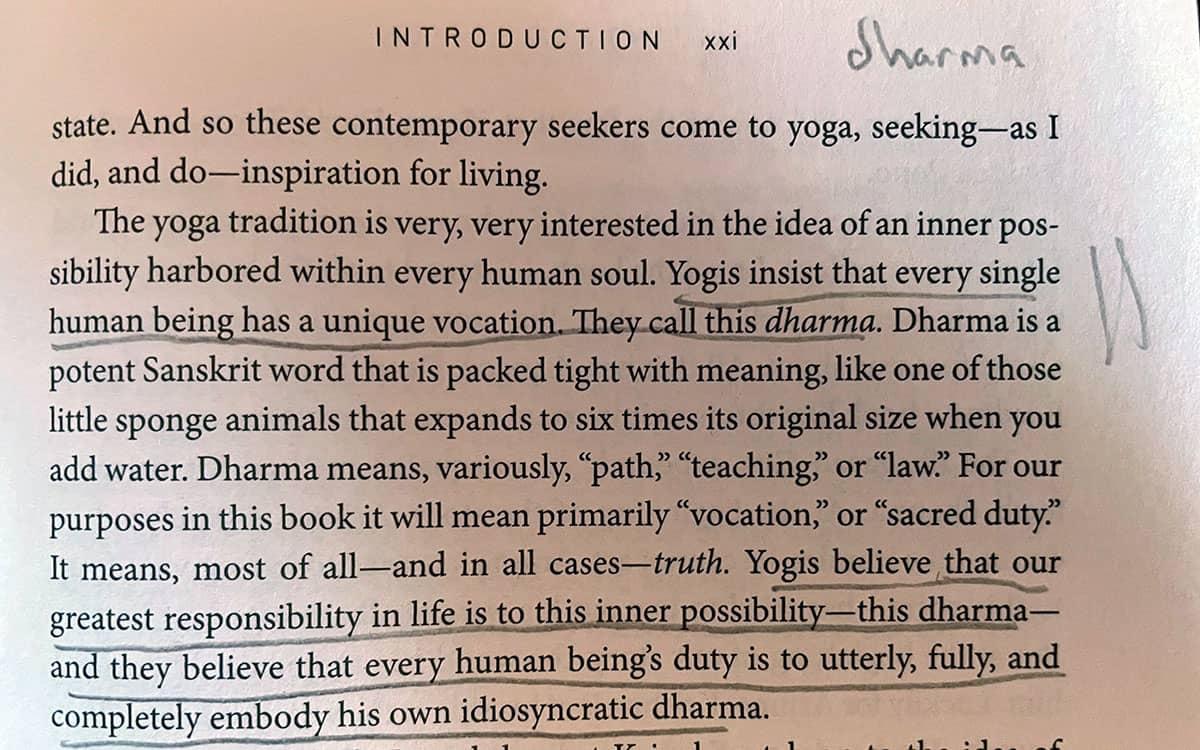
My own Workview, while echoing Craig’s sentiment, focuses on the intersection of personal fulfillment and societal contribution—a concept often referred to as ikigai. My goal is to evolve my professional output, specifically through my platform, Get Rich Slowly, into an uncluttered, reliable resource that prioritizes the reader’s journey toward financial mastery. We both arrived at the same conclusion: professional success is hollow if it does not produce a win-win outcome for the individual and the collective.
The Lifeview: Meaning in a Silent Universe
Perhaps the most profound discovery during this process was the eerie overlap in our Lifeviews. We both grappled with the absence of inherent meaning in the universe, viewing it not as a source of nihilistic despair, but as an invitation to construct our own purpose.
My personal stance is that morality is not a derivative of religious or political dogma, but a direct reflection of how one treats the "other"—particularly those with whom we disagree or those over whom we hold a power imbalance. I value curiosity, kindness, and mutual aid. My aim is to practice "rational self-centeredness," ensuring my own foundation is secure so that I may then effectively support those in my immediate circle and, by extension, the wider community.
Historical and Cultural Context: The Willamette Connection
Why do Craig and I share such a synchronized worldview? The answer may lie in our shared history at Willamette University. The institution’s motto, non nobis solum nati sumus—"not unto ourselves alone are we born"—appears to have left an indelible mark on our collective psyche.

This is not a coincidence limited to us. Other thinkers in the financial independence space, such as Angela Rozmyn, who also attended Willamette, exhibit similar values regarding community and social capital. This shared intellectual heritage highlights the importance of institutional values in shaping the long-term trajectory of one’s life.
Implications: The Collapse of Social Capital
Our discussion inevitably turned toward the decline of social capital in the United States. Invoking Robert Putnam’s seminal work, Bowling Alone, Craig and I analyzed how modern digital infrastructure has, in some ways, eroded the deep, localized bonds that once sustained communities.
The implication for "life design" is clear: we cannot design a fulfilling life in a vacuum. A compass that points only inward is bound to lead us toward isolation. True "right livelihood" and a robust "lifeview" must incorporate a commitment to fostering social capital. We must engage with those who challenge our assumptions, bridging the divide between disparate walks of life to rebuild the social fabric.
Looking Ahead: The Good Time Journal
As we move into the next phase of this design experiment, the process becomes more empirical. Burnett and Evans suggest the use of a "Good Time Journal." For the coming weeks, Craig and I will log our daily activities, specifically tracking two metrics: engagement and energy.
By mapping these activities, we intend to identify patterns that reveal where our passions truly lie. This is a transition from the philosophical to the analytical—a move from the "Why" to the "What."
Conclusion: A Living Process
Designing one’s life is not a terminal project with a definitive "done" date. It is an iterative, lifelong commitment. By starting where we are, building a compass through reflective writing, and measuring our energy levels through data-driven journaling, we are doing more than just planning a career or a retirement. We are crafting a way of being.
The exercises provided by Burnett and Evans serve as a necessary framework for those of us who feel the "gaps" in our traditional approaches to goal setting. By integrating these design principles with a commitment to social responsibility and personal authenticity, we can move toward a life that is not just financially solvent, but profoundly meaningful. The journey is just beginning, and the act of documenting it serves as the first step in ensuring that we are, indeed, living a life that is not unto ourselves alone.