For the modern traveler, the "SIM card scramble" is a rite of passage. We have all been there: landing in a foreign country, rushing to find a kiosk in the terminal, fumbling with tiny plastic cards, and praying the local carrier’s network actually covers the remote area where you’re headed. For years, the digital revolution—specifically the introduction of the eSIM—has been slowly alleviating these headaches.
While many providers have entered this space, Holafly has consistently remained a top-tier choice for globetrotters. Having used their services for years, I’ve found their reliability and pricing to be unmatched. Now, the company has taken a significant step forward with the launch of "Holafly Plans"—a subscription-based model that promises to change how we stay connected while crossing borders.
Main Facts: What Are Holafly Plans?
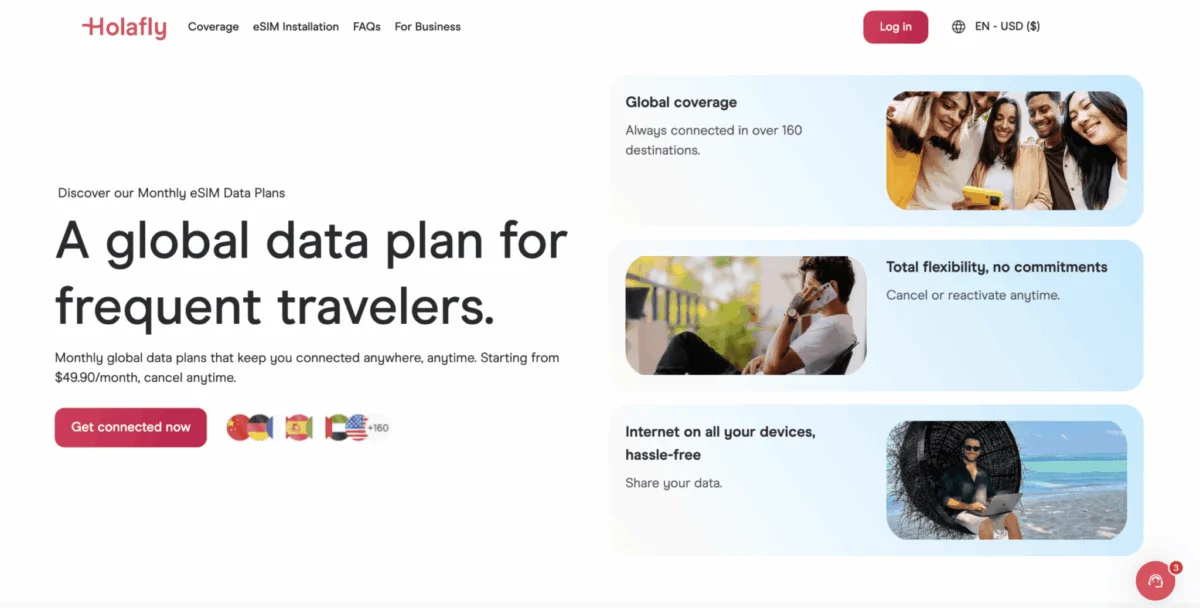
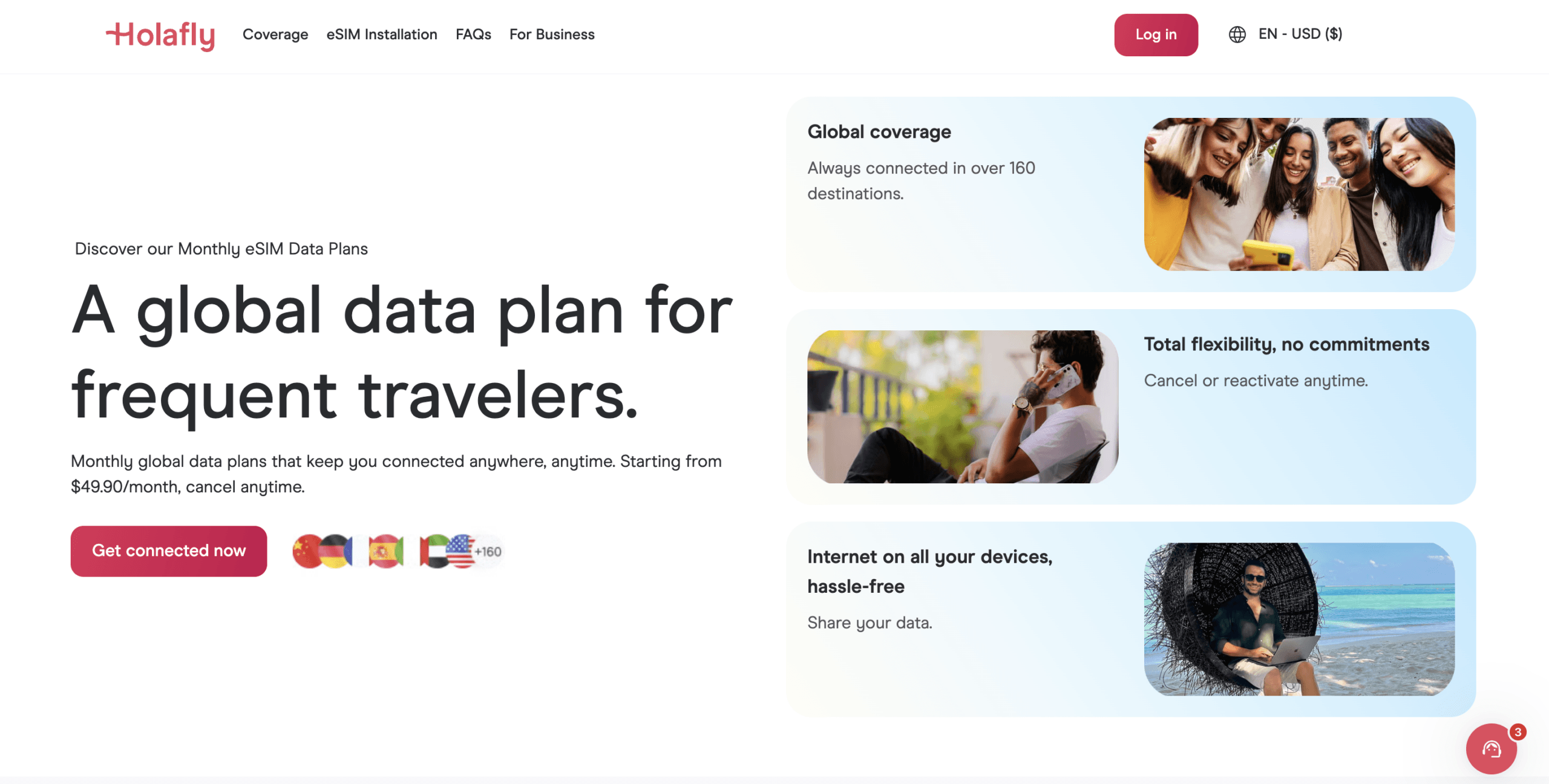
At its core, Holafly Plans represents a shift from a "per-trip" model to an "always-on" global infrastructure. Instead of purchasing a temporary data pack for a specific country, a user now signs up for an ongoing subscription that covers over 160 destinations worldwide.
The mechanism is simple: you install one eSIM profile once. As you traverse borders, the service automatically reconnects you to local networks without the need for manual configuration, new QR codes, or physical SIM swaps. It functions similarly to a high-end domestic mobile carrier, but at a fraction of the cost typically associated with international roaming.
The service is offered in two primary tiers:
- The Light Plan: Designed for the casual user, this provides 25GB of monthly data, includes hotspot capability, and grants access to the same 160+ country network.
- The Unlimited Plan: Targeted at digital nomads and heavy data users, this tier features no data caps, unlimited hotspot tethering, and a local phone number (US, UK, or Canada) capable of receiving SMS messages.
Chronology: The Evolution of Mobile Connectivity
The travel industry has seen three distinct eras of connectivity. In the first, travelers were tethered to their home carrier’s extortionate "international day pass" rates, often exceeding $10–$15 per day. The second era introduced the rise of local physical SIM cards and, eventually, regional/country-specific eSIMs. These were cheaper but required constant maintenance: buying new packages, switching settings, and managing multiple QR codes.

We are now entering the third era: the Global Subscription. The launch of Holafly Plans marks the maturation of the digital nomad ecosystem. By moving away from the transactional nature of "buying data," the model acknowledges that for a growing segment of the population, travel is not a departure from their daily routine—it is their lifestyle.
Supporting Data: Why the Subscription Model Wins
To understand the value proposition, one must look at the math. A traditional US-based carrier’s international roaming plan often requires a premium subscription on top of a daily fee, frequently totaling over $100–$300 per month for adequate, high-speed access.
Holafly Plans, by contrast, offer a streamlined cost structure. At approximately $55–$65 per month (depending on the duration of the commitment), the savings are substantial. When compared to the "classic" eSIM method—where a user might pay $20–$30 for a 10GB, 15-day pass—the subscription model offers better per-gigabyte pricing and, more importantly, the elimination of the "hassle factor."
Comparative Analysis Table
| Feature / Cost | Holafly Plans (Unlimited) | US Major Carrier Roaming | Local/Single eSIMs |
|---|---|---|---|
| Monthly Cost | ~$55–$65 | $100–$300 | $60–$120 |
| Data Allowance | Unlimited | Throttled after threshold | Fixed/Capped |
| Hassle Factor | Near Zero | High Cost / High Stress | High (Manual setup) |
| Hotspotting | Included | Restricted | Varies |
Official Response: The "Always On" Guarantee
One of the most notable features Holafly has introduced with this launch is the "Always On" backup system. Recognizing that even the most prepared travelers occasionally run into billing issues or connectivity gaps, the company now provides 1GB of backup data every month for life, regardless of whether the user maintains an active subscription.
When asked about the philosophy behind this move, representatives emphasize that connectivity should be viewed as a utility, not a luxury. By providing a perpetual, low-level data buffer, they ensure that even if a traveler forgets to renew a plan, they are not left stranded without access to navigation or messaging apps in a foreign environment. Furthermore, their commitment to a 6-month refund policy highlights a level of confidence in the product that is rarely seen in the tech-travel space.
Implications for the Digital Nomad Lifestyle
The implications of this shift are profound for the "Work from Anywhere" demographic.
1. The Death of the "Boundary Tax"
Historically, travelers paid a "tax" for crossing borders—the time spent finding a SIM and the money spent on data. By removing the boundary, Holafly allows professionals to maintain a consistent digital presence. Whether you are in a boardroom in London or a coffee shop in Bali, your phone number and data connection remain the same.
2. Enhanced Productivity
Unlimited hotspotting is the "killer feature" for this demographic. For those who rely on a laptop for video conferencing, large file uploads, or cloud-based software, the ability to tether without worrying about hitting a data cap is a game-changer. It effectively turns the world into a home office.
3. Reliability and Support
The stress of losing connectivity in a foreign country can ruin a trip. Holafly’s 24/7 human-staffed support infrastructure provides a safety net that generic, low-cost eSIM providers often lack. In an industry defined by automated chat-bots, the inclusion of real-time support is a significant competitive advantage.
Who is This For? (And Who It Isn’t)
While Holafly Plans are a technological marvel, they are not a one-size-fits-all solution.
The Ideal Candidate:
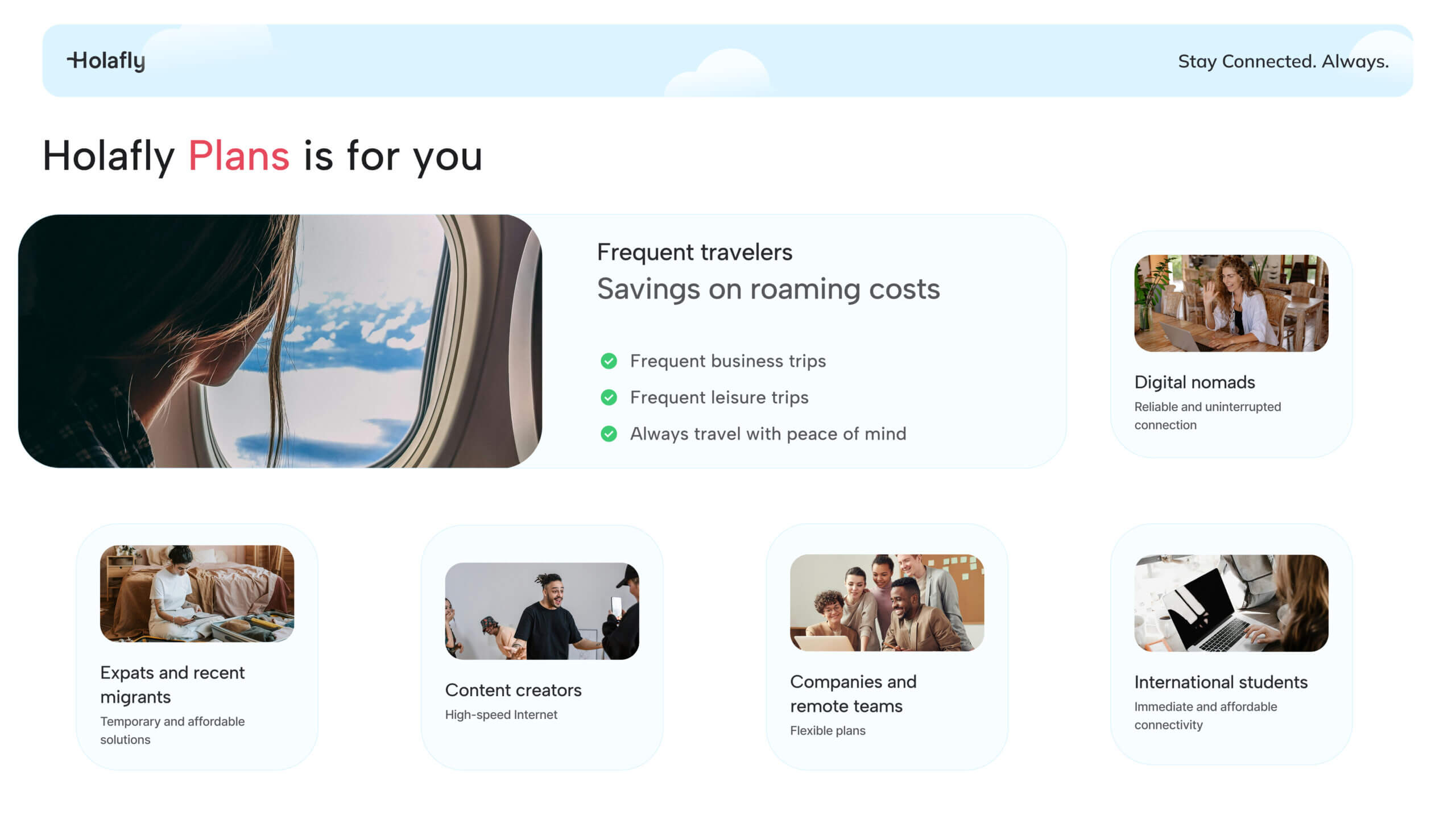
- The Full-Time Nomad: If you are moving between countries more than once a month, the subscription model pays for itself in sheer convenience and price efficiency.
- The Heavy Data User: If you use your phone for hotspotting, high-definition streaming, or frequent video calls, the Unlimited tier is likely your most cost-effective option.
- The "Zero-Hassle" Traveler: If you find the process of downloading new eSIMs every time you land in a new country frustrating, the "set it and forget it" nature of this product is designed specifically for you.
The Case for Traditional eSIMs:
If you are the "once-a-year" vacationer heading to a single destination for a two-week holiday, the classic, one-off destination eSIM remains the more economical choice. There is no reason to pay for a global subscription if your travel footprint is limited to a single annual trip.
Final Thoughts: The Path Forward
Connectivity is the backbone of modern travel. For years, we have tolerated inefficient, expensive, and fragmented systems. The transition toward global, subscription-based eSIM models represents a long-overdue modernization of the telecommunications landscape.
By integrating unlimited data, hotspotting, and a persistent phone number into a single, seamless digital profile, services like Holafly Plans are removing the friction from international travel. As we move into an era where our work and personal lives are increasingly mobile, having a "home base" for our connectivity—no matter where we are on the map—isn’t just a luxury; it’s an essential tool for the global citizen.
For those looking to optimize their travel setup, you can use the promo code NOMADICMATT at checkout to receive 10% off Holafly Plans and 5% off all standard Holafly eSIMs. Whether you choose the subscription model or a classic one-off pack, ensuring you have reliable data before you depart is the single best way to reduce travel stress and ensure your trip goes smoothly.