The landscape of aerial photography has long been dominated by the pursuit of the "perfect shot"—a process often hindered by the mechanical constraints of traditional gimbals and the physical limitations of fixed-lens cameras. For years, travelers and professional creators have navigated a complex ecosystem of flight restrictions, registration hurdles, and the tedious logistics of capturing multiple takes to ensure a scene is perfectly framed.
However, the release of the Antigravity A1 in late 2025 has shifted the paradigm. By abandoning the traditional gimbal-mounted camera in favor of a dual-lens, 360-degree capture system, Antigravity has effectively introduced a "fly now, frame later" workflow. This technological pivot transforms the drone from a specialized tool for skilled pilots into a versatile, virtual director’s camera that captures the entirety of an environment in a single pass.
Main Facts: The Anatomy of the A1
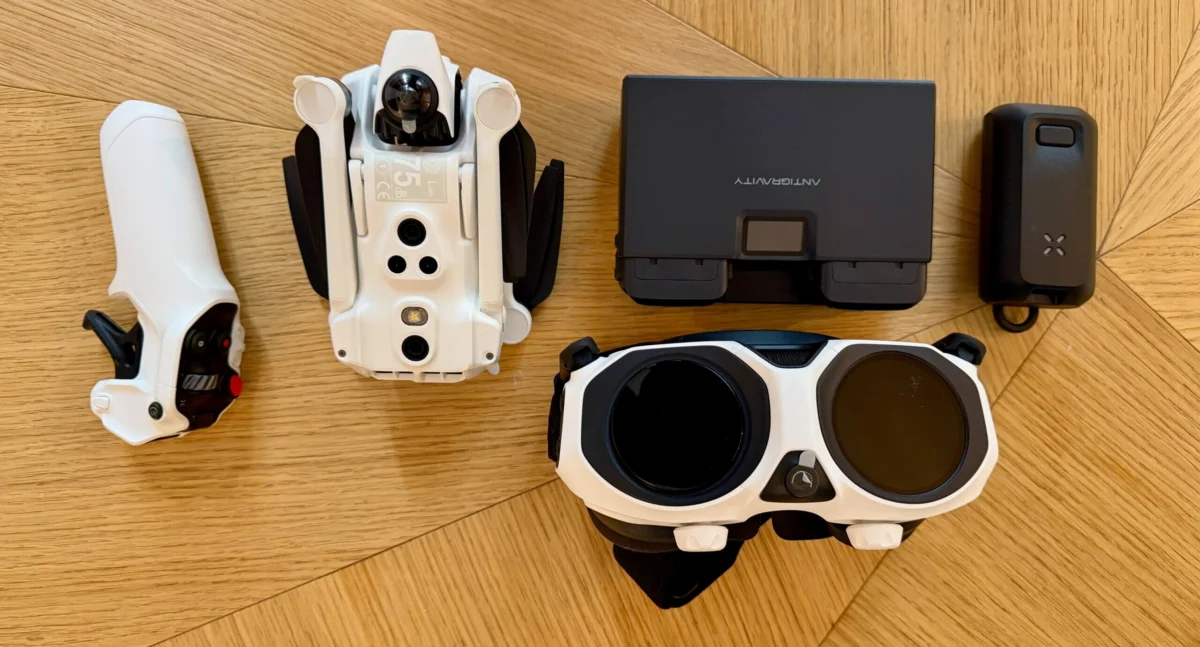
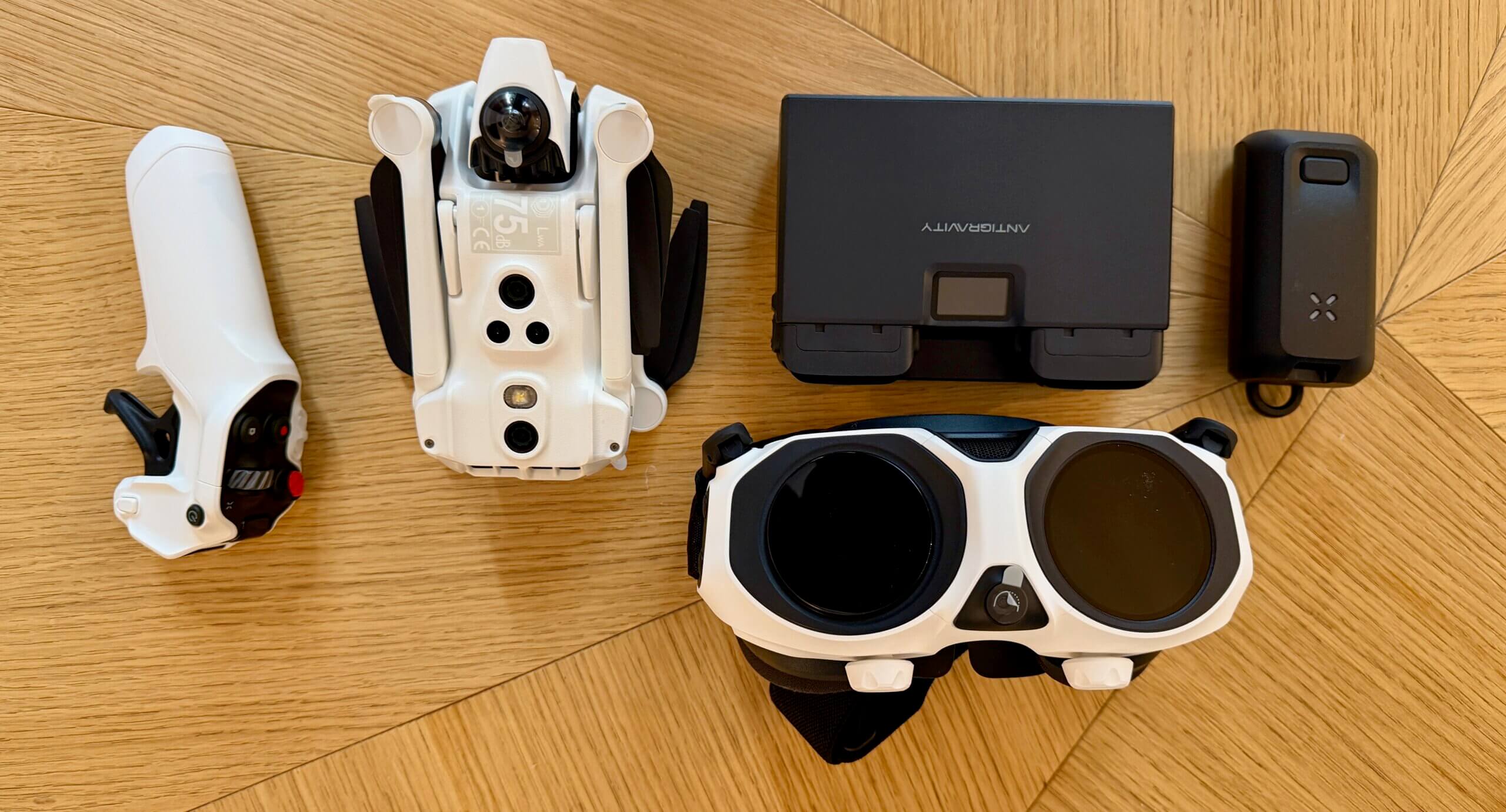
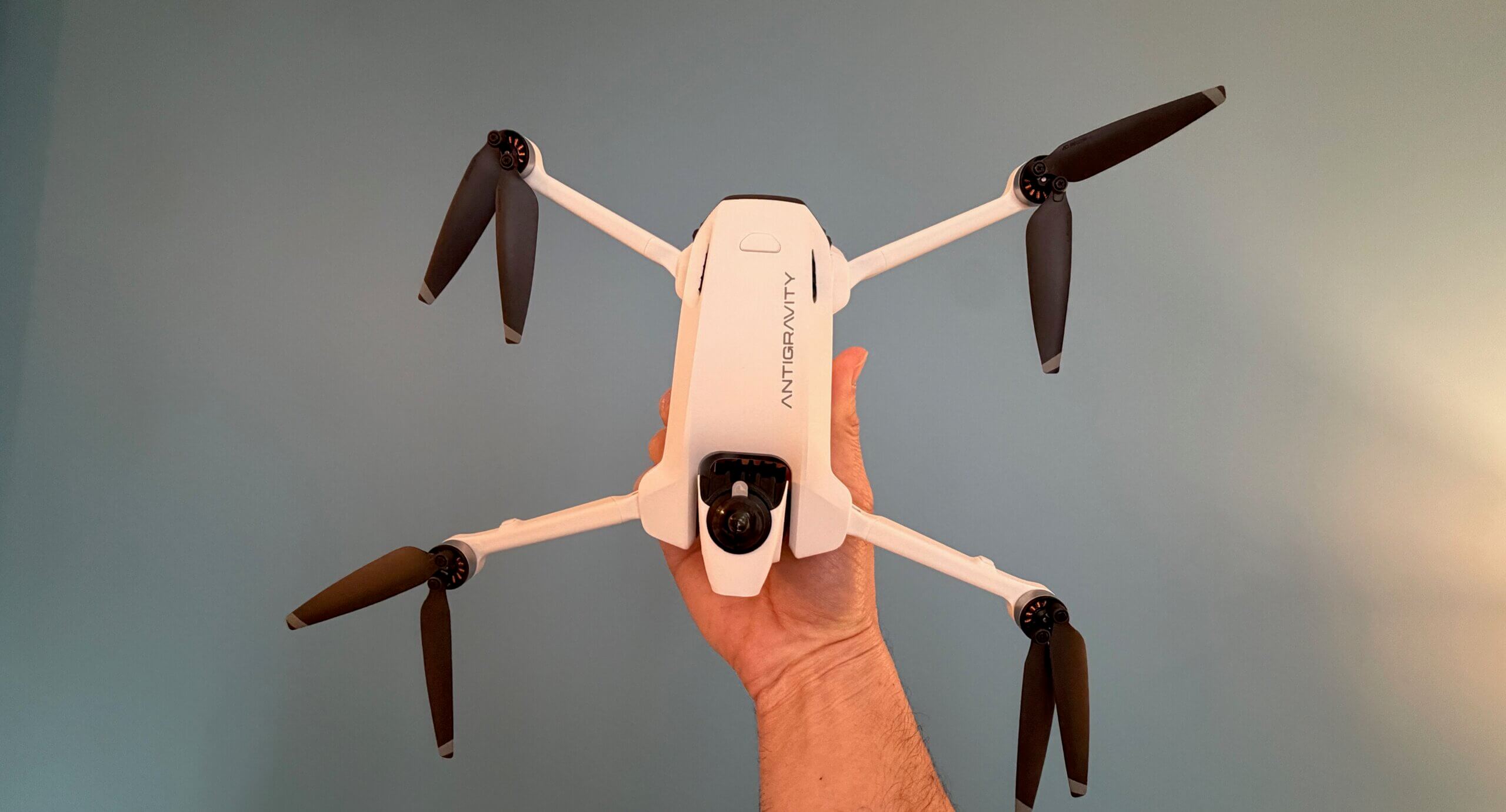
At its core, the Antigravity A1 is designed to be as unobtrusive as it is powerful. Weighing exactly 249 grams with its standard battery, the drone occupies a critical regulatory "sweet spot." In many jurisdictions, drones weighing 250 grams or more face stringent registration requirements and flight limitations; by hitting the 249-gram threshold, the A1 bypasses these bureaucratic hurdles, making it an ideal companion for the nomadic traveler.
The standout feature is the dual-lens array. Positioned on the top and bottom of the central fuselage, two ultra-wide-angle lenses each provide a 200-degree field of view. When processed, these images overlap to form a seamless 360-degree sphere. Perhaps most impressively, the software digitally removes the drone’s frame from the final footage, creating a "third-person" perspective that looks as if a camera is floating untethered in mid-air.
Chronology of Development
The trajectory of the A1 began in early 2024, as the R&D team at Antigravity 360 identified a growing fatigue among creators regarding the "gimbal-limited" nature of standard consumer drones. The development cycle focused on three pillars: weight reduction, high-fidelity capture, and intuitive flight dynamics.
By late 2025, the product moved from beta testing to a public release, immediately gaining traction among travel vloggers and action sports cinematographers. The transition from a prototype that prioritized raw stability to a consumer-ready model featuring "FlowState" stabilization marked the final hurdle, allowing the A1 to withstand winds up to 20 mph while maintaining tripod-like steadiness.
Supporting Data and Technical Specifications
The A1 is not merely a novelty; it is a sophisticated imaging device.
- Sensor Technology: The unit employs dual 1/1.28-inch CMOS sensors. While smaller than the 1-inch sensors found in top-tier "Pro" photography drones, they significantly outperform the smaller sensors typical of 360-degree action cameras. This results in superior low-light performance and an expanded dynamic range, essential for balancing the harsh, high-contrast lighting of midday sun against deep shadows.
- Resolution and Color Science: Marketed as an "8K" system, it is vital to understand that this resolution is distributed across a sphere. When "reframed" into a standard 16:9 format, the image quality remains crisp, supported by a 10-bit "Log" color profile for professional-grade color grading.
- Durability: Constructed from carbon-fiber-reinforced polymer, the chassis offers an exceptional strength-to-weight ratio. The folding mechanism is engineered for tactile precision, allowing the drone to shrink to the size of a large smartphone when stored.
The Flight Experience: Goggles and Motion Controls
One of the most radical departures from traditional piloting is the A1’s integration with Vision Goggles. Featuring dual 4K micro-OLED displays with a 120Hz refresh rate, these goggles offer near-zero latency. Because the A1 records in 360 degrees, the pilot is not restricted to a forward-facing view. Head-tracking technology allows the pilot to look around the environment in real-time, providing an unprecedented level of spatial awareness.
The flight control system is equally innovative. The single-handed motion controller uses intuitive gestures: pointing the controller directs the drone, a trigger pull handles acceleration, and wrist tilts manage banking. For purists, the A1 maintains compatibility with traditional "Mode 2" stick controllers, though the fluidity of the motion-control system has rendered the old method redundant for the majority of users.
Official Responses and Industry Implications
Industry analysts have noted that the A1 signals a broader shift in the drone market. While professional FPV (First Person View) racing drones remain the gold standard for high-speed, acrobatic flight, the A1 has carved out a new category: the "Cinewhoop" for the masses.
"The goal wasn’t just to make a drone that flies," says an Antigravity spokesperson. "It was to make a drone that captures a story. We wanted to remove the stress of manual framing so that the pilot can focus entirely on the subject and the scene."
This focus on storytelling is bolstered by the "Antigravity Studio" app. The app allows users to download footage wirelessly at speeds of 80MB/s and reframe video using the phone’s internal gyroscope. Furthermore, the AI-powered "Auto-Frame" feature identifies subjects and generates automated cuts, effectively providing a solo creator with a virtual film crew.
Operational Constraints: Battery and Performance
As with all compact aerial vehicles, battery life remains a point of contention. The standard Intelligent Flight Battery offers roughly 19 to 20 minutes of real-world flight time. However, Antigravity argues that this is a "false constraint." Because the A1 captures everything in 360 degrees, a single 20-minute flight replaces the need for multiple passes required by a traditional drone.
For those requiring extended airtime, the "Pro Battery" provides up to 39 minutes of flight, though this pushes the drone’s weight above the 250g threshold, thereby incurring additional regulatory requirements. Furthermore, the drone’s "Turtle Mode"—which allows the unit to flip itself over if it lands upside down—drastically reduces the downtime associated with crashes.
Conclusion: A New Era for Creators
The Antigravity A1 is more than a technological upgrade; it is a creative liberation. It bridges the gap between traditional cinematography and the immersive nature of VR. While the delicate nature of the dual lenses requires a degree of caution and the image quality—while excellent—may not satisfy the most demanding high-end cinema productions, the trade-off is negligible for the vast majority of creators.
For the traveler tired of the same repetitive drone shots, the Antigravity A1 offers a way to push the boundaries of perspective. It is, without question, an essential addition to the modern creator’s toolkit, marking the beginning of an era where the camera is no longer a fixed point in the sky, but a fluid, all-encompassing observer.
Pro-Tips for Your Next Trip
As you look to integrate new technology into your travel routine, remember that the best gear is only as good as the logistics supporting it.
- Logistics: Always use reliable search engines like Skyscanner for flight discovery to ensure you aren’t missing out on hidden routes.
- Accommodations: Whether you prefer the social atmosphere of a hostel found on Hostelworld or the privacy of a hotel via Booking.com, ensure your base of operations is centrally located to minimize travel time to your filming locations.
- Protection: Never underestimate the importance of travel insurance. Whether you are flying a high-tech drone or simply trekking through a city, comprehensive coverage for injury and equipment theft is non-negotiable.
- Financials: Utilize travel credit cards to maximize points, effectively turning your travel expenses into future flights and accommodations.
- Activities: Use platforms like GetYourGuide to book local experiences, providing you with unique subjects and narratives for your next aerial project.
For a deeper dive into mastering the art of travel, pick up a copy of my New York Times best-seller, "How to Travel the World on $75 a Day," often cited as the definitive guide for budget-conscious explorers looking to see more for less.