By Editorial Staff
South Sudan, a nation already teetering on the precipice of a humanitarian catastrophe, is facing a chilling new threat. The United Nations World Food Programme (WFP) issued a stark warning this Tuesday, indicating that the convergence of chronic armed conflict, dwindling international donor support, and the arrival of a "Super El Niño" weather phenomenon is set to exacerbate the country’s hunger crisis to unprecedented levels.
As climate models project significant disruptions to rainfall patterns across East Africa, millions of South Sudanese citizens—particularly children and vulnerable women—are finding themselves caught in a vice of geopolitical instability and environmental collapse.
The Convergence of Crises: Main Facts
The current situation in South Sudan is not merely a byproduct of climate change, but a "perfect storm" where human-made violence intersects with extreme weather. Matthew Hollingworth, the WFP’s Assistant Executive Director for Programme Operations, articulated the severity of the situation during a recent press briefing.
"Conflict, displacement, economic hardship, climate shocks, and the spillover effects of the brutal war in neighboring Sudan are all converging to push millions of people deeper into vulnerability," Hollingworth stated.
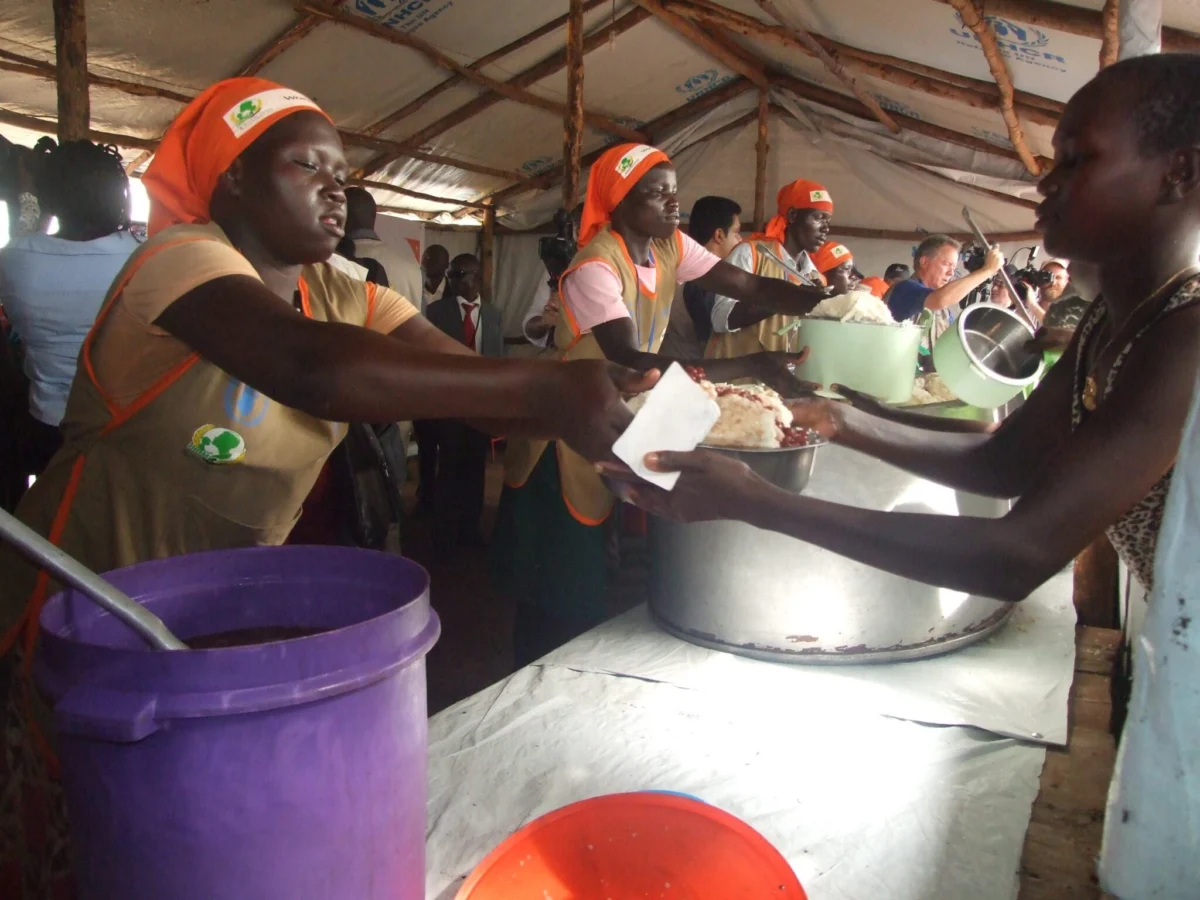
The data is alarming: 2.2 million children and 1.2 million pregnant and breastfeeding women are currently in urgent need of nutritional support. Perhaps most distressing is the timeline; more than one million people are at imminent risk of losing their food assistance by October due to severe funding shortfalls. This, combined with the forecasted "Super El Niño"—a climate pattern characterized by the unusual warming of Pacific Ocean waters—is expected to suppress rainfall in the South Sudan region, leading to widespread agricultural failure.
A Decade of Despair: Chronology of the Crisis
To understand the current urgency, one must look at the trajectory of South Sudan since its independence and the subsequent descent into instability.
- 2013–2014: The outbreak of civil war triggered mass displacement, destroying the rudimentary agricultural infrastructure that sustained the rural population.
- 2018: The signing of the Revitalized Agreement on the Resolution of the Conflict in the Republic of South Sudan (R-ARCSS) provided a glimmer of hope, but implementation remained sluggish and intermittent.
- 2023–2025: The eruption of conflict in neighboring Sudan sent a massive influx of refugees across the border, placing an unsustainable burden on South Sudan’s already depleted resources and food supply chains.
- August 2026: The WFP issued a formal warning that funding for refugees had effectively run dry, forcing the organization to ration food supplies even as the cost of basic commodities soared.
- September 2026: The announcement of the "Super El Niño" weather event signals that the coming months will likely see the total collapse of domestic harvest cycles, further restricting the availability of local food.
Supporting Data: The Anatomy of Hunger
The statistics surrounding the humanitarian landscape in South Sudan are a testament to the scale of the failure of current international aid mechanisms.
Nutritional Deficits
The nutritional crisis is hitting the most vulnerable segments of the population hardest. With over 3.4 million women and children requiring immediate intervention, the medical infrastructure—already strained by years of conflict—is unable to cope with the surge in acute malnutrition cases.
Economic Pressures and Inflation
As climate conditions degrade harvests, food prices have skyrocketed. This is not merely a supply issue; it is a market failure exacerbated by the devaluation of the local currency and the obstruction of trade routes. The WFP reports that for many households, a single meal a day has become a luxury, with many families relying on "famine foods"—wild plants or seeds that offer little to no nutritional value.
Funding Gaps
The international community’s focus has been diverted by competing global crises, leading to a "donor fatigue" that has left the WFP and other NGOs with massive funding gaps. By October, the lack of financial backing will force a reduction in aid that will effectively leave a million people without a safety net.
Official Responses and Humanitarian Obstacles
The response from international bodies has been one of mounting frustration. UN agencies have repeatedly called for the government of South Sudan to facilitate unimpeded access to aid.
However, rights organizations, including Human Rights Watch, have documented systemic efforts by both government and opposition forces to weaponize hunger. Reports indicate that humanitarian convoys are frequently blocked, harassed, or taxed by local militias. In regions controlled by opposition forces, aid access is often treated as a bargaining chip, with the government accused of intentionally delaying the movement of food and medical supplies to exert political pressure.
In April 2026, a collective of UN experts issued an urgent plea for the government to guarantee humanitarian corridors. Despite these calls, the political will to prioritize civilian welfare over military maneuvering remains absent.
Implications: International Law and Global Responsibility
The humanitarian crisis in South Sudan raises profound questions regarding the application of International Humanitarian Law (IHL).
The Legal Framework
The International Committee of the Red Cross (ICRC) outlines clear mandates for the protection of civilians in conflict zones. Under Rule 55, parties to a conflict are strictly obligated to allow and facilitate the rapid and unimpeded passage of humanitarian relief. Rule 56 further requires that personnel involved in aid delivery be granted freedom of movement.
While these rules are grounded in the Fourth Geneva Convention and reinforced by UN Security Council Resolution 2417, they are routinely ignored in the South Sudanese theater of operations.
The Broader Consequences
The implications of this crisis extend far beyond South Sudan’s borders:
- Regional Instability: As the hunger crisis intensifies, it will likely drive further migration, straining the resources of neighboring nations already struggling with their own economic and political volatility.
- The Erosion of Norms: When parties to a conflict can systematically deny food to civilians without facing significant international repercussions, it weakens the global consensus on the sanctity of human life and the inviolability of humanitarian aid.
- Climate Justice: South Sudan serves as a tragic case study for how climate change acts as a "threat multiplier." As "Super El Niño" events become more frequent, nations that have contributed the least to global carbon emissions are bearing the brunt of the meteorological consequences.
Conclusion: A Call for Action
The situation in South Sudan is a race against time. The arrival of the El Niño-induced drought will not wait for diplomatic negotiations or budget approvals. Without a massive, coordinated, and immediate injection of international funding, and, more importantly, a cessation of the deliberate obstruction of aid by warring parties, the coming months will likely see a significant rise in preventable deaths.
The international community stands at a crossroads. To allow the current status quo to persist is to be complicit in a tragedy that is both predictable and entirely preventable. The mandate is clear: protect the supply lines, fund the aid programs, and uphold the principles of humanitarian law that were designed precisely to prevent such outcomes. As the clouds gather for an arid season, the world’s response will determine whether South Sudan descends further into the abyss or finds a path toward stabilization and survival.