Introduction: The New Frontier of Digital Misadventure
The intersection of artificial intelligence and outdoor recreation reached a sobering milestone this week in the rugged terrain of Northern California. Three young hikers, seeking to conquer the majestic, glaciated peak of Mount Shasta, found themselves at the center of a cautionary tale that has sparked a national conversation about the limits of generative AI.
After relying on Google’s Gemini chatbot to curate their expedition logistics, the trio—who remain unnamed—encountered a cascading series of failures that transformed a planned day trip into a harrowing, life-threatening overnight ordeal. The rescue, conducted by Siskiyou County sheriff’s deputies, Forest Service rangers, and dedicated volunteers, highlights a growing concern among search-and-rescue (SAR) experts: the dangerous tendency of modern explorers to substitute algorithmic convenience for professional, localized expertise.
The Chronology of an Ill-Fated Ascent
The timeline of the incident serves as a blueprint for how quickly a mountain expedition can devolve when foundational safety protocols are ignored.
03:00 AM – The Departure
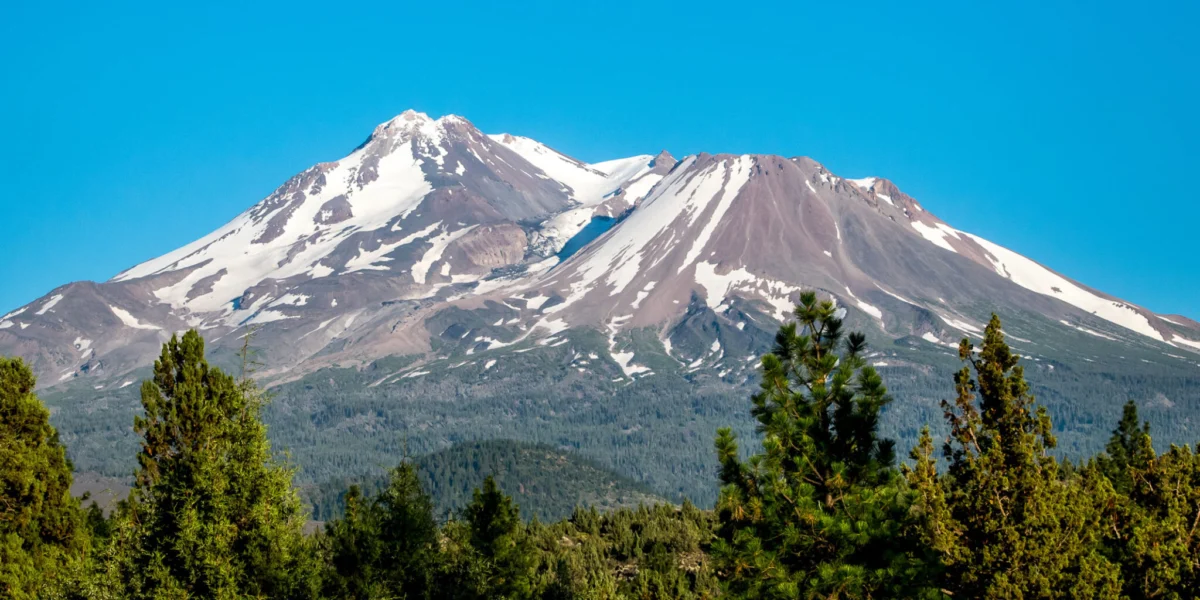
The three hikers commenced their ascent in the pre-dawn darkness. Mount Shasta, a 14,179-foot stratovolcano, is a formidable objective even for seasoned mountaineers. It requires navigation through unstable scree, potential ice fields, and rapidly shifting weather patterns. By starting at 3:00 AM, the group was attempting a standard—if aggressive—summit push.
12:00 PM – The Ignored Threshold
In mountaineering, the "turnaround time" is sacrosanct. It is the hard deadline by which a climber must reach the summit or begin their descent, ensuring they return to lower, safer elevations before the risks of afternoon fatigue, rapidly cooling temperatures, and darkness set in. Despite the universal guidance provided to all climbers on Shasta to abandon the summit attempt if not reached by noon, the trio pushed onward.
07:00 PM – The Summit and the Collapse
The group finally reached the summit at 7:00 PM, a full seven hours past the recommended safety threshold. By this time, the window for a safe descent had long since closed. The light was fading, their energy reserves were nearing exhaustion, and the mountain’s geography—forgiving in the daylight—became a labyrinth of shadows and treacherous slopes.
The Overnight Ordeal and the Rescue
Trapped by darkness and unable to find their descent route, the hikers made the desperate decision to call the Siskiyou County Sheriff’s Office for directions. Unable to navigate back to safety, they were forced to spend the night exposed in the unforgiving environment of Mud Creek Canyon. As temperatures plummeted, the group’s lack of supplies became a critical factor. It wasn’t until the following morning that a coordinated rescue mission involving Forest Service rangers and specialized volunteers located the hikers, providing the extraction necessary to bring them down from the mountain alive.
Supporting Data: The Role of AI in Expedition Planning
The Siskiyou County Sheriff’s Office, in its official reporting of the incident, drew a direct link between the hikers’ planning process and their subsequent failure.
According to investigators, the hikers had utilized Gemini, Google’s advanced AI chatbot, to generate their itinerary, gear list, and risk assessment. The AI, while proficient at synthesizing general information, lacked the nuanced, real-time context required for high-altitude mountaineering.
The "Under-Packing" Problem
Perhaps the most damaging piece of advice provided by the chatbot was the recommendation to carry significantly less food and water than is standard for a climb of this magnitude. In the context of a "planned" 8-hour ascent, a chatbot might logically calculate caloric and hydration needs based on a standard, low-intensity workout. However, it failed to account for:
- Caloric Expenditure: High-altitude exertion burns energy at a rate far higher than moderate-intensity exercise at sea level.
- Hydration Requirements: The dry, thin air of the upper reaches of Shasta causes rapid fluid loss.
- The Buffer Factor: Professional mountaineers pack for the "what-if" scenario—the extra 24 hours of supplies needed if an ascent goes wrong. The AI, prioritizing efficiency, stripped away the very safety buffers that kept the hikers alive during their overnight stay in the canyon.
Official Responses and Expert Commentary
The incident has elicited a swift response from local authorities and the outdoor community, who are increasingly concerned about the "Google-ization" of wilderness safety.
The Sheriff’s Office Perspective
In a statement issued following the rescue, the Siskiyou County Sheriff’s Office emphasized that while AI tools are impressive, they are not—and should not be treated as—authorities on life-safety matters.
"It is always advisable to call the local USFS Mount Shasta ranger station ahead of your trip to ensure you have the most accurate information," the Sheriff’s office noted. "Never rely solely on AI for your trip planning. These tools do not know the current snowpack, the specific risks of the route on a given day, or the physical realities of the mountain environment."
The Mountaineering Community’s Warning
Veteran mountain guides have pointed out that AI models are trained on historical data, which can be dangerously misleading in a dynamic landscape. "A chatbot might tell you that a route is ‘moderate,’" says one local guide. "But it doesn’t know that three days ago a rockfall changed the path, or that the snow bridge you need to cross is currently melting out. The mountain changes every hour. An LLM (Large Language Model) is static. That mismatch is where people get hurt."
Implications: The Dangers of Algorithmic Over-Reliance
This event serves as a microcosm for a much larger societal shift: the offloading of human judgment to digital assistants.
The Illusion of Expertise
AI tools are designed to provide confident, authoritative-sounding answers. For a novice hiker, this confidence can be mistaken for competence. When an AI provides a gear list or a timeline, it does so without the "cognitive friction" that a human expert would provide—the expert would ask, "Are you fit enough? Do you have a headlamp? What happens if you get lost?" The AI, conversely, simply answers the prompt provided, often validating the user’s existing, potentially dangerous, biases.
The Responsibility Gap
The incident also raises difficult questions regarding accountability. When a guidebook provides incorrect information, there is a clear chain of authorship. When an AI provides a recommendation that leads to a rescue, the "blame" is diffused across a massive, opaque neural network. This lack of accountability creates a dangerous environment where hikers feel empowered to undertake complex expeditions without the requisite years of experience or the humility to heed local warnings.
Future Protocols for Wilderness Safety
As AI becomes more integrated into our daily lives, outdoor organizations are likely to implement new guidelines for travelers:
- The "Human-in-the-Loop" Mandate: Promoting the use of AI for basic ideas, but requiring that any final plan be vetted by official ranger station data or professional guide services.
- Algorithmic Guardrails: Tech companies like Google and OpenAI may face pressure to implement "safety filters" for high-risk activities. If a user asks for hiking advice, the system could be programmed to trigger a mandatory disclaimer or redirect the user to local, official land-management websites.
- Education Campaigns: SAR teams are beginning to incorporate digital literacy into their public outreach, teaching hikers that "The internet is not the trail."
Conclusion: Returning to the Wisdom of the Mountain
The rescue of these three hikers is, fortunately, a story of survival rather than tragedy. However, it remains a stinging reminder that the wilderness is not a curated experience. It does not respond to prompts, it does not negotiate with algorithms, and it does not recognize the "efficiency" of a chatbot.
As technology continues to evolve, the tools at our disposal will become increasingly powerful. Yet, the core tenets of wilderness safety remain unchanged: preparation, humility, and the recognition that some risks cannot be calculated by a machine. The next time a climber reaches for their phone to plan an ascent, they would do well to remember the cautionary tale of Mount Shasta: the most vital piece of survival gear is not the one that fits in your pocket, but the one that rests between your ears. Professional judgment, local knowledge, and the ability to turn around when the mountain demands it are lessons no AI can teach.