GENEVA/NEW YORK — In a historic development that promises to reshape the geopolitical landscape of the Middle East and stabilize the global economy, the United States and Iran have reached an interim peace agreement. Announced this Sunday, the deal mandates an immediate cessation of hostilities and the lifting of naval blockades in the Strait of Hormuz, marking the most significant diplomatic breakthrough since the eruption of open conflict in late February.
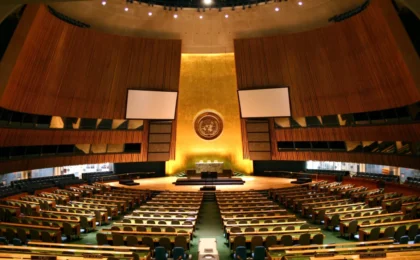
United Nations Secretary-General António Guterres was among the first to applaud the agreement, describing it as a "necessary step" toward lasting regional stability. As international markets react to the news, the global community watches closely, hoping that this 60-day window of peace will provide the foundation for a permanent resolution to a conflict that has sent shockwaves through the energy, humanitarian, and environmental sectors.
The Core Agreement: Restoring Global Flow
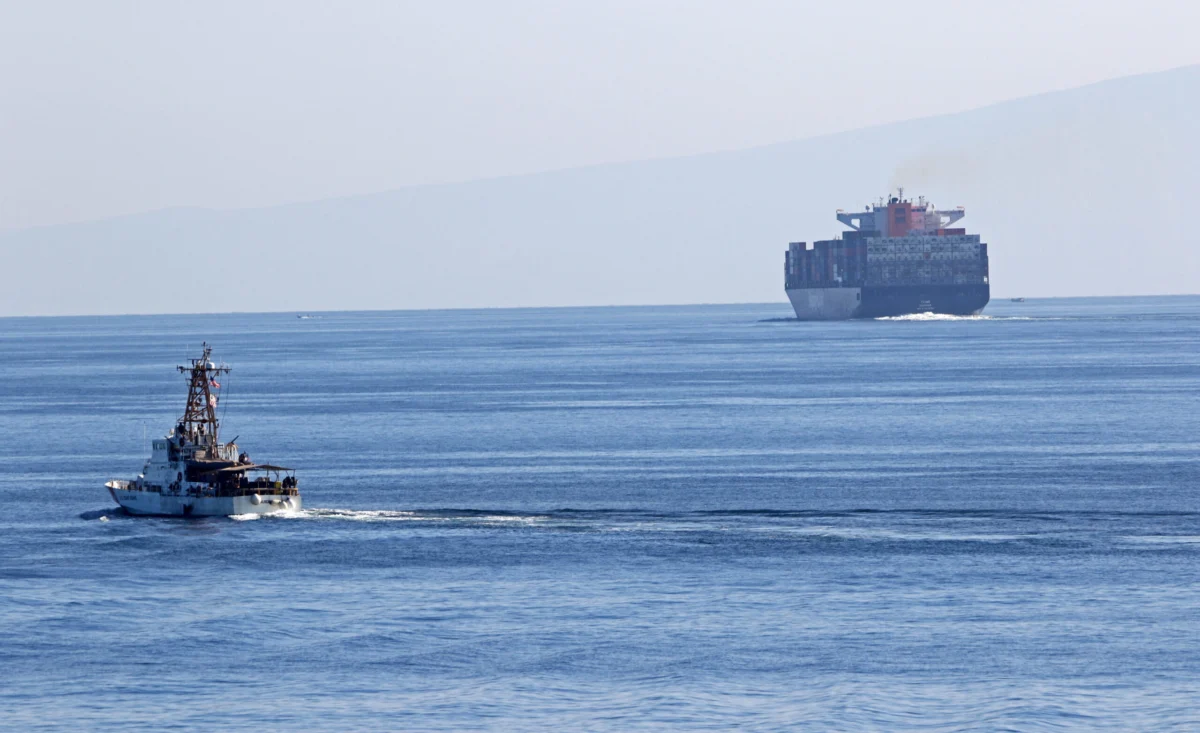
At the heart of the agreement is the reopening of the Strait of Hormuz—a narrow maritime chokepoint through which approximately 20% of the world’s daily oil supply passes. The closure of this strait during the conflict had pushed energy prices to record highs and created a logistical bottleneck that paralyzed global shipping routes.
US President Donald Trump announced the terms via social media, stating: “I hereby fully authorize the toll-free opening of the Strait of Hormuz, and, simultaneously herewith, authorize the immediate removal of the United States Naval blockade. Ships of the World, start your engines. Let the oil flow!”
While the full Memorandum of Understanding (MOU) remains under wraps, high-level officials have confirmed that the core provisions include:
- Immediate Ceasefire: A total cessation of offensive military operations between US and Iranian forces.
- Naval De-escalation: The reciprocal removal of US and Iranian naval blockades.
- Maritime Access: The full reopening of the Strait of Hormuz within a 30-day window.
- Negotiation Period: A 60-day diplomatic window to finalize a long-term peace treaty, which will include discussions on Iran’s nuclear program—the primary catalyst for the original escalation.
A Chronology of Conflict and Diplomacy
The path to this weekend’s breakthrough was paved with months of volatility and failed attempts at mediation.
- February 2026: Tensions reached a boiling point following US-led strikes on Iranian nuclear facilities, triggering a rapid military mobilization across the Persian Gulf.
- March–April 2026: The conflict intensified, leading to the closure of the Strait of Hormuz. Global energy markets experienced unprecedented volatility, and humanitarian aid access was severely restricted.
- May 2026: A series of sporadic, high-stakes negotiations—mediated by regional powers—repeatedly collapsed as both sides continued to trade military strikes.
- June 14, 2026: After intense back-channel diplomacy facilitated by Pakistan, Qatar, and Egypt, both nations agreed to the current ceasefire.
- July 19, 2026 (Scheduled): The formal signing of the MOU is slated to take place in Switzerland, according to Pakistani Prime Minister Shehbaz Sharif.
Supporting Data: The High Cost of War
The conflict’s impact has been far-reaching, affecting every continent. Economic analysts suggest that the ongoing hostilities had effectively created a "war premium" on energy costs, impacting inflation rates globally.
Economic and Humanitarian Impacts
- Energy Markets: With 20% of global oil trapped or rerouted, the world faced a supply-side shock that hit developing nations the hardest. The reopening of the Strait is expected to provide immediate, if cautious, relief to global oil prices.
- Humanitarian Crisis: UN agencies have reported that the war exacerbated existing food insecurity and medical supply shortages in West Asia. The ceasefire is a critical lifeline, as it allows aid organizations to resume operations that had been suspended due to the danger posed by naval blockades and aerial strikes.
- Environmental Dangers: The targeting of energy infrastructure resulted in significant oil spills and chemical leaks. Environmental experts warn that even with a ceasefire, the long-term ecological damage to the Persian Gulf ecosystem will require years of remediation.
Official Responses and Diplomatic Maneuvering
The international community has reacted with a mixture of relief and cautious optimism.
The United Nations
Secretary-General Guterres underscored the importance of regional cooperation, particularly praising the roles of Pakistan, Qatar, and Egypt. "The UN stands ready to support a durable and comprehensive peace," Guterres said in his official statement. He urged both Washington and Tehran to maintain the momentum, noting that the international community is invested in the success of the upcoming 60-day negotiation phase.
Regional Stakeholders
Pakistan’s Prime Minister Shehbaz Sharif, a key mediator in the process, expressed confidence that the upcoming summit in Switzerland would provide the necessary environment for a permanent settlement. The involvement of regional powers has been cited by analysts as a crucial factor; unlike previous failed talks, this deal represents a consensus built by neighbors who share the greatest risk from a prolonged regional war.
Domestic and International Skepticism
Despite the jubilation in diplomatic circles, analysts remain wary. Previous negotiations regarding Iran’s nuclear program have historically faltered due to deep-seated mistrust and conflicting domestic political pressures in both the US and Iran. The 60-day timeline is considered aggressive by many observers, who suggest that the most difficult issues—specifically nuclear enrichment and the removal of sanctions—have yet to be fully addressed.
Implications: The Road Ahead
The agreement is, for now, a "temporary" measure. The true test of this diplomatic breakthrough will occur during the 60-day window leading up to the signing in Switzerland.
The Nuclear Question
The fate of Iran’s nuclear program remains the "elephant in the room." While both parties have agreed to a ceasefire, the underlying security dilemma—the US’s desire to curb nuclear proliferation versus Iran’s assertion of its sovereign right to energy security—remains unresolved. If the negotiators cannot find common ground on this issue, the ceasefire may prove to be merely a tactical pause rather than a strategic peace.
Global Market Stability
Financial markets reacted positively to the news on Monday morning, with oil futures dipping and global indices seeing modest gains. However, the sustainability of this economic recovery depends on the permanence of the maritime corridor’s security. Shipping firms are already recalibrating their routes, though many remain hesitant to fully resume standard operations until the 30-day reopening period is completed.
Humanitarian Resumption
The most immediate positive outcome is the ability of aid groups to move supplies into the region. For civilians trapped in the crossfire of the last four months, the ceasefire is not just a diplomatic headline—it is an opportunity for food, water, and medicine to finally reach those in need.
Conclusion
As the world waits for the formal signing in Switzerland on July 19, the mood in the international community is one of fragile optimism. The US-Iran peace deal is a testament to the power of multilateral mediation, but it is also a reminder of how quickly the world can be brought to the brink of catastrophe.
Whether this agreement serves as the precursor to a new era of regional security or merely a temporary interlude in a long-standing conflict will depend on the resolve of the leaders in Washington and Tehran. For now, the "engines" are starting, the oil is moving, and a world weary of conflict can finally afford to take a breath. The next 60 days will determine if that breath is the start of a lasting peace or simply a pause in a much longer struggle.