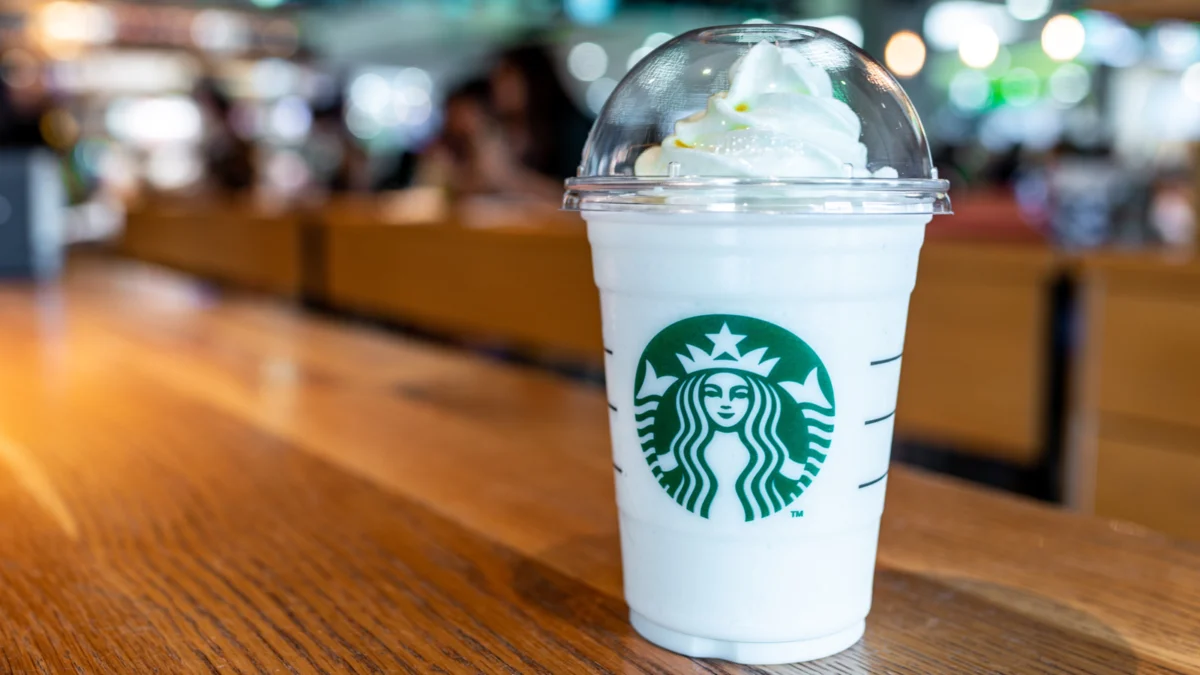
For decades, the Starbucks menu has been anchored by a select group of "hall-of-fame" beverages. Among these, the Vanilla Bean Crème Frappuccino has long stood as the definitive, caffeine-free standard—a sweet, nostalgic, and universally approachable treat. However, the landscape of coffee house preferences is shifting. In a recent comprehensive review of the entire Starbucks Crème Frappuccino lineup, a new champion has emerged to unseat the classic vanilla contender: the Matcha Crème Frappuccino.
This shift marks a significant evolution in consumer palates, signaling a move away from simple sugar-forward profiles toward more nuanced, earthy, and complex flavor profiles.
The Anatomy of the New Champion: What Makes the Matcha Crème Frappuccino Superior?
At its core, the Matcha Crème Frappuccino is a masterclass in balance. While the Vanilla Bean version relies heavily on a one-note sweetness, the matcha-based alternative offers a sophisticated sensory experience. The drink is constructed by blending premium matcha powder—a finely ground, high-quality green tea—with milk, ice, and classic syrup, finished with a generous swirl of whipped cream.
The technical superiority of the drink lies in its "gustatory complexity." The inherent bitterness and grassiness of the matcha act as a necessary foil to the decadent, milkshake-like base. By tempering the sugar, the matcha allows the drinker to consume the entire beverage without the palate fatigue often associated with overly sweet coffee-house desserts. It is this balance that makes it a "best of both worlds" scenario, bridging the gap between those who crave a traditional dessert drink and those who appreciate the botanical, earthy notes of Japanese green tea.
A Chronology of the Rise of Matcha
The rise of the Matcha Crème Frappuccino is not an overnight phenomenon; it is the culmination of a decade-long transition in global food and beverage trends.
- 2010–2015: The Niche Introduction. During this period, matcha was primarily relegated to high-end tea houses and specialty wellness cafes. Starbucks, always keen to capitalize on global trends, began experimenting with green tea-based beverages, testing consumer interest in the U.S. market.
- 2016–2020: The Mainstream Pivot. As the "superfood" movement gained momentum, matcha transitioned from a niche ingredient to a household name. Starbucks responded by integrating matcha into its core menu permanently. The Matcha Crème Frappuccino saw a surge in popularity as younger, health-conscious consumers sought out "Instagrammable" drinks with a vibrant, natural color.
- 2021–2025: The Refinement Phase. Starbucks began optimizing its matcha supply chain, ensuring a more consistent, high-quality powder that provided a better color and flavor profile. This led to a more consistent product across thousands of locations.
- 2026: The Coronation. In the latest industry-wide tasting evaluations, the beverage was officially ranked as the premier Crème Frappuccino, edging out the long-standing Vanilla Bean favorite for its superior complexity and depth.
Supporting Data and The "Green" Appeal
The success of the Matcha Crème Frappuccino can be attributed to more than just flavor; it benefits from a strong visual identity. The "mesmerizing pastel hue" of the drink provides a unique aesthetic appeal that has been a significant driver of its social media presence.
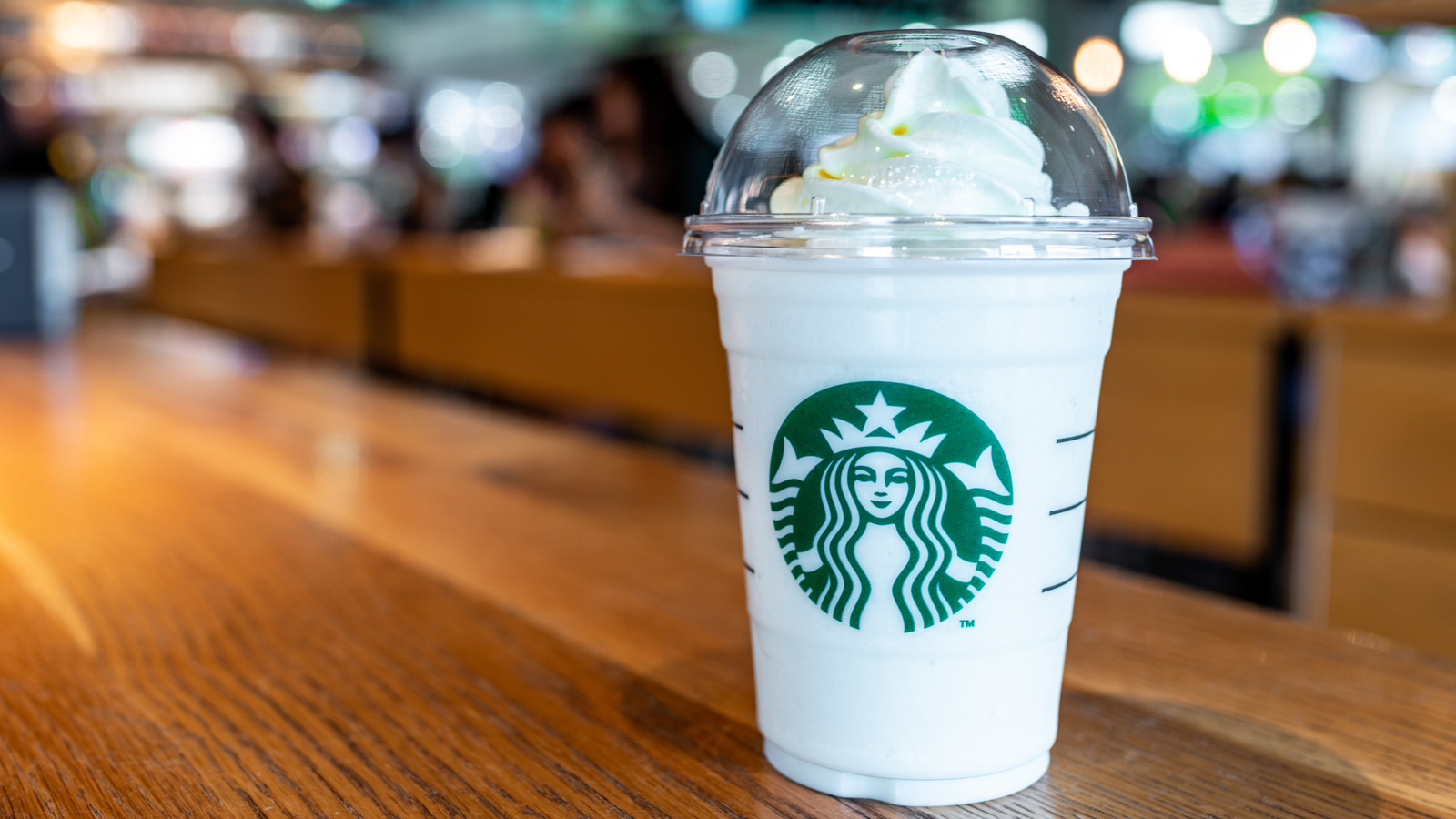
Furthermore, data from consumer sentiment analysis indicates that "non-coffee" drinkers are increasingly looking for sophisticated flavor alternatives. While the Vanilla Bean drink is often viewed as a beverage for children or those with a very high tolerance for sugar, the Matcha Crème Frappuccino occupies a more mature space. Its popularity is bolstered by its versatility. Enthusiasts have developed a subculture of customization, frequently swapping dairy for coconut or almond milk to enhance the nuttiness of the tea, or adding a shot of espresso—a "dirty matcha" variant—to bridge the gap between tea and coffee.
The Great Debate: Perspectives from the Starbucks Community
The dominance of the Matcha Crème Frappuccino has not been without its detractors. The debate within the Starbucks community is a vivid reflection of the "love it or hate it" nature of the ingredient.
On platforms like Reddit, discussions regarding the beverage are polarized. Supporters frequently cite its "not overly sweet" profile as a primary selling point. One frequent customer noted, "It’s the perfect afternoon pick-me-up that doesn’t feel like a sugar crash in a cup." Conversely, the vocal minority who dislike the drink often use terms like "grass clippings" or "earthy."
This divide is essential to the drink’s identity. Starbucks has successfully marketed a beverage that doesn’t try to please everyone, but rather provides a distinct, high-quality experience for those who appreciate the profile of matcha. As one enthusiast succinctly put it, "If you don’t mind the earthy, bitter flavor of matcha, it’s a perfect experience. It tastes like spring in a cup."
Implications for Future Menu Development
The victory of the Matcha Crème Frappuccino has profound implications for Starbucks’ future product development. It confirms that the modern consumer is willing to pay a premium for ingredients that carry perceived health benefits or complex flavor profiles.
1. Shift Toward Botanical Flavors
We can expect to see Starbucks lean further into herbal and botanical ingredients. The success of matcha suggests that flavors like lavender, hibiscus, and turmeric may move from seasonal limited-time offers to permanent menu staples.
2. Customization as a Core Strategy
The drink’s success is intrinsically linked to how easily it can be customized. By offering a base that acts as a blank, high-quality canvas, Starbucks allows customers to take ownership of their drink. The trend of adding strawberry purée or espresso shots to the matcha base demonstrates that customers want to be co-creators of their beverages.
3. Sustainability and Sourcing
As the demand for high-quality matcha grows, the burden falls on Starbucks to maintain ethical and sustainable sourcing practices. The quality of the drink is entirely dependent on the quality of the green tea powder. This may lead to more transparent labeling regarding the origin of their matcha, potentially marketing specific regions of production to appeal to tea connoisseurs.
Conclusion: A New Standard
While the Vanilla Bean Crème Frappuccino will always hold a place in the hearts of those seeking a simple, nostalgic comfort, the industry has clearly moved in a different direction. The Matcha Crème Frappuccino represents the new gold standard for the brand’s non-coffee menu. It is sophisticated, visually distinctive, and—most importantly—balanced in a way that respects the palate.
As we look toward the future, the question is not whether the matcha craze will continue, but rather what flavor will eventually step up to challenge this green giant. Until that time, the Matcha Crème Frappuccino stands as a testament to the fact that when it comes to the modern Starbucks menu, depth of flavor now consistently beats the simple classic. Whether you are a dedicated matcha lover or an occasional curious sipper, the beverage serves as a perfect example of how the humble green tea leaf has officially conquered the world of blended beverages.