WASHINGTON D.C. — In a significant escalation of its campaign to dismantle the financial infrastructure supporting the Iranian government, the Trump administration on Friday announced comprehensive sanctions against Golden Global Yatirim Bankasi Anonim Sirketi, a prominent Turkish investment bank. The move marks the latest salvo in "Operation Economic Outcast," an aggressive diplomatic and financial strategy designed to sever Tehran’s remaining ties to the global marketplace and force a definitive end to a six-month military conflict that has destabilized the Middle East and sent global energy prices soaring.
The Treasury Department’s action against the Istanbul-based institution signals a hardening of the U.S. stance toward third-party intermediaries that facilitate Iranian trade. By targeting Golden Global, Washington is sending a clear message to Ankara and other regional players: the cost of doing business with Iran now includes total exclusion from the U.S. financial system.
Main Facts: The Case Against Golden Global
The Treasury Department’s Office of Foreign Assets Control (OFAC) has accused Golden Global Yatirim Bankasi of serving as a clandestine conduit for the Iranian regime. According to federal investigators, the bank was specifically utilized to bypass international oversight, allowing Tehran to move vast sums of oil revenue from China into Turkey.
The Oil-to-Gold Pipeline
The core of the allegations involves a sophisticated "laundering" mechanism. Treasury officials claim that Golden Global facilitated the transfer of Iranian oil proceeds held in Chinese accounts. Once the funds reached Turkey through Golden Global’s channels, they were reportedly converted into physical gold and hard currency—assets that are significantly harder for international regulators to track and seize.
Servicing Sanctioned Entities
Beyond the oil revenue transfers, the U.S. government alleges that Golden Global "knowingly offered" essential banking services to Iranian financial entities that were already under U.S. sanctions. Specifically, the bank is accused of maintaining relationships with entities blacklisted in 2022 for their roles in funneling money from Tehran’s state-owned oil sales to the Islamic Revolutionary Guard Corps (IRGC) and other paramilitary groups.
Golden Global’s Profile
Founded in 2019, Golden Global Investment Bank was marketed as Turkey’s first investment bank dedicated to providing "alternative financing methods" for foreign companies. While it remains relatively obscure to the general Turkish public, the bank has carved out a niche in facilitating trade with Turkey’s neighbors. Its website claims a mission to bolster Turkey’s foreign trade through "innovative financial solutions," but U.S. officials now contend those solutions were primarily designed to subvert international law.
Chronology: The Road to ‘Economic D-Day’
The sanctions against Golden Global do not exist in a vacuum; they are the result of a rapidly accelerating timeline of economic and military confrontation.
- Late 2023 – Early 2024: Following a series of regional provocations, the U.S. and Iran entered a period of direct military engagement. The conflict, now in its seventh month, has remained an "unpopular war" domestically, according to recent polling, but the administration has doubled down on its "Maximum Pressure" strategy.
- August 24, 2024: Treasury Secretary Scott Bessent officially launched "Operation Economic Outcast." The initiative was described as a final effort to isolate Iran from its remaining trading partners, specifically China, India, and Turkey.
- Last Week: The Treasury Department took a measured step by limiting an Egyptian bank’s operations in the United Arab Emirates. This was seen as a "warning shot" to regional partners, though the administration stopped short of full sanctions, signaling a preference for negotiation over immediate rupture.
- Thursday: In a move that underscored the complexity of U.S.-Turkey relations, the state-run Turkish lender Halkbank reached a settlement with the U.S. Justice Department. This settled a nine-year-old case involving a $20 billion scheme to evade Iranian sanctions—a case that had long been a point of contention between President Donald Trump and Turkish President Recep Tayyip Erdogan.
- Friday Morning: Secretary Bessent signaled in an interview with The Associated Press that a major financial institution would soon face penalties.
- Friday Afternoon: The Treasury Department officially designated Golden Global Yatirim Bankasi, marking the first major "Outcast" sanction against a Turkish entity since the new operation began.
Supporting Data: The Economic Battlefield
The Trump administration’s reliance on financial sanctions comes at a time of significant economic volatility. The efficacy of "Operation Economic Outcast" is being measured against a backdrop of rising costs and shifting trade alliances.
Energy Market Pressure
The ongoing conflict and the tightening of oil sanctions have had a palpable impact on domestic energy prices. In the U.S., the average price of gasoline and diesel has risen by approximately 18% over the last four months. This spike has become a central theme in the lead-up to the November midterm elections, putting Republican incumbents in a defensive position as they attempt to justify the economic cost of the war to voters.
The China-India Factor
While Golden Global is a Turkish bank, the "lifeline" it provided originated in China. Data suggests that despite U.S. pressure, China and India have continued to be the primary consumers of Iranian crude, often utilizing non-dollar denominated trade or "dark fleet" tankers to move product. The U.S. has threatened an "Economic D-Day" for any major power that continues these purchases, but so far, the administration has opted for "warnings and negotiations" with Beijing and New Delhi rather than the scorched-earth sanctions applied to Golden Global.
The Halkbank Precedent
The Golden Global case mirrors the infamous Halkbank scandal, where Turkish officials were accused of taking millions in bribes to facilitate a "gas-for-gold" scheme. In that instance, roughly $20 billion was illegally moved. While the Golden Global figures have not yet been fully disclosed, Treasury officials suggest the volume of transactions was "substantial enough to sustain regional military operations."
Official Responses: Rhetoric and Realpolitik
The reactions to Friday’s announcement highlight the deep ideological divide between Washington’s "hawkish" stance and the pragmatic, often defiant, posture of its regional partners.
The U.S. Treasury’s Stance
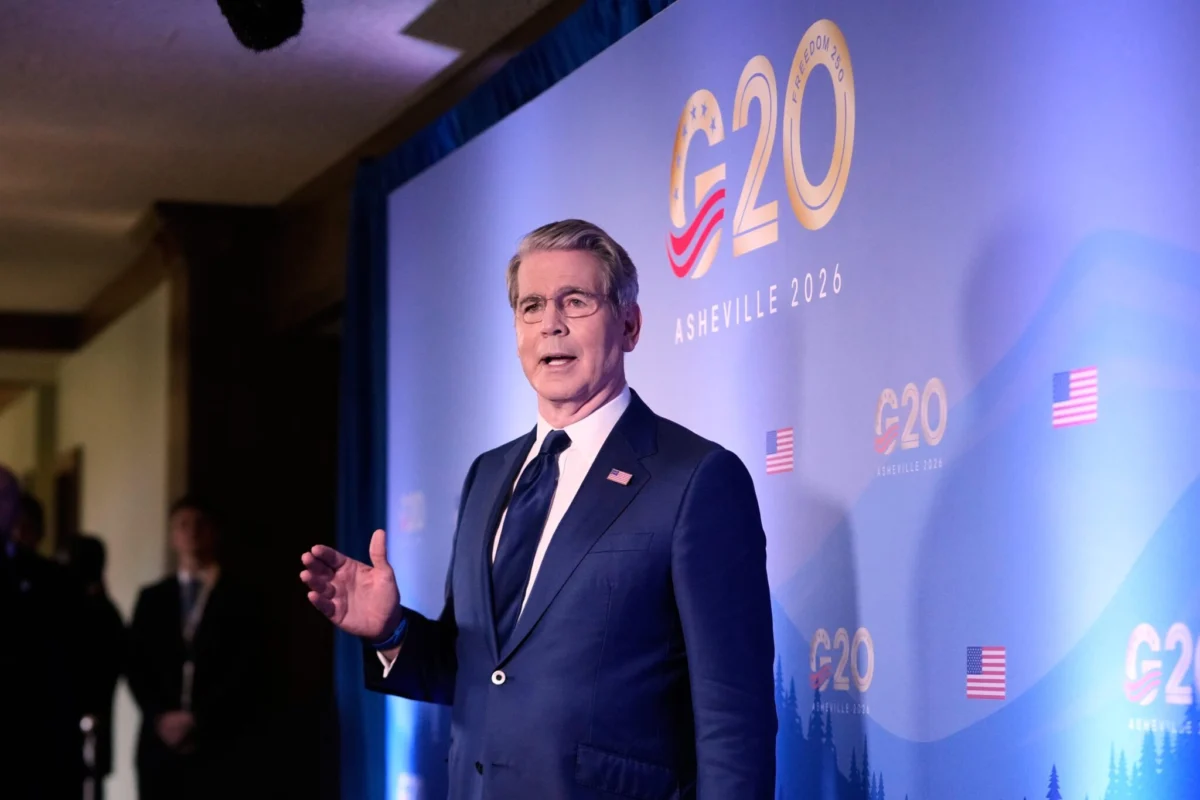
Secretary Scott Bessent did not mince words in his Friday press release. He framed the sanctions as a moral and strategic necessity.
"Financial institutions with ties to Iran will continue to find out the hard way that we are serious about Operation Economic Outcast," Bessent stated. "While we hope no more banks will need to be sanctioned, that ultimately depends on how quickly the international community comes to its senses and ceases support of the murderous Iranian regime."
He concluded with a stark warning: "We know who you are, we know where you are, and we will continue to take action together with our allies and partners until we have buried the head of the Iranian snake."
The Turkish Response
While the Turkish government has not yet issued a formal retaliatory statement regarding Golden Global, the context of the Halkbank settlement suggests a complicated internal dynamic in Ankara. President Erdogan has historically viewed U.S. sanctions on Turkish banks as an affront to national sovereignty. However, with the Halkbank case finally settled, some analysts suggest Turkey may be less inclined to engage in a full-scale diplomatic brawl over a smaller, private investment bank like Golden Global.
The Iranian Defiance
Tehran has consistently dismissed U.S. sanctions as "economic terrorism." Iranian officials have maintained that their "resistance economy" is capable of weathering the current storm, citing their ability to find new "financial architectures" that do not rely on Western systems—precisely the type of architecture Golden Global is accused of providing.
Implications: A High-Stakes Gamble
The decision to sanction Golden Global carries profound implications for the future of U.S. foreign policy, the global economy, and the stability of the Middle East.
1. The Fragility of the Global Financial System
By aggressively targeting banks in allied or neutral countries (like Turkey and Egypt), the U.S. is testing the limits of the dollar’s hegemony. Treasury Secretary Bessent has acknowledged the risk of "upending the global financial system," which is why he initially favored giving countries an "opportunity to shift away." However, the move against Golden Global suggests that the "window of opportunity" is closing. If more banks are targeted, it could accelerate the move toward a multipolar financial world where the U.S. has less leverage.
2. The Midterm Election Shadow
For President Trump, the timing of these sanctions is precarious. With the November midterms approaching, the administration is fighting a two-front war: one against Iran and another against domestic dissatisfaction over inflation and energy costs. If "Operation Economic Outcast" successfully forces Iran to the negotiating table quickly, it could be a massive political win. If it merely prolongs the conflict and keeps oil prices high, it could cost Republicans their majority in Congress.
3. The Future of U.S.-Turkey Relations
The sanctions on Golden Global, arriving just one day after the Halkbank settlement, indicate that the U.S.-Turkey relationship remains transactional and volatile. While the Halkbank deal was a "reset" of sorts, the Golden Global designation proves that Washington will not grant Ankara a "blank check" to facilitate trade with Tehran. This could lead to renewed friction between Trump and Erdogan, especially if Turkey continues to position itself as a regional hub for "alternative" finance.
4. Strategic Outcome of the Two-Pronged Strategy
The U.S. is currently employing a "kinetic and economic" strategy—resuming military strikes while tightening the financial noose. The ultimate question is whether an "intransigent" Iranian government will capitulate or if this pressure will lead to a wider regional conflagration. With Iranian retaliation already occurring in response to recent U.S. strikes, the path to a diplomatic resolution remains obscured by the smoke of both literal and economic warfare.
As Golden Global Yatirim Bankasi is severed from the world’s largest economy, the international community watches closely. The "head of the snake" remains the target, but the collateral damage to the global trade network is only beginning to be tallied.