In the modern digital marketplace, the consumer is often treated as a passive recipient of whatever is trending, in stock, or algorithmically pushed to the front page. For decades, the standard shopping experience—whether in a sprawling department store or a massive e-commerce portal—was defined by "store-centered" limitations. Shoppers would walk into a space, survey the curated inventory, and select the best of what was available.
However, a quiet, transformative shift is occurring in how savvy consumers interact with the marketplace. This new philosophy, which some are calling "self-centered shopping," reverses the traditional power dynamic. Instead of allowing the retailer to dictate the parameters of a purchase, the consumer defines their specific requirements first and treats the marketplace merely as a sourcing tool. The result is not just a more efficient purchasing process, but a profound increase in long-term satisfaction and a significant reduction in impulse-driven waste.
The Chronology of a Consumption Shift
To understand the evolution of this shopping methodology, one must look at how technology has fundamentally altered the path from need to acquisition.
The Era of Scarcity (Pre-Internet)
For many, the shopping experience was once dictated by geography and economic constraint. Growing up in small towns or within limited household budgets meant that consumers were tethered to the inventory of local pharmacies, general stores, or the occasional mail-order catalog. In this environment, "selection" was an illusion. A consumer didn’t choose the perfect tool for a job; they chose the most adequate substitute available on the shelf. This fostered a mindset of settling, where the goal was to minimize inconvenience rather than maximize utility.
The Era of Abundance (The Early Digital Age)
As e-commerce matured, the variety of products exploded. Suddenly, the consumer had access to a global inventory. However, the psychological response to this abundance was often "choice paralysis." Faced with thousands of options, many shoppers continued to rely on the "store-centered" approach—letting Amazon’s "Best Sellers" lists or a website’s search filters define the universe of what was considered "good."
The Rise of Self-Centered Shopping (The Modern Approach)
The current trend represents a maturation of the consumer. It is defined by a transition from searching for products to defining needs. This process involves a deliberate, front-loaded effort to identify exactly what a product must do, how it must feel, and how it must integrate into one’s life before a single dollar is spent.
The Mechanics of Self-Centered Shopping
At its core, self-centered shopping is a rigid, disciplined framework. It transforms the shopping process from a passive browsing activity into an active research project.
- Defining the Parameters: Before looking at a single price tag or product image, the shopper drafts a list of requirements. Whether it is a wallet, a desk, or a pair of hiking boots, the shopper lists non-negotiable features.
- The Targeted Search: Rather than browsing categories, the shopper uses specific, feature-based queries. The search ends only when a match is found, even if it requires days or weeks of hunting.
- Prioritizing Quality over Availability: This method often necessitates paying a premium, as the "perfect" item may not be the mass-market, high-volume item that retailers prioritize.
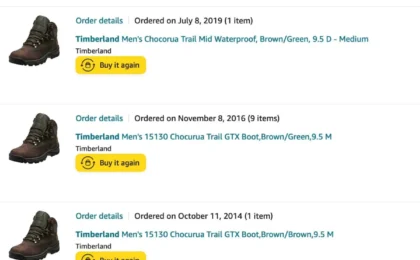
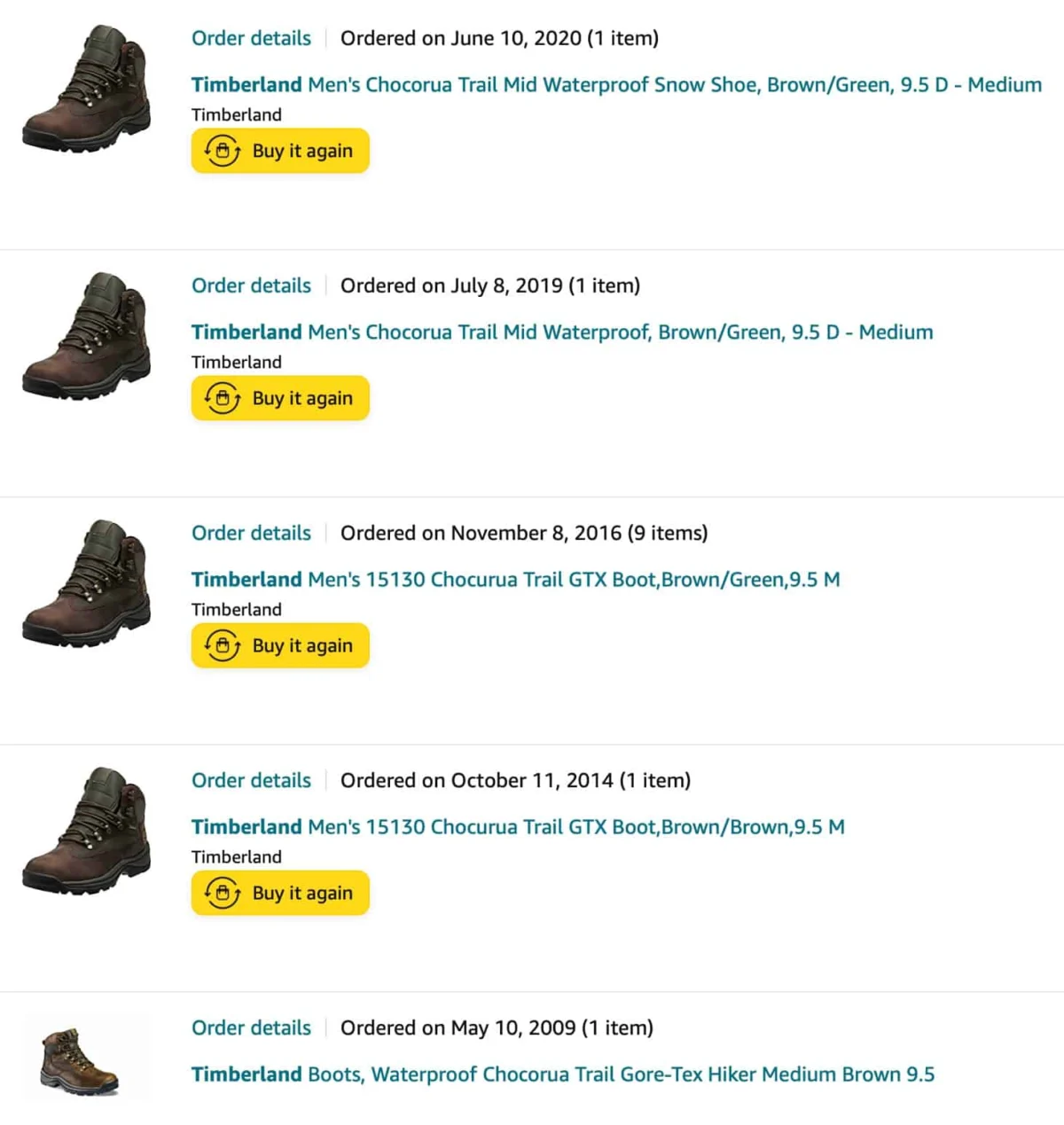
- Long-Term Commitment: Once the "perfect" item is found, the relationship shifts from transactional to loyal. The shopper becomes a repeat customer, effectively eliminating the need for future search cycles.
Supporting Data: Why Satisfaction Increases
The psychological benefits of this approach are grounded in behavioral economics, specifically regarding the "Paradox of Choice." When faced with too many options, consumers experience decision fatigue, which often leads to "buyer’s remorse."
By contrast, self-centered shopping creates a "solution-oriented" mindset. By narrowing the field to only those items that meet a pre-defined set of criteria, the shopper essentially eliminates the noise. When you have already decided exactly what you need, the "paradox" vanishes because you are no longer choosing from a sea of sameness; you are selecting the only tool that fits your specific workflow.
Furthermore, data on impulse spending suggests that this method is an effective barrier against the "retail trap." Many impulse purchases are made because a consumer is browsing without a goal. When a consumer enters a store (physical or digital) with an exact, non-negotiable list of requirements, the temptation to stray into impulse territory diminishes significantly. The focus shifts from "what can I get?" to "does this meet my criteria?"
Implications for Brand Loyalty and Industry
The rise of the self-centered shopper has significant implications for how brands communicate with their audiences.
The Death of "Good Enough"
In the past, brands relied on the fact that if a customer couldn’t find exactly what they wanted, they would settle for the next best thing. Today, that is no longer the case. As niche manufacturers—such as Tom Bihn for travel gear or high-end ergonomic desk manufacturers—gain visibility, they are capturing the loyalty of these "fussy" consumers. Companies that focus on solving specific problems for specific types of users are seeing higher retention rates than those selling mass-market, "all-purpose" goods.
The "Replacement" Cycle
This shopping philosophy changes the lifecycle of goods. Instead of replacing a wallet every five years because it wore out and then buying a new, different one from a department store, the self-centered shopper buys a high-quality product once and remains loyal to that specific model for decades. For companies, this means the customer acquisition cost is higher, but the lifetime value is drastically increased.
Case Study: The Wallet and the Desk
To see the efficacy of this model, consider the example of the minimalist wallet. A consumer who is not a "heavy" user—someone who carries few cards and little cash—is poorly served by standard bi-fold leather wallets. Under the store-centered approach, they would buy whatever was on the shelf, complain about the bulk, and repeat the process in five years.
The self-centered shopper, however, identifies the exact weight, pocket size, and card capacity needed. After rejecting dozens of "knock-offs," they find a specific, minimalist product that fits their life perfectly. That product now "sparks joy," in the words of Marie Kondo, because it was chosen for its utility rather than its availability.
Similarly, the transition from a mass-market, inefficient desk to a bespoke, L-shaped furniture piece demonstrates how upgrading a daily-use tool based on research rather than retail availability can drastically improve professional productivity and satisfaction.
Conclusion: A More Intentional Future
Self-centered shopping is not merely about being "fussy"; it is about being intentional. In an age where we are constantly bombarded with marketing and infinite digital choices, the act of defining one’s own needs is a radical, and ultimately, rewarding form of autonomy.
While it requires more patience and a greater upfront investment of time, the long-term payoff is a life curated with items that actually function for the user. It is a shift away from the "convenience culture" that has dominated the last few decades, pointing toward a future where consumers are more discerning, less wasteful, and far more satisfied with the tools that define their daily lives.
Ultimately, the most important lesson of self-centered shopping is this: you are the best judge of what you need. By taking the time to define your requirements before you begin your search, you move from being a victim of the marketplace to being a master of your own consumption.