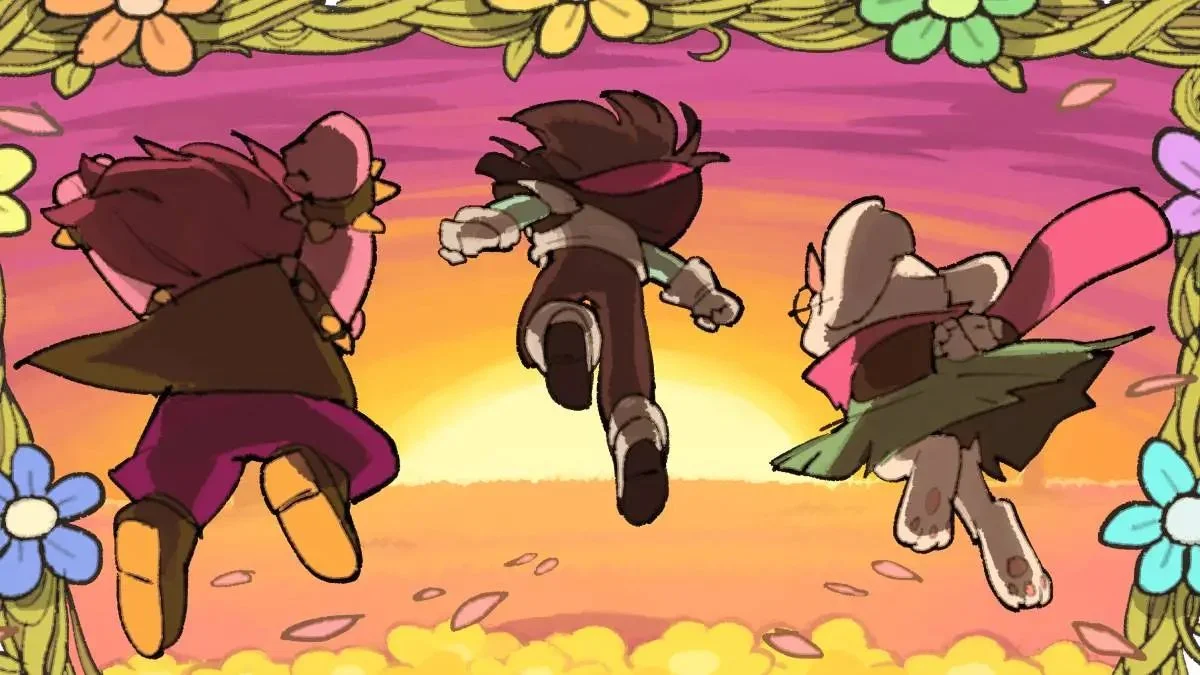
The release of Deltarune Chapter 5 has sent shockwaves through the gaming community, not merely for its gameplay innovations, but for the disturbing thematic trajectory of its optional, hidden narrative path. While the main story—which follows protagonists Kris and Susie through the annual Hometown festival—maintains the whimsical, metacommentary-heavy charm that creator Toby Fox is known for, the so-called "Weird Route" has descended into psychological horror that challenges the boundaries of player agency and digital morality.
What began in Chapter 2 as a sinister manipulation of the character Noelle Holiday has, by Chapter 5, evolved into an unsettling examination of grief, compulsion, and perhaps even the desire to escape the confines of a programmed existence.
The Foundation of Malice: Establishing the Weird Route
To understand the gravity of the events in Chapter 5, one must look back at the origins of the "Weird Route." Drawing inspiration from the "Genocide Route" of Undertale, where players were tasked with systematically dismantling the game’s world, the Weird Route is an alternate, abbreviated progression that requires the player to exploit Noelle’s susceptibility to Kris’s commands.
The route is triggered by forcing Noelle to utilize her ice magic to defeat every enemy encounter in Chapter 2. This manipulation escalates through the acquisition of the ThornRing—a piece of equipment that enables the lethal "SnowGrave" spell. The climax of this path in Chapter 2 resulted in the implied death of the classmate Berdly, setting a precedent that the Weird Route was not simply a challenge run, but a narrative of irreversible trauma.
A Chronology of Escalation: From SnowGrave to the Lake
The progression of the Weird Route across chapters serves as a masterclass in mounting dread.
- Chapter 2: The initial corruption of Noelle. By coercing her into the SnowGrave spell, the player forces her to cross a moral event horizon, effectively weaponizing a character defined by her kindness and empathy.
- Chapter 4: The tension shifts to the domestic sphere. During a school project at Noelle’s home, the player forces her to relive the trauma of the previous chapter. A pivotal, controversial scene involving a rose losing its petals and red, glass-like screen artifacts prompted significant debate regarding its visual metaphors for sexual coercion. Following fan feedback, Toby Fox quietly adjusted this scene in June 2025, though the underlying implication—that the player is systematically breaking Noelle’s spirit—remained intact.
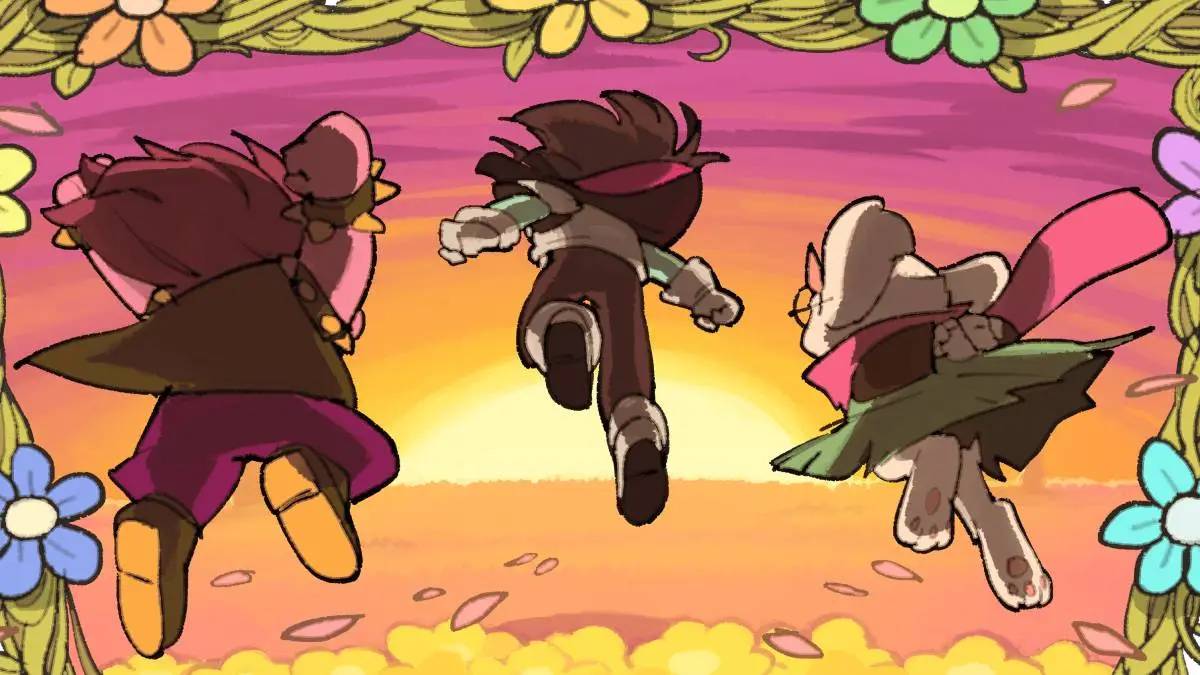
- Chapter 5: The narrative reaches a harrowing new peak. During the Hometown festival, the player guides Noelle and Kris to the lake at sunset. In the main storyline, this is a moment of tenderness and romantic development between Noelle and Susie. In the Weird Route, however, Noelle—under the player’s direct instruction—walks into the water. As the two characters submerge, the screen is consumed by white noise and visual distortion, ending with a cryptic prompt: "Insert Chapter 7 side B."
Analyzing the "Drowning" Sequence: Narrative or Meta-Commentary?
The lake scene in Chapter 5 has become the focal point of intense community analysis. As the characters walk into the water, the player is repeatedly prompted to "proceed." The distortion of Noelle’s character portrait and the aggressive audio-visual cues suggest that the player is not just observing a tragedy, but actively participating in a form of digital erasure.
The appearance of a CRT television screen and the "Chapter 7 side B" prompt has led many to speculate that the Weird Route is, in fact, an attempt by Noelle to break the "fourth wall." If the characters are aware of their status as actors within a game, the Weird Route may represent an attempt to bypass the game’s own code. By pushing the limits of what the game allows—and by forcing Noelle into states that should be impossible—the player is essentially testing the boundaries of the engine itself.
Supporting Data and Community Discourse
The Deltarune subreddit and various community hubs have been flooded with theories attempting to reconcile these events with the overarching plot of the seven-part saga.

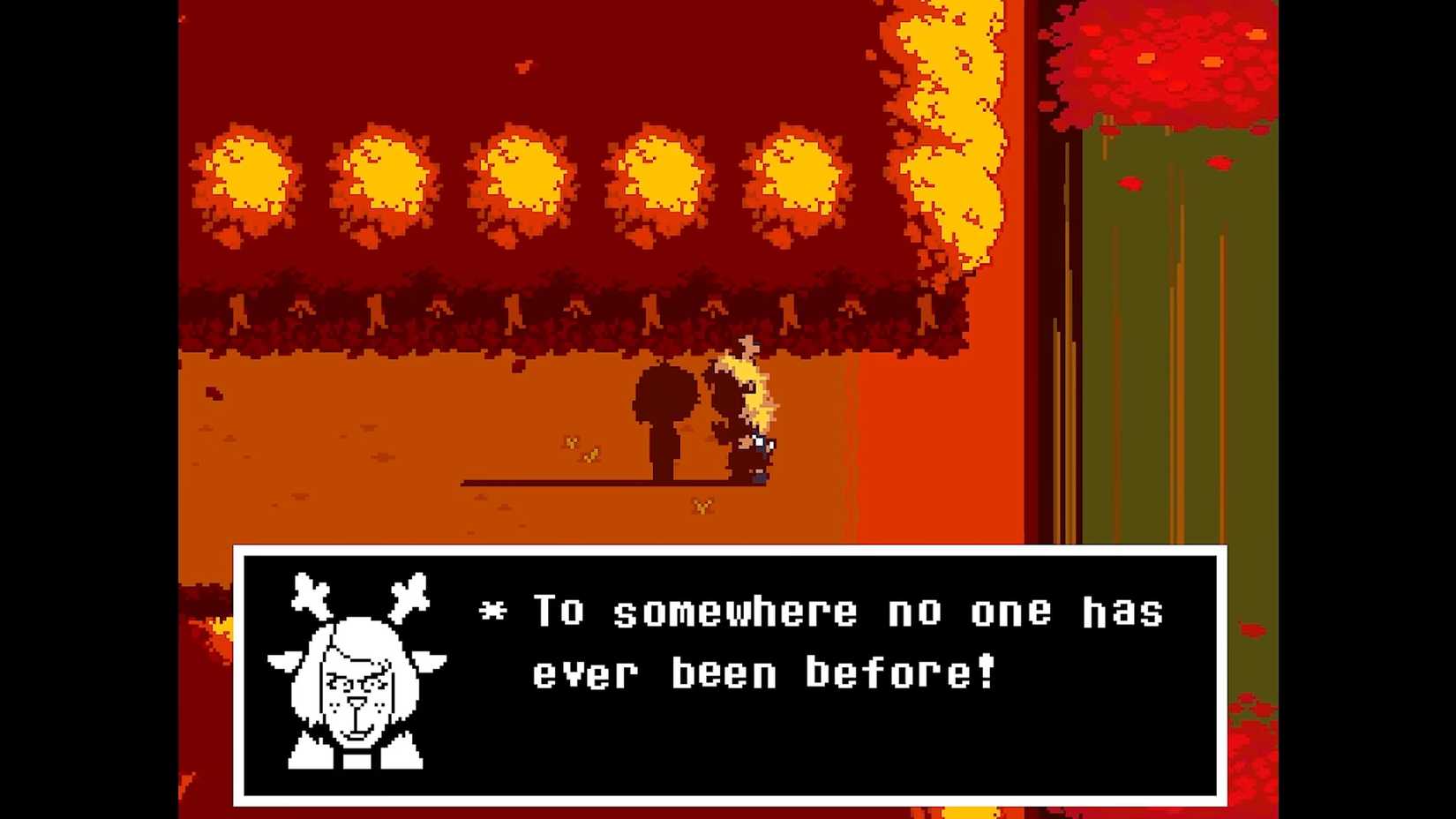
One prominent theory suggests that the Weird Route is an exercise in "metagaming," where the player’s influence over Noelle is a direct allegory for the player’s control over the narrative of a video game. As noted by several prominent community theorists, Noelle’s request to go "somewhere no one has ever been before" may not be a suicidal ideation, but a desperate plea to escape the script written by the developer.
This discourse highlights a crucial aspect of Toby Fox’s design philosophy: he does not merely want the player to play the game; he wants them to confront their role as the architect of the character’s misery. When the player chooses to stop the drowning event by refusing the prompts, it creates a unique moment of "player rebellion," where the game acknowledges the existence of a conscience, provided the player is willing to use it.
The Silence of the Creator
True to his established pattern of communication, Toby Fox has offered no public commentary on the specific events of the Chapter 5 Weird Route or the controversy surrounding the previous chapter’s visuals. This silence is a strategic choice; by allowing the community to dissect the horror of the narrative without official confirmation, Fox preserves the mystery and the subjective nature of the experience.
However, the precision with which he updated the Chapter 4 scene suggests that he is acutely aware of how his narrative choices are perceived. He is not a creator who operates in a vacuum; he is a developer who treats the relationship between the player, the character, and the creator as a tripartite conversation.
Implications for the Future of Deltarune
With Chapter 6 slated for a 2027 release, the implications for the remainder of the series are profound. If the Weird Route is indeed building toward a "Side B" conclusion, the final act of Deltarune may offer two vastly different resolutions: one that adheres to the established logic of the game, and one that results in the total collapse of the game’s reality.
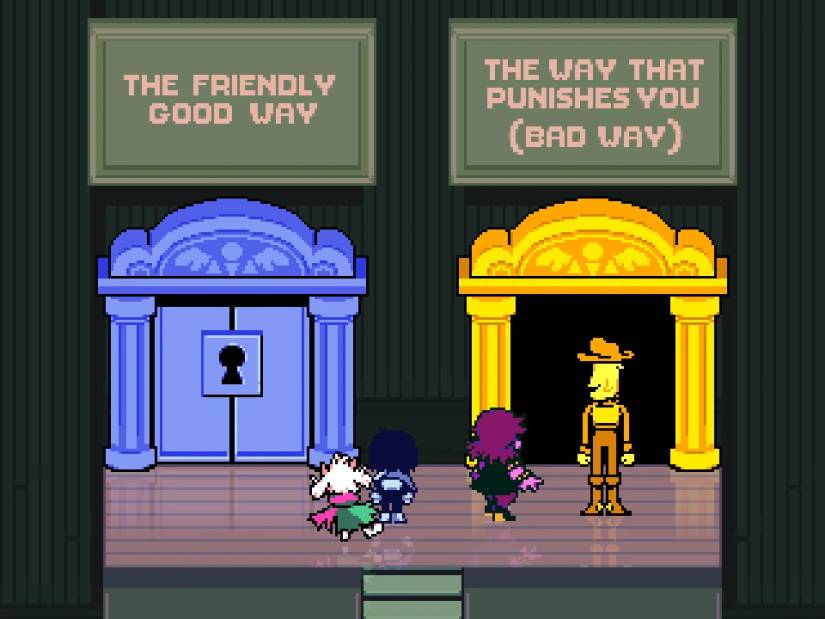
The contrast between the "good" route and the "weird" route is now so stark that they almost feel like two entirely different games. The "good" route offers a coming-of-age story about friendship and overcoming insecurities, while the "weird" route offers a psychological thriller about the horror of unchecked authority.
Conclusion: A Masterpiece of Unease
Deltarune Chapter 5 proves that Toby Fox remains the master of the "cozy-horror" subgenre. By juxtaposing the warmth of a festival with the cold, calculated cruelty of the Weird Route, he forces the player to look in the mirror.
As we look toward Chapter 6 and the eventual conclusion of the saga, one thing is certain: the Weird Route is no longer a fringe curiosity. It is a fundamental, deeply troubling component of the Deltarune experience. Whether this path leads to a meta-narrative revelation or a truly dark finale remains to be seen, but one thing is clear—in the world of Deltarune, your choices do not just matter; they have the power to destroy.
For those brave enough to "proceed," the path ahead is as enigmatic as it is horrifying, and the community will undoubtedly be watching every ripple on the surface of the lake, waiting for the next sign of what lies beneath.