If Ferrari serves as the global benchmark for the performance supercar, then Rolls-Royce stands as the undisputed zenith of automotive luxury. Yet, this position of preeminence is not a product of chance; it is the result of decades of fastidious brand-building, relentless engineering, and, perhaps most crucially, unwavering consistency. While the automotive landscape has been seismically shifted by the rapid rise of Chinese competition, the pivot toward electrification, and the demands of a new generation of high-net-worth individuals, Rolls-Royce has fortified its position at the very peak of the global market.
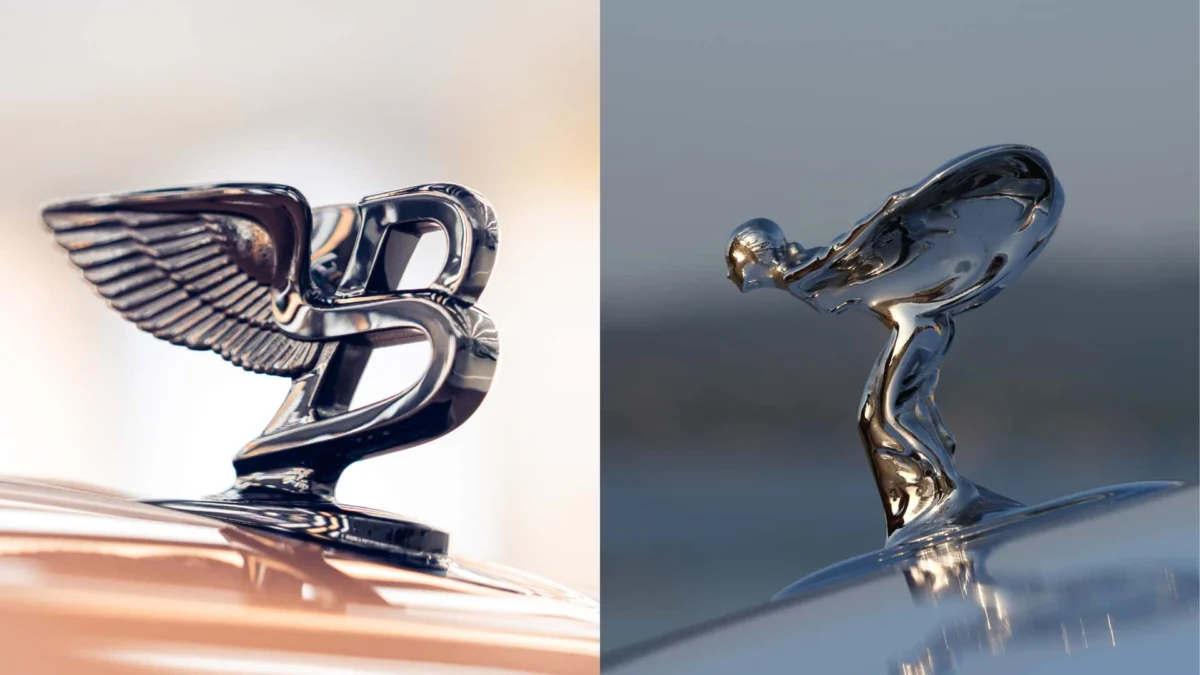
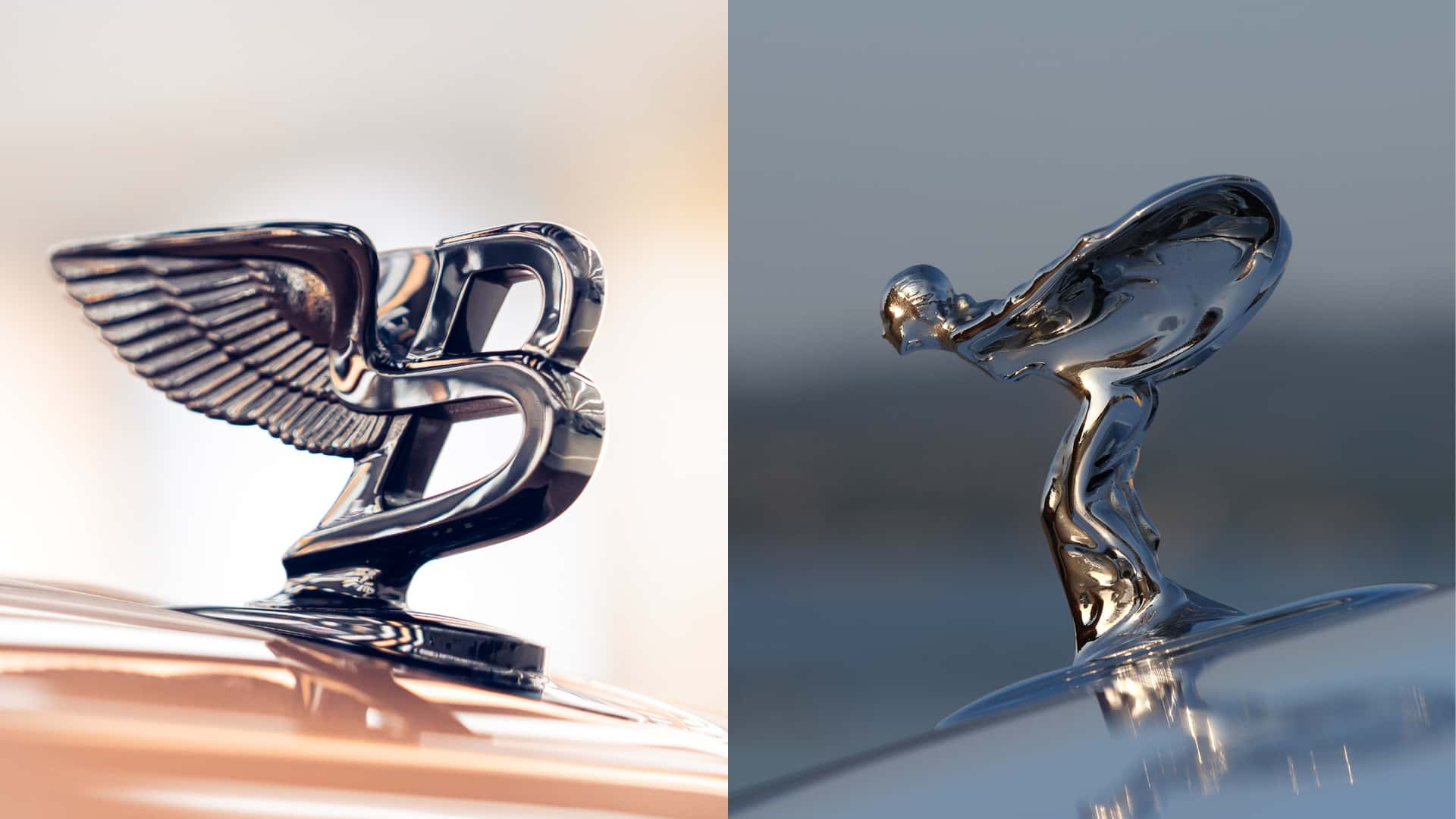
However, the story of modern British ultra-luxury cannot be told without its long-time companion and rival: Bentley. Though the two brands share deep historical roots in the United Kingdom, they have spent the last two decades moving in diverging directions. What began as a battle of prestige has evolved into a strategic separation, with each manufacturer embracing a distinct philosophy of what it means to be a "luxury automaker" in the 21st century.
The Corporate Acquisitions: BMW and Volkswagen Set the Stage
The modern trajectory of both brands was fundamentally altered by the corporate maneuvers of the late 1990s and early 2000s. The landscape of the British luxury industry was reshaped in 1998 when the Volkswagen Group acquired the rights to the Bentley marque, alongside the Rolls-Royce brand. However, this was a complex transition.
By 2003, a decisive shift occurred: BMW secured the rights to the Rolls-Royce name and logo, effectively bringing the brand under the wing of one of the world’s most sophisticated engineering powerhouses. This acquisition provided Rolls-Royce with the technological infrastructure and deep capital reserves necessary to transition into a new era of ultra-exclusivity.
Bentley, meanwhile, remained under the Volkswagen Group’s umbrella. This provided the Crewe-based manufacturer with the scale of a global automotive giant, allowing it to leverage shared platforms and modular architectures. Consequently, while Rolls-Royce moved toward a model of bespoke, low-volume, high-margin production, Bentley evolved into a global luxury powerhouse with a broader appeal and a more diverse product portfolio.
Chronology of Growth: The 2000s Boom
The early 2000s were a period of aggressive expansion for both marques. In 2003, the market for ultra-luxury vehicles was still relatively nascent, particularly in the United States and emerging markets. At that time, Bentley held a significant lead in terms of volume, delivering 1,017 cars worldwide—roughly 3.4 times the output of Rolls-Royce.
As both brands tapped into the growing wealth of the early 2000s, their sales numbers began to climb at an unprecedented rate. By 2007, the industry witnessed a watershed moment: both companies set all-time sales records. Rolls-Royce managed to eclipse the 1,000-unit milestone for the first time in its modern era, while Bentley shattered expectations by breaking the 10,000-unit mark.
The growth continued unabated through the end of the decade. By 2010, Rolls-Royce’s sales had grown nearly ninefold compared to its 2003 figures. Bentley’s growth, while structurally different, was equally impressive, with sales volume increasing fivefold over the same period. Despite this, the gap in scale remained. In 2011, for instance, Bentley delivered 7,003 cars, while Rolls-Royce produced 3,538. This disparity was not a failure of strategy; rather, it was a reflection of the brands’ differing market positions. Bentley sought to serve the wider luxury segment with a broader, more accessible lineup, while Rolls-Royce doubled down on the ultra-exclusive "pinnacle" segment.
The SUV Pivot: A Game-Changer for Both Brands
The mid-2010s represented the next great shift in the luxury automotive sector: the inevitable rise of the high-end SUV. Both brands realized that to remain relevant to modern consumers, they had to move beyond the traditional limousine.
Bentley’s entry into the space with the Bentayga in 2015 was a tactical masterstroke. It provided the brand with a versatile, daily-drivable vehicle that appealed to a much wider demographic. Rolls-Royce responded in 2018 with the Cullinan. While the Cullinan arrived later, its impact on the brand was transformative. The SUV format, combined with the "magic carpet ride" engineering signature of the marque, proved to be an instant hit among the ultra-wealthy.
By 2019, just before the global pandemic, the landscape had shifted significantly. Bentley was selling approximately 2.3 cars for every one Rolls-Royce. Both brands were reaching new heights of commercial success, but the market was beginning to notice that Rolls-Royce was closing the gap in ways that suggested it was gaining market share at the very top of the food chain.
Supporting Data: The Shrinking Gap
The most compelling metric in this ongoing rivalry is the sales ratio. Last year, the ratio between the two brands fell to an all-time low of 1.8 Bentleys for every one Rolls-Royce. This represents a staggering shift from the 3.4 ratio seen in 2003.
While Bentley continues to move higher total volumes, Rolls-Royce has demonstrated a superior ability to scale its business without diluting its brand equity. The success of the Cullinan is the primary driver of this trend. Luxury buyers have demonstrated a clear preference for SUVs that offer both status and utility, and Rolls-Royce has successfully translated this demand into record-breaking revenue.
Furthermore, the introduction of the Spectre—the brand’s first fully electric model—has allowed Rolls-Royce to pivot toward the future of electrification without the perceived "cost-cutting" baggage that mass-market brands face. By positioning the Spectre as a tech-forward masterpiece rather than just an EV, Rolls-Royce has maintained its premium pricing power.
Implications: A Tale of Two Philosophies
The divergence in the paths taken by Rolls-Royce and Bentley is a masterclass in corporate strategy. Bentley’s inclusion in the Volkswagen Group means it must navigate the same systemic pressures as the rest of the VW empire—electrification mandates, carbon-neutrality targets, and the high-cost transition of global manufacturing. Bentley is, in many ways, a "global citizen" of the automotive world, balancing its rich heritage with the cold, hard realities of a high-volume manufacturing conglomerate.
Rolls-Royce, under the BMW Group, operates with a different mandate. Its focus remains squarely on the ultra-wealthy, where scarcity and personalization are the ultimate commodities. By keeping production volumes limited and focusing on "Project Nightingale" levels of customization, Rolls-Royce has insulated itself from the volatility that often impacts larger manufacturers.
The Path Forward: Are They Still Rivals?
The evidence suggests that the rivalry between Rolls-Royce and Bentley has effectively transitioned into a non-compete. They are no longer fighting for the same customer in the same way. Bentley has become the ultimate "accessible" luxury automaker, providing a high-performance, refined experience that bridges the gap between premium cars and true super-luxury. Rolls-Royce, conversely, has moved further upmarket, establishing itself as a purveyor of "luxury goods" that happen to have wheels.
The fact that Rolls-Royce is closing the sales gap with Bentley—despite maintaining significantly higher price points—is a testament to the strength of its current strategy. While Bentley must reconcile its heritage with the challenges of a massive, multinational parent company, Rolls-Royce continues to lean into its status as a paragon of exclusivity.
For the industry, the lesson is clear: in the world of high-end luxury, the brand is the product. Whether it is through the electrification of the Spectre or the continued expansion of the Bentayga line, both brands remain vital pillars of the British automotive legacy. However, as they move forward, it is increasingly evident that they are playing two entirely different games. Bentley is aiming for global leadership in the luxury sector, while Rolls-Royce is aiming for something much more difficult to define, yet much more lucrative: the status of being the only choice for the world’s most discerning consumers.
As these two icons navigate the shifting tides of the 2020s, the automotive world will be watching closely. Whether they remain locked in a historical rivalry or drift into separate corners of the luxury market, their impact on the history of the automobile is already cemented. For now, the "Great Divergence" continues, and both brands, in their own unique ways, remain at the top of the world.