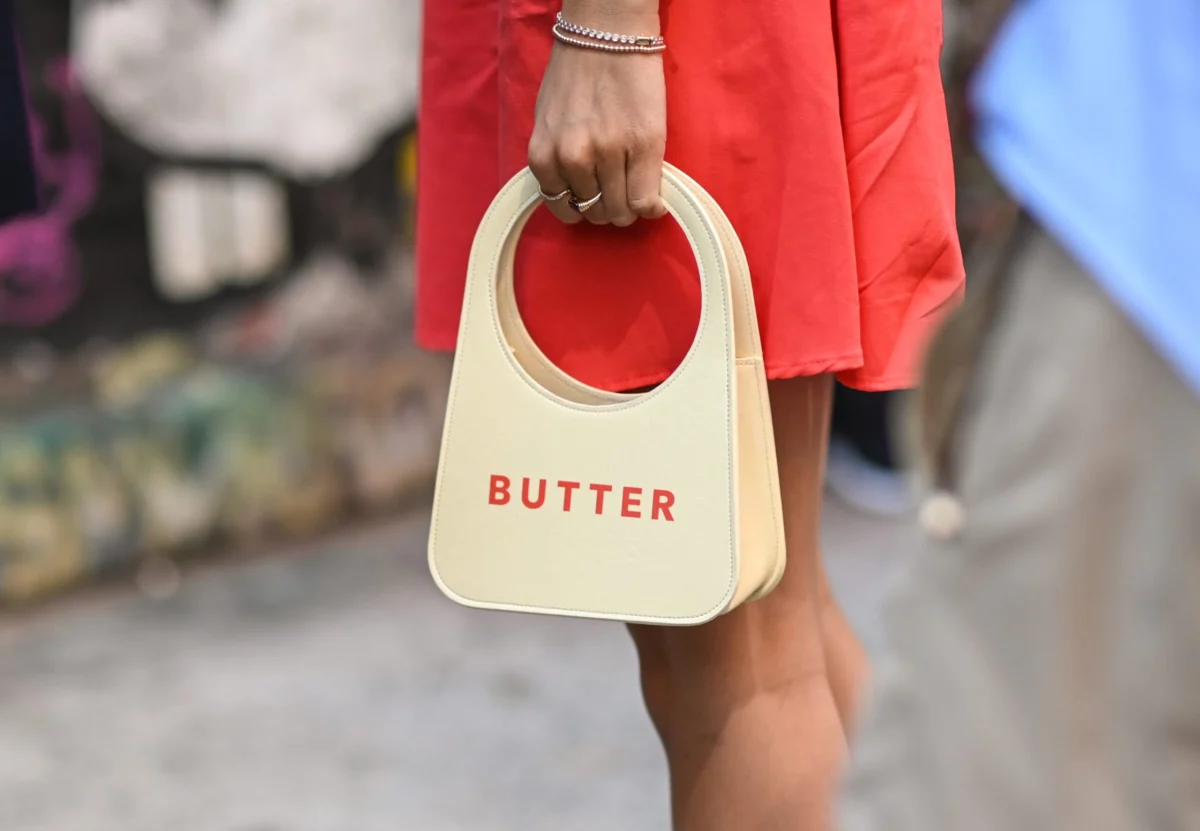
In the sweltering heat of the summer of 2026, a singular, peculiar shade has blanketed the American consumer landscape. It is visible on the manicured nails of commuters in Manhattan, in the flowing sundresses of suburban mothers, and across the digital storefronts of global retail giants. This color—a soft, queasy, yet strangely comforting hue known as "butter yellow"—has transcended mere fashion to become a profound psychological marker of a nation in flux.
While the shade might resemble nothing more than a refrigerated stick of dairy, its emergence as the defining aesthetic of 2026 is no accident. It represents the intersection of millennial nostalgia, Gen Z’s fascination with retro-futurism, and a collective psychological retreat from an era dominated by AI-driven anxiety and economic turbulence.
Main Facts: The Chromatic Takeover of 2026
The "butter summer" phenomenon is a multi-sector trend that has unified high fashion, mass-market retail, and digital media. According to search data, interest in "butter yellow dress" and "butter yellow nails" reached all-time highs in June 2026. This marked the third consecutive year the color has seen seasonal growth, but 2026 saw a "breakout" moment where search volume for "butter summer" more than doubled in a single week.
The trend is anchored in several key areas:
- High Fashion: Major houses, including Chanel and Valentino, integrated butter yellow into their Spring/Summer 2026 runway collections, signaling a move away from the "Barbiecore" pinks and "Quiet Luxury" neutrals of previous years.
- Mass Retail: Amazon and other major e-commerce platforms have aggressively stocked accessories and apparel in the shade, responding to real-time search spikes.
- Beauty and Lifestyle: Publications such as Elle and The Zoe Report have officially designated butter yellow as the dominant nail color of the year.
- Media Consumption: A curious "retro-stream" effect has taken hold, with audiences flocking to 1990s domestic comedies like Father of the Bride, seeking out what social media has dubbed "90s butter mom" aesthetics.
Chronology: The Rise of a Pale Yellow Empire
The journey of butter yellow from a niche interior design accent to a national obsession followed a precise, multi-year trajectory.
2024–2025: The Latent Signal
The seeds of the trend were sown two years ago. Trend forecasting firms like WGSN began detecting a shift in consumer preference toward "grounding" colors. During this period, small batches of butter-yellow garments began appearing in "slow fashion" circles, often associated with linen and organic materials. This was a response to the post-pandemic fatigue of neon and high-saturation colors.
Spring 2026: The Institutional Pivot
The trend solidified during the Spring 2026 fashion weeks. Designers pivoted toward "warmth and approachability." By March 2026, Pinterest boards were flooded with images of cream-toned kitchens and vintage floral patterns. It was during this window that the "90s butter mom" trope began to trend on TikTok and Instagram, celebrating the soft-lit, suburban domesticity of the late 20th century.
June 2026: The Algorithmic Peak
By early June, the trend hit critical mass. Search interest hit its apex as consumers prepared for summer vacations. The "Butter Summer" was born. This month also saw a peculiar spike in searches for "pineapple Kool-Aid" and other yellow-hued childhood staples, indicating that the color had successfully bridged the gap from fashion to flavor.
Supporting Data: The Economics of Comfort
The ubiquity of butter yellow is supported by significant economic shifts and consumer spending data. Economists often view aesthetic shifts as countercyclical signals—patterns that emerge when the public is seeking psychological relief from external stressors.
The "Lipstick Effect" Reimagined
Historically, the "lipstick effect" suggests that during economic downturns, consumers forgo big-ticket items like cars or homes in favor of small, affordable luxuries. In 2026, this impulse has become chromatic. Rather than buying new homes, consumers are buying $15 butter-yellow nail polish or $40 sundresses. A 2019 study in the Journal of Retailing and Consumer Services noted a significant rise in cosmetic spending among women aged 18–40 during the 2008 recession; 2026 is seeing a digital-age version of this, where the "luxury" is the aesthetic itself.
Millennial Purchasing Power
The demographic driving this trend is the Millennial cohort, now aged 30 to 45. This group is currently in its peak household spending years.
- Spending Volume: Millennials now account for $1.127 trillion in annual retail spending, or 28.3% of the U.S. total.
- Per Capita Spending: The average Millennial spends $31,256 per year on retail, which is 6.16% higher than the national average.
- Homeownership Trends: Despite high interest rates, younger Millennials are seeing the steepest jump in homeownership, leading to an increased focus on "nesting" and domestic aesthetics.
The Algorithmic Feedback Loop
Data from WGSN shows that global searches for "butter yellow" surged 324% year-over-year between February and May 2026. This surge was accelerated by algorithmic recommendation engines. Once a user engages with a single "butter" themed post on Pinterest or Instagram, the algorithm surfaces similar content across Amazon and streaming services, creating a synchronized "national moment" that feels organic but is technologically manufactured.
Official Responses and Expert Analysis
Industry leaders and color experts have weighed in on why this specific shade has captured the American imagination.
The Psychological Register
The Pantone Color Institute’s framework for color psychology suggests that warm, creamy tones communicate safety and nurturing. Leatrice Eiseman, a leading color specialist, notes that butter yellow evokes "Sunday mornings rather than Monday earnings calls." It is a rejection of the "boardroom aesthetic" in favor of the kitchen and the garden.
The Corporate Strategy
Google’s 2026 consumer research highlights a pervasive sense of "emotional fatigue" among the public. Their report suggests that consumers are "prioritizing immediate rewards and experiences that enhance present wellbeing." In response, brands have pivoted their marketing to emphasize "human substance."
Razorfish’s 2026 consumer trends report found that 63% of consumers say AI makes them value "human-made" things more. Butter yellow, with its tactile, handcrafted associations, fits this demand perfectly. "It’s a paradox," says one Razorfish analyst. "Consumers are using AI-driven platforms to find an aesthetic that helps them forget about AI."
The Counter-Argument: A Signal of Anxiety, Not Recession
However, not all analysts agree that the butter yellow trend is a precursor to a financial crash. A 2025 meta-analysis by Style Analytics used 20 years of Google Trends data to find that the fashion indicators most tightly correlated with actual recessions are mini-skirts and blazers—sharp, structured items.
The researchers concluded that while soft, nostalgic tones like butter yellow indicate that people feel economically squeezed and anxious, they do not necessarily confirm that a recession is underway. Instead, it is a "coping performance" for a consumer class that is materially stable but psychologically exhausted.
Implications: What the Butter Signal Portends
The "Butter Summer" of 2026 offers several lessons for the future of the vibe economy and brand-consumer relationships.
1. The Era of "Coping Aesthetics"
As the world becomes more digitized and AI-saturated, the demand for "warm" and "human" aesthetics will likely grow. Butter yellow is likely the first of many "comfort cycles" where consumers use color to regulate their emotional states. Brands that can tap into this psychological hunger for slowness and warmth will outperform those that focus purely on utility or "high-tech" branding.
2. The Compression of Trends
The speed with which butter yellow moved from the runway to the local nail salon—and into the streaming queues of millions—demonstrates how algorithms have compressed the cultural lifecycle. What used to take years to permeate the national consciousness now takes months or even weeks. This requires supply chains to be more agile than ever before, as "vibe" shifts can happen almost overnight.
3. The Nostalgia Premium
For Millennials, nostalgia is no longer just a sentimental feeling; it is a primary driver of peak-year spending. The "90s butter mom" aesthetic is an aspirational look back at a time that felt more stable and "real." Brands that can successfully monetize childhood memories—whether through flavors like pineapple Kool-Aid or the visual warmth of Father of the Bride—will find a highly receptive and high-spending audience.
4. The "Fine but Fragile" Consumer
Finally, the butter yellow phenomenon highlights a unique segment of the 2026 population: the "fine but fragile" consumer. These are individuals who are financially capable of spending but are psychologically taxed by the rapid pace of technological change and global uncertainty. They aren’t looking for products that challenge them; they are looking for products that hug them.
In conclusion, butter yellow is more than a color. It is a visual sedative for a high-speed age. As America paints its nails and wears its sundresses in this "queasy" shade of yellow, it is collectively whispering a desire for a simpler, slower, and creamier reality. Whether the economy follows the "butter" signal into a soft landing or a melt remains to be seen, but for now, the vibe is decidedly yellow.