In a stark reminder of the human cost of the global climate emergency, Amnesty International has issued a chilling report detailing the systematic human rights abuses faced by Angolan citizens fleeing to Namibia. Driven by a relentless, multi-year drought that has decimated local agriculture and livestock, thousands of Angolan women and children have crossed the border in search of survival, only to find themselves trapped in a legal vacuum where they face detention, state-sanctioned harassment, and the constant threat of unlawful deportation.
The report, released this week, serves as both an indictment of current immigration policies in Southern Africa and a desperate plea for international climate justice. As the world grapples with the escalating impacts of global warming, the situation on the Angola-Namibia border provides a harrowing preview of the "climate refugee" phenomenon—a reality for which neither national legal frameworks nor international aid mechanisms are currently prepared.
The Anatomy of a Displacement Crisis
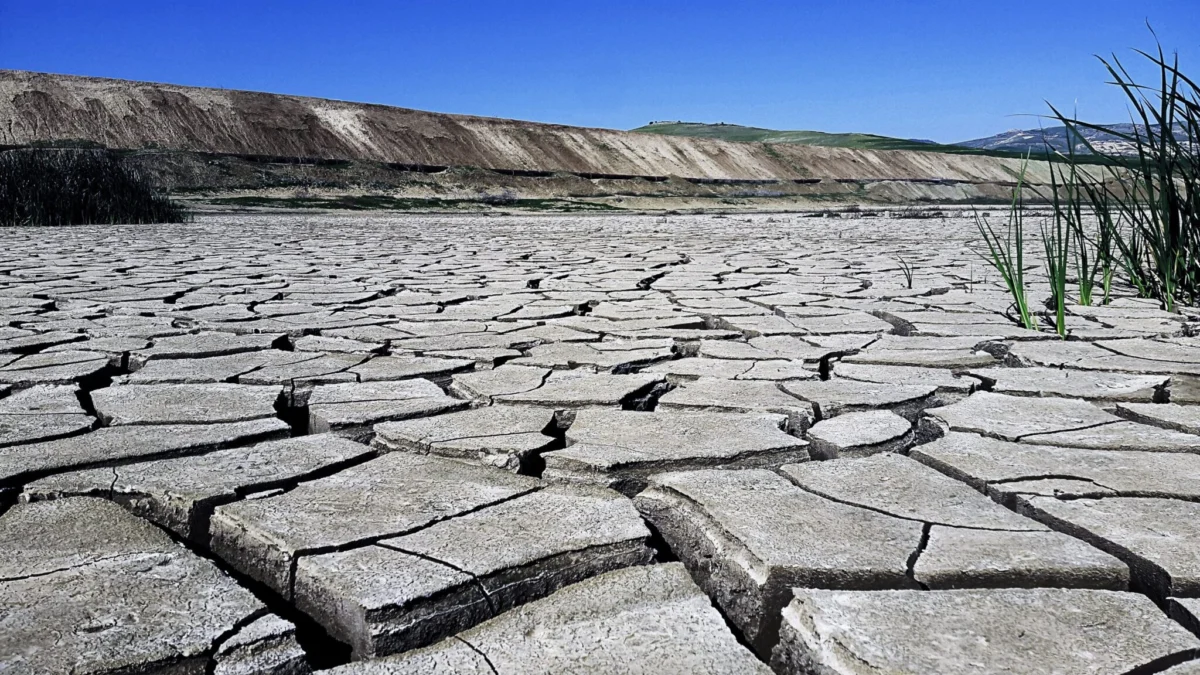
The exodus from southern Angola is not a matter of choice; it is a matter of survival. For years, the region has been subjected to severe, recurring droughts exacerbated by the cyclical El Niño weather pattern. These environmental stressors have acted as a threat multiplier, pushing already vulnerable communities past their breaking point.
The Breakdown of Traditional Livelihoods
For generations, communities in southern Angola have relied on subsistence farming and nomadic pastoralism. However, the current climatic shift has transformed fertile lands into dust bowls. Crops have failed consecutively for several seasons, and the death of livestock—the primary form of capital and food security for many families—has stripped the population of their economic foundation.
Amnesty International’s investigation notes that structural vulnerabilities in the Angolan state, including limited investment in climate adaptation and a heavy reliance on donor-funded emergency aid, have left rural populations essentially defenseless against these environmental shocks. When the rains fail, the state has no robust safety net to catch those who fall.
The Journey into Legal Limbo
Driven by hunger and the collapse of their local economies, over 7,000 Angolan nationals have sought refuge across the border in Namibia. However, upon arrival, they are not met with the protections afforded to asylum seekers under international law. Instead, they are categorized as economic migrants, a label that strips them of the rights guaranteed to those fleeing life-threatening conditions.
Because Namibian immigration law lacks provisions for climate-induced displacement, these individuals are unable to regularize their status. They remain in a state of perpetual illegality, which serves as a justification for the authorities to deny them access to basic healthcare, clean water, and formal education for their children.
Chronology of the Crisis: From Drought to Displacement
To understand the current crisis, one must look at the timeline of events that have led to this point of mass migration:
- 2020–2022: Southern Angola experiences some of its lowest rainfall levels in four decades. The UN and regional bodies begin issuing warnings regarding food insecurity.
- 2023: The intensification of El Niño conditions leads to widespread crop failure. Local markets in southern Angola report a 60% decline in grain availability.
- 2024: The first major waves of families begin crossing into Namibia, settling in informal camps near the border.
- Early 2025: Amnesty International begins monitoring reports of mass arrests and deportation of Angolan nationals by Namibian security forces.
- Mid-2025: Local NGOs in Namibia report that the influx of displaced people has strained local services, leading to increased tensions between host communities and new arrivals.
- September 2026: Amnesty International publishes its formal report, calling for an immediate moratorium on deportations and a fundamental shift in regional migration policy.
Supporting Data: The Scale of the Suffering
The data provided by international observers highlights the severity of the humanitarian emergency:
- Displacement Numbers: Over 7,000 documented Angolan nationals are currently residing in precarious conditions within Namibia, the vast majority being women and children.
- The Climate Link: Studies indicate that the frequency of extreme weather events in Southern Africa has increased by 40% since the turn of the century.
- The Finance Gap: Estimates suggest that Southern African nations require at least $50 billion annually in climate adaptation funding to mitigate the impact of drought; currently, only a fraction of this—less than 15%—is being provided by the international community.
- Human Rights Violations: Amnesty reports a 30% increase in the detention of undocumented Angolans in Namibian border regions over the past 12 months, with many cases involving the separation of families during deportation processes.
Official Responses and the Call for Reform
The response from regional authorities has been largely administrative, focusing on border security rather than humanitarian assistance. Namibian authorities have maintained that they must prioritize national sovereignty and the security of their own citizens, particularly given the strain on domestic resources.
However, Tigere Chagutah, Amnesty International’s Regional Director for East and Southern Africa, has pushed back against this narrative, arguing that the climate crisis necessitates a new approach to human mobility.
A Rights-Based Approach
"Namibian authorities must establish a rights-based approach to migration," Chagutah stated during the report’s launch. "Ensuring that people displaced by drought and other natural disasters can access basic rights, including registration and documentation, is not just a matter of charity—it is a legal obligation under international humanitarian principles."
Amnesty International has issued a three-point demand to the Namibian government:
- Cease and Desist: An immediate halt to the deportation of Angolan nationals until individual assessments can be conducted to ensure that return does not pose a threat to life.
- Legal Regularization: The creation of a temporary humanitarian visa or protection status for those fleeing climate disasters, allowing them to work and access public health services.
- Human Rights Monitoring: Independent oversight of border detention centers to prevent physical abuse and ensure the humane treatment of women and children.
Global Implications: Climate Justice and the "Polluter Pays" Principle
The crisis in Southern Africa is a microcosm of a much larger, global injustice. High-emitting countries in the Global North, which have historically contributed the most to the carbon emissions currently driving global temperature rises, have largely failed to meet their commitments to the Loss and Damage funds promised at successive COP summits.
The Responsibility of High-Income Nations
The report highlights that the failure to provide adequate climate finance is not just a bureaucratic oversight; it is a direct contributor to the instability in regions like Angola. Without international funding to build resilient infrastructure—such as drought-resistant irrigation systems and sustainable water storage—countries like Angola are essentially being abandoned to the consequences of a climate disaster they did not create.
"High-income and high-emitting countries must contribute to providing adequate climate finance," the report asserts. "The burden of climate change-driven events remains disproportionately heavy in Africa, where countries like Somalia and Angola are facing existential threats while global climate finance strategies remain riddled with shortcomings."
Conclusion: A Turning Point for International Law
The plight of the Angolan families in Namibia represents a pivotal moment for international law. For decades, the definition of a "refugee" has been tied to persecution based on race, religion, nationality, or political opinion. The current situation demands an expansion of this definition to recognize the reality of climate-induced displacement.
If the international community continues to treat climate refugees as an inconvenience of immigration policy rather than a consequence of a global emergency, the cycle of misery will only intensify. Namibia, as a host country, is on the front lines of a changing world. Whether it chooses to uphold human rights or enforce rigid, outdated borders will determine the fate of thousands.
Ultimately, the resolution of this crisis requires more than just local policy changes. It requires a global acknowledgement that climate change is a human rights issue. Until the world’s major emitters take responsibility for the damage their industrial activities have wrought on the Global South, the images of women and children fleeing their homes in search of a drop of water will remain the defining, and most tragic, symbol of the 21st century.