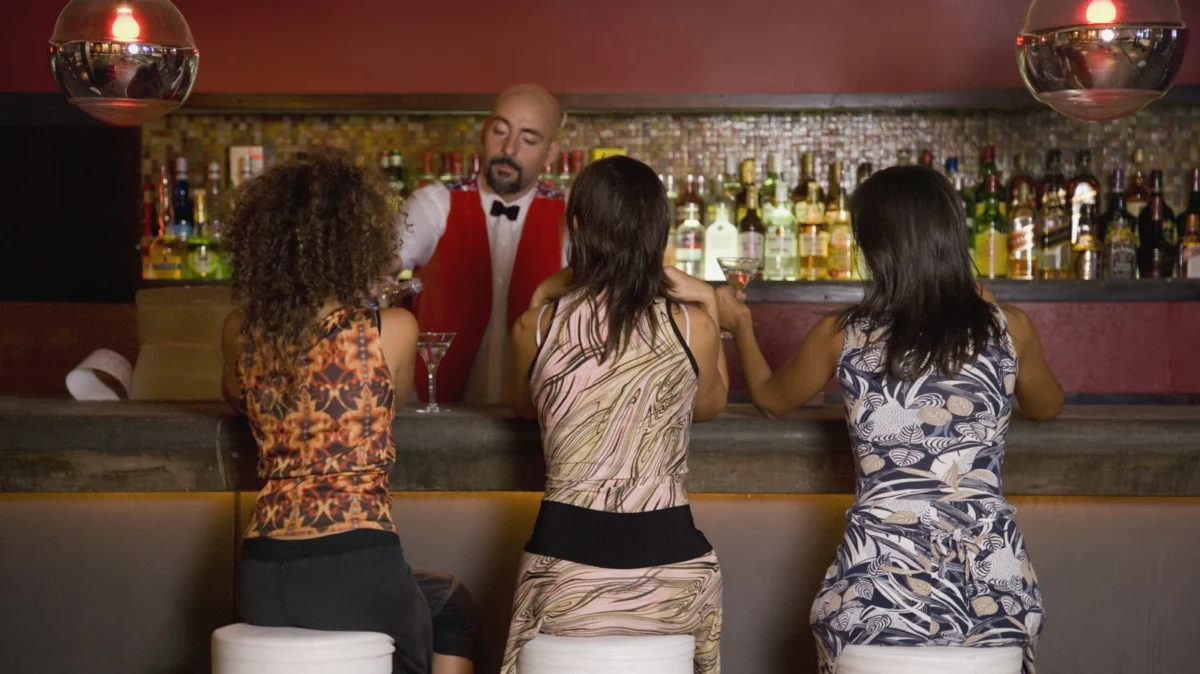
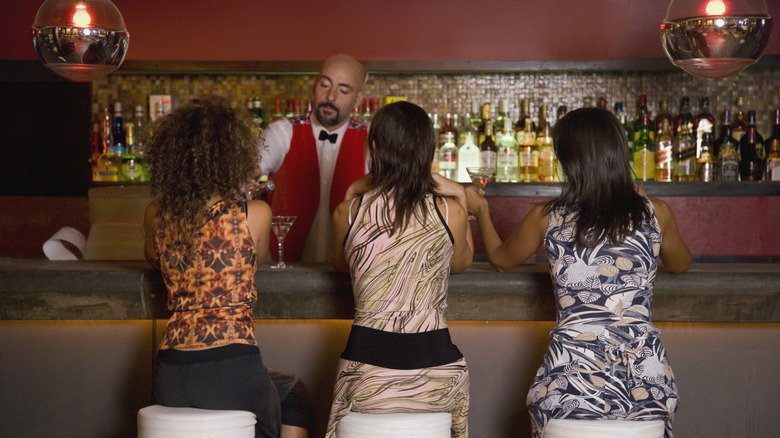
For many, the act of ordering a cocktail can feel like a high-stakes performance. Whether you find yourself in a dimly lit speakeasy or a bustling resort lounge, the pressure to choose the "right" drink—or to order it in the "correct" way—can be enough to make even the most seasoned socialite retreat to the safety of a bottled beer or a standard glass of wine. However, the world of mixology is designed for enjoyment, not intimidation.
To demystify the bar experience, we consulted a diverse panel of industry experts, ranging from high-end resort beverage directors to seasoned neighborhood bartenders. By following these professional insights, you can approach the bar not as an outsider, but as an informed guest ready to savor the craft of the cocktail.
The Fundamentals of Ordering: The "Spirit-First" Rule
The most common point of confusion for casual drinkers is the syntax of an order. While it may seem like a minor detail, the structure of your request provides a roadmap for the bartender.
Name Your Liquor First
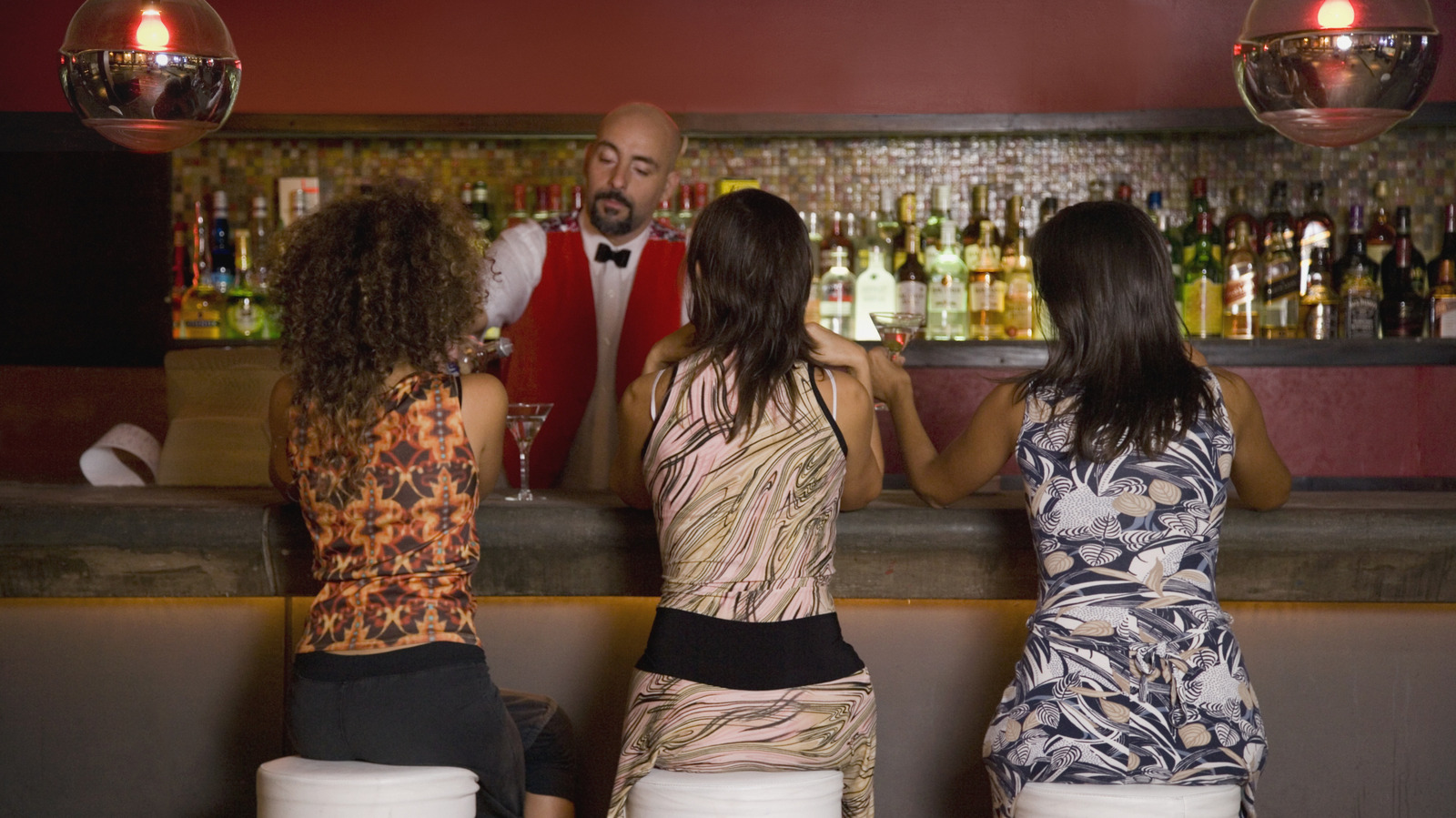
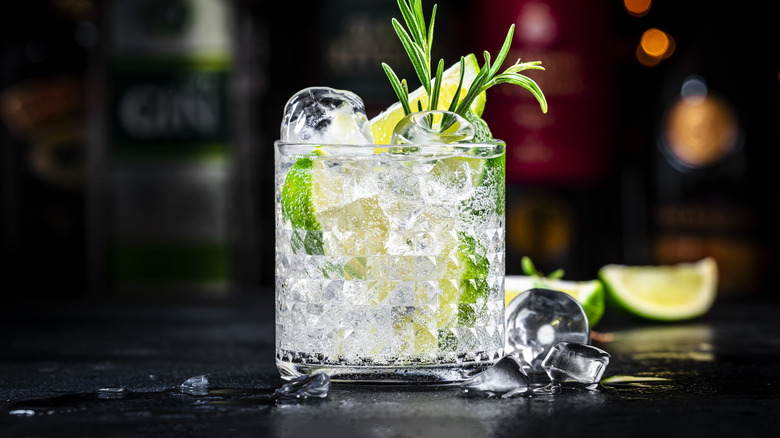
When ordering a classic highball or a simple two-ingredient drink, the golden rule is to lead with the spirit. "Bartenders consider the spirit used as a base," explains Lucas Huff, U.S. spirits ambassador for Foley Family Wines & Spirits. "If you think of it that way, start at the bottom and work your way up!" Ordering a "vodka soda" or "gin and tonic" creates an immediate, logical sequence that allows the bartender to grab the bottle, the glass, and the mixer in one fluid motion.
Handling Named Classics and Modifications
If you are ordering a complex, named cocktail—such as a Negroni, a Manhattan, or an Old Fashioned—you generally do not need to list the ingredients. Simply stating the name is sufficient. However, if you wish to put a personal spin on a classic, the "spirit-first" rule returns. According to Dale Dcruz, director of food and beverage at the Grand Hyatt Grand Cayman Resort & Spa, saying "Bourbon Manhattan" or "Mezcal Negroni" is the most efficient way to communicate a modification. By placing the spirit at the start, you clarify the deviation from the standard recipe before the bartender even begins the pour.
Personalization: When to Name Your Brand
A frequent question among bar-goers is whether they should specify a brand of liquor. The answer is a resounding "yes," provided you have a preference.
The Power of Preference
If you have a particular affinity for a specific brand—such as preferring Tito’s in your vodka soda—don’t hesitate to say so. Carla Rivera, an event service captain at Constellation Culinary Group, notes that failing to specify often forces the bartender to make a choice. "If you simply say ‘vodka tonic,’ it then becomes the bartender’s responsibility to ask whether you have a preference," she explains. Specifying your brand not only ensures you receive a drink you enjoy but also streamlines the interaction, allowing the bartender to focus on the preparation rather than the interrogation.
Understanding "Well" vs. "Call"
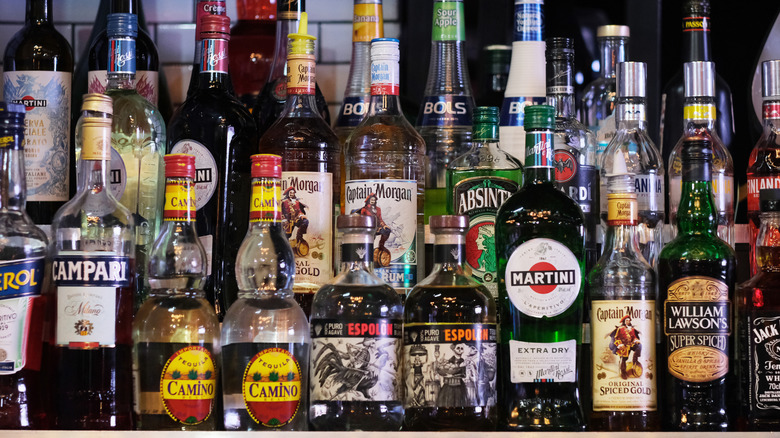
When a guest doesn’t specify a brand, the bartender will typically reach for the "well" liquor—the house-poured, usually entry-level spirit. While these are perfectly functional for most mixed drinks, Jessica Hazuda, lead bartender at The Albion Summit and Felina Summit, notes that if you are looking for a higher-quality experience, you should ask for a "call" or "premium" brand. However, Jay Kurtz of the Jade Bar advises against asking, "What is your cheapest drink?" Instead, he suggests asking what premium options are available, which signals a more refined appreciation for the craft.
Curating Your Experience: Flavor Profiles and Nuance
If you aren’t sure what you want, you don’t need to be a mixologist to get a great drink. You only need to be an effective communicator of your own palate.
Communicating Direction
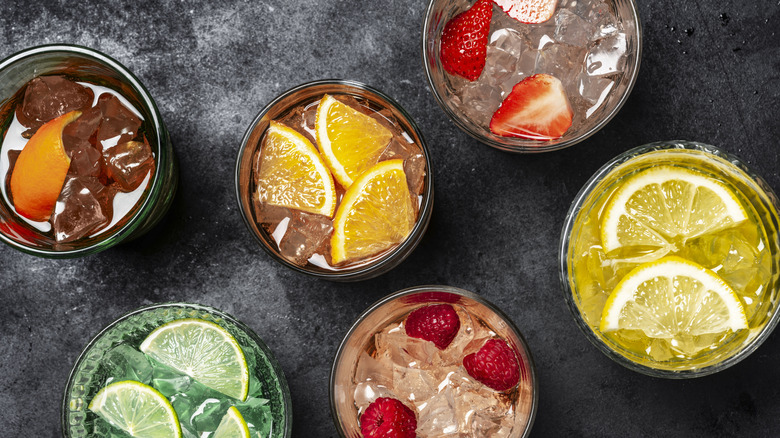
The most helpful information you can provide is not a list of ingredients, but a description of your preferred flavor profile. Are you in the mood for something tart, sweet, bitter, or spirit-forward? Do you prefer your drink "up" (chilled and strained, no ice) or "on the rocks" (poured over fresh ice)?
"If you don’t know what you like, try describing what you don’t like," suggests Edgar Morales of Sobra Masa in Brooklyn. "The more descriptors, the better." By telling a bartender, "I’d like something tequila-based that isn’t too sweet," you provide a boundary within which they can exercise their creative expertise.
The Role of the Menu
If the choices remain overwhelming, look to the menu. Most cocktail programs are designed as a curated selection of house specialties. "If a bar has a cocktail menu, I generally recommend starting there," says Dcruz. These menus are often a reflection of the staff’s specific strengths and the bar’s unique identity. They represent "tried and true" flavor combinations that the staff is practiced in executing to perfection.
The Etiquette of Customization
There is a fine line between a custom request and an unreasonable demand. While most bartenders enjoy the challenge of a creative request, timing is everything.
Know When to Ask
During a slow Tuesday afternoon, a bartender may be happy to experiment with a custom drink. During a slammed Friday night shift, however, requesting a drink that requires extensive muddling, specialized ingredients, or a complex, off-menu process is generally discouraged.
"Where it becomes difficult is when a guest essentially asks the bartender to create an entirely new cocktail while the bar is busy," says Dcruz. Furthermore, attempting to modify an existing menu cocktail to the point where it becomes a different drink entirely is rarely a good idea. As Rivera explains, those drinks have been "specifically developed, curated, and tested to work a certain way." If you want something that deviates significantly from the menu, ask for a suggestion rather than a reconstruction.
The Human Element: Building a Rapport
Ultimately, the most important tool at the bar is basic human courtesy.
Professionalism and Respect
The bar is a workspace. Avoid reaching over the counter, touching glassware or garnishes, or snapping fingers to get attention. "Do not wave, yell for attention, or cut in front of others," warns Marc Gravel of the Fairmont Century Plaza. "Wait your turn like everyone else."
The Art of the Question
Asking for advice is not a sign of inexperience—it is a sign of a good guest. Bartenders are in the business of hospitality. When you ask a question like, "I usually drink a Bourbon Old Fashioned; is there something on your menu that’s similar?" you are engaging with the professional behind the stick. As Cristine Faunce of the Hard Rock Hotel & Casino Atlantic City puts it, "Admitting you are not familiar with a certain spirit and asking what it is like is a sophisticated question. Confidence comes from being curious."
Summary of Implications
By shifting your approach from "ordering as a transaction" to "ordering as a dialogue," you transform your bar experience. The key takeaways for any patron are:
- Be Concise: Use the spirit-first format.
- Be Specific: Ask for brands you love.
- Be Descriptive: Focus on flavor profiles (tart, sweet, boozy) rather than technical terminology.
- Be Considerate: Respect the bartender’s time, especially during peak hours.
Following these guidelines ensures that you not only receive a better drink but also contribute to a more enjoyable environment for everyone at the bar. The next time you find yourself staring at a menu, remember that you have an expert standing right in front of you—all you have to do is start the conversation.