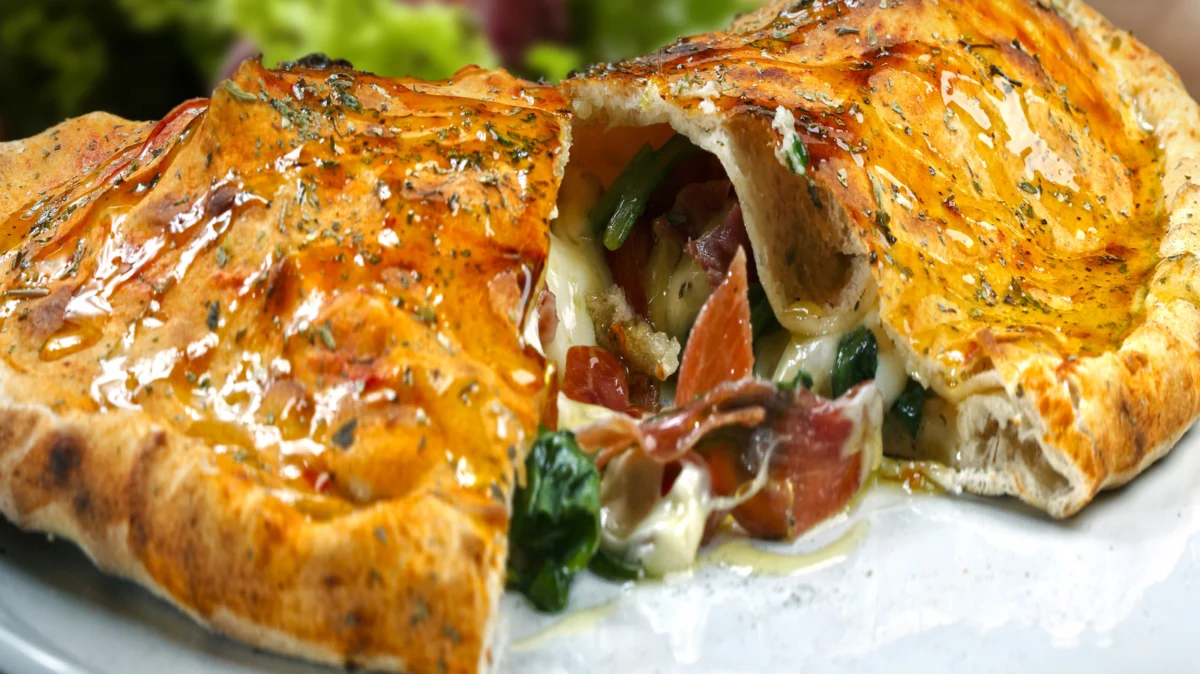
For many home cooks, the mere mention of "stuffed pizza" conjures images of labor-intensive, multi-hour projects involving specialized deep-dish pans, complex dough fermentation, and the daunting task of achieving that iconic, gravity-defying cheese pull. Often associated with the legendary, heavy-hitting pizzerias of Chicago, the stuffed pizza—a cousin to the calzone and the deep-dish pie—has long been considered the exclusive domain of professional chefs with industrial-grade ovens.
However, a burgeoning culinary trend is challenging this status quo. By utilizing the humble sheet pan, home cooks are discovering that they can replicate the indulgent, multi-layered experience of a stuffed pizza with a fraction of the effort. This method—often referred to as the "Sheet Pan Stuffed Pizza Trick"—strips away the intimidation factor, proving that professional-level comfort food is accessible to anyone with a standard kitchen setup.
The Core Concept: Simplifying the Stuffed Experience
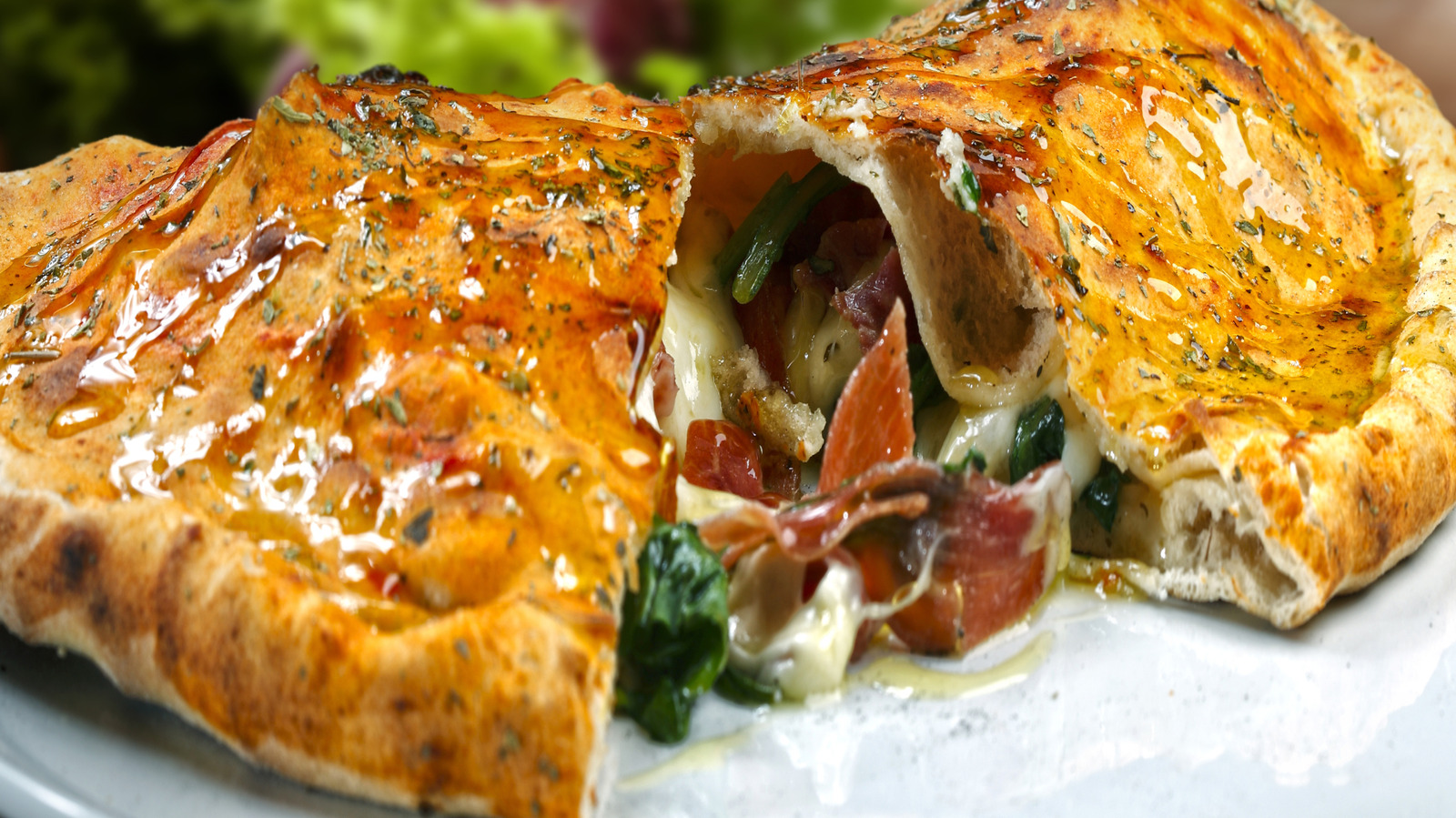
The fundamental allure of a stuffed pizza lies in its structure: a bottom layer of dough, a generous reservoir of cheese and fillings, and a second "lid" of dough that seals the ingredients inside, creating a pressurized environment where flavors meld into a singular, cohesive experience.
The traditional Chicago-style approach requires a tall-walled pan to contain the expansive layers. The sheet pan modification, conversely, leans into the geometry of a calzone or a rustic "pizza pie." By spreading store-bought, room-temperature pizza dough across a greased sheet pan, the cook creates a manageable base. The edges are crimped, potentially stuffed with mozzarella sticks for a "crust-within-a-crust" effect, and then loaded with layers of sauce, grated cheese, and artisanal toppings. A second sheet of dough acts as the top crust, sealing the flavor profile within a golden, crispy shell.
A Chronology of the Modern Home-Pizza Evolution
To understand why this trend has gained such momentum, one must look at the evolution of home baking over the past decade.
1. The Pre-Pandemic Shift (2015–2019)
Prior to 2020, "gourmet convenience" was the primary driver of culinary trends. Consumers were increasingly looking for ways to elevate store-bought ingredients (like refrigerated pizza dough) into "from-scratch" appearing meals. The rise of social media food influencers began to emphasize visual appeal, pushing the "stuffed" aesthetic to the forefront of online searches.
2. The Great Home-Cooking Boom (2020–2021)
During the global lockdowns, home baking became a primary hobby for millions. The sheet pan, already a staple for roasting vegetables and baking cookies, was repurposed for everything from pancakes to lasagna. It was during this period that the efficiency of the sheet pan—its ability to cook large quantities evenly—began to be applied to pizza-making, leading to the early iterations of the "sheet pan stuffed pie."
3. Refinement and Accessibility (2022–Present)
We are currently in the era of refinement. Culinary platforms have moved beyond simply "making pizza at home" to "optimizing the home-pizza experience." The current focus is on technique: how to ensure the dough doesn’t get soggy, how to create the perfect seal, and how to balance moisture levels to ensure the pizza is cooked through at 450 degrees Fahrenheit.
Supporting Data and Technical Nuances
The success of the sheet pan stuffed pizza relies on several variables that differentiate it from standard flat-crust pizza.
The Dough Temperature Factor
One of the most frequent points of failure for home cooks is using dough directly from the refrigerator. Professional bakers understand that gluten requires relaxation to stretch. Allowing store-bought dough to sit at room temperature for at least 30 to 45 minutes is not merely a suggestion—it is a technical necessity. A cold dough will "snap back," leading to uneven thickness and a crust that is tough rather than tender.
Moisture Control: The "Soggy Bottom" Defense
Because a stuffed pizza traps steam, moisture management is critical.
- The Sauce Ratio: Unlike a thin-crust pizza, where sauce is applied sparingly, a stuffed pizza requires a robust sauce application. However, excessive water content in the sauce can lead to a gummy crust. Experts suggest simmering jarred sauce to reduce volume or using a thicker, paste-heavy marinara.
- The Cheese Barrier: Placing a layer of shredded mozzarella directly onto the bottom dough acts as a hydrophobic barrier, preventing the dough from absorbing the liquid from the tomato sauce.
Heat Distribution
A standard home oven set to 450°F (approx. 230°C) is ideal for this method. The sheet pan acts as a conductive surface, searing the bottom crust while the upper heat of the oven browns the lid.
Experimental Flavors and Culinary Implications
The versatility of the sheet pan stuffed pizza is arguably its greatest asset. While traditionalists might reach for Italian sausage and pepperoni, the "sheet pan method" invites a new level of culinary experimentation.
The Pesto and Artichoke Pivot
Moving away from the traditional tomato-base, many home chefs are finding that pesto creates a more stable internal environment. Because pesto is oil-based rather than water-based, it is less likely to seep into the dough during the 20–30 minute bake time. Combining pesto with artichoke hearts, sun-dried tomatoes, and goat cheese creates a sophisticated, Mediterranean-inspired pie that feels far more refined than a standard delivery order.
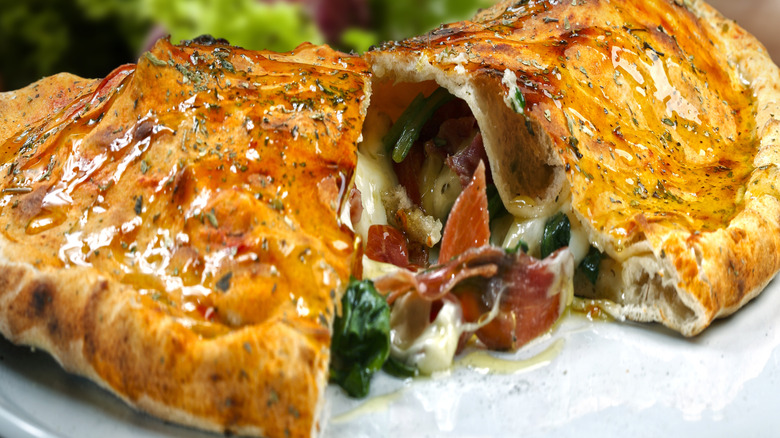
The "Spicy Arrabbiata" Experiment
For those who prefer heat, replacing marinara with arrabbiata sauce introduces a sharp, capsaicin-forward profile. When paired with roasted chili peppers and spicy calabrese salami, the heat is tempered by the molten cheese, creating a balanced, "high-end" dining experience that would be costly to replicate at a traditional pizzeria.
The Fresh Herb Protocol
A crucial lesson for the modern home cook is the timing of fresh herb application. While dried herbs (oregano, basil) are meant to be baked into the pizza to infuse the fats, fresh herbs—such as fresh basil leaves or chopped parsley—are strictly "post-bake" additions. Baking fresh herbs at 450°F destroys their volatile oils and aromatics, turning them bitter and charred. Sprinkling them on immediately after removing the pan from the oven allows the residual heat to release the oils, resulting in a vibrant, restaurant-quality fragrance.
Implications for the Home Kitchen
The shift toward simplified stuffed pizza has significant implications for how we view home cooking. It suggests that the "barrier to entry" for complex culinary styles is lower than previously thought.
- The Decline of "Takeout Dependency": As methods for replicating complex dishes become more accessible, the necessity of ordering out for specialty items like deep-dish or stuffed pizza decreases. This empowers the consumer to control the quality of ingredients—opting for organic cheeses or nitrate-free meats.
- The Rise of "Efficiency Baking": The sheet pan method signals a broader trend toward efficiency. Home cooks are no longer looking for recipes that take six hours to prepare; they are looking for "high-impact, low-labor" recipes that allow them to produce professional results on a Tuesday night.
- Community and Sharing: The nature of a sheet-pan-sized stuffed pizza makes it an ideal communal meal. Unlike individual personal pizzas, a single sheet-pan pie can feed a family or a small group, fostering the social experience of dining that is often lost when individual portions are the norm.
Conclusion
The "sheet pan trick" is more than just a kitchen hack; it is a democratization of comfort food. By removing the need for specialized equipment and simplifying the assembly process, it encourages home cooks to experiment with textures, flavors, and ingredients they might otherwise leave to professionals.
Whether you are a purist sticking to the traditional sausage and mozzarella filling or an experimentalist trying out pesto and prosciutto, the fundamental truth remains: the secret to a great stuffed pizza isn’t an industrial oven—it’s the right technique, a patient approach to dough, and the willingness to turn a simple sheet pan into a canvas for culinary creativity. As we continue to refine our home-cooking practices, this method stands as a testament to the fact that excellence is often found in the most efficient and straightforward of solutions.