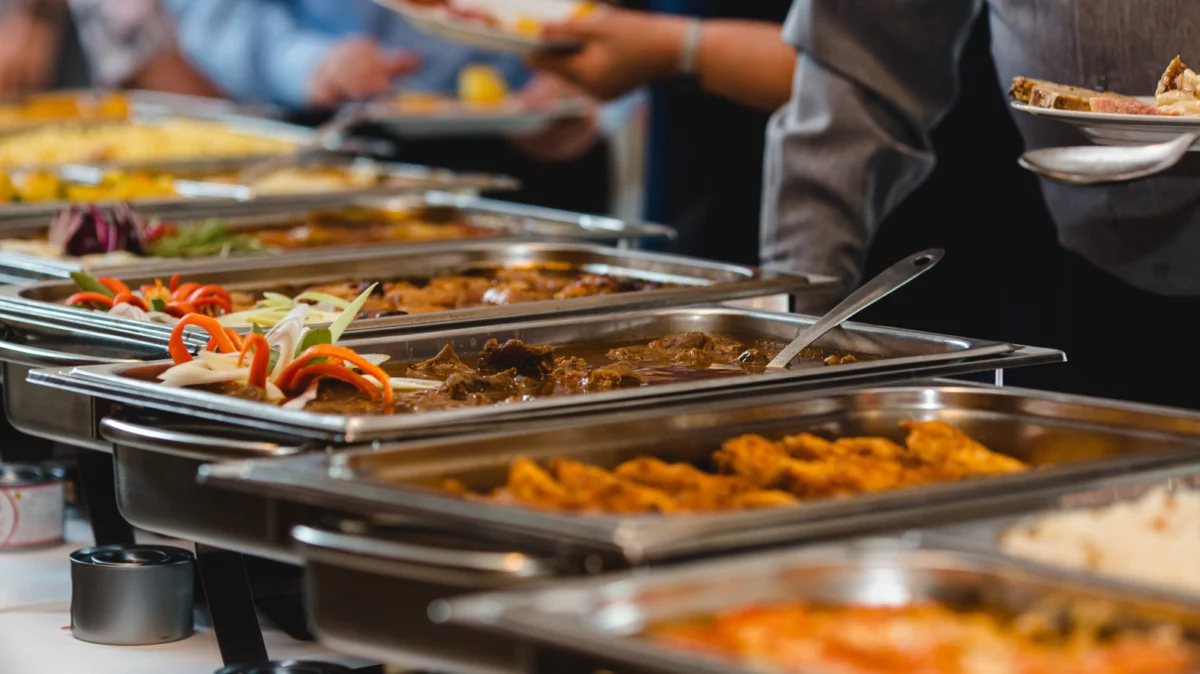
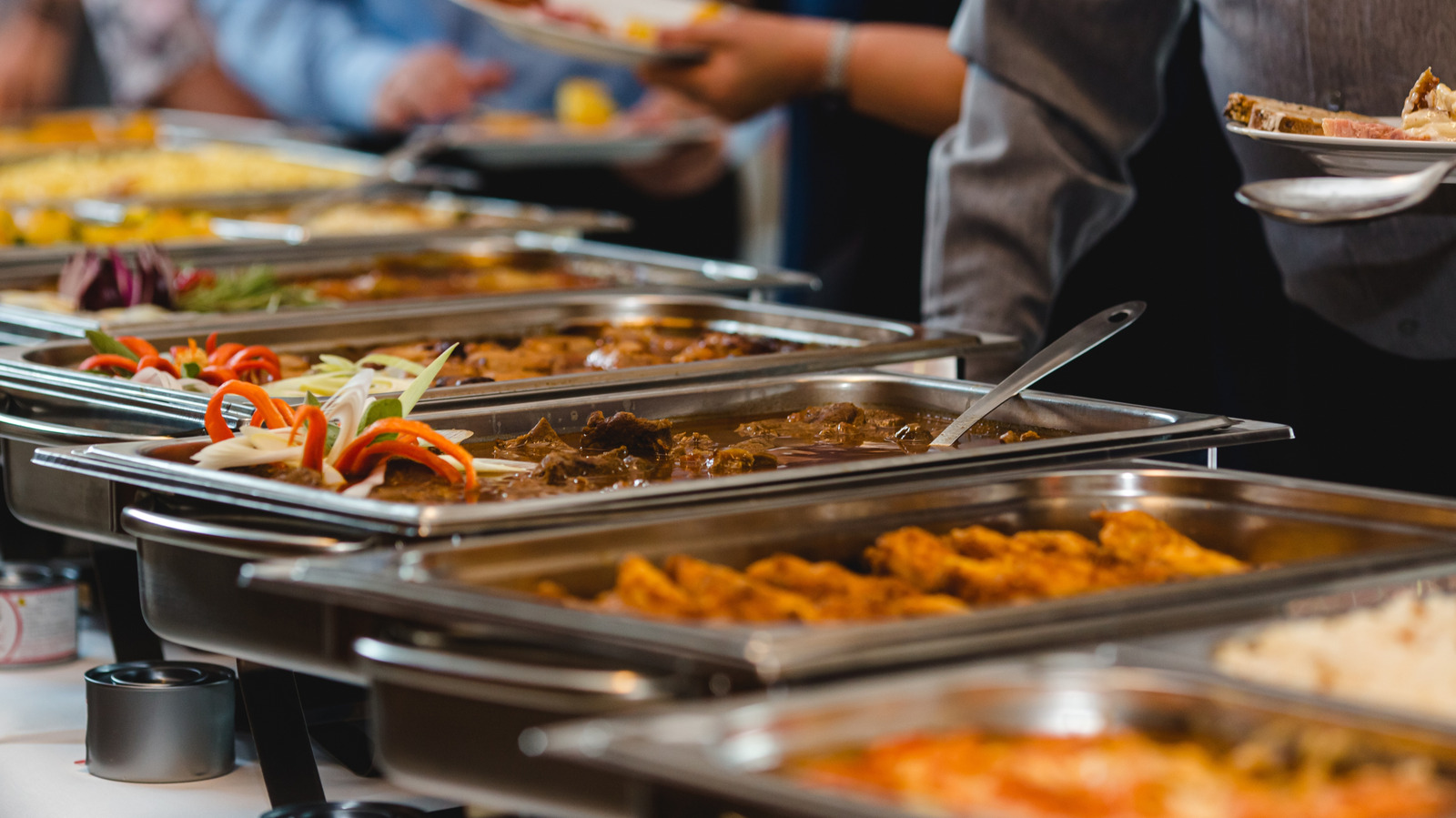
The allure of the buffet is undeniable. Whether it’s a high-end, sprawling spread at a Las Vegas resort or a local, family-owned establishment, the promise of "all-you-can-eat" (AYCE) offers a unique intersection of value and indulgence. Patrons are invited to curate their own culinary journey, sampling rows of freshly prepared dishes at a fixed price. However, behind the polished stainless steel chafing dishes and the neatly arranged displays lies a complex, often high-stress environment for the service staff.
Drawing on years of experience behind the scenes in the restaurant industry, it becomes clear that there is a divide between how customers perceive their autonomy at a buffet and how their actions impact the workflow, hygiene, and bottom line of the establishment. To help bridge this gap, we explore the habits that consistently frustrate buffet employees—and how shifting these behaviors can lead to a better experience for everyone involved.
The Psychology of the Buffet: Why Expectations Collide
The buffet environment is fundamentally different from a la carte dining. In a standard restaurant, the server acts as a gatekeeper of the kitchen. In a buffet, the customer has direct access to the product. This shift in power dynamics often leads to a "vacation from manners" mentality, where guests believe that because they have paid an entry fee, they are exempt from standard social and safety protocols.
For the staff, this means managing a high-volume, high-stakes environment where food safety and table turnover are constant pressures. When customers deviate from expected etiquette, they are not merely being "annoying"—they are often creating genuine logistical, financial, and sanitary problems.
The Cost of Overindulgence: A Lesson in Waste
The most common point of friction is the misconception that "all-you-can-eat" serves as a personal challenge. While the business model relies on the fact that some customers will eat more than others, it is not a mandate to clear out a tray in a single sitting.
The Problem with "Eyes Bigger than Stomach"
When a diner loads a plate with an excessive amount of food they aren’t sure they will like, they risk creating significant waste. In the hospitality industry, food waste is a massive drain on profitability. Unlike a la carte dishes, which are prepared to order, buffet items are cooked in bulk. Once a plate is served and returned to the table with half-eaten items, that food is deemed contaminated and must be discarded. It cannot be salvaged or repurposed, meaning the time, energy, and ingredients poured into that dish go directly into the landfill.
Best Practices for the Buffet
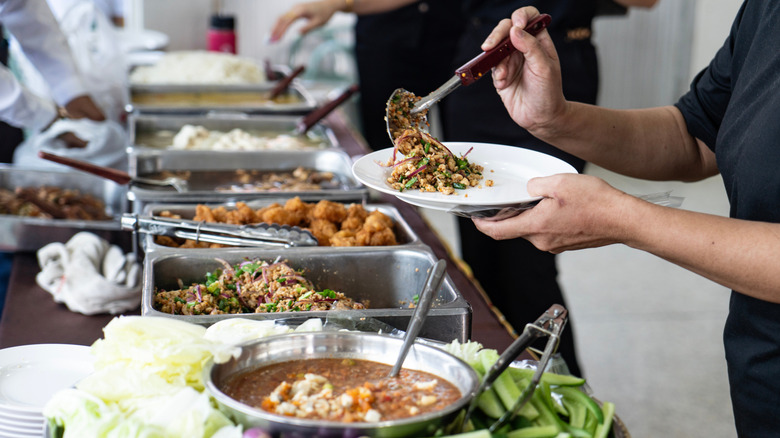
The most efficient and courteous way to explore a new menu is to take small portions. If a dish is spectacular, you are always welcome to return for seconds. This "slow and steady" approach allows you to sample more variety without forcing the kitchen staff to constantly replenish trays that were depleted by people who took too much and ate too little.
Hygiene and Sanitation: Beyond the Utensils
Perhaps the most egregious offenses occur at the serving stations themselves. The buffet is a shared ecosystem, and its health relies on the collective compliance of its users.

The Danger of Bare Hands
It should go without saying, but the use of serving utensils is non-negotiable. Despite this, staff frequently witness customers reaching into trays with their bare hands. This behavior is a critical health violation. When a customer touches food with their hands, the entire contents of that serving tray must be discarded immediately. This is not a matter of staff being "picky"; it is a mandatory health code compliance measure. Every instance of this requires the kitchen to stop what they are doing to prepare a replacement, which slows down service for everyone else in the building.
The "Double-Dip" and Other Disasters
Even more alarming is the behavior of customers who use a serving utensil for their own plate and then return it to the common tray, or worse, use their personal cutlery to taste food directly from the warmer. This behavior is, quite frankly, repulsive. It forces staff to pull entire dishes from the line, sanitizing the area and potentially risking the health of other diners. Adults who behave as if they are in their own home kitchens—rather than a public space—create a hostile environment for both fellow patrons and employees.

The Logistics of Table Management
The role of a server at a buffet is often misunderstood. Many believe that because they serve their own food, the server’s job is minimal. In reality, the server is managing a constant influx of dirty plates, glassware, and cutlery, all while ensuring drinks are refilled and the table is cleared for the next guest.
The "Helpful" Mess
Customers often attempt to "help" by stacking plates or stuffing napkins into glasses. While the intention is good, it can actually make the job harder. A glass filled with a wet, wadded-up napkin is significantly more difficult to clean and sanitize than an empty one. Similarly, stacking plates that still have half-eaten, sticky, or liquid-heavy foods makes them prone to sliding, which increases the risk of the server dropping the stack or spilling waste on the floor.
The Overstayed Welcome
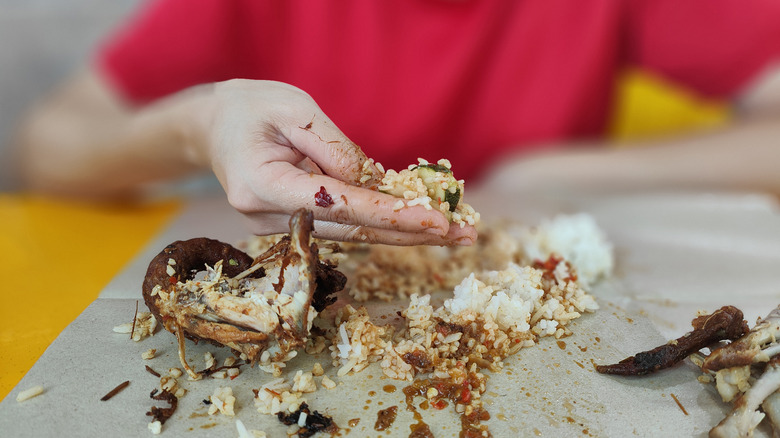
Buffets, particularly high-volume ones, operate on a table-turnover schedule—usually around 90 minutes. When a group lingers long after their meal is finished, they disrupt the flow of the entire dining room. This is especially problematic for large parties, where a group camping out at a table prevents the staff from seating new, paying guests. If your table has been cleared and you are no longer eating, it is time to conclude your visit.
The Tipping Debate: Why Service Matters
Tipping at a buffet is a subject of significant debate. Some argue that because they serve themselves, the tip should be lower. However, this ignores the labor involved in clearing plates, replenishing beverages, and managing the floor.

At an a la carte restaurant, a server manages the flow of a few courses. At a buffet, a server may be responsible for clearing dozens of plates per table throughout the duration of a single party’s stay. They are often working much harder, walking more miles, and dealing with more mess than their peers in traditional dining. If you are being served drinks and having your table cleared, the standard tipping etiquette still applies.
The Human Element: Children and Safety
Buffet restaurants are inherently busy. Servers move through the dining room carrying heavy, precarious stacks of dishes. When parents allow children to run freely through the aisles, they create a major safety hazard.
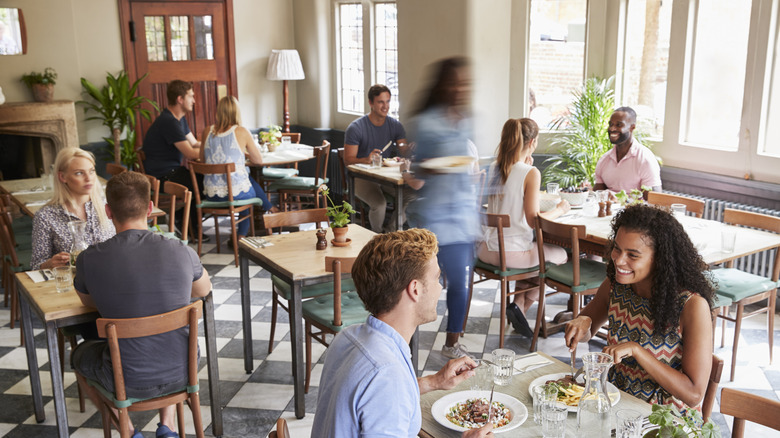
A collision between a child and a server carrying a tray of hot soup or broken glass is a recipe for disaster. While it is understandable that parents want a night out, the buffet is not a playground. Encouraging children to stay seated or keeping them close during trips to the food line is essential for the safety of everyone.
The Financial and Operational Implications
The cumulative effect of these annoying habits is significant. When staff are forced to manage unnecessary waste, handle hygiene emergencies, or deal with difficult check-splitting, the quality of service for every other customer in the room declines.
The Problem with Separate Checks
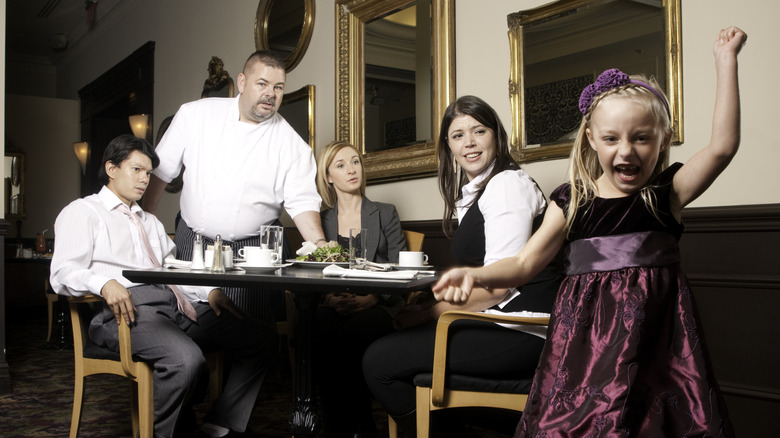
Large parties that insist on splitting checks at the point of payment are a nightmare for servers. In a fast-paced environment, the time required to calculate specific splits, account for individual drinks, and process multiple payments causes a bottleneck at the register. When possible, it is always best to coordinate as a group before the check arrives, or to inform the server well in advance that the party will be splitting the bill.
Conclusion: A Mutual Agreement
Dining at a buffet is a privilege that relies on a social contract between the guest and the staff. When guests approach the buffet with awareness—using serving utensils properly, taking only what they need, respecting the staff’s time, and keeping their tables tidy—the experience is seamless. When these rules are ignored, the restaurant becomes a source of stress rather than enjoyment.

By adhering to these simple guidelines, you contribute to a more efficient, hygienic, and pleasant environment. The next time you walk into an all-you-can-eat establishment, remember: you are a guest in a public space, and your actions directly dictate the quality of service for everyone around you. Be mindful, be clean, and be kind—your server will certainly appreciate it.