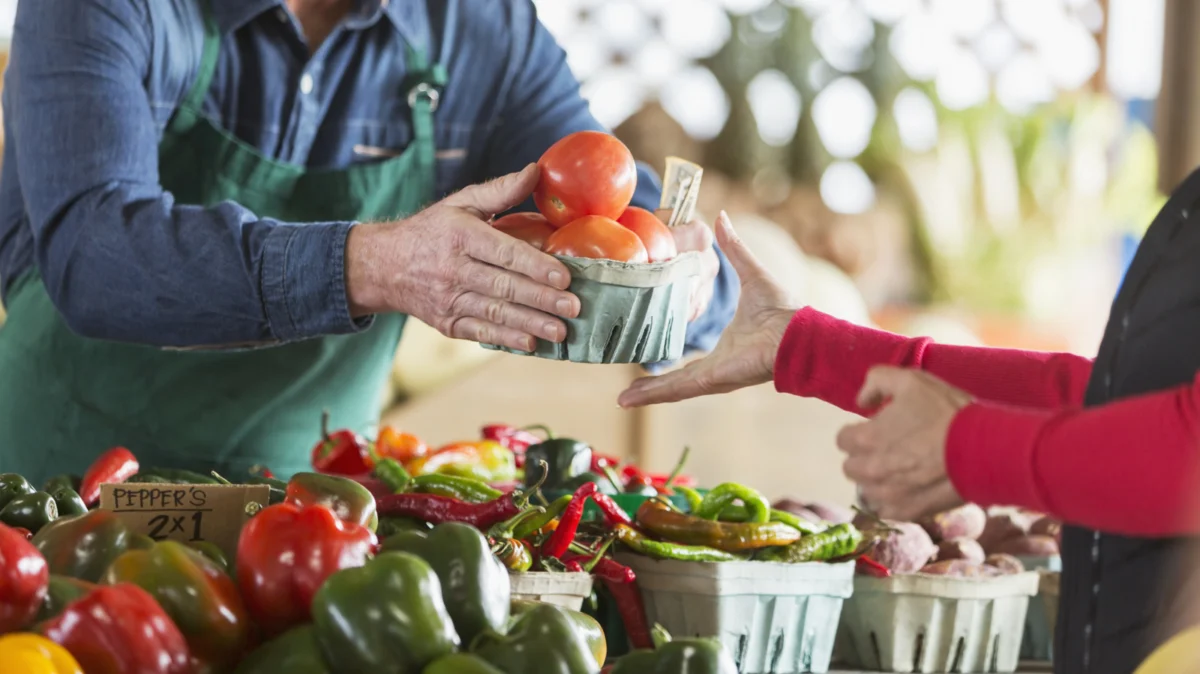
For decades, the Saturday morning farmers market has been the quintessential symbol of the "buy local" movement. It is a sensory experience defined by the smell of damp earth, the vibrant colors of heirloom tomatoes, and the direct connection between grower and consumer. However, as the popularity of these markets has surged, so have the logistical hurdles: the early-morning crowds, the impulse-buy temptation that leads to food waste, and the inconsistent availability of seasonal staples.
As food systems become increasingly globalized and complex, many conscious consumers are turning away from the sporadic nature of market shopping in favor of a more structured, resilient model: Community Supported Agriculture (CSA). By shifting from a transactional relationship to a subscription-based partnership, consumers are not just buying groceries—they are investing in the bedrock of local food security.
The Mechanics of the CSA Model: A Brief History
The roots of the modern CSA movement can be traced back to the 1960s and 70s, emerging simultaneously in Europe and Japan (where it was known as teikei, meaning "food with the farmer’s face on it"). It arrived in the United States in the mid-1980s, pioneered by farms like Indian Line Farm in Massachusetts.
The core premise is elegant in its simplicity: a consumer buys a "share" of the farm’s harvest before the growing season begins. This upfront capital provides the farmer with the necessary funds to purchase seeds, equipment, and labor—costs that are typically front-loaded long before the first harvest is ready for sale. In exchange, the member receives a weekly or bi-weekly box of whatever the farm produces, effectively sharing the risks and rewards of the growing season.
The Economic and Environmental Implications
From an economic perspective, the CSA model is transformative for small-scale agriculture. Unlike a wholesale model, where farmers lose a significant percentage of their margins to distributors, or a farmers market model, which relies on the volatility of foot traffic and weather, the CSA provides guaranteed income.
Financial Stability for Producers
"For a small farm, the biggest challenge isn’t necessarily growing the food—it’s managing the cash flow," notes Dr. Elena Vance, an agricultural economist specializing in local food systems. "When a farmer receives the bulk of their revenue in early spring, it mitigates the risk of a lean summer. It allows them to focus on regenerative soil practices and crop diversification rather than spending their limited bandwidth on constant marketing and sales."
Reducing Food Waste
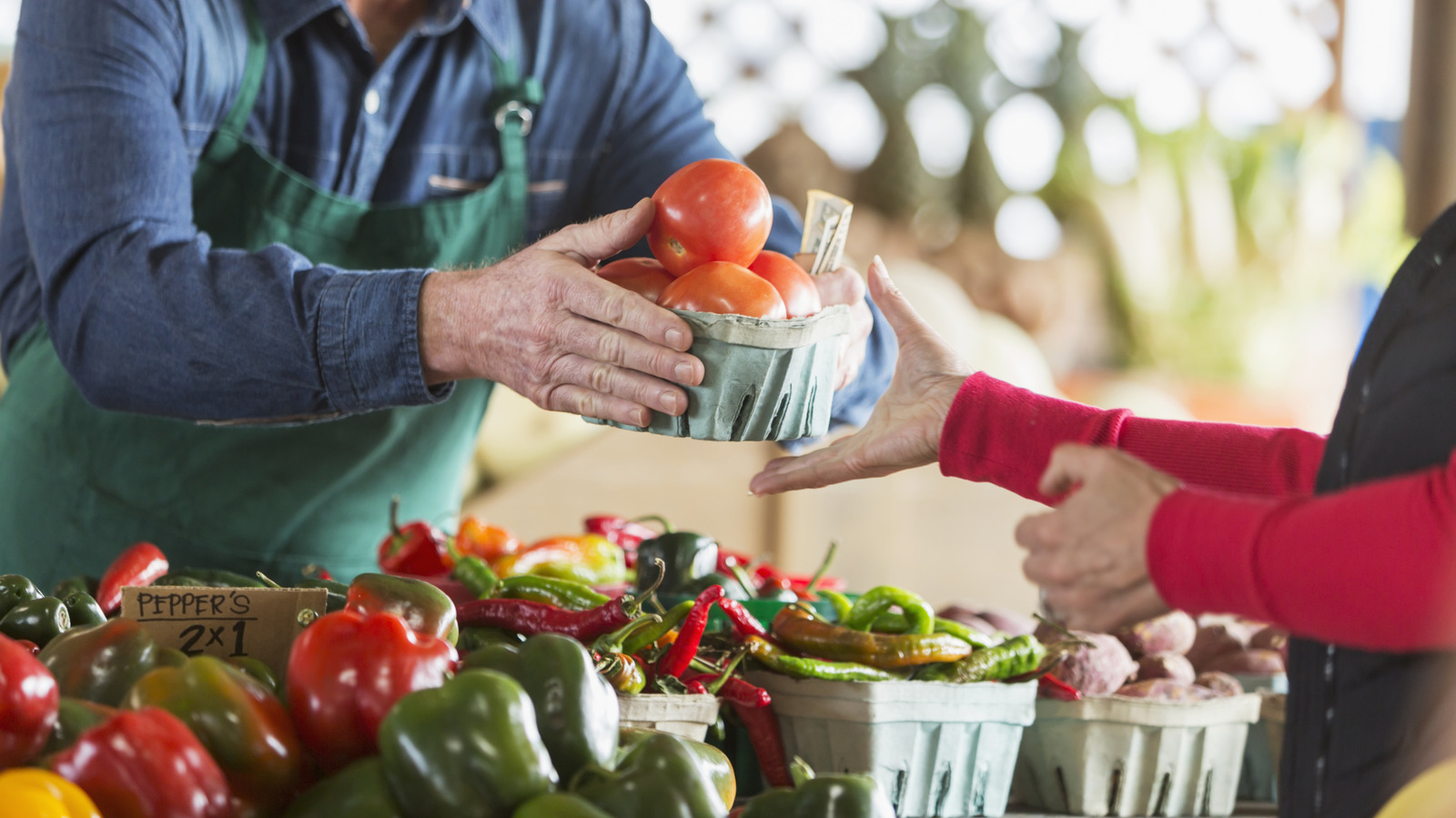
One of the most persistent issues at farmers markets is the "overbuying trap." Consumers often wander through stalls, mesmerized by the abundance, and purchase far more than their household can reasonably consume in a week. This leads to a cycle of guilt and organic waste. Because CSA boxes are curated based on seasonal yields, members receive an intentional amount of produce. This forces a shift in behavior: from choosing what you want to eat, to creatively preparing what is available.
A Culinary Evolution: The "Mystery Box" Advantage
One of the primary critiques leveled against CSAs is the lack of choice. Unlike a grocery store or a market, where you can cherry-pick your ingredients, a CSA box is dictated by the season. Critics argue this is inconvenient, but proponents suggest it is a masterclass in culinary creativity.
Challenging the Home Cook
When a subscriber receives a bunch of kale, a bundle of kohlrabi, or a basket of ground cherries, they are forced out of their comfort zone. This structure encourages home cooks to research new recipes, talk to the farmers about preparation methods, and learn to respect the natural cycle of growth. It is a return to traditional cooking methods—pickling, fermenting, and roasting—that have been largely lost in the era of year-round, imported produce.
The Nutritional Dividend
Produce found in a grocery store is often bred for durability and transportability, not necessarily for flavor or nutrient density. Vegetables destined for a CSA box, however, are often harvested at the peak of ripeness. The time between harvest and consumption is drastically reduced, often occurring within 24 to 48 hours. Studies have repeatedly shown that the nutritional profile of produce begins to degrade the moment it is plucked; therefore, the "farm-to-table" speed of a CSA delivers superior flavor and micronutrient content.
Strengthening the Local Food Web: Supporting Data
The growth of the CSA movement is mirrored in recent USDA agricultural surveys, which indicate a rise in "direct-to-consumer" marketing channels.
- Farm Viability: Farms that utilize CSA programs show a 30% higher survival rate over a five-year period compared to farms relying solely on traditional retail outlets.
- Carbon Footprint: By streamlining the distribution process—often involving central drop-off points or direct-to-door delivery—CSAs significantly reduce the "food miles" associated with trucking produce to grocery warehouses and then to individual stores.
- Biodiversity: Because CSA farmers need to provide a wide variety of goods to keep their members satisfied, they are more likely to plant diverse crops, including heirloom varieties that are not commercially viable for mass retail. This supports soil health and local pollinator populations.
Challenges and Considerations: What to Know Before You Sign
While the benefits are clear, the CSA model is not a one-size-fits-all solution. Potential members must consider several factors before committing:
- The Risk Factor: If a farm suffers a drought, flood, or pest infestation, the members’ shares may be lighter than expected. This is the nature of "supporting" agriculture; you share the risk as well as the abundance.
- Commitment Levels: Most CSAs require payment in advance. For low-income families, this upfront cost can be a barrier, though many farms are now implementing sliding-scale pricing and accepting SNAP benefits to ensure accessibility.
- Storage Requirements: A CSA box requires a certain level of preparedness. Subscribers need to have the time and the storage capacity to process their haul, whether that means freezing excess berries, blanching greens, or learning to store root vegetables in a cool, dark place.
Official Responses and Future Outlook
Agricultural associations are increasingly pushing for legislation that makes CSA participation easier for both parties. In several states, farm-to-school initiatives are being integrated with CSA models, allowing farmers to provide fresh produce to local institutions as a reliable secondary revenue stream.
"The goal is to make local food as convenient as the supermarket without sacrificing the soul of the farm," says Sarah Jenkins, director of a regional Sustainable Agriculture Coalition. "We are seeing more ‘market-style’ CSAs, where members have a digital dashboard to choose their items, blending the convenience of the store with the direct-support model of the traditional CSA."
Conclusion: A Shift in Consciousness
Moving away from the farmers market is not an abandonment of the local food movement; rather, it is a maturation of it. The farmers market will always have a place as a community gathering space, but the CSA represents the next level of advocacy. By choosing to subscribe, you are signaling a shift in your identity from a "consumer" to a "participant."
You are deciding that the health of your local soil, the financial security of your neighborhood farmers, and the rhythm of the natural seasons are worth more than the convenience of a standardized shopping cart. In a world that is increasingly disconnected, the CSA offers a rare opportunity to root oneself—quite literally—in the land.