In the high-stakes world of automotive engineering, performance is often defined by what you cannot see—the complex physics happening within the drivetrain, the ECU’s split-second calculations, and the thermal management of the braking system. Yet, Nissan has long utilized a subtle, visual language to communicate a vehicle’s intent to the discerning enthusiast. By color-coding its brake calipers, the Japanese automaker has created a hierarchy of performance that serves as a shorthand for capability.
While the average consumer may see a simple splash of paint, the knowledgeable observer understands that these hues—ranging from standard silver to elite yellow—are indicative of a vehicle’s mechanical pedigree, track-readiness, and thermal tolerance.
The Hierarchy of Stopping Power: Main Facts
At its core, Nissan’s color-coding strategy acts as a visual badge of honor. It is a system that bridges the gap between the mundane and the magnificent.
- Silver: The standard for everyday utility and commuter reliability.
- Red: The hallmark of entry-level performance and sport-oriented trim packages.
- Bright Red: A signifier of high-temperature endurance and advanced stopping power.
- Gold: The legendary mark of Brembo-supplied systems, historically associated with Nissan’s most iconic performance models.
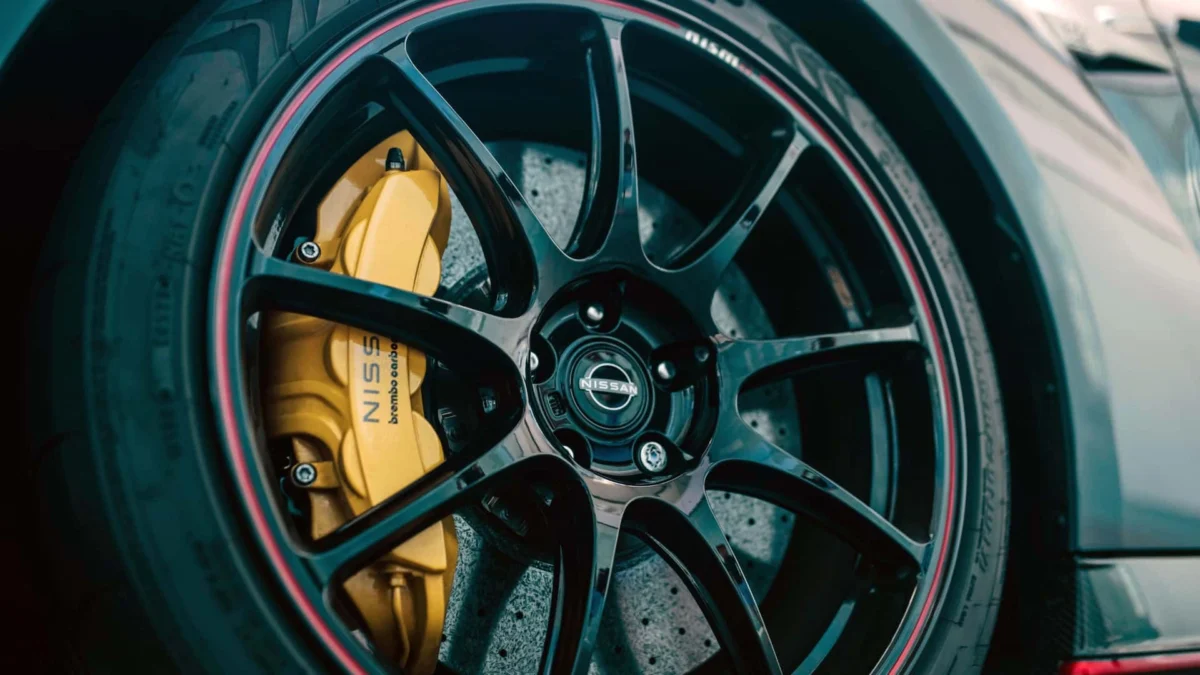
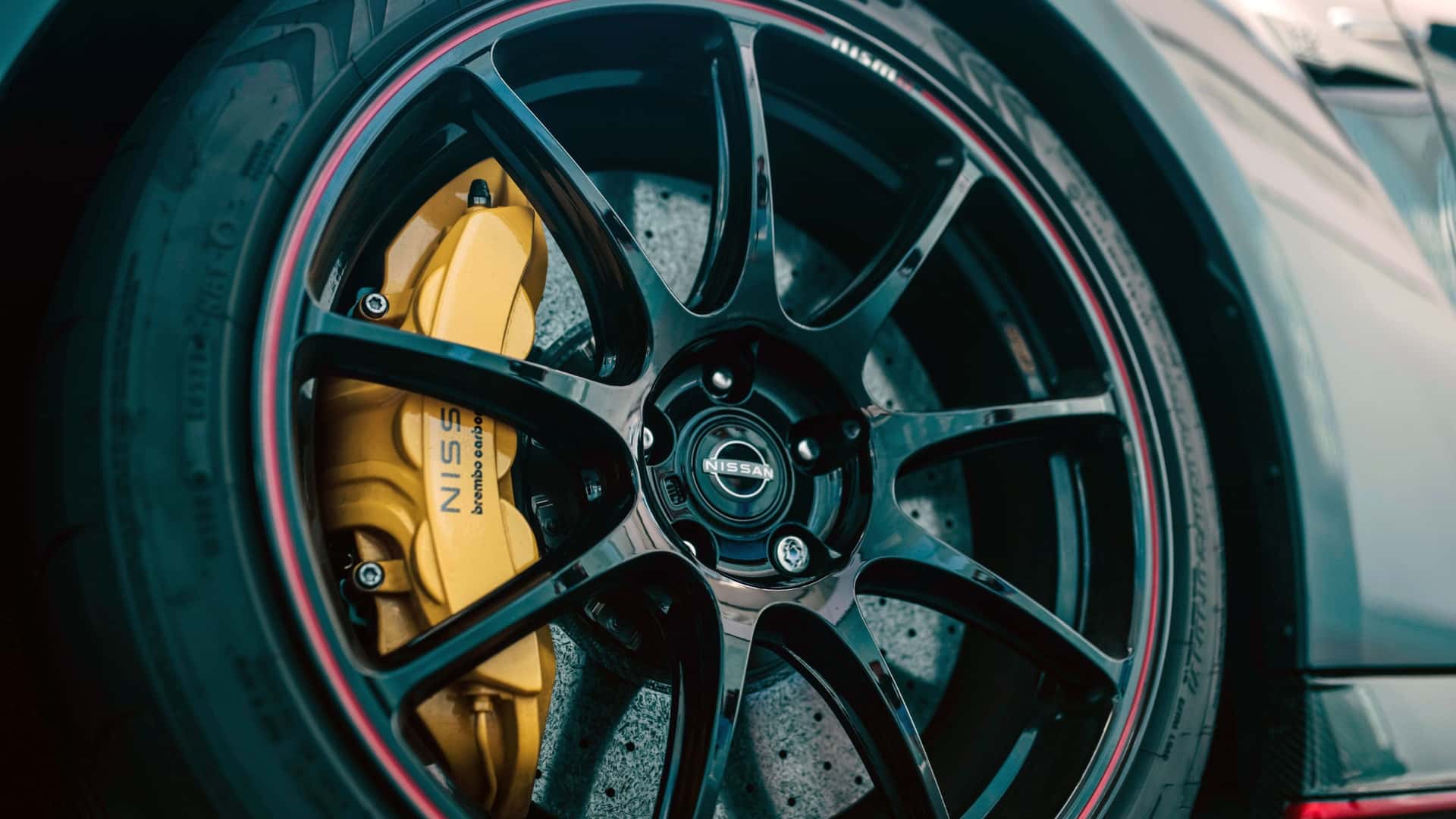
- Yellow: The apex of the hierarchy, representing track-focused, carbon-ceramic technology.
This system is not merely cosmetic; it is a functional indicator of the hardware bolted behind the wheels. As the color becomes more vibrant, the components typically transition from standard cast-iron, single-piston setups to multi-piston, high-performance calipers paired with lightweight, heat-resistant rotors.
A Chronological Evolution of Nissan’s Performance Braking
To understand the significance of these colors, one must look at the evolution of Nissan’s performance division. In the early 2000s, the automotive industry began to lean heavily into the aesthetic customization of braking systems. Nissan, already a leader in the tuner culture thanks to the Skyline GT-R lineage, leaned into this trend.
The Gold Standard (1999–2003)
The introduction of the R34 GT-R solidified gold as the color of choice for high-performance Brembo systems. This choice was deliberate; gold calipers suggested luxury paired with raw, circuit-dominating power. When the 350Z Track Edition debuted in 2003 for the North American market, it wore these same gold Brembos, signaling to the American public that this was not just a grand tourer, but a machine built to handle the heat of a road course.
The Rise of Akebono and Modern Performance (2007–Present)
As the R35 GT-R arrived in 2007, it brought with it a shift in both technology and aesthetics. Nissan began to work more closely with Akebono, eventually shifting away from the universal reliance on Brembo for its core performance models. The red calipers became the new standard for the "Performance" tiers, while the R35 GT-R eventually pioneered the use of yellow to signify the inclusion of ultra-high-performance carbon-ceramic braking systems—a leap in technology that required a distinct visual identity to separate it from the standard steel-rotor cars.
Supporting Data: The Physics Behind the Paint
It is a common misconception that the paint on a brake caliper is purely for style. While aesthetics play a role, the composition of the paint is specifically engineered to handle the thermal demands of the braking system.
Thermal Resilience
The kinetic energy of a moving vehicle is converted into thermal energy during braking. A standard silver caliper on a Nissan Rogue does not need to withstand the temperatures generated by a GT-R Nismo approaching a corner at 150 mph.
- Standard Systems: Use high-durability, heat-resistant enamel designed for daily usage.
- Performance Systems (Red/Bright Red): Utilize specialized powder coatings that can withstand repeated heat cycling without flaking or fading.
- Track-Ready Systems (Yellow): The yellow paint applied to Nissan’s carbon-ceramic setups is rated for temperatures exceeding 1,832 degrees Fahrenheit (1,000 degrees Celsius). This ensures that the aesthetic integrity of the component remains intact even when the rotors are glowing red under extreme track conditions.
Rotor Dynamics
The transition from silver to yellow is almost always accompanied by a shift in rotor material. Silver-caliper vehicles typically utilize standard cast-iron ventilated discs. As we move to the Z Performance or Nismo, we see the introduction of larger, aluminum-hatted rotors that reduce unsprung weight, thereby improving suspension response and braking efficiency. The yellow-caliper systems utilize carbon-ceramic matrices, which offer significantly better fade resistance and longevity in high-performance environments.
Official Manufacturer Perspectives
Nissan’s internal design philosophy suggests that these visual cues are meant to foster a sense of "instant recognition" for the brand’s customers. By maintaining a consistent color palette across its global fleet, Nissan ensures that a visitor at a dealership or a fan at a car show can instantly categorize a vehicle’s performance potential.
However, the brand has remained pragmatic. As noted by company insiders, the color-coding is a "living system." While the general rules hold, Nissan has shown a willingness to break them for specific marketing campaigns or prototype launches. The 2023 Z Proto, for instance, featured yellow calipers—a choice that served to build hype for the Nismo variant, even if those specific prototype units were not equipped with the full production carbon-ceramic setup.
The Implications of Color-Coded Engineering
The decision to implement this color hierarchy has profound implications for both the consumer and the aftermarket community.
For the Consumer
For the average buyer, these colors simplify the shopping experience. If a customer is looking for a weekend toy, the red-caliper Z Performance acts as a clear signal of that car’s sporting intent compared to a base-model Z. It reduces the need for the customer to decipher technical spec sheets, providing an immediate, intuitive understanding of the vehicle’s capability.
For the Aftermarket
The existence of these official color designations has fueled a massive industry of "caliper painting" and "brake upgrading." Because Nissan has associated certain colors with performance, aftermarket companies often offer "Nismo Red" or "GT-R Gold" paint kits, allowing owners of base-model vehicles to replicate the visual aesthetic of the higher-tier trims. This has, in turn, created a secondary market for performance-branded caliper covers and high-temperature paints.
The "Exception" Phenomenon
The rare instances where Nissan deviates from its own rules—such as the Italdesign GT-R50 wearing red Brembos instead of the expected yellow—serve to emphasize the exclusivity of the vehicle. By using red on a car that clearly deserves yellow, the manufacturer creates a sense of "bespoke" engineering, implying that the car is so unique that it defies the standard categorization.
Conclusion: More Than Just a Splash of Paint
Nissan’s approach to brake caliper color is a masterclass in branding and consumer communication. It transforms a mechanical necessity—the brake caliper—into a badge of performance that serves as an immediate visual language for enthusiasts.
While the system is technically driven by the need for heat-resistant coatings and the distinct requirements of various braking architectures, it has evolved into something much more significant. It is a way of honoring the legacy of the R34 and R35, while simultaneously providing a clear, logical path for customers as they climb the performance ladder. Whether you are looking at the silver calipers of a daily-driving Altima or the scorching yellow of a GT-R Nismo, you are looking at a story written in pigment and heat-resistant steel—a testament to the fact that, in the world of high-performance automotive design, every detail tells a story.