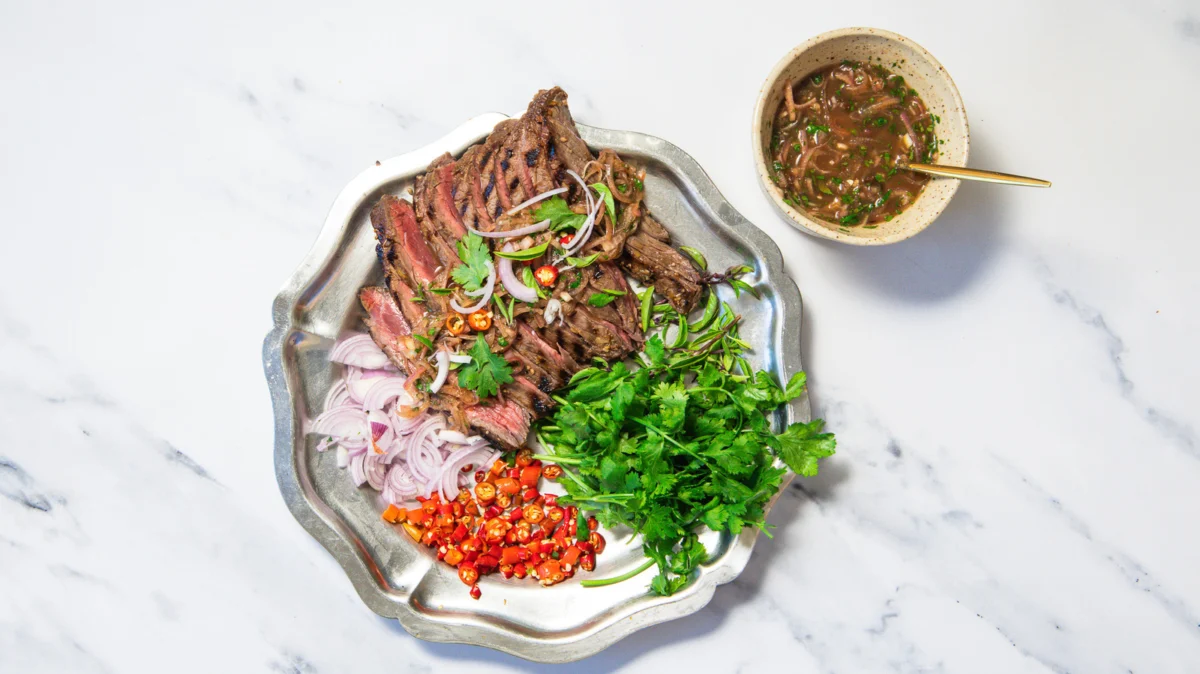
For the culinary traveler, the quest for the perfect grilled steak often leads to the high-heat searing techniques of French bistros or the slow-and-low smoke of American barbecue. However, a culinary revelation lies in the vibrant, aromatic, and deeply complex flavor profiles of Thailand. By marrying the savory depth of beef with the bright, acidic, and funky notes of Southeast Asian aromatics, one can transform an accessible cut of meat into a world-class dining experience. This guide explores the preparation of Thai-style grilled steak, a dish that challenges conventional Western steak wisdom to produce a result that is, quite simply, unforgettable.
The Evolution of the Thai Steak Experience
In Western gastronomy, the "purist" approach to steak usually involves little more than salt, pepper, and perhaps a compound butter. Thai cuisine, by contrast, views the protein as a canvas for a complex interplay of sweet, salty, sour, and spicy elements.
The recipe at hand centers on the nam jim jaew, a legendary dipping sauce from Northeastern Thailand (Isan). Unlike heavy, creamy steak sauces that often mask the flavor of the meat, nam jim jaew acts as a bright, acidic counterpoint that cuts through the richness of the beef. It is this balance that elevates the dish, making it a favorite for those who appreciate the intersection of technique and bold, unapologetic flavor.
Chronology: From Marinade to Platter
Mastering this dish requires an appreciation for timing. Unlike a quick sear, this method relies on the infusion of aromatics over time.
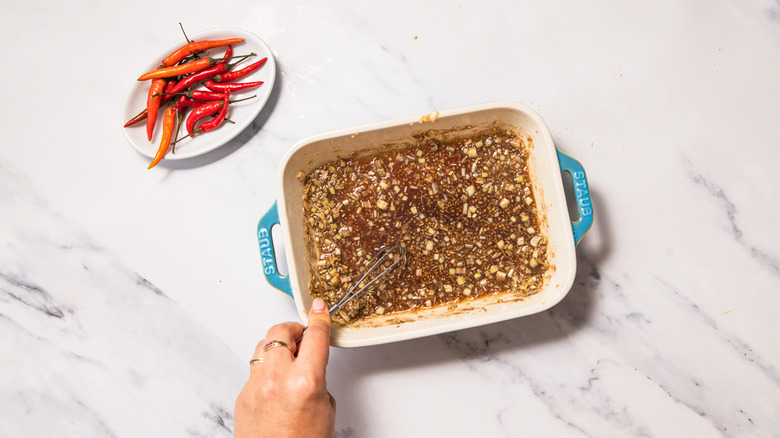
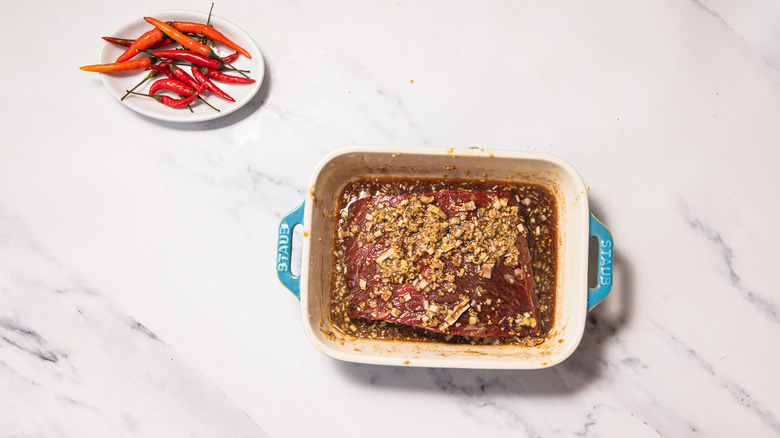
1. The Marination Phase
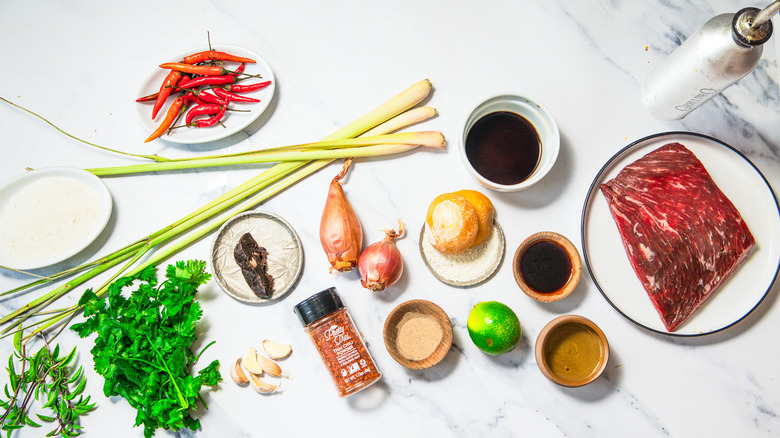
The foundation of the dish begins with a marinade that balances the toughness of the cut with intense aromatics. Lemongrass, garlic, fish sauce, oyster sauce, palm sugar, neutral oil, and white pepper are whisked together in a shallow vessel. The inclusion of palm sugar—which offers a more nuanced, molasses-like sweetness than refined white sugar—is critical. The steak, typically a flap or skirt cut, is submerged and left to rest. While two hours provides a baseline, a longer soak (ideally overnight) allows the enzymes in the aromatics to tenderize the muscle fibers of the meat, ensuring a buttery finish.
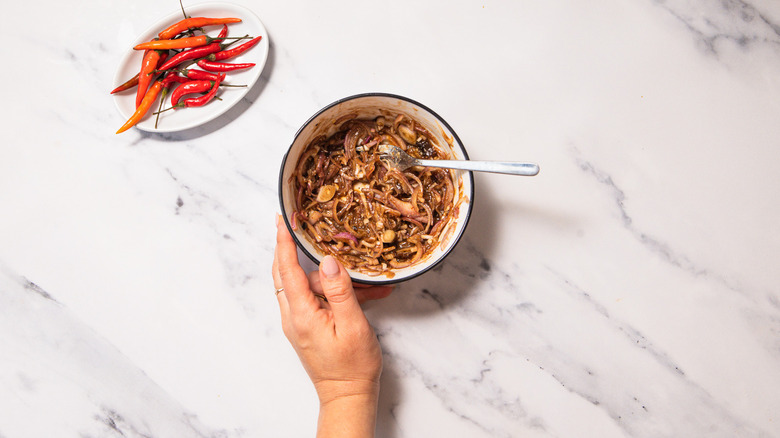
2. The Nam Jim Jaew Alchemy
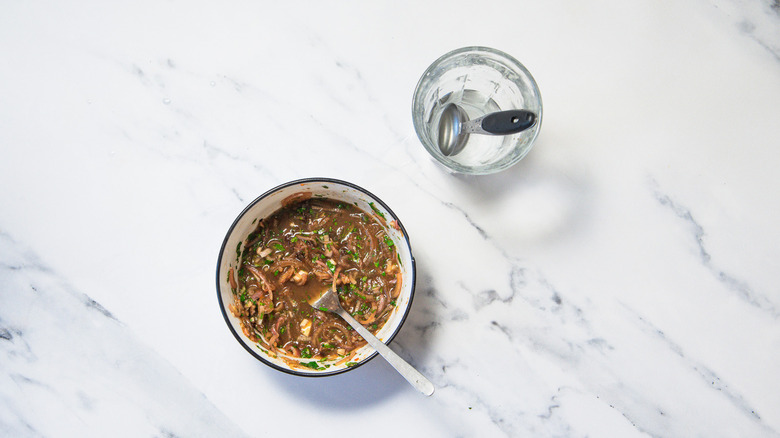
While the steak rests, the nam jim jaew is prepared. This sauce is a study in texture and balance. The combination of fish sauce (the salty base), tamarind paste (the sour anchor), palm sugar (the sweet lift), and toasted rice powder (the textural crunch) is essential. The sauce must sit for at least 30 minutes, allowing the shallots to soften and the flavors to marry. The final touch—diluting the sauce with water—is a professional secret that ensures the consistency is perfect for dipping rather than overwhelming the palate.
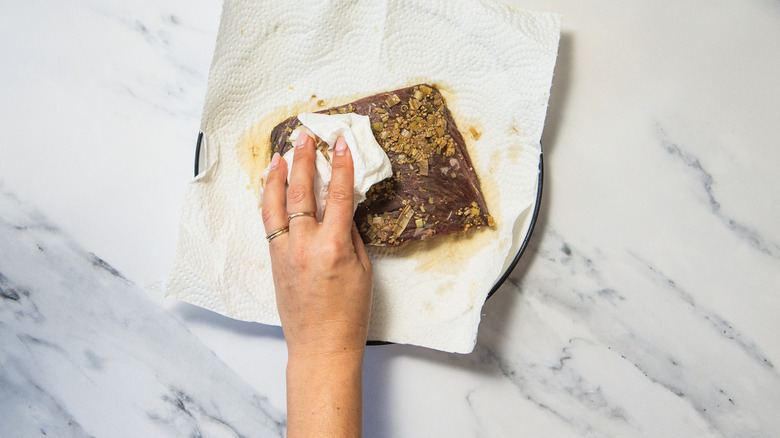
3. The Sear and Rest
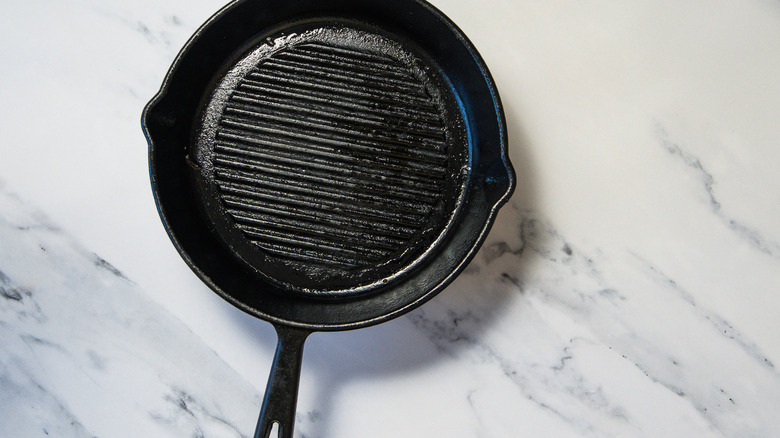
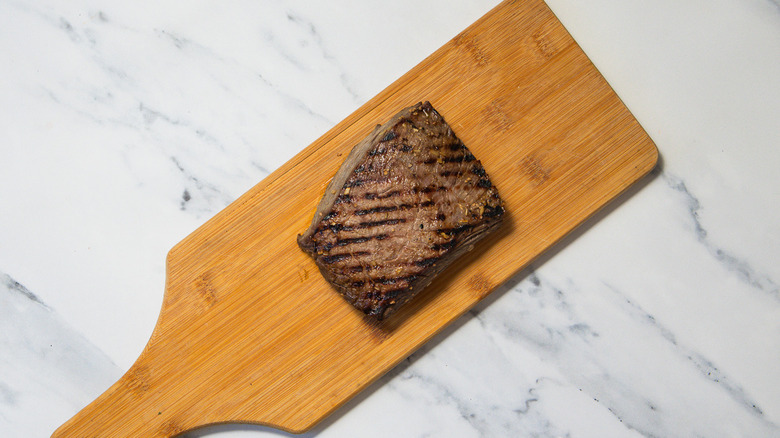
Precision in the final cooking stage is vital. A high-heat grill or cast-iron skillet is mandatory to achieve the necessary char. Because cuts like flap or skirt steak have an open grain, they react beautifully to extreme heat. After 2–3 minutes per side, the steak is pulled from the heat. The crucial "rest" period of five minutes allows the juices to redistribute, preventing the meat from drying out.
4. Presentation and Serving
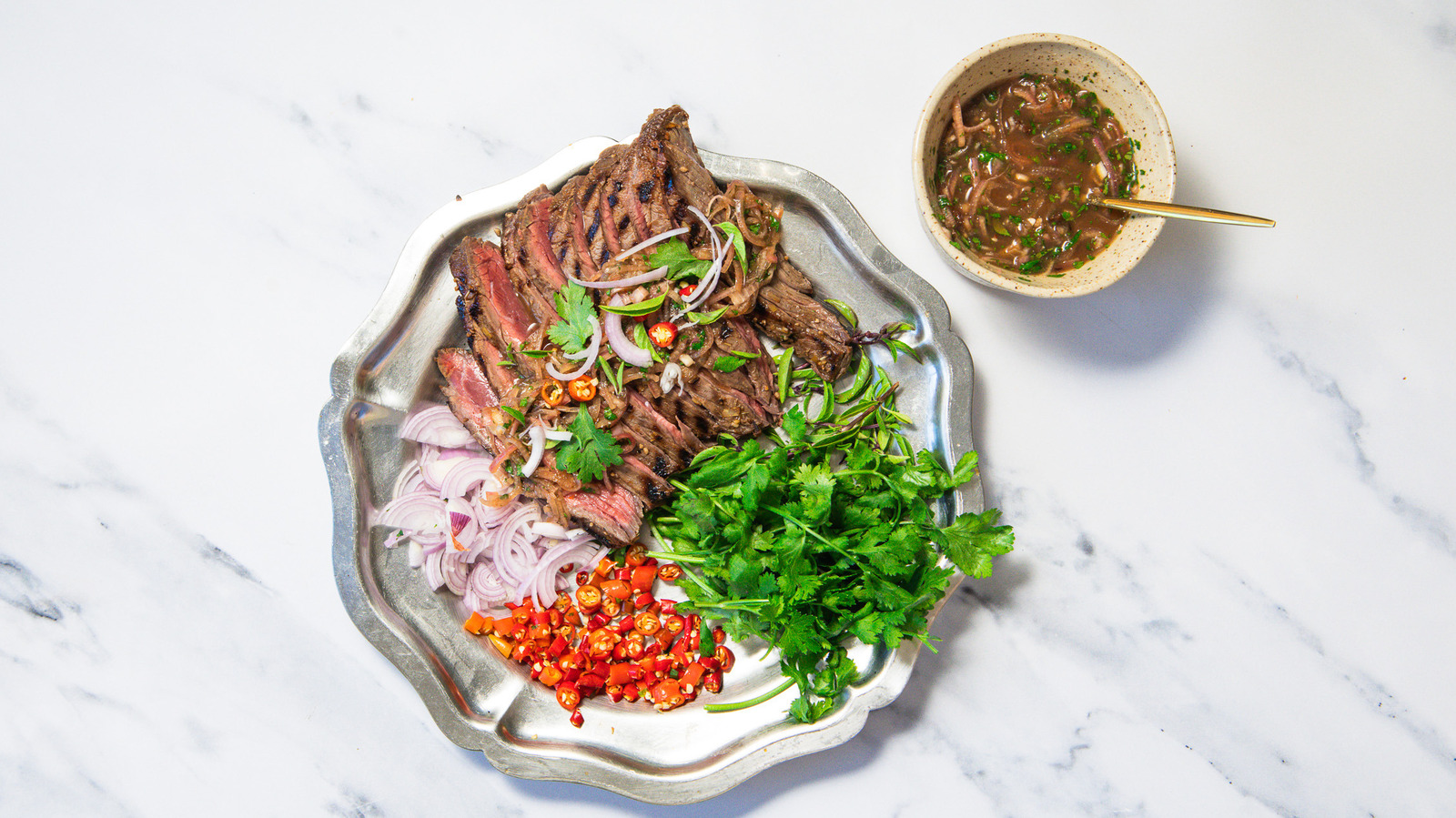
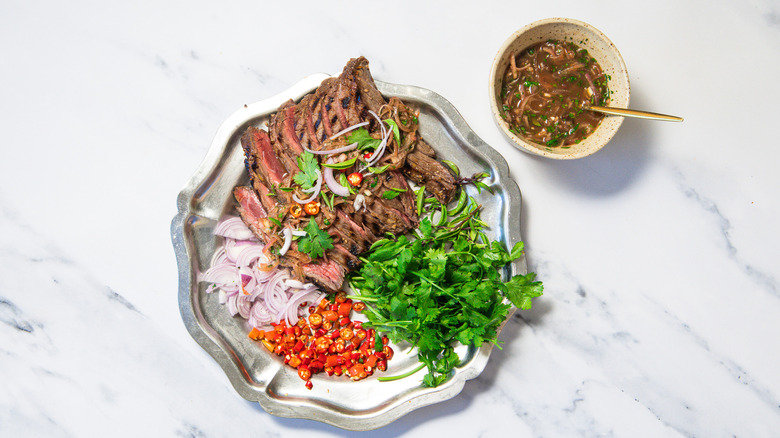
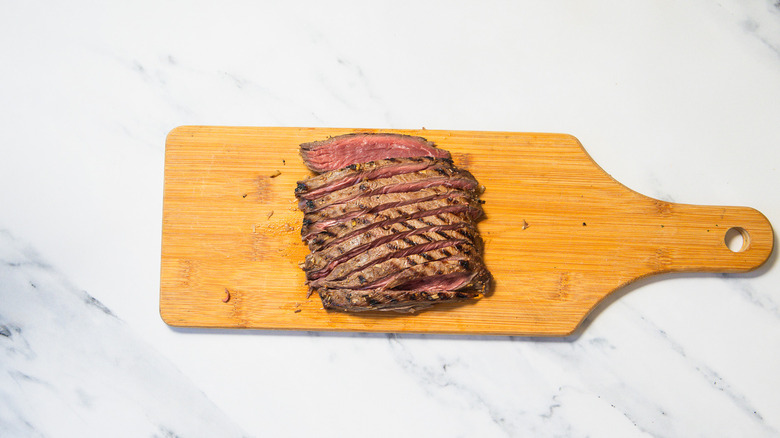
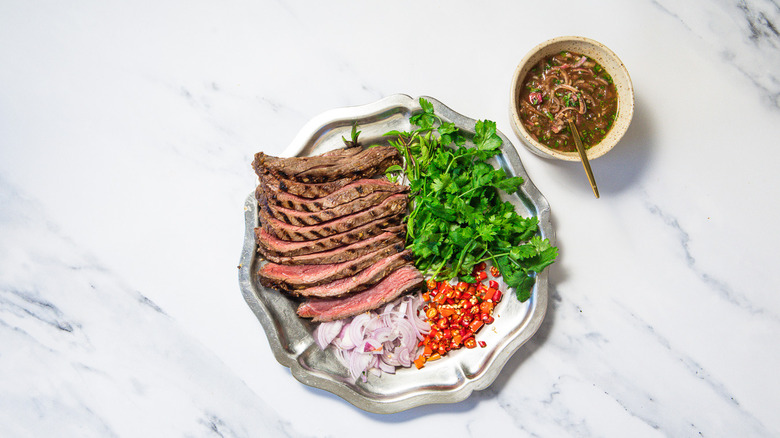
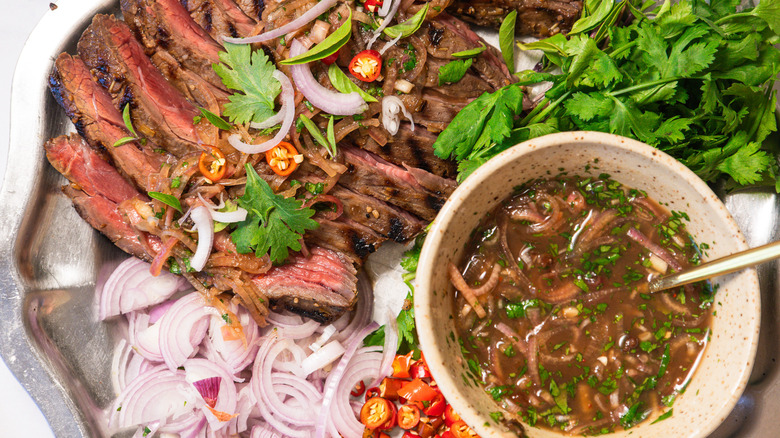
The final plating is as much about the visual as the gustatory. By arranging the thinly sliced steak alongside fresh Thai basil, cilantro, and bird’s eye chilies, the diner is invited to build their own bites, pairing a slice of beef with a fresh herb and a splash of the vibrant sauce.
Supporting Data: Understanding the Ingredients
To successfully execute this dish, one must understand the specific role of the ingredients, particularly those that may be unfamiliar to the novice cook.
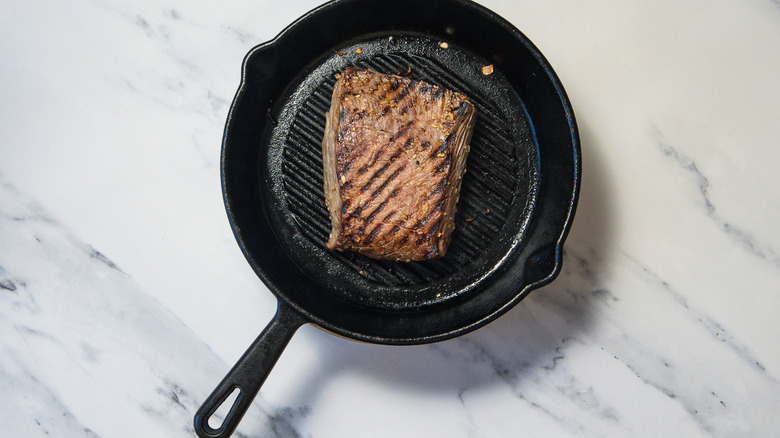
- Flap Steak (Bavette): Often overlooked, this cut from the bottom sirloin possesses a loose grain that is ideal for absorbing marinades. It provides a robust, beefy flavor profile at a fraction of the cost of a ribeye or strip loin.
- Tamarind Paste: Derived from the fruit of the tamarind tree, this paste provides a unique sourness that is more complex than vinegar. It is a staple in Asian pantries and can be softened with a quick blast in the microwave if it has hardened.
- Toasted Rice Powder (Khao Khua): This is perhaps the most important "secret" ingredient. By toasting raw white rice until golden brown and grinding it into a coarse powder, you gain an earthy, nutty aroma and a distinctive crunch that is characteristic of authentic Isan cuisine.
Implications for the Home Cook
The beauty of this Thai-style grilled steak lies in its accessibility. It does not require expensive equipment or high-end cuts of beef. Instead, it relies on the mastery of flavor balance and the willingness to step outside of traditional seasoning norms.
For the home cook, this recipe serves as a gateway into broader Southeast Asian cooking. The nam jim jaew sauce, once mastered, becomes a versatile tool. It can be drizzled over grilled chicken skewers, used as a dressing for a spicy beef salad (Nam Tok), or even served as an accompaniment to roasted root vegetables. The implication is clear: once you learn to balance these four pillars of Thai flavor, you can apply them to almost any protein in your refrigerator.
Professional Perspectives on Flavor Profiles
Culinary experts often point to the "funk" of fish sauce as the bridge between raw ingredients and gourmet results. In this dish, the saltiness of the fish sauce serves as a flavor enhancer for the beef, while the lime juice acts as a palate cleanser between bites.
Critics of the "purist" steak philosophy argue that by relying only on salt, we ignore the world of possibilities available through fermentation and aromatic layering. By integrating toasted rice powder and fresh, pungent herbs like Thai basil, we aren’t hiding the steak—we are amplifying its natural characteristics through a lens of global tradition.
Conclusion: A New Standard for Steak Night
The Thai-style grilled steak is more than just a recipe; it is an experience that transports the diner. By embracing the specific, vibrant ingredients of the region and following a methodical approach to marination and searing, you can achieve a dish that stands up to any traditional steakhouse offering. It is approachable, affordable, and deeply flavorful—the perfect addition to any home cook’s repertoire.
Whether you are a seasoned griller or a newcomer to the kitchen, the process of preparing this meal offers a satisfying journey. From the initial whisking of the marinade to the final, vibrant slice of perfectly cooked beef, this dish proves that the best steak isn’t just about the cut—it’s about the harmony of the accompaniments. Invite your guests, prepare the nam jim jaew, and prepare to change your definition of what a great steak can be.