The automotive landscape is undergoing a rapid metamorphosis, and Lincoln is proving that it is not content to sit on the sidelines. Despite swirling rumors regarding the longevity of its compact crossover, the automaker has officially put those concerns to rest by unveiling the 2027 Lincoln Corsair. Far from being a mere carryover, the 2027 model represents a decisive shift in Lincoln’s powertrain strategy, signaling a future where electrification—even in the form of conventional hybrids—becomes the standard rather than an optional upgrade.
Main Facts: A New Era for the Corsair
The most significant headline for the 2027 model year is the complete overhaul of the Corsair’s heart. Lincoln has eliminated all non-hybrid internal combustion engine options, standardizing the lineup with a new, potent turbocharged 2.0-liter hybrid powertrain paired exclusively with an all-wheel-drive (AWD) system. This configuration generates a healthy 305 horsepower, providing a seamless blend of performance and efficiency that modern luxury buyers demand.
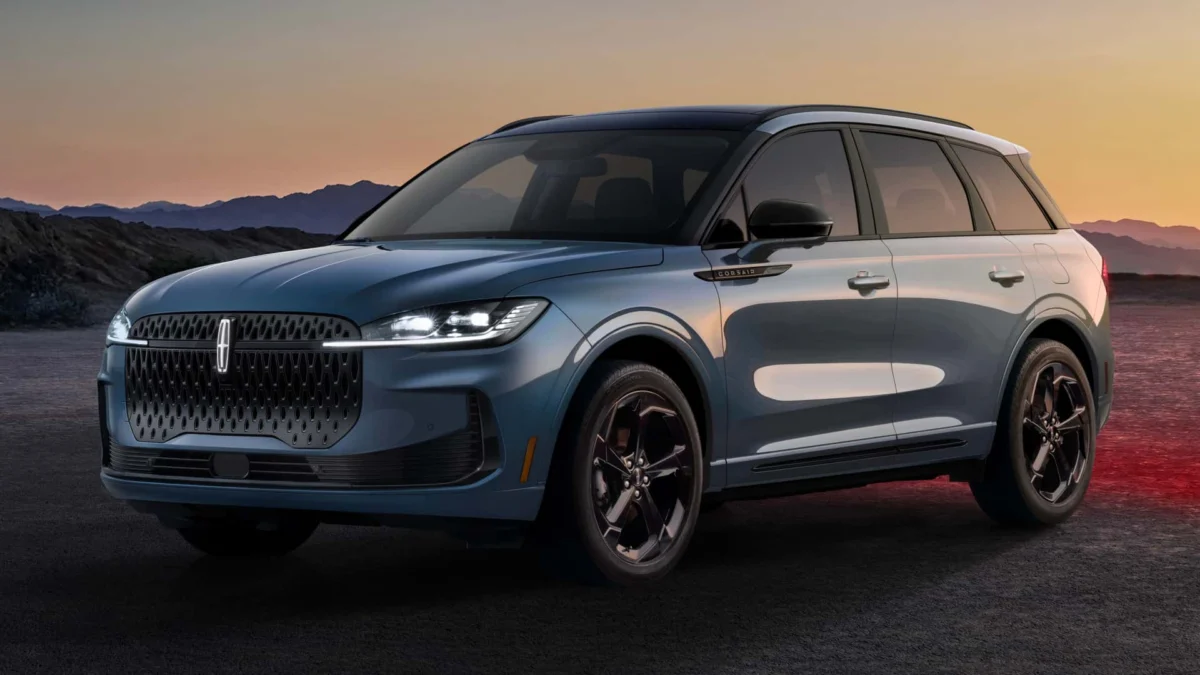
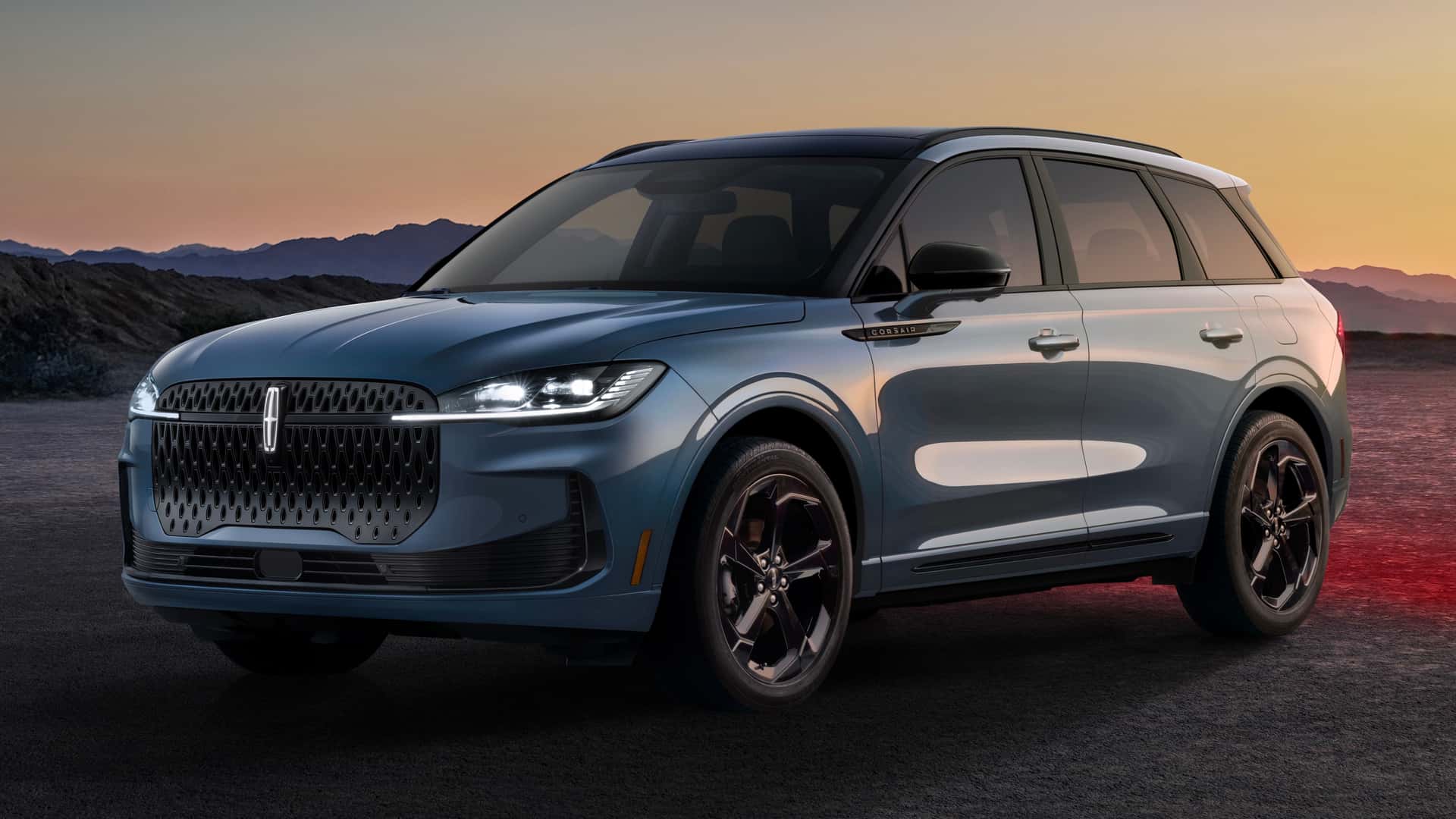
Beyond the mechanical shift, the Corsair has received a aesthetic refresh. The exterior design language has been sharpened, characterized by a more aggressive and sculpted hood, a redesigned signature Lincoln grille, and revamped LED headlamp clusters. The front and rear fascias have been meticulously restyled to provide a wider, more planted appearance, while the rear taillights now feature integrated Lincoln lettering, reinforcing the brand’s contemporary identity.
Inside, the cabin retains the familiar, ergonomically sound layout that owners have grown to appreciate, but it introduces the "Stellar Sun" color theme to inject a sense of warmth and modernity. Technology remains a core pillar, with the 12.3-inch digital gauge cluster and the 13.2-inch center-mounted infotainment touchscreen continuing to serve as the nerve center for the vehicle. Notably, the 2027 Corsair arrives with the latest iteration of Lincoln’s BlueCruise 1.5 hands-free driver-assistance technology as a standard feature, positioning the crossover as a leader in semi-autonomous convenience.
A Chronology of the Corsair’s Evolution
To understand the significance of the 2027 update, one must look at the trajectory of the nameplate. Introduced as the replacement for the MKC, the Corsair arrived in 2019 (for the 2020 model year) with a clear mission: to capture the hearts of younger, urban-dwelling luxury buyers.
- 2020: The Corsair launches with a choice of 2.0-liter and 2.3-liter turbocharged engines, emphasizing "Quiet Flight" and a refined, plush interior.
- 2021-2022: Lincoln introduces the Grand Touring plug-in hybrid (PHEV) variant, marking the brand’s first major step toward electrification in the compact segment.
- 2023: A mid-cycle refresh introduces a larger infotainment screen and the debut of the ActiveGlide (later BlueCruise) hands-free driving system.
- 2025-2026: The market shifts as competition in the segment intensifies. Lincoln begins evaluating its manufacturing footprint and powertrain efficiency requirements.
- 2027: The current pivot. Lincoln retires the internal combustion-only models and the expensive Grand Touring PHEV, choosing to streamline the range into a single, high-efficiency hybrid trim structure.
This timeline reflects a brand that is learning to navigate global manufacturing realities, specifically the decision to import these units from China, and the need to balance the high costs of luxury technology with the tightening margins of the compact SUV market.
Supporting Data: Trims, Tech, and Customization
The 2027 Corsair will be available in two distinct trim levels: the Premiere and the Reserve.
The entry-level Premiere trim serves as the new baseline, now significantly elevated in price due to the inclusion of the hybrid powertrain and AWD as standard equipment. For those seeking the pinnacle of the Corsair experience, the Reserve trim offers a host of premium amenities. Among the most notable are the 24-way "Perfect Position" front seats, which offer a bespoke level of comfort including heating, ventilation, and a multi-mode massage function. These seats are complemented by high-end interior finishes, including black satin ash wood accents and premium leather-trimmed seating surfaces.
Customization remains a strong suit for Lincoln. The 2027 model offers three wheel sizes—18, 19, and 20 inches—allowing for a range of styles from comfort-oriented to performance-focused. The exterior color palette has been expanded with five new, sophisticated hues:
- Nocturnal Blue
- Tinted Copper
- Chroma Flame Red
- Manhattan Green
- White Platinum
These join the standard Infiniti Black, which remains the only no-cost color option. For buyers desiring a more aggressive aesthetic, the Reserve trim allows for the addition of the $2,500 "Jet Appearance Package," which replaces chrome brightwork with blacked-out badging, a black-mesh grille, darkened bumpers, and sportier door trim, all sitting on 20-inch black-painted aluminum wheels.
Official Pricing and Market Positioning
The transition to a hybrid-only lineup comes with a noticeable adjustment to the Corsair’s price tag. The 2027 Lincoln Corsair Premiere now starts at $49,740, a $7,310 increase over the outgoing non-hybrid 2026 model. Similarly, the Reserve trim now carries a base price of $55,790, representing a $6,655 hike.
Lincoln has made the strategic decision to discontinue the Grand Touring PHEV model, which previously retailed at $55,860. By merging the performance and efficiency benefits into the standard model, Lincoln is simplifying the consumer’s decision-making process, though it effectively raises the "floor" for entry into the Corsair lineup. Orders for the 2027 model are currently being accepted, with the vehicles scheduled to arrive in dealerships early next year.
Implications: The Road Ahead
The decision to import the 2027 Corsair from China while simultaneously moving toward an all-hybrid lineup is a complex maneuver that carries significant weight for the brand.
Financial Implications
The increased starting price suggests that Lincoln is betting on its customers’ willingness to pay a premium for fuel efficiency and standard all-wheel drive. While the jump in price is substantial, it aligns the Corsair more closely with its primary rivals from German and Japanese luxury brands. However, it also pushes the Corsair into a territory where buyers might be tempted by larger, non-luxury SUVs or pure electric vehicles.
Brand Strategy
By standardizing the hybrid engine, Lincoln is signaling that it intends to remain a player in the "transitional" era of electrification. It isn’t diving head-first into full battery-electric vehicles (BEVs) with the Corsair, but it is moving away from the fossil-fuel-only reliance that has defined its compact history. This "middle-ground" strategy is designed to offer the benefits of lower fuel consumption and smoother power delivery without the range anxiety associated with charging infrastructure.
The "Motor1" Perspective
The compact crossover market is arguably the most competitive segment in the automotive world. Lincoln’s update to the Corsair is a pragmatic one. By focusing on the "Quiet Flight" experience through a hybrid powertrain, the company is playing to its strengths: comfort, interior refinement, and a unique design language that stands out in a sea of homogenous SUVs.
However, the challenge remains clear. The price hike is significant enough to give pause to potential buyers who were previously drawn to the Corsair as an accessible luxury entry point. Furthermore, the reliance on an imported vehicle strategy requires careful navigation of geopolitical and supply chain factors.
Ultimately, the 2027 Lincoln Corsair is a testament to the brand’s resilience. It proves that Lincoln is listening to the market’s demand for hybrid technology while refusing to abandon its commitment to the aesthetic and tactile luxury that defined the brand’s recent resurgence. Whether the luxury consumer will embrace the higher entry price for these improvements remains to be seen, but one thing is certain: the Lincoln Corsair is not only surviving; it is evolving to meet the demands of a changing world.