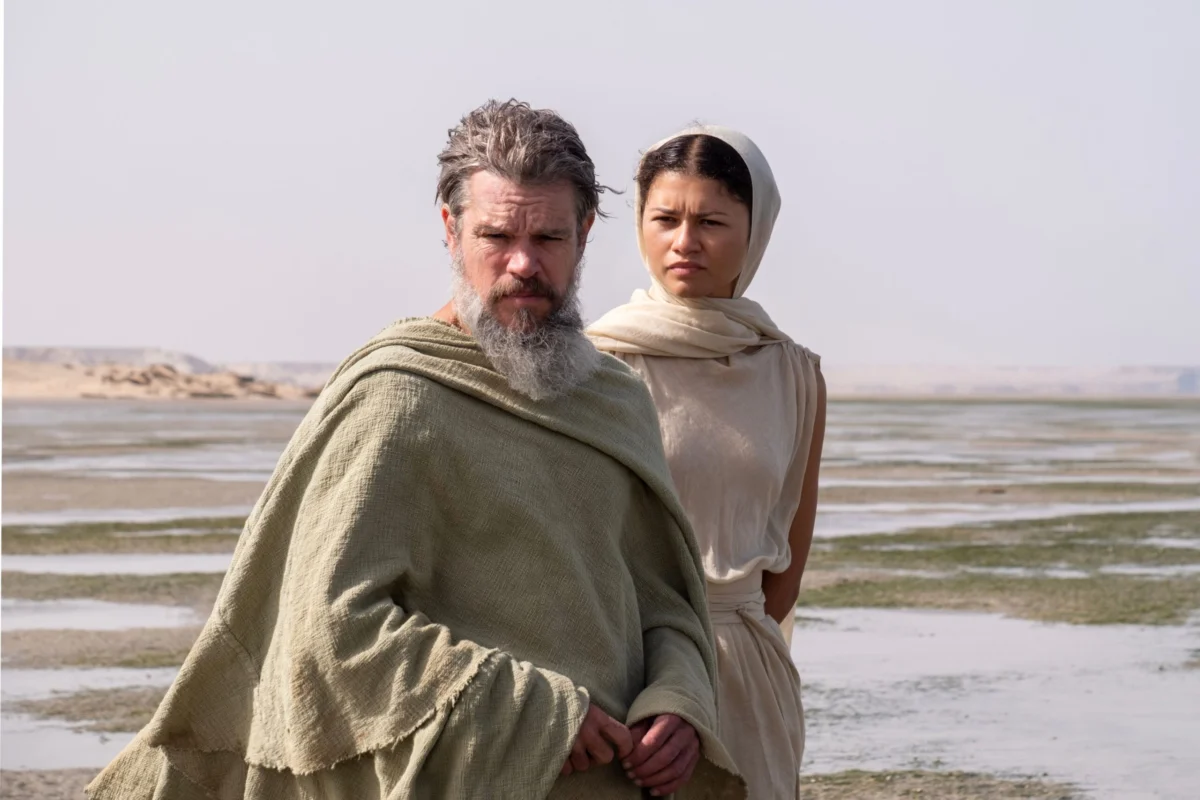
The enduring legacy of Homer’s The Odyssey—a foundational pillar of Western literature—continues to permeate global storytelling. Christopher Nolan’s recent cinematic adaptation, The Odyssey, has reignited interest in the ancient Greek epic, bringing its hallmark "swords-and-sandals" aesthetic to a modern audience with sweeping scale and visceral intensity. Yet, the story of Odysseus is more than a spectacle of cyclopes and sirens; it is a profound meditation on the tension between free will and predetermined fate, the crushing weight of nostalgia, and the grueling, decade-long struggle for homecoming.
While direct adaptations of Homeric myths are relatively rare in the medium of anime, the DNA of the Odyssey—the epic journey, the battle against divine forces, and the search for identity—is woven into the fabric of many Japanese animated works. For viewers captivated by the cinematic scale of Nolan’s interpretation, these 10 anime series offer a thematic bridge to the ancient world, echoing the trials and triumphs of the King of Ithaca.
The Core Themes: A Chronology of the Hero’s Journey
At its heart, The Odyssey is a narrative of displacement. It follows a man who has "seen the cities and learned the minds of many men," only to find himself barred from the hearth he fought so desperately to reach. This narrative structure—the Hero’s Journey—has been replicated, deconstructed, and expanded upon throughout the history of anime.
- The Departure: The hero is pulled from their status quo, often by divine decree or inescapable catastrophe.
- The Trial: A series of encounters with the "Other"—monsters, gods, or alien civilizations—that force the hero to rely on wit over raw strength.
- The Internal Conflict: The struggle between the desire for home and the necessity of the journey.
- The Return: The final reconciliation, where the hero finds that the home they left is no longer the home they return to.
1. Ulysses 31: The Sci-Fi Reimagining
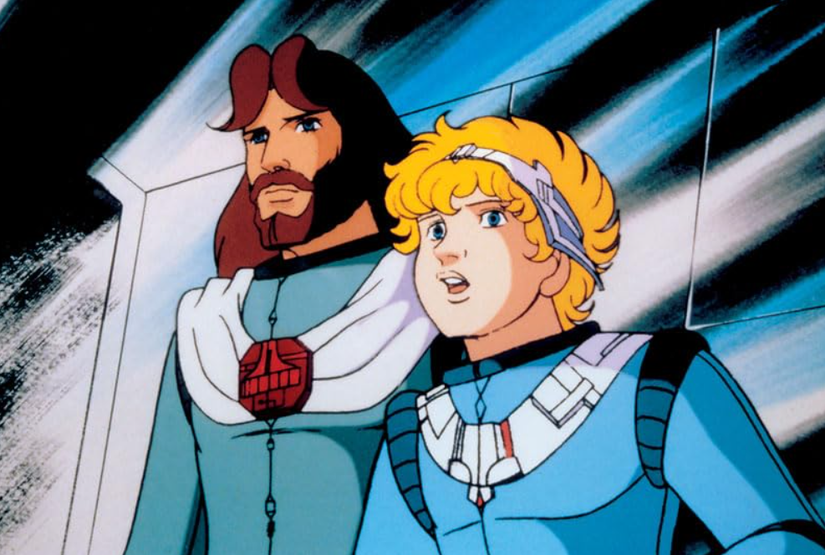
Perhaps the most literal interpretation of the source material, Ulysses 31 (a 1981 co-production) transports the Homeric myth into the 31st century. Ulysses, commander of the spaceship Odyssey, finds himself in the crosshairs of the Olympian gods after killing a giant Cyclops to save a group of children.
Implications: The show serves as a masterclass in adapting mythological tropes to genre fiction. The "Lotus-Eaters" are reimagined as an alien race peddling amnesia-inducing seeds, while the Sirens become deceptive cosmic entities. It retains the core emotional tether of the original: a father’s desperate quest to lift a curse and return to his son, Telemachus.

2. Record of Ragnarok: The Divine Tournament
In the realm of Shinya Umemura and Takumi Fukui’s Record of Ragnarok, the scope shifts from a single traveler to the survival of the human race. When the Gods’ Council determines that humanity’s millennia of corruption warrant extinction, the Valkyrie Brunhilde intervenes.
Supporting Data: The series utilizes a tournament-style format, pitting legendary human figures against deities. While it lacks the traditional "voyage home," it captures the "clash between free will and destiny" that defines Homer’s work. It explores the cost of hubris and the resilience of human intellect against the absolute power of the divine.
3. One Piece: The Odyssey of the Sea
Eiichiro Oda’s One Piece is arguably the closest thematic spiritual successor to the Odyssey in modern pop culture. The Straw Hat Pirates’ journey is an "eventful" odyssey in its own right, island-hopping through a world fraught with corrupt authorities, mythical monsters, and the weight of "inherited will."
Implications: The series frequently draws from Greek mythology—such as the Gorgon sisters (Boa Hancock)—but it excels at capturing the feeling of a vast, unpredictable sea. It touches upon the same themes of camaraderie, the dangers of power, and the pursuit of a legendary destination (the One Piece treasure) that mirrors Odysseus’s goal of reaching Ithaca.
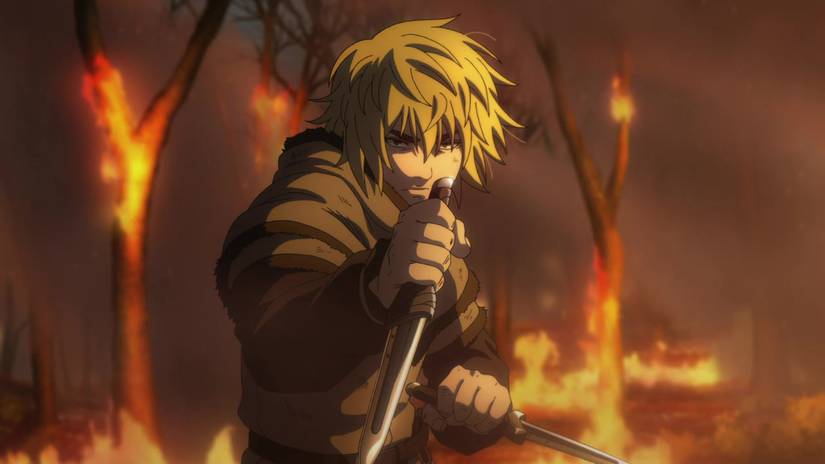
4. Vinland Saga: From Vengeance to Peace
Makoto Yukimura’s Vinland Saga begins as a brutal Viking revenge story but evolves into a profound existential inquiry. Thorfinn Thorsson’s journey mirrors Odysseus’s connection to the sea, though his trajectory moves from the chaos of war toward the mythic, peaceful land of Vinland.
Official Perspective: The series subverts the traditional "heroic" journey by forcing its protagonist to confront the psychological toll of violence. Like Odysseus, Thorfinn must strip away his pride and his past to reach his "home"—a place that represents a future entirely removed from his history of blood.
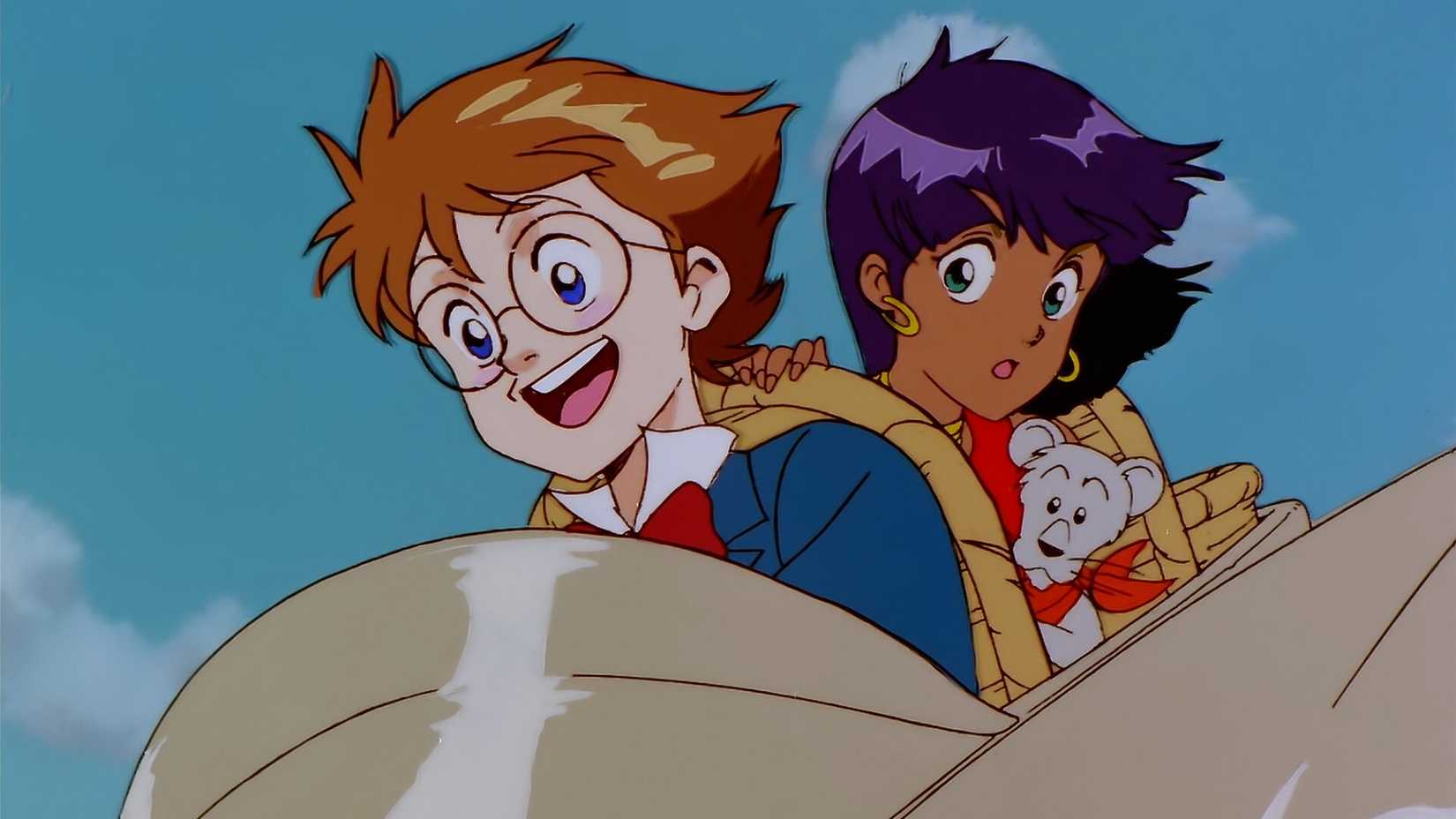
5. Nadia: The Secret of Blue Water
Directed in part by Hideaki Anno (of Evangelion fame), Nadia: The Secret of Blue Water is an overlooked gem of the steampunk genre. Set in 1889, it follows young Nadia and inventor Jean as they evade thieves, encounter sea monsters, and traverse the globe in the submarine Nautilus.
Supporting Data: The show functions as a grand adventure, echoing the episodic nature of the Odyssey’s encounters. It captures the wonder of discovery and the high-stakes navigation of an unforgiving ocean, providing a narrative depth that elevates it beyond standard steampunk tropes.
The Philosophical Weight: Fate and Free Will
When analyzing these works, one must consider the implications of "predestination." In Homer’s epic, the gods are active participants in human suffering. In modern anime, this "divine" influence is often represented by systemic corruption, technological determinism, or the weight of trauma.
6. Made in Abyss
While Made in Abyss appears to be a standard fantasy, it is a descent into a literal and figurative "underworld." The Abyss acts as the ultimate trial, where the deeper one travels, the more profound the "curse" becomes. Riko’s quest, alongside the automaton Reg, is a journey into the unknown that challenges the boundaries of human endurance.
7. Rage of Bahamut: Genesis
This series centers on the flawed, cunning Favaro Leone. Its strength lies in its embrace of the "trickster hero" archetype—a direct parallel to Odysseus’s own reputation as the "man of many wiles." It masterfully balances high-fantasy stakes with the personal growth of its leads.
8. Gargantia on the Verdurous Planet
Ensign Ledo’s displacement from a high-tech space war to a primitive, ocean-covered planet is a perfect modern metaphor for Odysseus being stranded in foreign lands. His mecha, Chamber, serves as an Athena-like guide, facilitating his assimilation and personal growth in a world that is fundamentally different from his own.
9. Berserk: The Burden of Destiny
Kentaro Miura’s Berserk is the darkest of these reflections. It explores the struggle against a "cursed fate" in a world that is indifferent to human life. Guts, the protagonist, is a warrior who rejects the hand he is dealt. Unlike Odysseus, who yearns for home, Guts is forced to find a new definition of family in a world that offers him only monsters.
10. Drifting Dragons
Focusing on the crew of the Quin Zaza, Drifting Dragons emphasizes the communal aspect of the journey. It is a story about the "road traveled," where the camaraderie among the crew is the only thing preventing them from being consumed by the vast, dangerous sky. It is a celebration of the journey itself rather than the destination.
Conclusion: The Persistence of the Epic
The resonance of The Odyssey in these 10 anime titles proves that the story of the wanderer is not merely an ancient relic; it is a vital human experience. Whether the hero is a space-faring commander, a pirate, or a cursed warrior, the core questions remain identical: Who am I when I am far from home? What is the cost of my ambition? And can I ever truly return to who I was?
As Christopher Nolan’s The Odyssey reminds us, the scale of the adventure is only as significant as the internal transformation of the person undertaking it. These anime series provide a diverse, compelling range of perspectives on this ancient struggle, proving that as long as humans have stories to tell, they will continue to look toward the horizon, seeking a way home.