In the landscape of modern cinema, few directors have managed to bridge the cavernous gap between high-concept intellectualism and the sheer, adrenaline-fueled spectacle of the summer blockbuster. Following the immense critical acclaim surrounding his 2026 epic, The Odyssey, Christopher Nolan has solidified his status not merely as a filmmaker, but as a cultural institution. His filmography—a collection of complex, interlocking puzzle boxes—has consistently challenged audiences to engage with cinema as an active, rather than passive, experience. From the non-linear temporal shifts of Dunkirk to the sleight-of-hand narrative construction of The Prestige, Nolan’s work is characterized by a refusal to sacrifice thematic depth for the sake of accessibility.
However, the film that truly crystallized the “Nolan-esque” identity remains his 2010 masterpiece, Inception. Sixteen years after its initial release, the film stands as a testament to a bygone era of original, big-budget storytelling. As the film is now available to stream for free on YouTube, it offers the perfect opportunity to revisit one of the most ambitious, daring, and structurally perfect blockbusters of the 21st century.
Main Facts: The Architecture of a Dream Heist
At its heart, Inception is a high-stakes heist movie draped in the vestments of hard science fiction. The narrative follows Dom Cobb, played by Leonardo DiCaprio, a specialized corporate spy who operates in the world of industrial espionage. Unlike traditional thieves who target vaults or servers, Cobb extracts secrets directly from the subconscious of his targets while they are in a state of REM sleep.
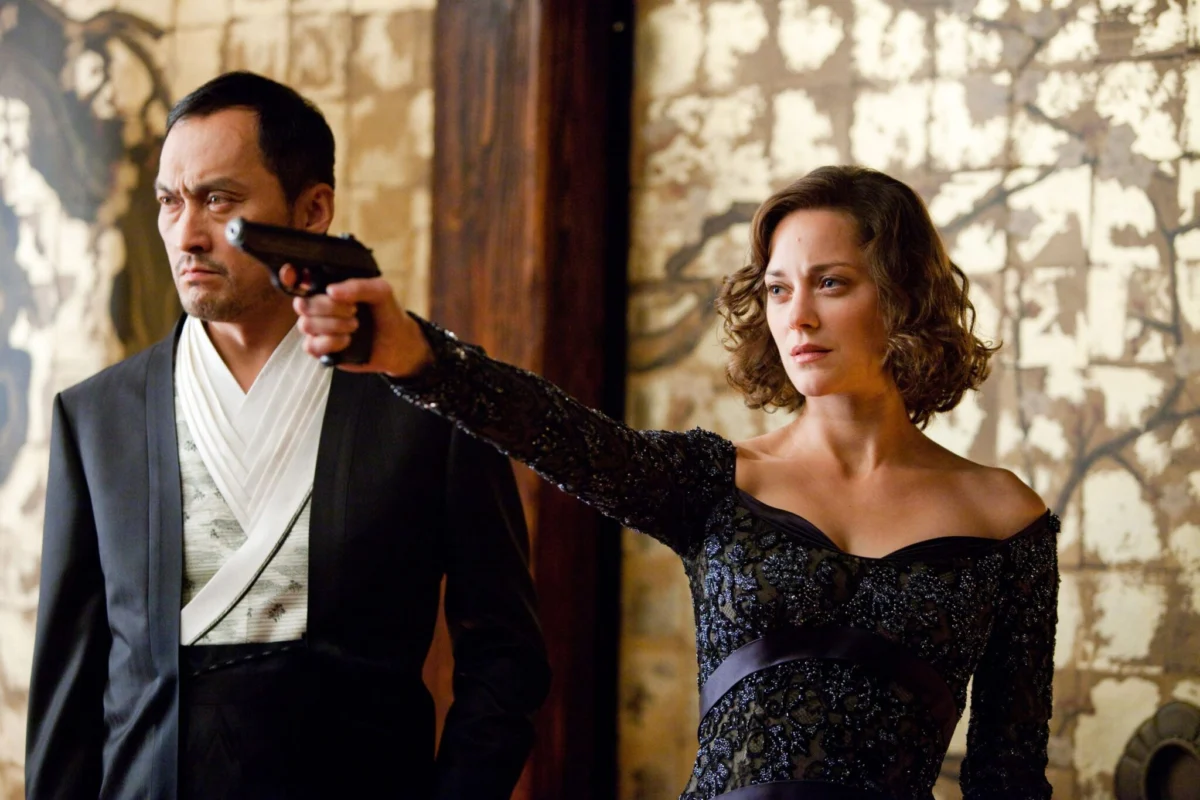
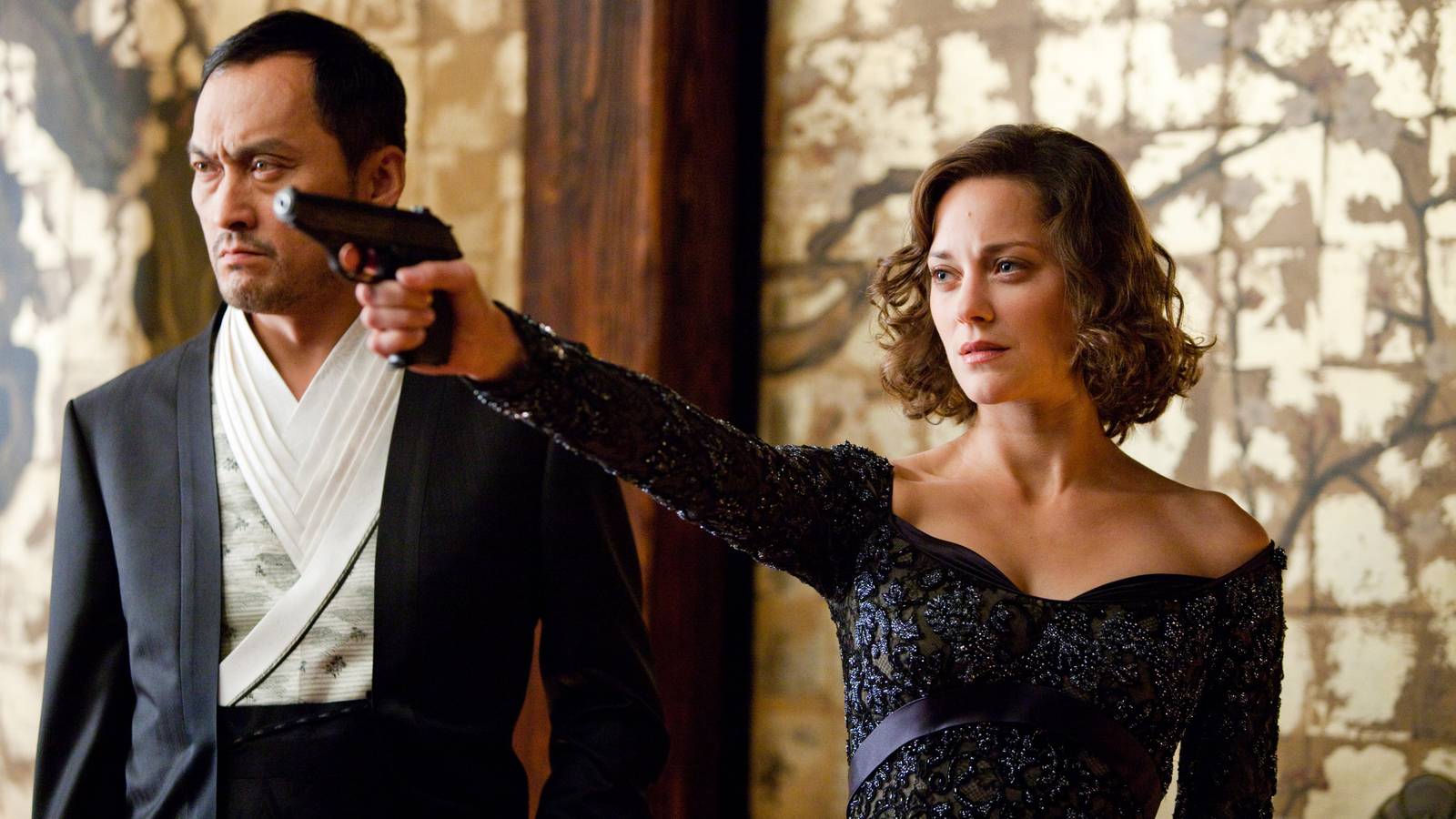
The film introduces a unique set of "dream mechanics," governed by a fictional technology known as the PASIV device (Portable Automated Somnacin Intravenous). This allows multiple users to enter a shared dream space. The stakes are elevated when a powerful businessman, Saito (Ken Watanabe), offers Cobb a "clean slate"—a chance to return to his children in the United States—if he can pull off the impossible: "inception," the act of planting an idea rather than stealing one.
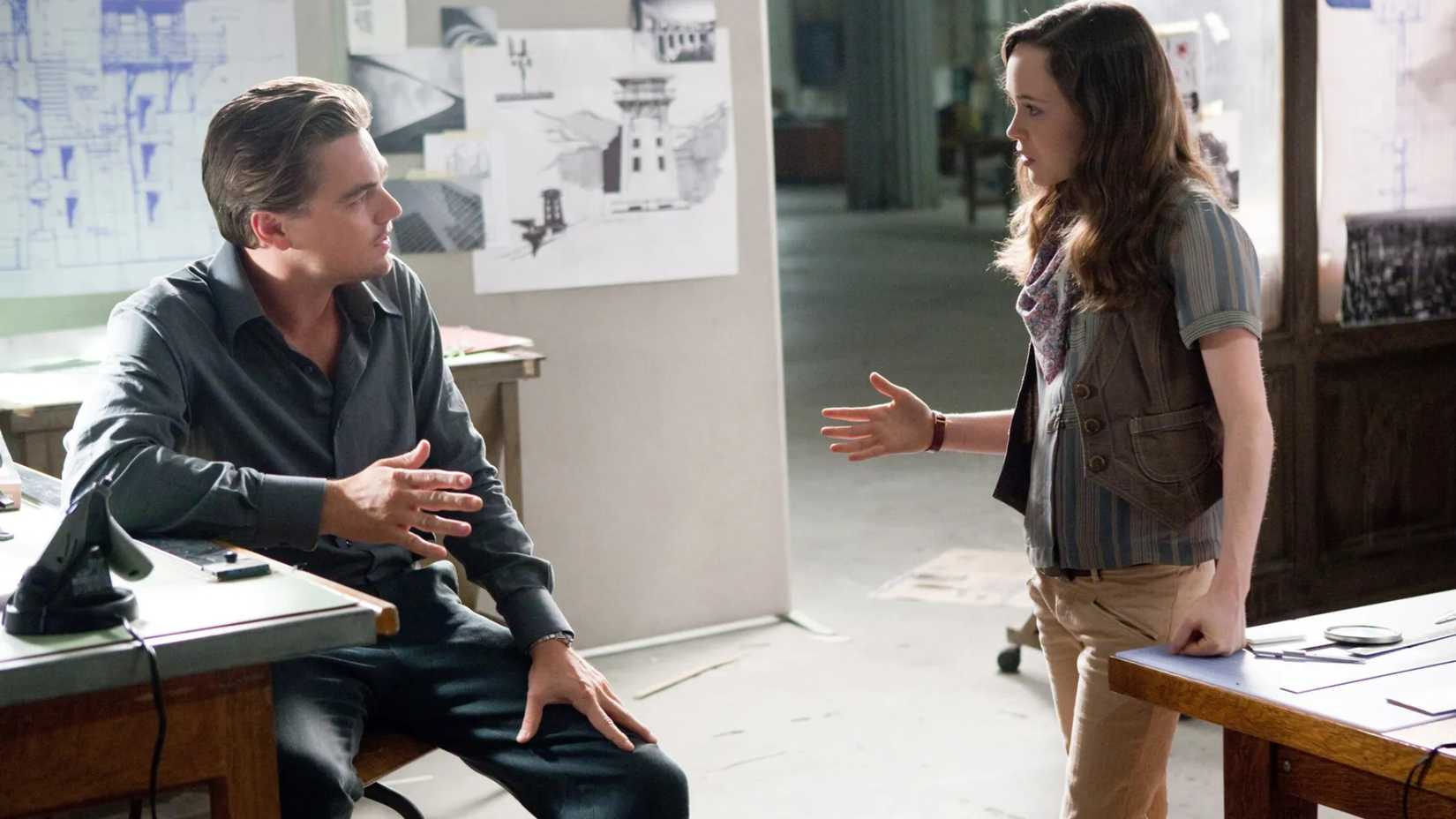
To achieve this, Cobb assembles a specialized team: Arthur (Joseph Gordon-Levitt) as the Point Man, Ariadne (Elliot Page) as the Architect, Eames (Tom Hardy) as the Forger, and Yusuf (Dileep Rao) as the Chemist. Together, they embark on a mission that requires them to traverse multiple, nested layers of the subconscious, where time dilates and the laws of physics are merely suggestions.
A Chronology of Influence and Impact
To understand the significance of Inception, one must look at the trajectory of Nolan’s career. Before Inception, Nolan had spent years establishing his credibility through noir-infused thrillers like Memento (2000) and the grounded, gritty realism of Batman Begins (2005).
- 2000-2005: The Formative Years. Nolan experiments with non-linear storytelling and character-driven stakes.
- 2008: The Dark Knight shifts the paradigm of the comic book movie, proving that blockbuster cinema could handle complex moral ambiguity.
- 2010: Inception is released. It acts as the synthesis of his previous work—combining the emotional weight of his early films with the massive production scale of his superhero work.
- 2010-2026: The "Nolan Brand." Inception sets the standard for original IP success, allowing the director to pursue even more daring projects like Interstellar, Tenet, and the recently released The Odyssey.
The film’s release was a watershed moment for Warner Bros. It proved that audiences were hungry for challenging, original scripts. It became a cultural touchstone, sparking years of debate regarding its ambiguous ending and the mechanics of its "totem" system.
Supporting Data: Practical Filmmaking in the Digital Age
What separates Inception from the bloated CGI-fests of the 2010s is its unwavering commitment to practical effects. Nolan, a staunch advocate for celluloid and in-camera stunts, insisted that the dreamscapes feel "real" to the actors to ensure the audience felt the visceral weight of the environments.

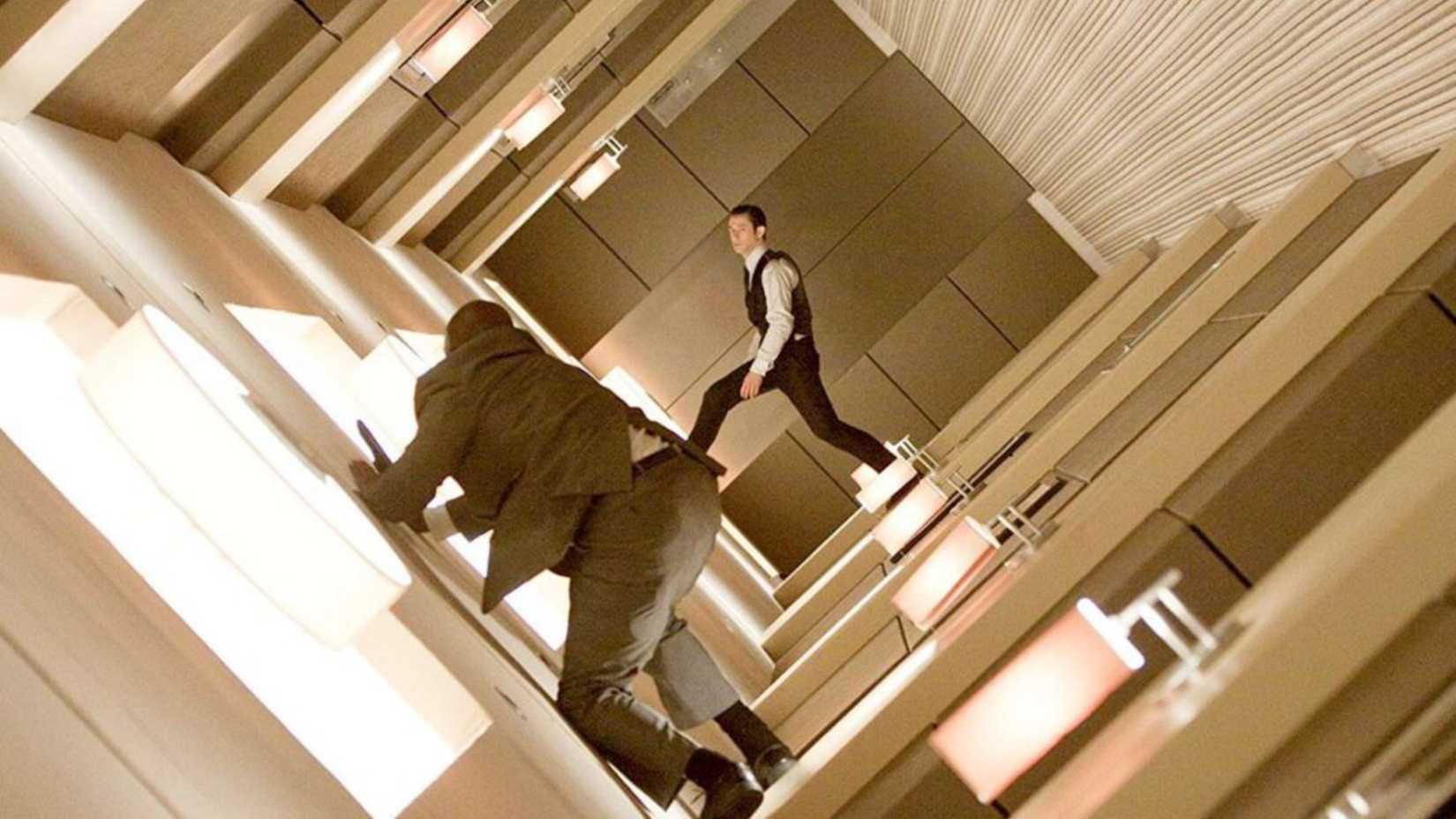
The most famous example is the rotating hallway sequence. Rather than using green screens or digital assets, the production team constructed a 100-foot-long rotating corridor, powered by massive industrial motors. Joseph Gordon-Levitt spent weeks training to fight within this shifting gravity, resulting in a sequence that feels physically heavy and disorienting in a way that modern CGI simply cannot replicate.
Furthermore, the "snow fortress" climax is a masterclass in editing. The sequence occurs across three levels of dreams simultaneously, with the action in the van (the first level) dictating the physics of the hotel (the second level), which in turn impacts the fortress (the third level). The editing team had to choreograph these scenes to ensure the audience understood the relationship between the layers—a feat of structural filmmaking that is still studied in film schools today.
Official Responses and Critical Legacy
Upon its release, Inception was greeted with near-universal critical acclaim. It currently holds an 87% approval rating on major review aggregators, with critics often citing its "cerebral nature" as its greatest strength.
"Nolan has created a film that is as smart as it is spectacular," wrote one prominent critic in 2010. "It is a rare blockbuster that respects the intelligence of its audience."
However, the film was not without its detractors. Some critics argued that the heavy exposition—necessary to explain the dream rules—made the film feel cold or overly clinical. Despite this, the film’s emotional anchor—Cobb’s grief over his deceased wife, Mal (Marion Cotillard)—served to ground the high-concept premise. The film’s success pushed the industry toward more cerebral sci-fi, leading to a wave of "smart" blockbusters like Arrival and Blade Runner 2049.
The "Paprika" Parallel: A Cultural Conversation
No discussion of Inception is complete without addressing its thematic lineage. Critics and scholars have long pointed to the striking similarities between Inception and Satoshi Kon’s 2006 anime, Paprika. Both works deal with a device that allows therapists/thieves to enter the dreams of others, and both feature imagery—such as mirrors shattering or hallways bending—that overlap significantly.
While Nolan has never officially cited Paprika as a direct influence, the parallels are undeniably part of the film’s DNA. However, whereas Kon’s Paprika explores the surreal, fluid, and chaotic nature of the subconscious, Inception is distinctly Western and structural. It takes the dream world and imposes the rigid, disciplined rules of a heist movie upon it. It is, in effect, a dream version of Michael Mann’s Heat.
Implications: The Enduring Mystery of the Top
The most profound implication of Inception is its legacy as a mirror for the audience. The final shot—a spinning top that wavers but never definitively falls—is more than just a cliffhanger. It is a thematic thesis statement.
Throughout the film, the characters are obsessed with knowing the difference between reality and the dream. Yet, by the end, Cobb stops watching the totem. He walks away to his children, indifferent to whether his reality is "real" or a construct. The implication is that our personal truths—the things we choose to value and love—are more important than the objective nature of the world around us.
Sixteen years later, the film remains a cultural benchmark. It forces us to ask: If we are happy, does it matter if we are dreaming?
Conclusion: A Must-Watch Experience
As we navigate the cinema of 2026, where the line between technology and reality continues to blur, Inception feels more relevant than ever. It is a film that rewards repeated viewings, with every rewatch revealing a new layer of detail or a subtle clue regarding the film’s complex geography.
With its availability for free on YouTube, there is no barrier to entry for a new generation of viewers. Whether you are a student of cinema looking to understand the mechanics of blockbusters or simply a fan of high-octane, intelligent storytelling, Inception is mandatory viewing. Just be sure to keep an eye on your totem—and remember, the most resilient parasite is an idea.