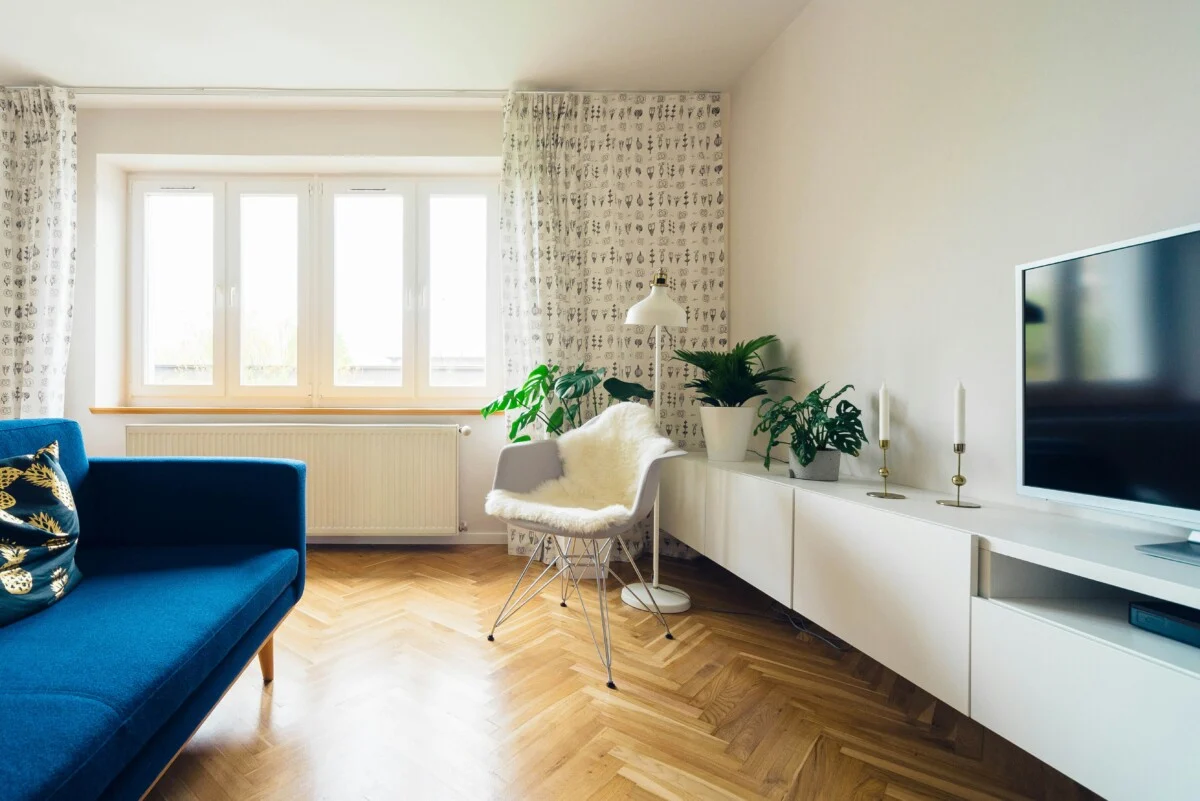
When you step into a home built several decades ago, you often encounter a sensation that transcends mere aesthetics. It isn’t just the peeling wallpaper, the harvest-gold appliances, or the dated light fixtures that signal a home is out of step with the times; it is the very "bones" of the structure. A home’s floor plan acts as the skeleton of your daily life, dictating how you move, interact, and find rest. When that skeleton is rigid, compartmentalized, or poorly aligned with modern habits, even the most beautifully staged house can feel claustrophobic and stuck in a bygone era.
Whether you are scouting for a property in the bustling markets of Dallas, the rainy corridors of Seattle, or the sprawling suburbs of Phoenix, understanding the architecture of your potential home is critical. This guide explores why certain layouts fail modern standards and how you can spot—and potentially rectify—an outdated floor plan before you commit to your next move.
The Evolution of Domesticity: A Chronology of Layout Trends
To understand why a home feels "off," one must look at how residential design has mirrored the shifting priorities of society over the last century.
The Era of Compartmentalization (1950s–1970s)
In the mid-20th century, homes were designed with a distinct focus on utility and separation. Rooms had singular purposes: a kitchen was for cooking (and was kept strictly out of sight), a dining room was for formal meals, and a parlor was for receiving guests. This was a response to the technology of the time—gas stoves were smoky, and domestic life was more stratified. Walls were necessary barriers to contain heat, noise, and the "mess" of household chores.
The Rise of the "Great Room" (1980s–2010s)
As the 20th century closed, the American home underwent a radical transformation. The "Great Room" concept emerged, tearing down the barriers between the kitchen, living room, and dining area. The goal was transparency, social connectivity, and the integration of the cook into the social fabric of the household. During this period, the kitchen island became the altar of the home, replacing the formal dining table as the primary gathering spot.
The Modern "Broken-Plan" Era (2020s–Present)
Today, we are witnessing a subtle correction. While the total "open-concept" layout remains popular, many homeowners are finding that a lack of walls leads to acoustic chaos and a lack of privacy. The current trend is "broken-plan" living—a hybrid approach that utilizes glass partitions, pocket doors, and half-walls to maintain the light and flow of an open floor plan while providing the functional seclusion needed for remote work and quiet reflection.
4 Key Indicators of an Outdated Layout
When touring homes, prospective buyers should look beyond the cosmetic staging to evaluate the structural integrity of the floor plan. Here are the four primary signs that a layout is misaligned with modern life.
1. The Labyrinthine, Compartmentalized Floor Plan
The most glaring sign of an outdated home is a "choppy" layout. If you feel like you are traversing a maze of hallways just to get from the entryway to the kitchen, the flow is likely inefficient. High wall counts that sever the visual connection between rooms create a feeling of claustrophobia that contradicts the modern desire for spaciousness and natural light.
2. The Isolated Kitchen
In the past, the kitchen was often tucked into the deepest, darkest corner of the house, treated as a service area rather than a social hub. A kitchen that is separated from the living area by a single, narrow door is a relic of an era when the cook was expected to be isolated from guests. Modern buyers prioritize sightlines; they want to be able to supervise children or converse with friends while preparing meals.
3. Formal Rooms That Collect Dust
The dedicated, rarely-used formal dining room is perhaps the most debated feature in real estate today. While these rooms can offer a sense of grandeur, for the average family, they often become expensive storage units for furniture that is used twice a year. If a home devotes significant square footage to a formal front parlor or dining room that offers no flexibility, it is likely an inefficient use of space.
4. Bottlenecks and Poor Traffic Flow
A home’s layout should facilitate movement. When a floor plan forces guests to walk through the kitchen to reach the bathroom, or creates a "bottleneck" where the main entry and the garage mudroom intersect, the daily utility of the home drops significantly. According to industry experts, the best homes function like a well-choreographed dance, where paths of travel are clear and intuitive.

Expert Insight: Bridging the Gap
Yuki, a Content Editor at Ideal House, notes that the friction between old and new is largely about the transition between "work" and "life."
"One of the clearest signs that a floor plan feels outdated is when the main living spaces are disconnected from how people actually gather today," Yuki explains. "Modern homes succeed when cooking, dining, and relaxing have a natural visual connection. When a layout forces a person to choose between being isolated in a kitchen or exposed in a noisy living room, that home is failing the occupant. The goal today is ‘fluidity with privacy.’"
Supporting Data: The Modern Standard
| Feature | The Outdated Standard | The Modern Ideal |
|---|---|---|
| Kitchen | Enclosed, isolated, service-oriented. | Open-concept, social, island-centric. |
| Dining | Rigid, formal, under-utilized. | Integrated, "flex" spaces, multi-use. |
| Primary Suite | Small, tight, minimalist storage. | Spa-like, walk-in closets, sanctuary focus. |
| Utility | Single-purpose rooms. | Multi-functional, home office integration. |
Implications: The Financial and Practical Costs
If you fall in love with a home’s neighborhood or exterior architecture but find the interior layout lacking, you are essentially looking at a renovation project. This has significant financial implications.
The Cost of Structural Change
The most common solution to an outdated floor plan is moving walls. However, before swinging a sledgehammer, you must determine if a wall is load-bearing. Load-bearing walls support the weight of the structure above; removing them requires the installation of expensive steel beams and professional engineering oversight.
The Plumbing Hurdle
The most expensive flaw to fix in any home is the location of plumbing. If your kitchen or bathroom is in the wrong place, moving the heavy pipes buried under concrete slabs or within subfloors can quickly turn a $20,000 renovation into a $100,000 endeavor. Buyers are advised to keep a substantial "renovation buffer" in their budget if the layout requires structural or plumbing shifts.
The "Design Fix" Alternative
If structural changes are not in the budget, you can use "design-led" solutions to mitigate the feeling of a dated layout:
- Uniform Flooring: Installing the same flooring throughout adjacent rooms tricks the eye into perceiving the space as one large, connected area.
- Strategic Lighting: Replacing heavy, localized light fixtures with recessed lighting can brighten dark, isolated corners.
- Door Modifications: Swapping standard swinging doors for pocket doors or barn doors can eliminate "dead space" and open up tight transitions.
FAQ: Navigating the Layout Dilemma
Is a closed floor plan always a dealbreaker?
Not necessarily. The pendulum is swinging back toward "broken-plan" living. A closed layout is only truly dated if it creates dark, cramped, and isolated pockets. If the rooms are well-proportioned and connected by wide archways, they can offer a sophisticated, cozy alternative to the echo-chamber effect of a completely open-concept design.
How can I spot a load-bearing wall during a showing?
While only a professional engineer can say for sure, general clues include:
- Walls that run perpendicular to the floor joists.
- Walls located in the center of the home.
- Thick, reinforced walls that house large plumbing stacks or HVAC ducts.
Can furniture save a bad layout?
To an extent, yes. Proper furniture arrangement can define "zones" in a way that suggests a flow that isn’t inherently there. By keeping walkways clear and grouping furniture to face outward toward focal points (rather than inward toward walls), you can improve the perceived utility of even the most stubborn floor plans.
The Bottom Line
An outdated floor plan is more than an aesthetic nuisance; it is a hurdle to your daily quality of life. When shopping for your next home, it is easy to be seduced by fresh paint, high-end staging, and modern staging furniture. However, the true value of a home lies in its bones. By paying attention to how rooms connect, how the light moves, and whether the space accommodates the reality of your day-to-day routine, you can ensure that your next investment is not just a house, but a home that functions as well as it looks.