The United Nations Human Rights Office has issued a stern call to the government of Sri Lanka, demanding a "prompt, independent, and transparent" investigation into the harrowing surge of violence within the nation’s correctional facilities. This international intervention follows a catastrophic riot at the Negombo Prison on July 5, 2026, which claimed the lives of at least 28 individuals, including seven prison officials, and left over 100 others injured.
The situation has rapidly evolved from a localized prison riot into a national human rights crisis, fueled by disturbing reports of post-transfer deaths and credible allegations of systemic torture. As the death toll rises and international observers express alarm, Sri Lanka faces intense pressure to reform a penal system that human rights advocates describe as being in a state of terminal collapse due to chronic overcrowding and institutional neglect.
The Negombo Tragedy: A Chronology of Unrest
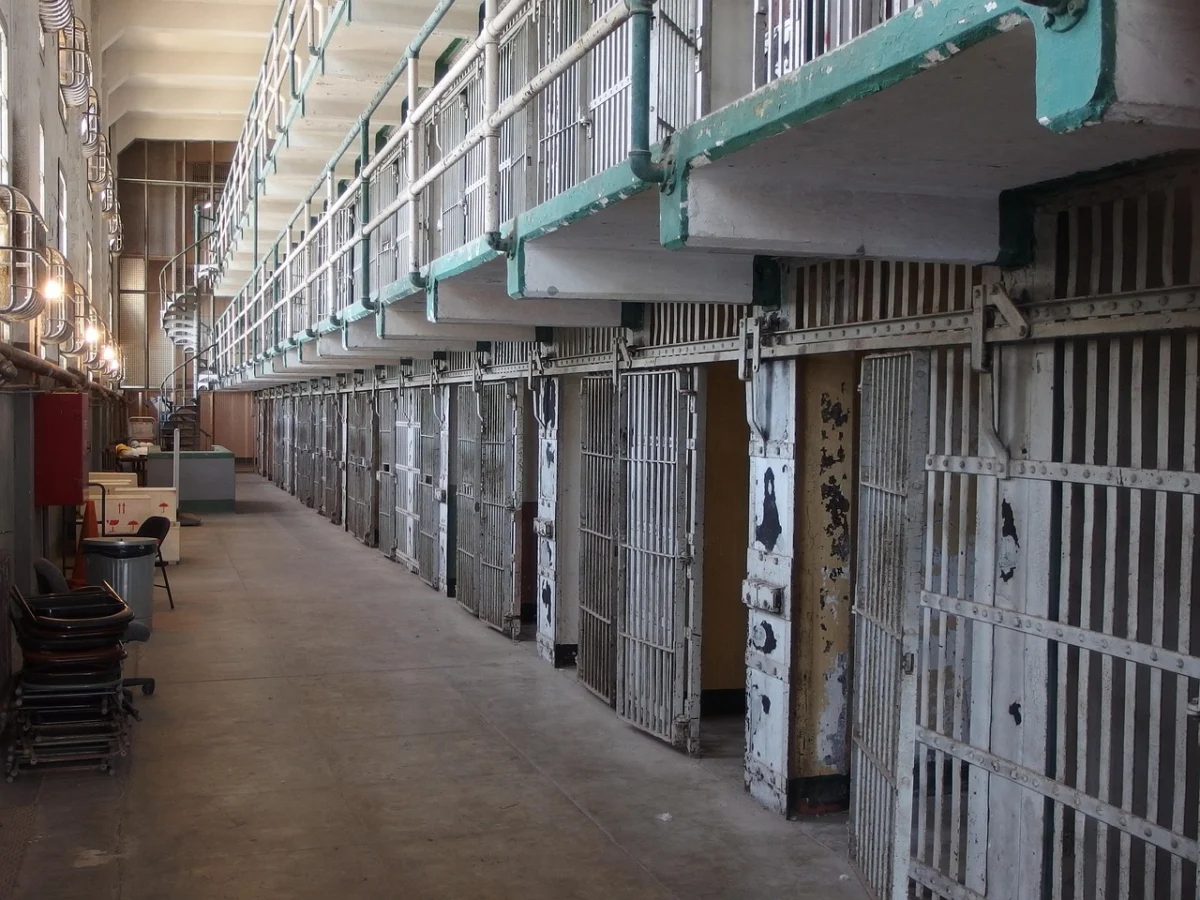
The violence at Negombo Prison did not emerge in a vacuum. For years, the facility—like many others in Sri Lanka—had been a pressure cooker of volatile conditions. Built to house approximately 640 inmates, the facility was reportedly holding 2,400 individuals at the time of the July 5 incident, representing a staggering occupancy rate nearly four times its intended capacity.
July 5, 2026: The Breaking Point
On the morning of July 5, tensions within the facility reached a flashpoint. While specific triggers remain under investigation, authorities confirmed that a violent clash broke out, involving inmates and prison staff. The scale of the violence was unprecedented in recent memory, resulting in the deaths of 28 people. The inclusion of seven prison guards among the deceased highlights the severity of the confrontation and the failure of existing security protocols to maintain order.
July 8, 2026: The "Sudden Illness" Controversy
In the aftermath of the riot, authorities initiated the mass transfer of inmates to other high-security facilities across the country, including Boossa High Security Prison and Agunukolapelessa Prison. However, the transfers triggered fresh outrage. On July 8, reports surfaced of two inmates—both recently moved from Negombo—dying in custody. Officials cited "sudden illness" as the cause of death for the inmate at Boossa, a claim immediately met with skepticism by families and legal advocates who fear the deaths were the result of retaliatory violence.
Mid-July 2026: Institutional Scrutiny
Following the deaths, the Human Rights Commission of Sri Lanka (HRCSL) took the rare step of issuing a directive to the Commissioner General of Prisons. The commission demanded unrestricted access to all facilities, asserting that the safety and physical integrity of the detainees are a non-negotiable state obligation.
Supporting Data: The Anatomy of a Systemic Crisis
The unrest in Negombo is a symptom of a much larger, systemic failure. According to government figures released in the wake of the tragedy, Sri Lanka’s 22 prison facilities currently hold roughly 41,000 inmates. When weighed against the intended design capacity of these institutions, the national occupancy rate hovers near 400 percent.
The Human Cost of Overcrowding
Overcrowding is not merely a matter of comfort; it is a catalyst for violence and disease. In such confined spaces, inmates are forced to sleep in shifts, access to sanitation is minimal, and the spread of communicable diseases is rampant. Furthermore, the lack of space makes it nearly impossible for prison authorities to segregate high-risk offenders from the general population, increasing the likelihood of interpersonal violence.
Legal and Medical Neglect
The "Committee to Protect Rights of Prisoners" has provided harrowing testimony regarding the conditions faced by the transferred inmates. Their reports suggest that the movement of prisoners was not merely a logistical necessity but an opportunity for retaliatory abuse. These allegations include physical beatings, psychological intimidation, and, in some cases, the denial of essential medical treatment. The death of the inmate at Boossa on July 8 has become a focal point for these claims, with advocates arguing that the state failed to provide even the most basic standard of care for a sick prisoner.
Official Responses and Political Maneuvering
The Sri Lankan government has attempted to manage the fallout through a mix of administrative action and promises of reform, though these efforts have been met with significant domestic and international cynicism.
The Three-Member Committee
In response to the international outcry, the government announced the establishment of a three-member committee tasked with investigating the July 5 riot. However, critics argue that the committee lacks the necessary independence to hold senior officials accountable. Human rights organizations have noted that internal inquiries in the past have frequently failed to yield results, often serving to insulate the security apparatus from legitimate oversight.
Administrative Reforms
Recognizing the optics of the situation, the Department of Prisons announced plans to reopen a dormant, colonial-era prison facility to alleviate the pressure on existing institutions. Additionally, the government has pledged to recruit a wave of new correctional staff to improve the staff-to-inmate ratio.
While these measures address the physical symptoms of the crisis, they do not address the underlying policy failures, such as the excessive use of pre-trial detention and the slow pace of the judicial system, which keeps thousands of individuals in jail for years without a conviction.
Implications for Human Rights and International Standing
The situation in Sri Lanka has drawn the attention of Amnesty International and the UN Human Rights Office (OHCHR), both of which have underscored that state responsibility does not end when a suspect enters a prison cell.
The Duty to Protect
Babu Ram Pant, Amnesty International’s deputy regional director for South Asia, has been particularly vocal in his condemnation. He stated that the reported deaths of transferred prisoners are "deeply alarming" and reminded the Sri Lankan state of its fundamental duty under international human rights law to protect the safety and well-being of those in its custody.
Amnesty’s demands are clear:
- Independent Investigation: A full, impartial inquiry into all deaths, including those that occurred after the initial riot.
- Access: Unrestricted, continuous access for the HRCSL, legal counsel, and family members to ensure transparency.
- Medical Care: Immediate and unimpeded access to medical treatment for all detainees, particularly those suffering from pre-existing conditions or injuries sustained during the unrest.
The Path Forward
The implications for Sri Lanka are significant. The country, already navigating a fragile recovery, cannot afford a protracted human rights scandal. If the government fails to provide a transparent accounting of the Negombo riot and the subsequent deaths, it risks further isolation from the international community and potential sanctions or diplomatic censure.
The HRCSL’s intervention represents a critical test for Sri Lanka’s domestic institutions. By forcing the hand of the Commissioner General of Prisons, the commission is attempting to assert the rule of law within a space where, for many years, the law has been largely absent.
Conclusion: A Turning Point?
The events of July 2026 serve as a grim reminder of the cost of institutional rot. While the government has begun the process of "addressing overcrowding," the focus must remain on the culture of impunity that allowed such a catastrophe to occur.
For the families of the 28 deceased and those currently held in the shadows of the prison system, the promise of a "three-member committee" is insufficient. Real change requires a fundamental shift in how Sri Lanka views its incarcerated population—not as objects to be warehoused in inhumane conditions, but as individuals entitled to fundamental protections. As the UN continues to monitor the situation, the international community remains expectant: will Sri Lanka seize this moment to dismantle a broken system, or will it choose the path of silence, further deepening the rift between the state and the human rights it is sworn to protect?
The eyes of the world are now fixed on the prison gates of Sri Lanka. What happens behind those walls in the coming weeks will determine whether the nation can move toward accountability or whether the tragedies of July 5 are destined to be repeated.