For generations of fans, Kenan Thompson and Kel Mitchell are the quintessential duo of 1990s television. From the manic energy of Nickelodeon’s All That to the slapstick brilliance of their eponymous sitcom Kenan & Kel, the pair defined a decade of youth culture. Yet, as the calendar turns to mid-2026, the two have transcended the status of mere child stars. They have become cultural stalwarts—Thompson as the longest-serving cast member in Saturday Night Live history, and Mitchell as an enduring comedic force.
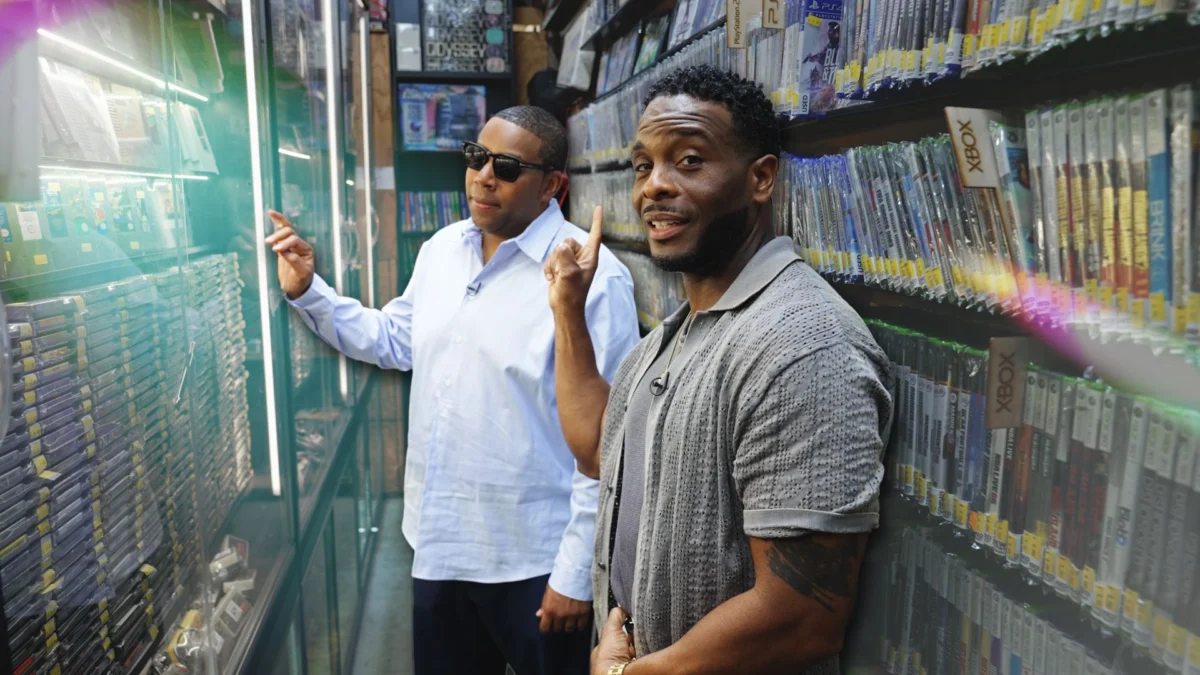
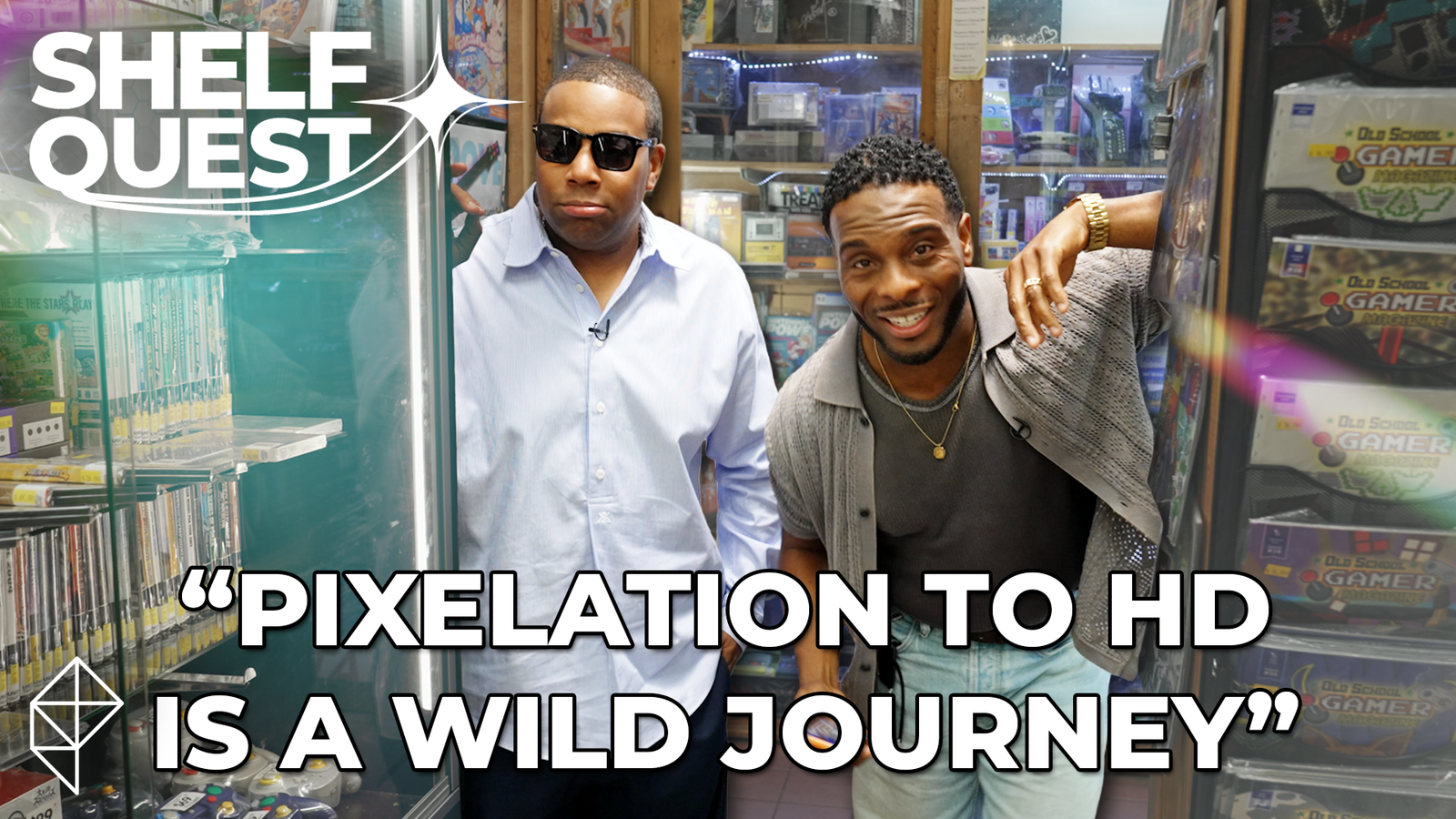
This week, on Polygon’s Shelf Quest, the duo stepped away from the soundstage and into the hallowed, pixel-dusted aisles of videogamesnewyork, the city’s premier retro gaming hub. The experience was more than a promotional excursion; it was a profound confrontation with the passage of time, the evolution of technology, and the staggering financial reality of the modern collectibles market.
Main Facts: A Journey Through the Retro Vault
The premise of the Shelf Quest episode is simple but evocative: put two icons of 90s nostalgia into a room filled with the physical artifacts of their childhood and observe the reaction. As they traversed the store, Thompson and Mitchell found themselves confronted by the hardware of their youth—the Nintendo Game Boy, the Sega Genesis, and the Nintendo Power Glove—now carrying price tags that reflect their status as high-value artifacts rather than discarded toys.
For the uninitiated, the modern retro gaming market has reached a fever pitch. In 2026, original-in-box (NIB) consoles and rare game cartridges are frequently trading for thousands of dollars at auction. Witnessing these items behind glass cabinets, Thompson and Mitchell’s reactions were a mix of genuine sticker shock and poignant reflection. They were not just looking at plastic and circuitry; they were looking at the literal price of their own history.
Chronology: From Chicago Lawns to 30 Rock
To understand why this reunion carries so much weight, one must examine the timeline of their partnership.
- 1994: Kenan Thompson and Kel Mitchell meet on the set of All That. Contrary to popular belief, they were not childhood friends; they were professional peers navigating the high-pressure environment of sketch comedy as teenagers.
- 1996–2000: The rise of Kenan & Kel. The duo becomes a household name, cemented by the “Good Burger” sketch and their transition into a long-running sitcom.
- The Mid-2000s Divergence: Following the conclusion of their show, the two took separate paths. Thompson moved toward the grueling, prestigious environment of Saturday Night Live, where he has now completed 23 seasons. Mitchell remained a fixture of the Nickelodeon family and the broader comedy landscape, including the 2023 revival of Good Burger.
- 2026: The current era. The pair reunites for Shelf Quest, highlighting their enduring friendship and their entry into the digital gaming space with their own mobile title, Orange Pop!
This trajectory is an outlier in Hollywood, where child stardom often leads to professional obsolescence. Their survival—and continued relevance—is attributed to the same work ethic that Mitchell used as a boy in Chicago, mowing lawns to save enough money to buy his first Sega Genesis console.
Supporting Data: The Economics of Nostalgia
The gaming market of 2026 is vastly different from the one these men inhabited as kids. During their Shelf Quest walkthrough, the discussion turned to the "valuation of memories."
Industry experts note that the secondary market for retro gaming has seen a compound annual growth rate (CAGR) of nearly 12% over the last five years. Games that were once considered "bargain bin" items are now premium assets.
| Item | Estimated 1995 Cost | 2026 Collector’s Value (Mint) |
|---|---|---|
| Nintendo Game Boy | $89.99 | $450 – $1,200 |
| Sega Genesis (Model 1) | $189.99 | $300 – $800 |
| Rare Titles (e.g., EarthBound) | $50.00 | $2,000+ |
"It’s a wild journey, man," Thompson remarked while holding a classic Nintendo controller. He noted that the transition from the low-resolution pixel art of their youth to the hyper-realistic, 8K fidelity of modern gaming has changed the fundamental way players interact with media. "There’s some really good, fun games with good mental challenges, just puzzles and stuff like that. That’s what Mario seemed like. They were all kind of like puzzles that you had to keep playing and playing until you figured out the timing."
Official Responses and Reflections
In our sit-down interview following the shoot, the duo reflected on how the discipline of their early acting days mirrors the structure of the games they played. For them, "timing" is the common denominator. Whether it is landing a punchline on SNL or finding the perfect jump-window in a Super Mario level, the brain processes these tasks with a similar mechanical rigor.
"Timing is everything," Mitchell noted. "We spent our formative years learning how to work with each other, how to read each other’s energy. It’s the same way you learn a game. You fail, you reset, you learn the pattern, and you try again."
This philosophy has bled into their latest project, Orange Pop!. Designed as a match-3 puzzle game, it aims to capture that same "just one more round" addictive quality that made the 16-bit era of gaming so revolutionary. The hope, according to the pair, is that the game will not only entertain but also sharpen the minds of a new generation of players, much in the same way their childhood favorites did for them.
Implications: The Legacy of Play
The visit to videogamesnewyork served as a poignant reminder that while the consoles themselves are subject to inflation, the cultural impact of these games is priceless. For Kenan and Kel, the nostalgia isn’t about the hardware—it’s about the access to a shared human experience.
The Evolution of the "Casual Gamer"
The implication of their current project, Orange Pop!, is a shift in the gaming industry’s focus. As the generation that grew up with the Game Boy enters their mid-40s, the demand for accessible, high-quality mobile gaming has skyrocketed. Thompson and Mitchell are positioning themselves at the forefront of this trend, proving that celebrities can provide more than just a name to a project; they can provide a philosophy of play.
The Stability of the Duo
Perhaps the most significant implication of this reunion is the testament to the durability of their friendship. In an industry defined by volatility, their longevity is an anomaly. By sharing their vulnerability—admitting to the "eye-watering" costs of the games they wish they had kept—they humanize themselves to an audience that grew up alongside them.
As they walked out of the store, the contrast was clear: the consoles were trapped in glass, but the joy of the games they played remained fluid and present. Their journey from the set of All That to the competitive landscape of the 2026 gaming market is a testament to the idea that, like the best retro games, true talent and friendship only gain value with time.
Ultimately, Shelf Quest serves as a bridge. It connects the 16-year-olds who were learning the ropes of comedy on a Nickelodeon soundstage to the seasoned veterans who are now shaping the future of digital entertainment. Whether it is through the screen of a Game Boy or the interface of a smartphone, the goal remains the same: to find the rhythm, master the timing, and ensure the game never truly ends.