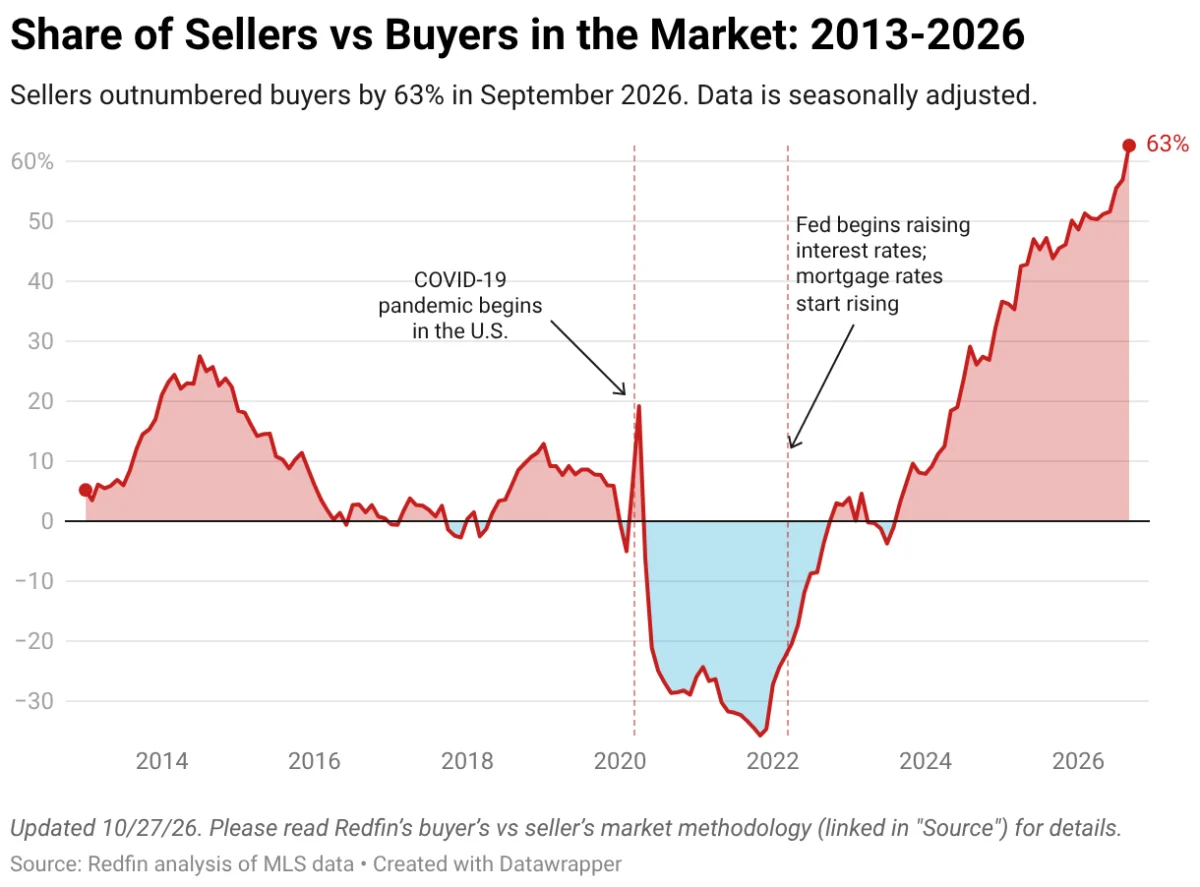
As autumn settles over the United States, homeowners across the country are facing a complex dilemma. The housing market, which spent the better part of the last two years in a state of high-cost stagnation, is now exhibiting clear signs of a structural shift. For those considering a sale, the landscape has moved firmly into the territory of a "buyer’s market," yet the path to a successful closing remains fraught with economic headwinds.
Whether you are motivated by a desire to downsize, a career-driven relocation, or the need to capitalize on accumulated equity, navigating the current climate requires more than just a "For Sale" sign. It requires a deep understanding of why the market is currently favoring the purchaser and how broader macroeconomic factors—from Middle Eastern geopolitical tensions to the persistent, looming presence of artificial intelligence—are reshaping the American dream of homeownership.
The State of the Market: Main Facts and Current Realities
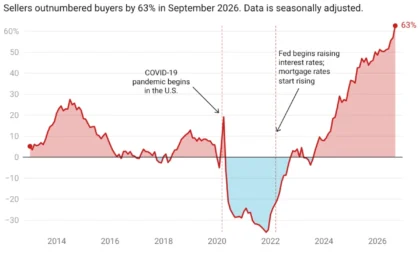
The defining characteristic of the 2026 housing market is a growing imbalance between supply and demand. Nationwide, there are currently nearly 600,000 more homes listed for sale than there are active buyers. While this supply-demand gap showed signs of narrowing earlier in the year, the combination of high borrowing costs and buyer fatigue has caused the chasm to widen once again.
Monthly housing payments have surged to a threshold exceeding $2,600 for the median buyer, a figure that, when compounded by the rising costs of essential goods due to persistent inflation, has effectively sidelined a significant portion of the population. As a result, the market is experiencing a phenomenon of "deal attrition"—a rise in contract cancellations and a growing trend of sellers opting to delist their properties rather than accept lower offers.
However, it is a mistake to view the national housing market as a monolith. Regional disparities remain stark. In the Midwest and parts of the Northeast, specifically in cities like Rochester and Milwaukee, the lack of inventory continues to drive competitive bidding wars and rapid sales. Conversely, the Sun Belt—which saw a massive boom in new residential construction over the last half-decade—is currently experiencing an oversupply of homes, giving buyers significantly more leverage to negotiate price, repairs, and closing concessions.
A Chronology of Economic Pressure
To understand how we arrived at this point, one must look at the timeline of the 2026 economic environment.
- Early 2026: The market entered the year with cautious optimism. There was a belief that mortgage rates might stabilize, potentially encouraging the "locked-in" homeowners—those with sub-4% rates—to finally list their properties.
- Spring 2026: As the peak selling season arrived, the hoped-for surge in inventory was met with a lukewarm response from buyers. Elevated prices, coupled with high mortgage rates, kept demand suppressed.
- Summer 2026: Geopolitical instability, particularly in the Middle East, began to exert upward pressure on energy prices. This, combined with fears surrounding the rapid integration of AI into the labor market and general fiscal uncertainty, pushed bond yields higher.
- September 2026: Mortgage rates solidified their position above the 7% mark. Inflation concerns returned to the forefront of the Federal Reserve’s agenda, cooling any lingering hopes for an immediate, aggressive rate cut that would have stimulated the housing sector.
This sequence of events has left sellers in a precarious position. The "wait-and-see" approach that characterized much of 2025 has transitioned into a period of forced adaptation. Sellers are now realizing that the pandemic-era norms—where homes sold within days with double-digit over-asking offers—are a relic of history.
Supporting Data: Why the Numbers Matter
The data suggests that the market is in a recalibration phase. The U.S. median home sale price currently sits at $393,000. While this is an increase of 1.3% compared to 2025, the pace of growth has decelerated significantly. This slowing of price appreciation is a double-edged sword; while it has allowed wages to slightly catch up, thereby marginally improving affordability, it has also dampened the "get rich quick" mentality that previously dominated the seller psyche.
The time-on-market metric is perhaps the most telling indicator of the current malaise. A typical home now takes 51 days to move from listing to contract. While this is significantly faster than the 60-100 day cycles of the 2010s, it is a far cry from the sub-30-day timelines that defined the 2021-2022 period. This data point is critical for sellers: it mandates a shift in expectations regarding how long a property will sit on the market before a serious, viable offer is presented.
Official Perspectives: Insight from the Experts
Daryl Fairweather, Chief Economist at Redfin, warns that the current environment is not for the faint of heart. "Home sellers should prepare for a strong buyer’s market," she states. "Elevated inventory has given buyers more options, but record costs have made them wary." According to Fairweather, the uncertainty of the economy—fueled by volatile mortgage rates and a confusing, shifting labor market—means that the buyers who are active are the ones who are most prepared to negotiate aggressively.
Chen Zhao, Head of Economics Research at Redfin, emphasizes that the external pressures on the economy are likely to persist. "Mortgage rates are reacting to the conflict in the Middle East, as rising energy costs and concerns over inflation and a bond market selloff put pressure on the economy," Zhao notes. She adds that without a drastic change in homebuilding output or a shift in the broader economic cycle, the reality of the market is unlikely to improve in the immediate future. For sellers, this means that waiting until 2027 is a gamble; there is no guarantee that the economic landscape will be any more favorable to sellers than it is today.
Strategic Implications: To Sell or Not to Sell?
For homeowners, the decision to sell must be rooted in personal financial stability rather than an attempt to time the market perfectly.
When It Makes Sense to Sell
- The "Necessity" Factor: Life events—such as marriage, divorce, job relocation, or growing family needs—often override market conditions. If you need to move, waiting for the "perfect" market is a luxury most cannot afford.
- Low-Inventory Locales: If you reside in a region like the Midwest or Northeast where demand outstrips supply, your home’s value remains protected.
- Strategic Downsizing: If you have significant equity, selling now allows you to "cash out" and potentially move into a smaller, more manageable home, even at higher rates, as the total cost of ownership may decrease.
When to Hold Off
- The Refinancing Trap: If you secured a sub-4% interest rate via a recent refinance, selling your home means trading that "golden handcuffs" mortgage for a rate nearing 7% or higher. For many, the math simply does not work.
- The "Fixer-Upper" Disadvantage: In a buyer’s market, buyers are picky. If your home requires significant repairs, it is likely to sit on the market. If you cannot afford to perform the necessary updates to make the home "move-in ready," you will likely face low-ball offers or extended days on the market.
- High-Rate Impact: If your financial situation requires you to carry a high-interest mortgage on your next property, the monthly payment shock might be unsustainable.
Conclusion: Crafting a Game Plan for 2026
The current housing market is a test of patience and preparation. It is no longer a market where a house sells itself; it is a market that requires a comprehensive strategy. If you are determined to sell, your success will depend on your ability to work with a professional agent who understands local nuances, your willingness to price your home competitively based on current, not past, data, and your flexibility during negotiations.
While the temptation to wait until 2027 is strong, the volatility of the current economic environment suggests that the "rut" the market is in may be the new normal for the foreseeable future. Instead of waiting for a market correction that may never come, successful sellers are those who recognize the current reality, set realistic expectations, and execute a plan that prioritizes their long-term financial goals over short-term market timing.
Whether you list this fall or hold off, the ultimate goal remains the same: ensuring that your largest asset serves your life, rather than the other way around.