In an era defined by record-high home prices and shrinking inventory, many first-time homebuyers are looking beyond traditional site-built houses to solve their housing dilemmas. Mobile and manufactured homes have emerged as a compelling, high-quality, and increasingly accessible pathway to homeownership. With recent legislative shifts—such as the provisions in the ROAD to Housing Act—the process of manufacturing, transporting, and securing these homes has become more streamlined than ever.
However, entering this market requires a nuanced understanding of real estate that differs significantly from purchasing a conventional suburban property. From the distinction between “chattel” and “real property” to the intricacies of lot rent and site preparation, buying a mobile home is a complex financial decision that requires careful due diligence.
The Essentials: Defining Your Investment
To navigate the market effectively, one must first understand the terminology. While the terms "mobile home," "manufactured home," and "modular home" are often used interchangeably in casual conversation, they carry distinct legal and structural definitions.
- Mobile Homes: Technically, these are homes built before the Department of Housing and Urban Development (HUD) established federal safety and construction standards in June 1976.
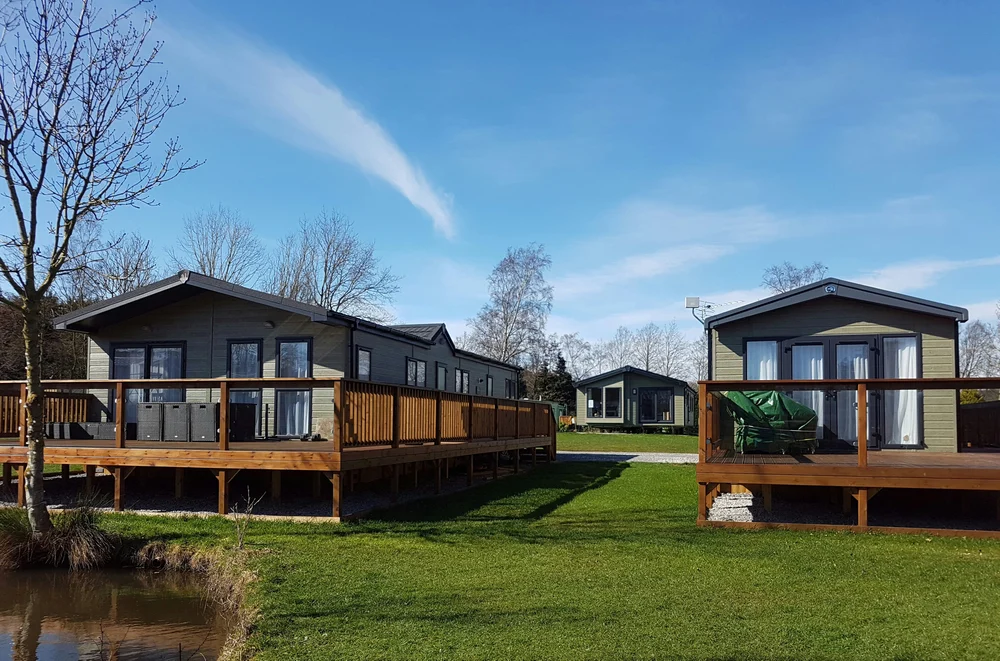
- Manufactured Homes: These are built entirely in a factory under the strict federal HUD code. They are engineered for durability and are often transported in sections to their final location.
- Modular Homes: Unlike manufactured homes, these are built to state and local building codes and are often indistinguishable from traditional site-built homes once placed on a permanent foundation.
Market Configurations
The scale of your investment is largely determined by the home’s layout:
- Single-wide: Compact and efficient, these range from $40,000 to $100,000.
- Double-wide: The most popular choice for families, offering two connected sections and a price range of $95,000 to $150,000.
- Triple-wide: These expansive homes often exceed 2,000 square feet, providing luxury-level square footage starting at $150,000+.
Chronology: The Step-by-Step Path to Purchase
Buying a home is a marathon, not a sprint. Follow this roadmap to ensure you cover every legal and financial base.
1. Financial Foundation
Before touring floor plans, secure your financing. Because mobile homes can be classified as either personal property or real estate, your loan options vary. Consult a mortgage professional early to determine if you need a "chattel loan" (for the home only) or a conventional mortgage (if you own the land).
2. The Search and Due Diligence
Whether buying from a dealer or a private seller, transparency is key. If purchasing a new home, ensure all promises—delivery, setup, and warranty service—are clearly documented in the purchase agreement. For used homes, verify the HUD certification label and data plate to ensure the structure meets federal standards.
3. Site Selection and Infrastructure
Decide between a manufactured home community (where you pay monthly lot rent) or private land. If placing the home on private land, you must secure necessary permits for zoning, septic, and utility hookups.
4. Inspection and Closing
Never skip the professional inspection. Experts advise hiring a specialist who understands the specific mechanics of manufactured housing, such as tie-downs, underbelly integrity, and skirting. Once the inspection is clear, move to the closing process, where you will finalize the title transfer and insurance.
Supporting Data: The Cost of Ownership
The purchase price of the home is only the "sticker price." A successful buyer must account for the "hidden" costs that define the long-term total cost of ownership.
| Expense Category | Potential Impact |
|---|---|
| Site Prep | Grading, concrete piers, and utility hookups can add thousands. |
| Tie-Downs | Essential for safety and often required by lenders; prevents shifting. |
| Lot Rent | A recurring monthly expense in communities that can rise annually. |
| Insurance | Varies based on the home’s classification (personal property vs. real estate). |
| Maintenance | Roof, skirting, and siding repairs require consistent budgeting. |
"Buyers often overlook the costs related to leveling and anchoring," notes the team at Desert Mobile Home Services. "Tie-downs are not just a safety feature; they are a requirement for many financing programs. Addressing these early prevents delays at the closing table."
Official Perspectives: Expert Insights on the Market
The industry is shifting toward a more professionalized, consumer-friendly model. Experts are emphasizing that the "mobile" aspect of these homes is largely a relic of the past. Recent legislation, including the ROAD to Housing Act, has removed requirements for a permanent metal chassis in many jurisdictions, allowing for more diverse architectural designs and lower costs.
On Avoiding Pitfalls
"There are still red flags to watch for when buying, particularly with new construction," warns Henley Homes in Sulphur Springs, Texas. "Look for vague language regarding delivery responsibilities or pressure to sign quickly. Ensure that every fee, from the cost of permits to the specifics of the warranty, is documented in the final agreement."
On Long-Term Strategy
Ivan Kosobucki, founder of PrefabFind, emphasizes the importance of contract reviews. "Have an independent professional review your contract. It is a small investment that protects you if a manufacturer goes bankrupt or fails to deliver on time. You are entering a significant financial arrangement; treat it with the same gravity as a multi-million dollar real estate deal."
Implications: The Future of Affordable Living
The role of manufactured housing in the American economy is evolving. No longer just a "starter" option, it is increasingly viewed as a viable solution for retirees looking to downsize without losing the benefits of community life.
The Land-Ownership Advantage
A critical takeaway for any prospective buyer is the correlation between land ownership and equity. While homes in leased-land communities provide immediate, affordable housing, they rarely offer the same long-term appreciation as homes situated on owned land. As noted by analysts at the Pew Research Center, states are increasingly looking at ways to facilitate "land-home" financing, which allows buyers to own the dirt beneath their feet.
Lifestyle and Community
The team at Collective Communities highlights that the decision to buy is as much about the neighborhood as the floor plan. "You aren’t just buying a box; you are choosing a culture. Evaluate the infrastructure, the management, and the amenities. A well-managed community with robust amenities can significantly improve your quality of life and the resale value of your property."
The Bottom Line: Is It Worth It?
Buying a mobile home can be an incredibly rewarding experience that provides stability in an otherwise volatile housing market. However, it requires a "buyer beware" mindset. The affordability of these homes is real, but it is contingent upon your ability to manage the variables—financing, land, and ongoing maintenance.
If you are a first-time buyer, start by assessing your total budget and comparing the cost of rent in a park versus the cost of a mortgage on private land. Use reputable online calculators to project your monthly expenses, and never hesitate to ask for professional inspections.
By shifting the focus from simply "finding a home" to "investing in a property and community," you can navigate the manufactured housing market with confidence. Whether you are seeking a compact, efficient space or a spacious, modern manufactured home, the market today offers more security, quality, and opportunity than at any point in the last half-century. Through careful planning and thorough research, you can turn the keys to a home that serves your needs today and your goals for years to come.