The bedtime stories of our youth—those etched into our collective consciousness by the Brothers Grimm, Hans Christian Andersen, and the vibrant, layered narratives of Hanna Diyab—serve as the foundational architecture for our imaginations. These tales of moral struggle, magical intervention, and the triumph of the human spirit often cultivate a lifelong obsession with the "what if." Yet, a common misconception persists: that as we graduate to adulthood, we must trade the whimsy of the forest and the enchantment of the fae for the stark, often cynical realism of contemporary literature.
However, modern fantasy has seen a resurgence of the "adult fairy tale." These are not merely re-tellings of nursery rhymes; they are complex, emotionally resonant narratives that utilize the framework of myth to explore the profound intricacies of the human experience. Whether through epic world-building or intimate, quiet character studies, these five novels prove that magic remains a vital lens through which we can examine our own reality.
The Evolution of the Modern Myth
The genre of "adult fairy tales" occupies a unique space in modern publishing. Unlike traditional high fantasy, which often prioritizes complex geopolitical systems and dense magic-user manuals, the adult fairy tale focuses on the intersection of the supernatural and the existential. These books often ask: What does it mean to love, to sacrifice, and to find one’s place in a world that is fundamentally indifferent to our existence?
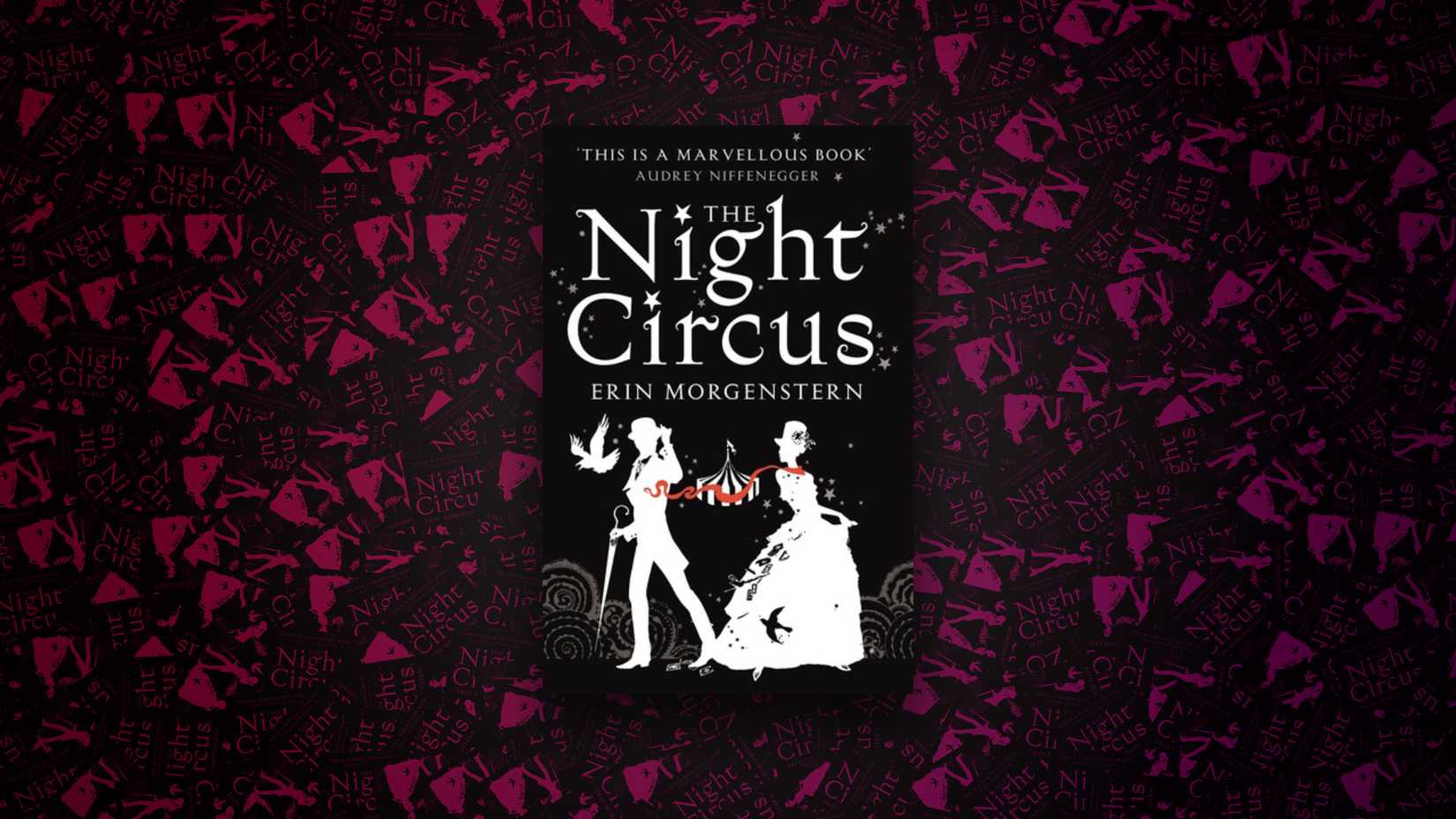
1. The Night Circus (2011) by Erin Morgenstern
Erin Morgenstern’s debut novel is perhaps the definitive example of the "enchanted realism" that defines contemporary fairy tales. The narrative centers on Le Cirque des Rêves—a black-and-white traveling circus that arrives without warning and operates only at night. Within this aesthetic masterpiece lies a deadly, high-stakes competition between two young illusionists, Celia Bowen and Marco Alisdair.
Trained since childhood by enigmatic mentors, they are unwitting pawns in a game that has spanned generations. As they manipulate the circus’s exhibits—creating impossible, gravity-defying wonders—they slowly realize that their rivalry is not merely professional; it is a battle for survival. The tragedy, and the beauty, of The Night Circus lies in the protagonists’ growing intimacy. As they fall in love across the boundaries of their dueling enchantments, the circus itself begins to fray. Morgenstern’s prose acts as a sensory experience, turning the circus into a character as vivid as the mages themselves.
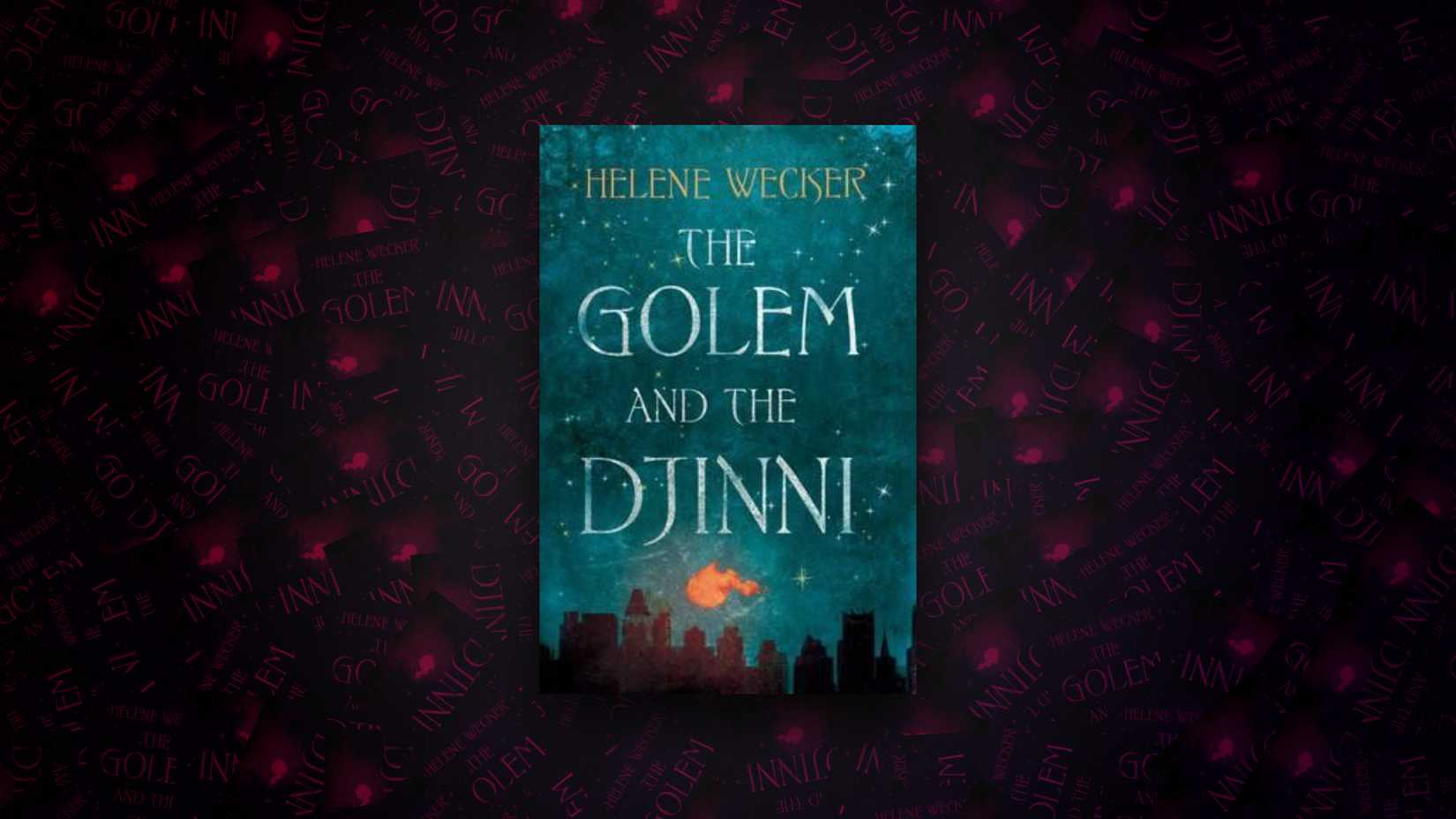
2. The Golem and the Jinni (2013) by Helene Wecker
Helene Wecker’s The Golem and the Jinni provides a masterclass in weaving disparate mythologies into the fabric of historical fiction. Set against the gritty, soot-stained backdrop of 1899 New York City, the story follows two supernatural immigrants who find themselves adrift in a world they were not designed for.

Chava, a golem crafted of clay and brought to life by a desperate man, finds herself ownerless and alone after her master dies at sea. Ahmad, a jinni of fire, is released from a copper flask after centuries of imprisonment, only to be trapped in the form of a human man. Wecker’s narrative is less about the grand "battle of good vs. evil" and more about the quiet, agonizing process of assimilation. Their bond—born of their shared status as outsiders—is profoundly moving. By grounding mythological beings in the mundane realities of 19th-century immigrant life, Wecker explores themes of loneliness, identity, and the search for purpose with unparalleled grace. The recent conclusion of this trilogy, The Gates of Midnight, cements the series as a landmark in adult fantasy literature.
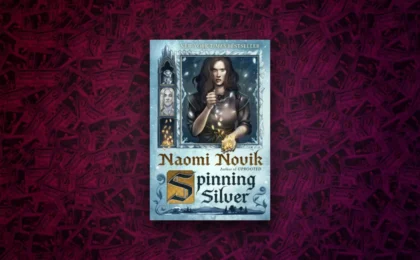
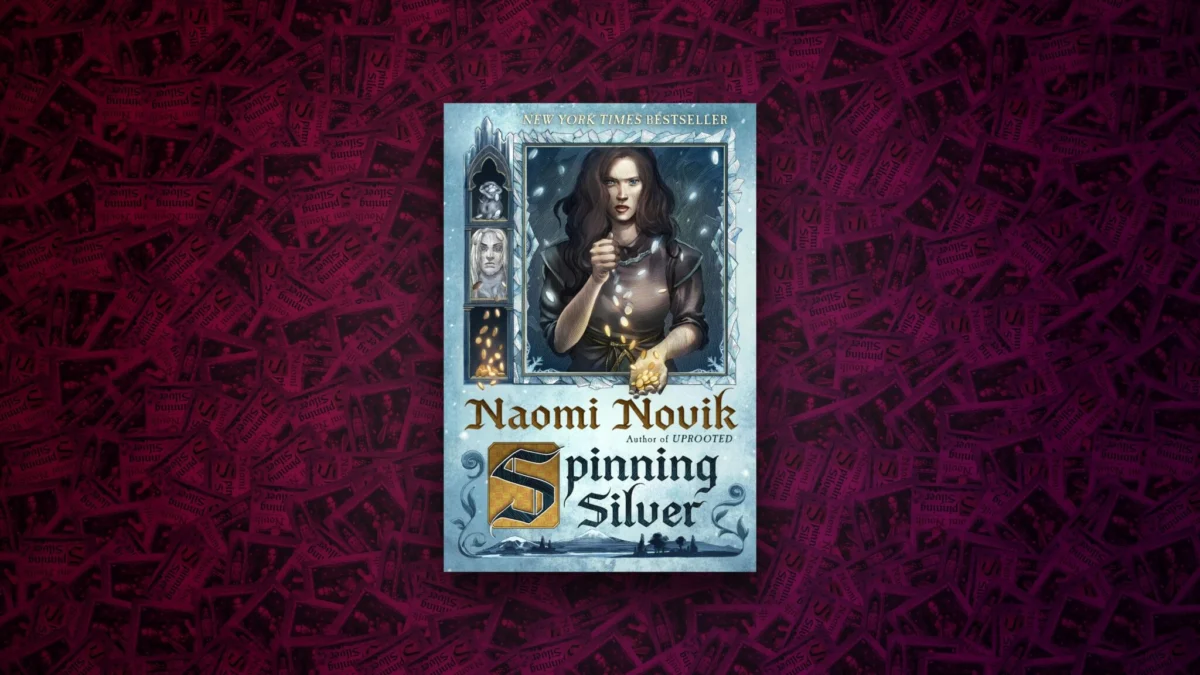
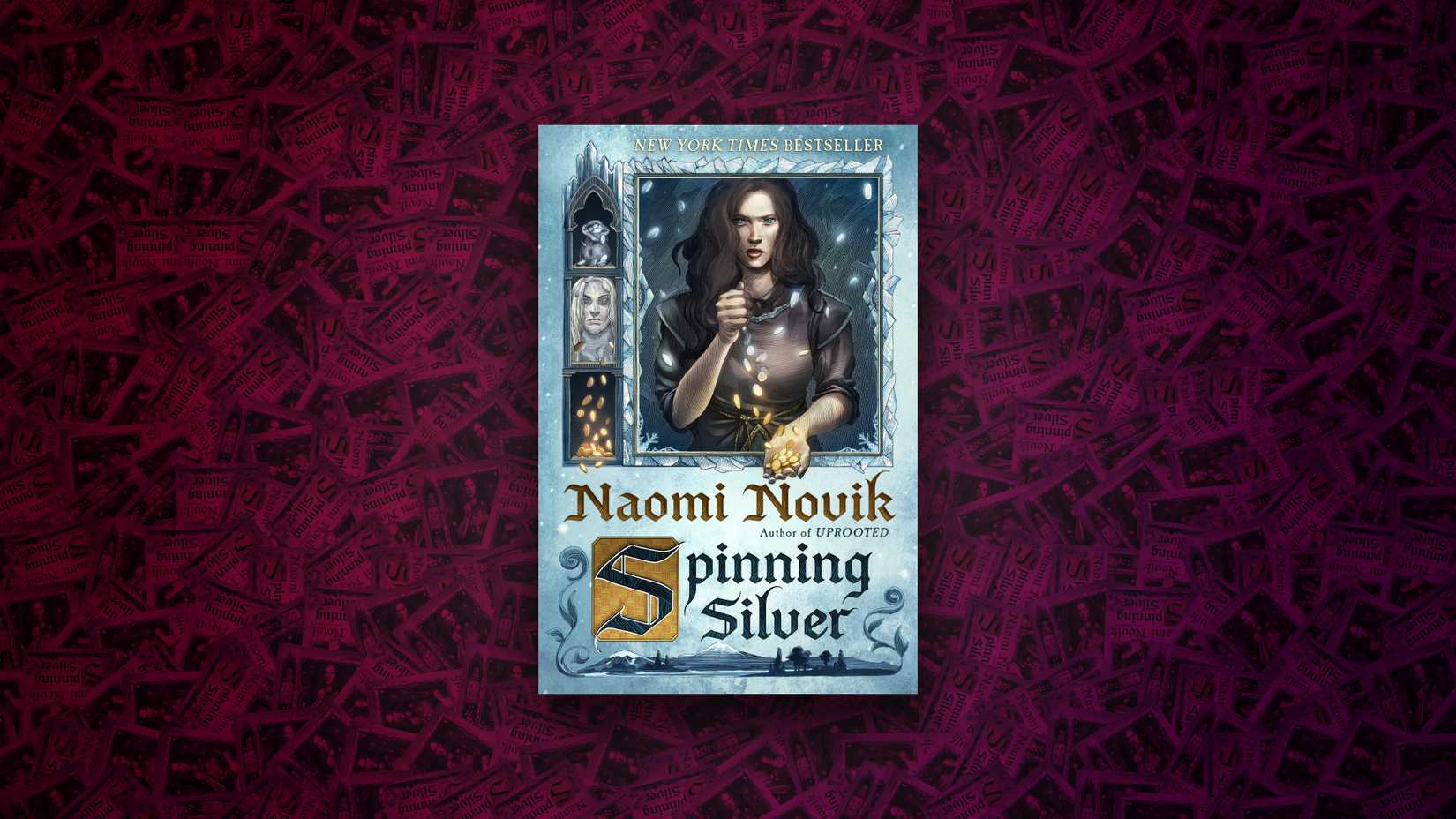
3. Spinning Silver (2018) by Naomi Novik
Naomi Novik is widely regarded as a titan of modern fantasy, but Spinning Silver represents the pinnacle of her ability to modernize folklore. Drawing inspiration from the Rumpelstiltskin myth, the novel is set in the kingdom of Lithvas, where the cold is not just a weather condition—it is a sentient, hungry force.
The protagonist, Miryem Mandelstam, is the daughter of a moneylender who has been too kind for his own good. When Miryem takes over the ledger, she adopts a ruthless efficiency that earns her a reputation for being able to "turn silver into gold." This boast draws the attention of the Staryk, a race of fae-like creatures who value gold above all else. What follows is a multi-perspective narrative that explores the transactional nature of life, the weight of family responsibility, and the power of female agency. Novik’s ability to weave the harsh, icy atmosphere of the setting into the emotional arcs of her characters makes Spinning Silver an essential read for anyone who appreciates folklore that bites back.
4. The House in the Cerulean Sea (2020) by TJ Klune
While many fairy tales rely on high-stakes warfare, TJ Klune’s The House in the Cerulean Sea opts for a radical kindness. It is a queer, contemporary fairy tale that manages to be both whimsical and deeply political. Linus Baker is a buttoned-up, mid-level bureaucrat tasked with inspecting orphanages for magical children. He is a man defined by his rigid adherence to rules and his profound, quiet loneliness.
When he is sent to a remote, island-based facility housing six "dangerous" children—including a wyvern and a young boy who happens to be the Antichrist—Linus is forced to reconcile his bureaucratic indifference with the humanity of his charges. The island is not just a refuge; it is a microcosm of a society struggling with prejudice and the fear of the "other." Klune’s work is a poignant reminder that magic is not just found in spells, but in the radical act of choosing to love those who society has deemed unlovable.
5. Tress of the Emerald Sea (2023) by Brandon Sanderson
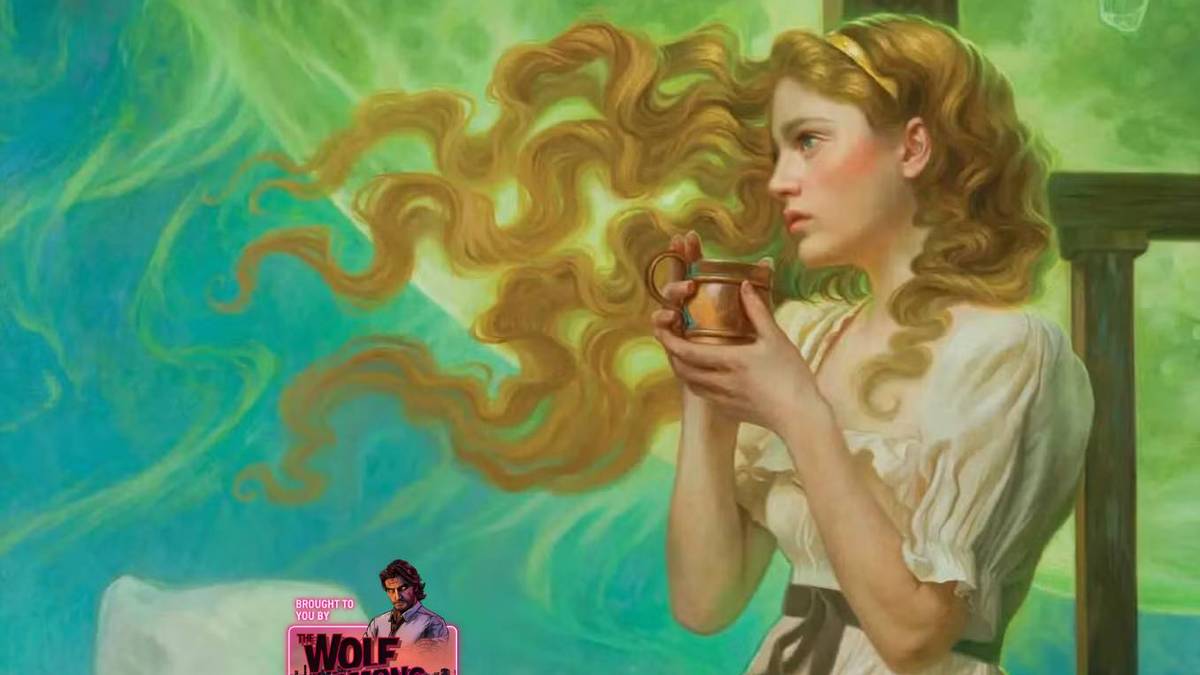
Brandon Sanderson is often associated with the dense, world-spanning "Cosmere" universe, but Tress of the Emerald Sea stands apart as a standalone, whimsical adventure. Written during the global pandemic, it serves as a love letter to the classic adventure stories of old, particularly The Princess Bride.
Tress, a young woman living on a remote island, lives a life of quiet longing, collecting cups and listening to stories from her best friend, Charlie. When Charlie is kidnapped by a sorceress, Tress embarks on a journey across oceans of deadly, living spores. The novel is narrated by Hoid, a recurring character in the Cosmere, whose voice lends the book a fable-like, meta-textual quality. Tress succeeds because it is fundamentally hopeful. It highlights the importance of agency, wit, and the courage to leave one’s comfort zone. It serves as an excellent entry point for readers intimidated by the sheer scale of Sanderson’s other works.
Implications for the Genre
The enduring popularity of these novels suggests a shift in the literary landscape. Readers are increasingly seeking "escapist" literature that does not sacrifice emotional depth. These books do not ask us to leave our problems at the door; they ask us to view those problems through a lens of wonder.
The "adult fairy tale" is a vital bridge between the past and the present. By taking the skeletons of ancient myths and dressing them in the clothes of modern dilemmas, authors like Novik, Wecker, and Morgenstern are ensuring that the magic we once found in picture books remains relevant throughout our lives.
This analysis is part of Polygon’s special issue, "Happily Never After: A Week of Adult Fairy Tales," sponsored by the release of The Wolf Among Us Remastered, available on October 29.