For nearly two decades, Honda’s North American manufacturing footprint has remained remarkably stable, relying on a strategy of incremental upgrades and flexible assembly lines within its existing network of factories. However, that status quo is facing its most significant challenge in twenty years. According to recent reports emerging from Nikkei Asia, the Japanese automotive giant is currently engaged in high-level discussions regarding the construction of a new, dedicated hybrid vehicle assembly plant in Ohio.
If finalized, this project would represent a seismic shift in Honda’s operational philosophy, signaling a long-term commitment to hybrid technology as the cornerstone of its American portfolio. While the automaker has officially maintained a stance of cautious neutrality, the sheer scale of the rumored investment—estimated between $1.9 billion and $2.5 billion—suggests that Honda is preparing to fortify its position against a rapidly shifting automotive landscape.
The Strategic Pivot: Why Hybrids Now?
The automotive industry has spent the last five years in a state of hyper-fixation on full battery-electric vehicles (BEVs). However, the market has recently shown signs of “EV fatigue,” characterized by cooling demand and logistical hurdles in charging infrastructure. Honda, having previously signaled ambitious goals for total electrification, has recently recalibrated its strategy to place a heavier emphasis on gasoline-electric hybrids.
This move is not merely a hedge; it is a direct response to consumer sentiment. Models like the CR-V Hybrid and the Accord Hybrid have become volume leaders for the brand, proving that American buyers are looking for fuel efficiency without the range anxiety associated with pure BEVs. A dedicated hybrid plant would allow Honda to streamline the production of these high-demand powertrains, moving away from the "mixed-model" assembly lines that characterize its current facilities.
A Potential Timeline: From Concept to Concrete
While official details remain scarce, the proposed timeline for the project suggests a multi-year development phase. Nikkei Asia reports that if negotiations proceed favorably, construction on the facility could commence as early as 2027. The project aims for a target capacity of 250,000 vehicles annually, a substantial addition to Honda’s existing North American production capacity.
The 2030 target for the start of mass production is particularly telling. It aligns with the long-range planning cycles necessary to scale up not just vehicle assembly, but the complex supply chain required for battery packs, electric motors, and power control units. The development of such a plant is a gargantuan task that requires more than just factory walls; it necessitates an entire ecosystem of local suppliers who can support the specialized requirements of hybrid drivetrain manufacturing.
The Financial Scope and Regional Impact
The reported investment of 300 to 400 billion yen ($1.9B to $2.5B USD) would rank as one of the largest single capital expenditures for Honda in the United States in recent memory. For a company that has historically prioritized maximizing the utility of its existing plants, such an outlay represents a major departure from its traditional “playbook.”
The financial viability of this project is, however, tethered to ongoing negotiations regarding state and federal subsidies. Modern automotive manufacturing in the U.S. is rarely a private endeavor; it involves intricate tax incentives, infrastructure grants, and workforce development packages provided by the host state. The fact that these negotiations are still unresolved is the primary reason why Honda’s American representatives have been quick to tamp down speculation, labeling the reports as premature.
Inside the Factory: What Might They Build?
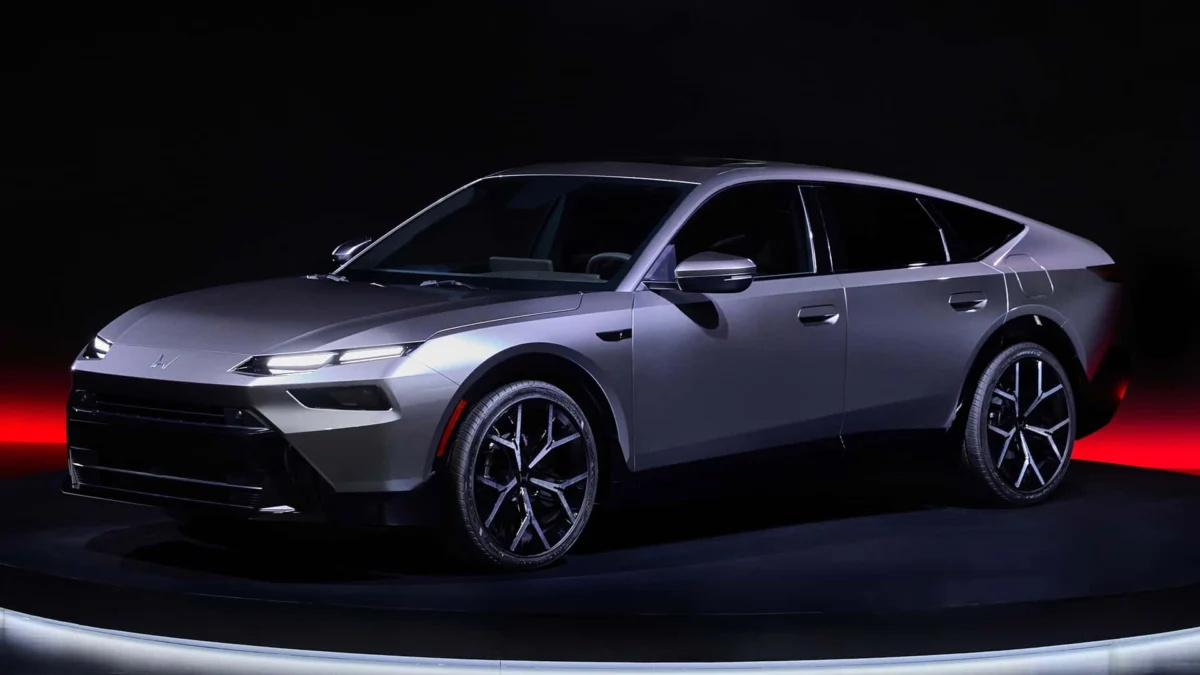
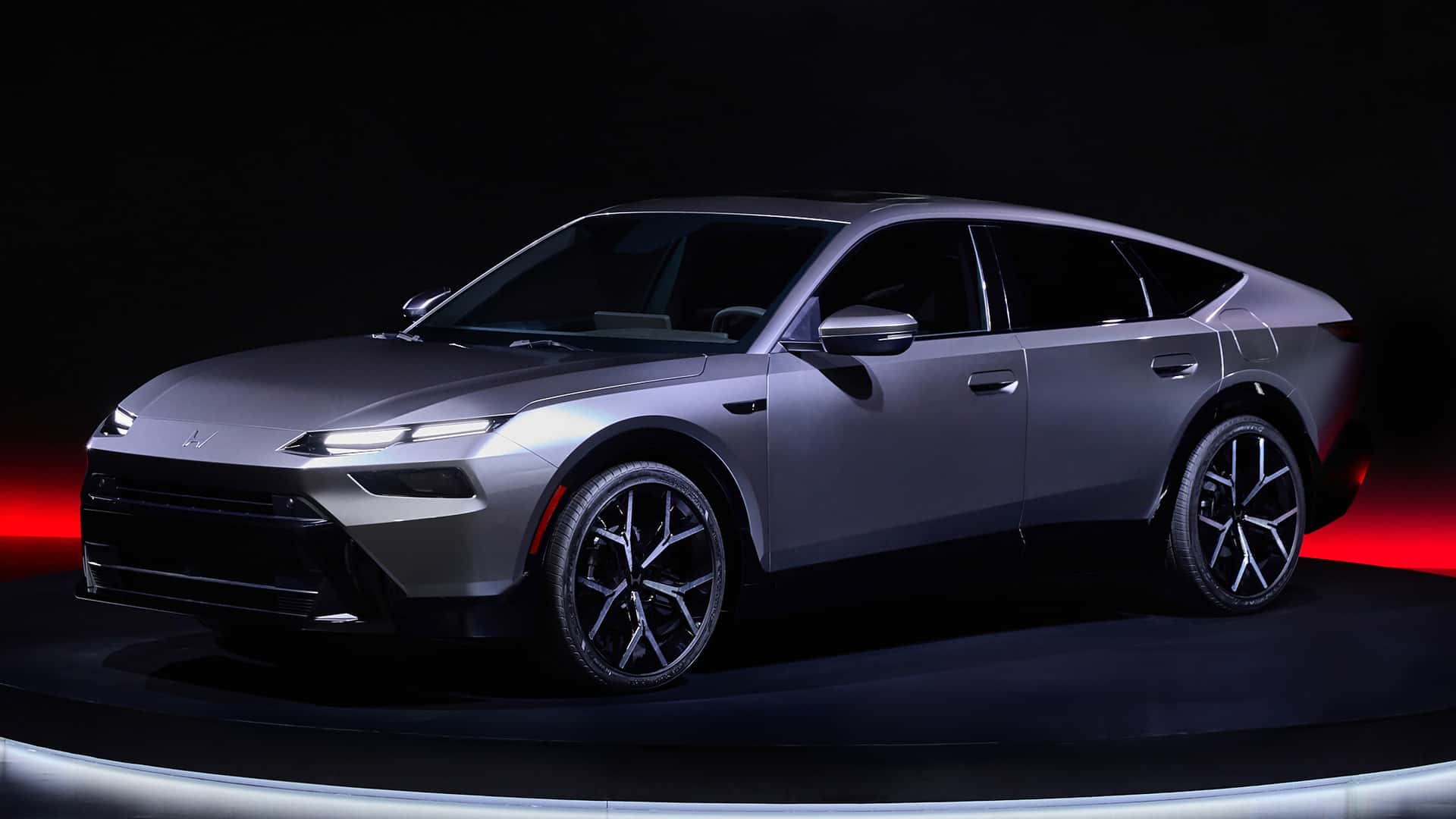
Should the project reach fruition, the facility is expected to focus on high-margin segments that currently anchor the North American market: large SUVs and crossovers. As Honda looks to expand its lineup of Acura and Honda-branded SUVs, it has historically had to rely on supplementary production from outside partners or reconfigure existing lines.
A dedicated, in-house hybrid plant would solve this capacity bottleneck. By centralizing the production of next-generation large-platform hybrid SUVs, Honda could achieve greater economies of scale and better control over quality and innovation. This would allow the company to respond more fluidly to market fluctuations, increasing output for popular models without disrupting the production of its core sedan lineup.
Official Stance vs. Industrial Reality
American Honda’s official communication remains strictly disciplined. A spokesperson for the company recently stated that no final decision has been made, emphasizing that Honda constantly reviews its global manufacturing strategy. In the corporate world, this is the standard "no comment" that allows executives to retain leverage during sensitive subsidy and land-use negotiations.
However, industry analysts note that Honda’s public reticence is standard procedure. A project of this magnitude requires years of quiet preparation, environmental assessments, and logistical planning. When a company of Honda’s size reaches the stage of "final-stage preparations" as reported by international news outlets, the momentum is often difficult to reverse. The company’s traditional reliance on flexible production has served it well, but the sheer complexity of modern hybrid and EV systems may have finally pushed the automaker toward the efficiency gains that only a clean-sheet, dedicated facility can provide.
Implications for the Workforce and Supply Chain
The construction of a $2.5 billion facility in Ohio would have profound implications for the local economy and the broader U.S. automotive workforce. Beyond the direct jobs created within the plant, there is the "multiplier effect"—the demand for high-tech suppliers capable of manufacturing the sophisticated components required for hybrid powertrains.
This creates a "quiet hurdle" for Honda: the need for a highly skilled labor force. Modern automotive manufacturing is no longer just about metal stamping and welding; it is about robotics, software integration, and battery chemistry. Honda will likely need to partner with regional universities and technical colleges to develop training programs to ensure the facility has the workforce it needs by 2030.
Furthermore, the domestic supply chain will need to adapt. Currently, many hybrid components are imported or produced in limited quantities. A plant producing a quarter-million units annually would necessitate a significant expansion of domestic sourcing, potentially anchoring a new generation of suppliers in the Midwest.
The Long-Term Vision
Honda’s potential move is a microcosm of the entire automotive industry’s current state. Automakers are caught between the aggressive push toward a fully electric future and the pragmatic reality that internal combustion engines—assisted by electric motors—remain the most accessible, reliable, and popular choice for the average American consumer.
By investing in a hybrid-dedicated plant, Honda is hedging its bets. It is acknowledging that the transition to full electrification will be slower and more complicated than many initial forecasts suggested. A hybrid-focused facility provides the flexibility to pivot toward more aggressive electrification if the market demands, while ensuring that the company maintains its massive market share in the SUV and crossover segments today.
Conclusion: A Milestone in the Making
For Honda, the proposed Ohio plant is not just a building; it is a statement of intent. It is an admission that the next decade of automotive success in the United States will be defined by the ability to produce advanced, fuel-efficient vehicles at scale.
While the "shovels in the ground" moment remains years away, the reporting surrounding this project highlights a critical juncture for the company. Whether the state of Ohio and Honda can bridge the gap in subsidy negotiations will be the final deciding factor in whether this project becomes the centerpiece of Honda’s North American strategy for the 2030s or remains an ambitious, unrealized concept.
As the industry watches, the "no comment" from Honda’s headquarters serves as a reminder that in the world of high-stakes manufacturing, the most important work often happens long before the press release is written. For now, all eyes remain on the Midwestern horizon, waiting to see if Honda will break its two-decade streak and usher in a new era of American hybrid manufacturing.