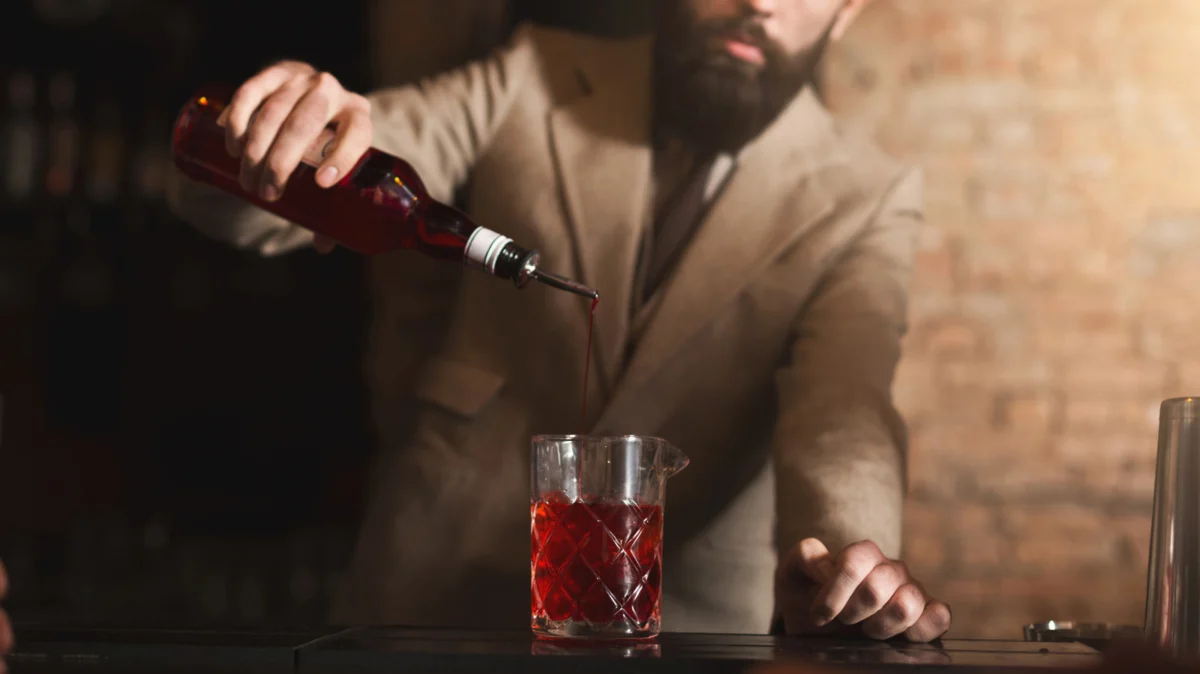
If you have ever ordered a Jack Rose, a Tequila Sunrise, or a sophisticated mocktail, you have likely encountered the bright, neon-red syrup known as grenadine. Today, it is largely synonymous with a singular, sugary fruit flavor—pomegranate. However, cocktail historians have recently peeled back the layers of this ingredient, revealing that the "grenadine" of the early 20th century was not merely a fruit syrup, but a complex, aromatic, and spicy concoction that bears little resemblance to the modern mass-market product.
For the modern bartender and the history-conscious drinker, the discovery that pre-Prohibition grenadine was a multifaceted spice-and-floral infusion rather than a fruit concentrate is more than a culinary footnote—it is a fundamental shift in how we understand the flavor profiles of classic American cocktails.
The Evolution of Grenadine: A Chronological Retrospective
To understand how grenadine lost its complexity, one must look at its origins, which began far from the bar rail.
19th-Century Apothecary Roots
The earliest iterations of grenadine were born in French apothecary shops. During the mid-1800s, pharmacists sought ways to mask the pungent, bitter, and often unpleasant odors and tastes of medicinal concoctions. Pomegranate syrup provided a viscous, sweet, and slightly acidic medium to make these medicines more palatable.
The 1869 Patent and Commercialization
In 1869, a French immigrant named Victor Rillet secured a patent for a grenadine syrup that utilized the fruit for which it was named. This marked the transition of the syrup from a medicinal tool to a commercial beverage ingredient. However, as the demand for the syrup grew, so did the competition. To cut costs and stabilize production, competitors began moving away from fresh, seasonal pomegranate juice toward shelf-stable, synthetic, or aromatic alternatives.
The 1901 "Standard Manual of Soda"
The most significant evidence regarding the true nature of pre-Prohibition grenadine comes from the 1901 publication, The Standard Manual of Soda. A deep dive into this archival text reveals a recipe that is entirely devoid of pomegranate. Instead, it relies on a sophisticated blend of:
- Clove oil: Providing a warm, woody foundation.
- Orange peel oil: Adding a bright, citrusy top note.
- Ginger tincture: Offering a subtle, biting heat.
- Vanilla extract: Contributing a creamy, aromatic depth.
- Cochineal coloring: A traditional, albeit controversial, red dye derived from ground-up Dactylopius coccus beetles.
The Secret Ingredient: Clove Pinks and Heirloom Florals
Perhaps the most startling component of historical grenadine was the inclusion of "clove pinks." In modern parlance, these are better known as heirloom carnations.
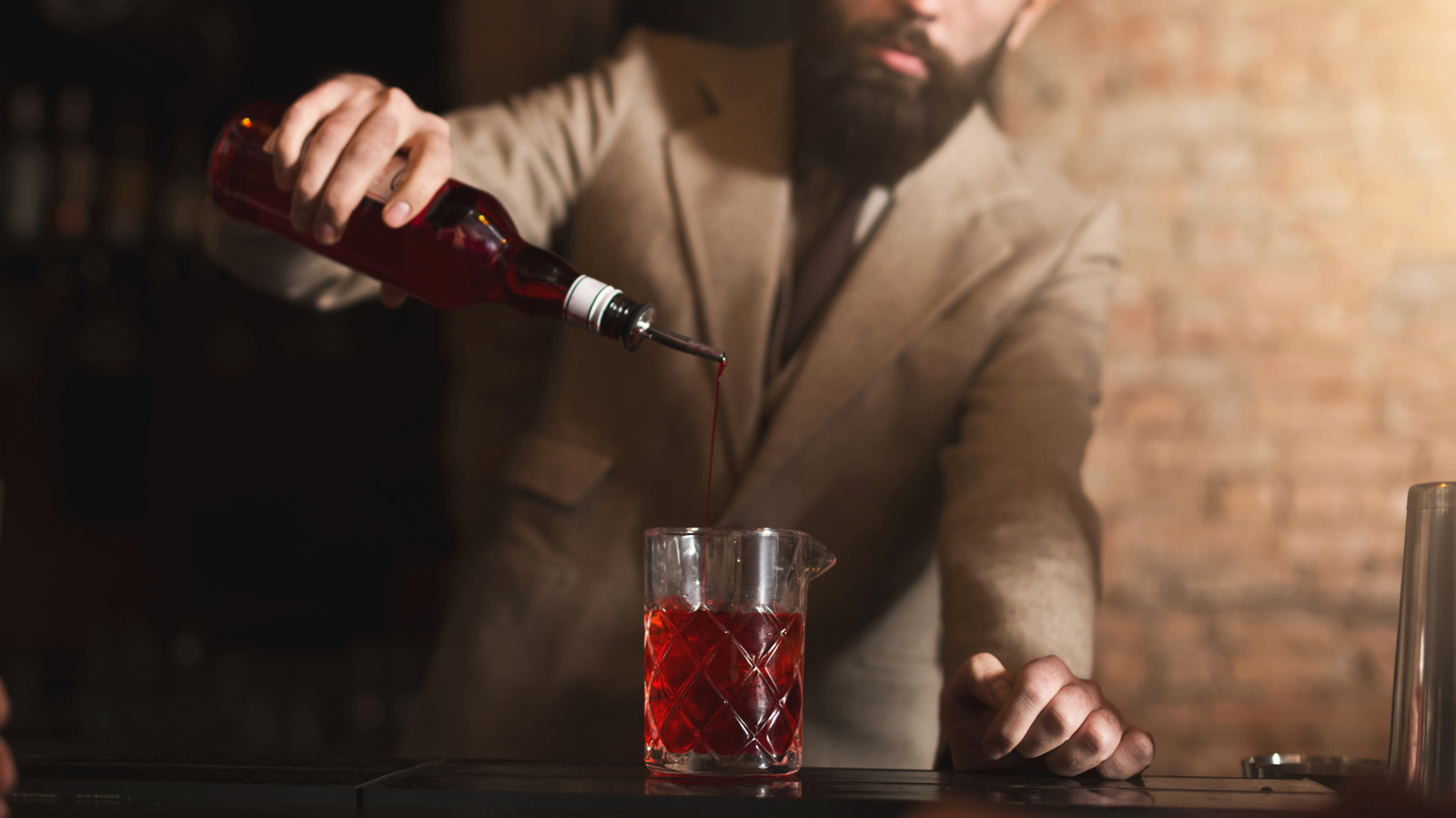
In the Victorian and Edwardian eras, flowers were not merely decorative; they were essential ingredients in the pantry. Clove pinks were valued for their unique aromatic profile—a scent and flavor profile that bridge the gap between spicy clove and delicate floral notes. When used in syrups and cordials, these petals imparted a sophisticated, bittersweet nuance that modern commercial grenadine—which often relies on high-fructose corn syrup and Red 40—cannot replicate.
Supporting Data: Why "More Flavorful" is an Understatement
The shift from the historic spice-and-floral formula to the modern fruit-forward version represents a loss of "flavor bandwidth."
Sensory Comparison
When one analyzes the flavor profile of a cocktail made with pre-Prohibition grenadine, the difference is immediate. Modern pomegranate grenadine acts as a sweetening agent with a singular "tart-fruit" note. In contrast, the 1901 formulation acts as a modifier, much like a bitters or a fortified wine. The interplay of ginger, orange, and clove creates a "spiced architecture" within the drink.
The Impact of Ingredients
| Ingredient | Modern Grenadine | Pre-Prohibition Grenadine |
|---|---|---|
| Primary Base | Pomegranate Juice/Sugar | Sugar Syrup / Essential Oils |
| Aromatic Profile | Monotone (Fruit) | Complex (Spice/Floral) |
| Coloring | Artificial (Red 40) | Natural (Cochineal/Beetle) |
| Mouthfeel | Thin/Sugary | Viscous/Aromatic |
The Implication for Modern Mixology
This historical discovery poses a significant question for contemporary mixologists: Are we drinking the "original" versions of the cocktails we serve, or are we drinking modernized, simplified interpretations?
Reimagining Classic Cocktails
Consider the Scofflaw or the Hurricane. If these drinks were originally balanced against a syrup containing floral notes and spicy ginger, the modern reliance on sweet pomegranate syrup likely renders these drinks "out of balance." By attempting to recreate the 1901 recipe, bartenders have the opportunity to recalibrate the bitterness and spice levels in these classics, potentially revealing why they were so popular in their original, historical context.
The Craft Renaissance
The current cocktail movement is defined by a return to scratch-made ingredients. We have seen a resurgence in house-made bitters, shrubs, and syrups. The "clove pink" grenadine represents the next frontier. While these historic recipes currently exist primarily in the notebooks of cocktail historians and the bars of the most intrepid mixologists, there is a growing demand for "vintage-accurate" components.
Official Perspectives from Industry Historians
Cocktail historians note that the divergence in grenadine recipes was largely driven by the logistical challenges of the early 20th century. During the transition into Prohibition, the cocktail industry was fractured. As supply chains for exotic spices and botanical extracts became unstable, mass-market producers gravitated toward the simplest, cheapest shelf-stable ingredients.
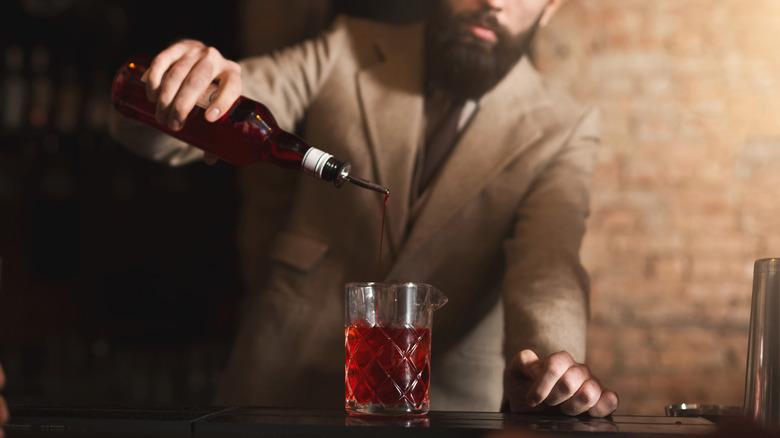
"The tragedy of modern grenadine isn’t that it tastes bad," says one industry consultant. "The tragedy is that it became a ‘red syrup’ rather than a ‘flavoring agent.’ By stripping away the clove, the ginger, and the floral notes of the carnation, we effectively lobotomized a core component of the early American cocktail canon."
Future Directions: Can the Old Way Return?
The prospect of bringing back the "true" grenadine is not without challenges.
- Regulatory Hurdles: The use of cochineal, while traditional, is subject to food safety regulations and can be problematic for vegan patrons. Modern alternatives like beet juice or hibiscus can offer the color, but they lack the specific chemical interaction that the original recipe required.
- Sourcing Ingredients: Finding food-grade heirloom clove pinks that are free of pesticides is a logistical hurdle for high-volume bars.
- Consumer Expectation: The modern palate is accustomed to high sweetness. A historically accurate grenadine is significantly less sweet and more "bitters-like," which may be jarring for customers expecting the candy-like profile of a Shirley Temple.
Conclusion
The story of grenadine serves as a microcosm for the broader history of food and beverage. It is a tale of industrialization, the simplification of complex flavor profiles, and the slow erosion of culinary nuance in favor of consistency and cost.
As we continue to look back into the archives of the 19th and early 20th centuries, we are reminded that "tradition" is rarely static. By reviving the spice-and-floral formulation of pre-Prohibition grenadine, we are not just mimicking the past—we are expanding the future of the cocktail. Whether or not it will ever replace the ubiquitous pomegranate version remains to be seen, but for those willing to experiment with ginger, vanilla, and the delicate petal of a clove pink, the results promise a drinking experience that is not just 10 times more flavorful, but fundamentally more authentic to the golden age of the American bar.
The next time you reach for a bottle of bright red syrup, pause and consider what might be missing. The history of the cocktail is waiting to be tasted, one spice-heavy, floral-scented drop at a time.