In the vast, sprawling landscape of Stephen King’s cinematic legacy, there are the titans—films like The Shining, Carrie, and Misery—that have long defined the horror genre. Yet, beneath these giants lies a collection of mid-2000s adaptations that have quietly simmered in the cultural consciousness. Among them, the 2004 psychological thriller Secret Window has recently seen a startling resurgence. Currently ranking at No. 4 on HBO Max’s movie charts, the film has found a second life, captivating a new generation of viewers who are rediscovering its unique brand of isolation-driven dread.
The Main Facts: A Return to the Lakeside
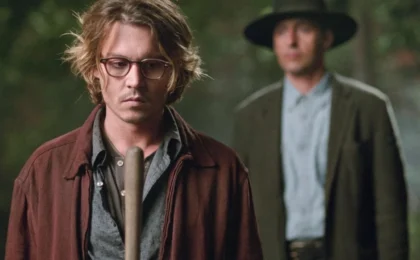
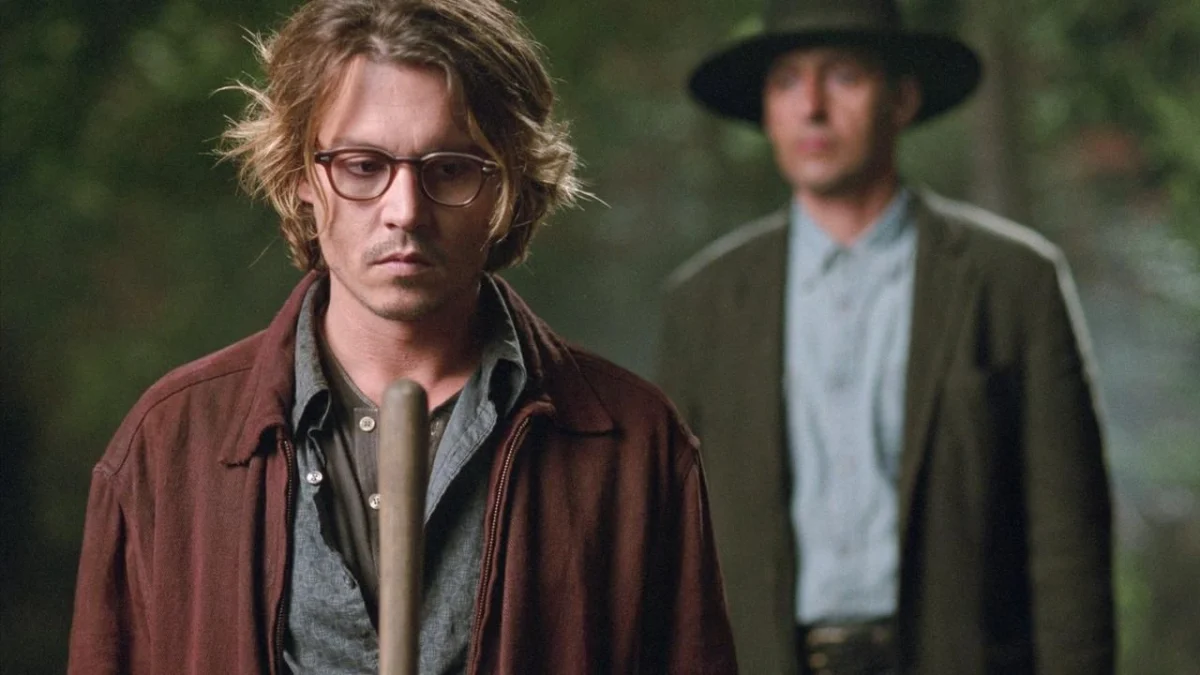
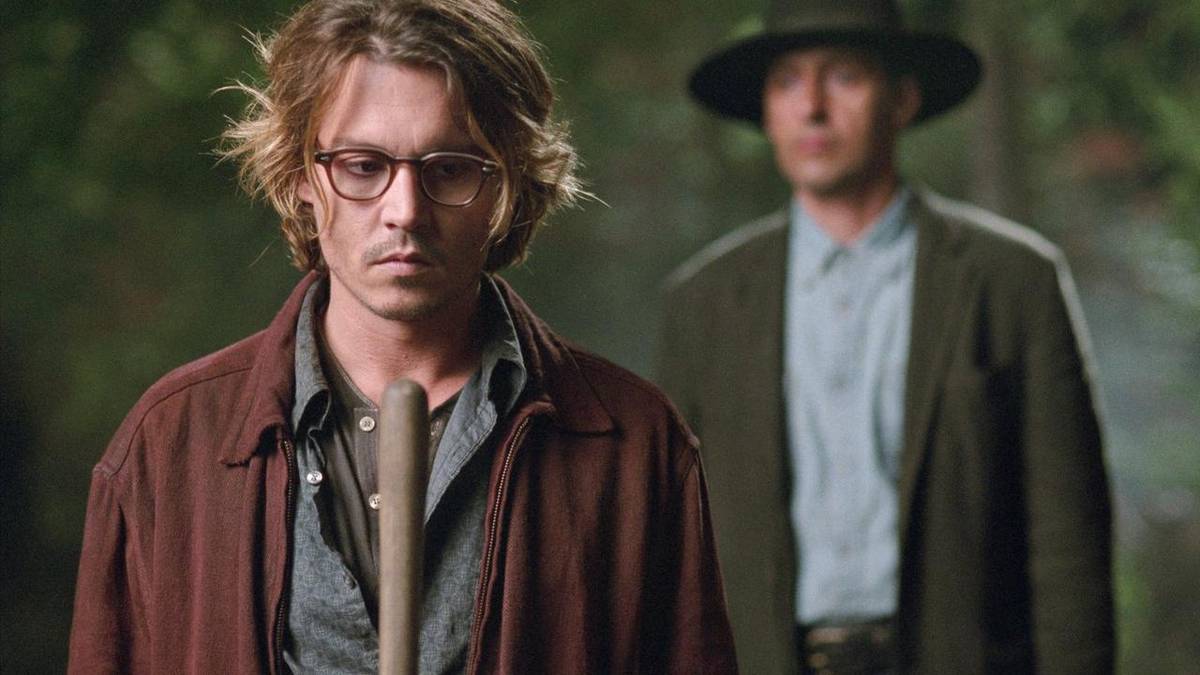
Secret Window is an adaptation of the novella Secret Window, Secret Garden, featured in King’s 1990 collection Four Past Midnight. The narrative centers on Mort Rainey (played by Johnny Depp), a successful novelist weathering a bitter divorce. Seeking refuge from the emotional fallout of his personal life, Mort retreats to a secluded lakeside cabin in Tashmore Lake, New York.
His attempt at a “quiet retreat” is shattered by the arrival of John Shooter (John Turturro), a mysterious man from Mississippi who accuses Mort of plagiarizing his short story, “Secret Window.” What begins as a petty dispute over intellectual property rapidly devolves into a game of cat-and-mouse. As Shooter’s demands become increasingly violent and bizarre, Mort finds himself caught in a web of paranoia where the truth becomes impossible to isolate from the hallucinations of a broken mind.
Chronology: From Page to Streaming Success
To understand the film’s current trajectory, one must look at its history. Released on March 12, 2004, the film was written and directed by David Koepp, a filmmaker already well-versed in tension, having penned Panic Room and Stir of Echoes.
- 2004 (The Release): The film opened to moderate box office success, grossing approximately $93 million worldwide against a $40 million budget. Critics were polarized, often citing Depp’s performance as the primary anchor for an otherwise predictable narrative.
- 2005–2020 (The Cult Phase): Over the next two decades, the film maintained a steady presence on cable television and digital rentals. It became a staple of “Sunday afternoon thrillers,” earning a loyal, if quiet, following among King enthusiasts who appreciated its tight pacing and claustrophobic aesthetic.
- 2026 (The Renaissance): Following a year of high-profile King adaptations—including the success of the new Carrie series and the theatrical release of The Long Walk—audiences have developed a renewed appetite for the author’s back catalog. As of October 2026, Secret Window has surged into the top tier of streaming metrics, signaling a shift in audience interest toward smaller-scale, character-driven psychological horror.
Supporting Data: Examining the Critical Divide
The endurance of Secret Window is a fascinating case study in the disparity between critical consensus and audience sentiment.
- The Critical Stance: On review aggregator Rotten Tomatoes, the film holds a 46% critics’ score. Common critiques from the era centered on the film’s reliance on tropes established by Misery and other “obsessed fan” stories. Reviewers often pointed to a perceived loss of narrative momentum in the third act.
- The Audience Reception: Conversely, the film maintains a 65% audience score. Viewers have consistently highlighted the chemistry between Depp and Turturro. While the former brings a disheveled, vulnerable energy to Mort, Turturro’s portrayal of Shooter—marked by a soft-spoken, menacing cadence—is frequently cited as the film’s greatest asset.
- Streaming Analytics: Data provided by FlixPatrol shows that the film’s recent entry into the top 5 on HBO Max coincides with a broader trend of “comfort horror.” In an era of heavy CGI and high-concept cosmic dread, viewers appear to be gravitating toward the grounded, contained suspense that defined the mid-2000s thriller landscape.
Official Perspectives: The King Adaptation Ecosystem
The broader context for this resurgence is the “King Renaissance” currently helmed by creators like Mike Flanagan. With Flanagan actively developing The Dark Tower and various other projects, the public interest in Stephen King is at an all-time high.
While David Koepp has moved on to other projects, his approach to Secret Window remains a definitive example of how to adapt a short-form King story. Unlike The Shining or The Stand, which require massive world-building, Secret Window thrives on its limitation. The “secret” behind the film’s success is its singular focus on the fragility of the human psyche.
In recent interviews regarding his work on The Dark Tower, Mike Flanagan noted that the strength of King’s writing lies not in the monsters, but in the internal struggles of his protagonists. This sentiment perfectly encapsulates why Secret Window is resonating today: Mort Rainey is a man fighting his own shadow, a theme that feels increasingly relevant to modern audiences dealing with themes of burnout, isolation, and digital-age paranoia.
Implications: The Future of “Mid-Tier” Horror
The sudden popularity of Secret Window carries significant implications for streaming platforms and production houses. It suggests that there is a vast, untapped value in “library content”—films that are not necessarily critically acclaimed blockbusters but possess a distinct atmosphere that sustains repeat viewings.
1. The Power of Character-Driven Suspense
The resurgence of this film proves that audiences do not always require grand spectacles. The “writer in isolation” trope, while classic, remains a powerful narrative vehicle when paired with strong performances. The film’s success may encourage studios to greenlight smaller-budget psychological thrillers that prioritize character study over high-octane set pieces.

2. The “King” Brand Advantage
The “Stephen King” label acts as a powerful marketing engine, regardless of the film’s age. This creates a cyclical ecosystem where new, high-quality adaptations (like the Carrie series) serve as gateways, leading audiences to discover the author’s deeper filmography. The result is a perpetual discovery loop that benefits both legacy films and new projects.
3. The Shift in Psychological Horror
We are seeing a move away from the “jump scare” horror of the 2010s toward a more dread-filled, psychological approach. Secret Window fits comfortably into this current aesthetic. Its focus on the ambiguity of truth—a concept amplified by today’s digital discourse—makes the film feel surprisingly modern despite its 2004 origins.
Conclusion: A Window Worth Reopening
Whether it is the haunting performance of John Turturro or the relatable misery of an artist struggling against his own ego, Secret Window has proven that it has staying power. It serves as a reminder that the best horror stories aren’t always the ones with the largest budgets or the most critical acclaim; they are the ones that burrow into the mind and refuse to leave.
As we look toward the future of the genre, it is clear that Stephen King’s influence will remain the bedrock of horror cinema. For those who have yet to revisit this 2004 gem, the current streaming surge offers the perfect excuse to step into Mort Rainey’s lakeside retreat. Just be warned: once you open the window, you might not like what you see staring back at you.