In an era where the digital landscape is rapidly eclipsing physical media—marked by Sony’s recent announcement to cease physical PlayStation disc production by 2028—the act of collecting physical video games has taken on a new, urgent significance. For enthusiasts, physical cartridges and discs represent more than just software; they are tangible artifacts of cultural history. However, these physical assets are vulnerable to the harsh realities of the real world: theft, natural disaster, and environmental degradation.
Roger Holler, a resident of Puyallup, Washington, recently learned this lesson in the most devastating fashion imaginable. Returning home last Sunday after a brief trip, Holler discovered his residence had been burglarized. The thieves bypassed typical household electronics, focusing their efforts on a single, specific target: his legendary collection of over 860 Nintendo Entertainment System (NES) games.
A Lifelong Obsession Stolen in Hours
For Holler, the loss is not merely financial—though the estimated value of the collection ranges from $50,000 to $100,000—but deeply personal. The collection was the product of nearly 40 years of meticulous curation.
“I shake, I get headaches,” Holler told local news outlet KING5 in the wake of the discovery. “I don’t even want to look at them—the shelf.”
The burglary represents the near-total erasure of a lifetime of work. Holler was, by his own account, only three games away from completing the entire North American NES library, a feat that requires years of scouring specialized gaming conventions, retro game shops, and private auctions. The collection was not merely a hobby; it was a legacy project intended to be passed down to his grandchildren, potentially serving as a financial cushion for their future educational pursuits.
A Chronology of a Curated Life
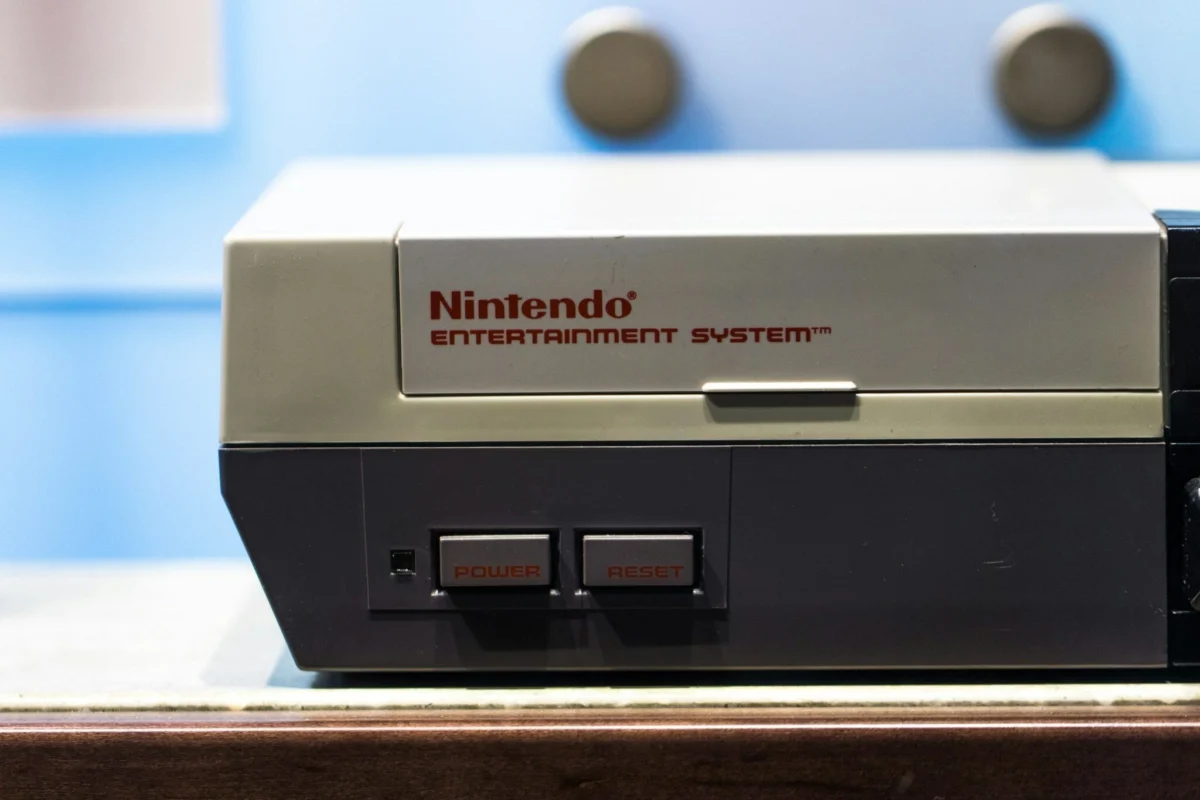
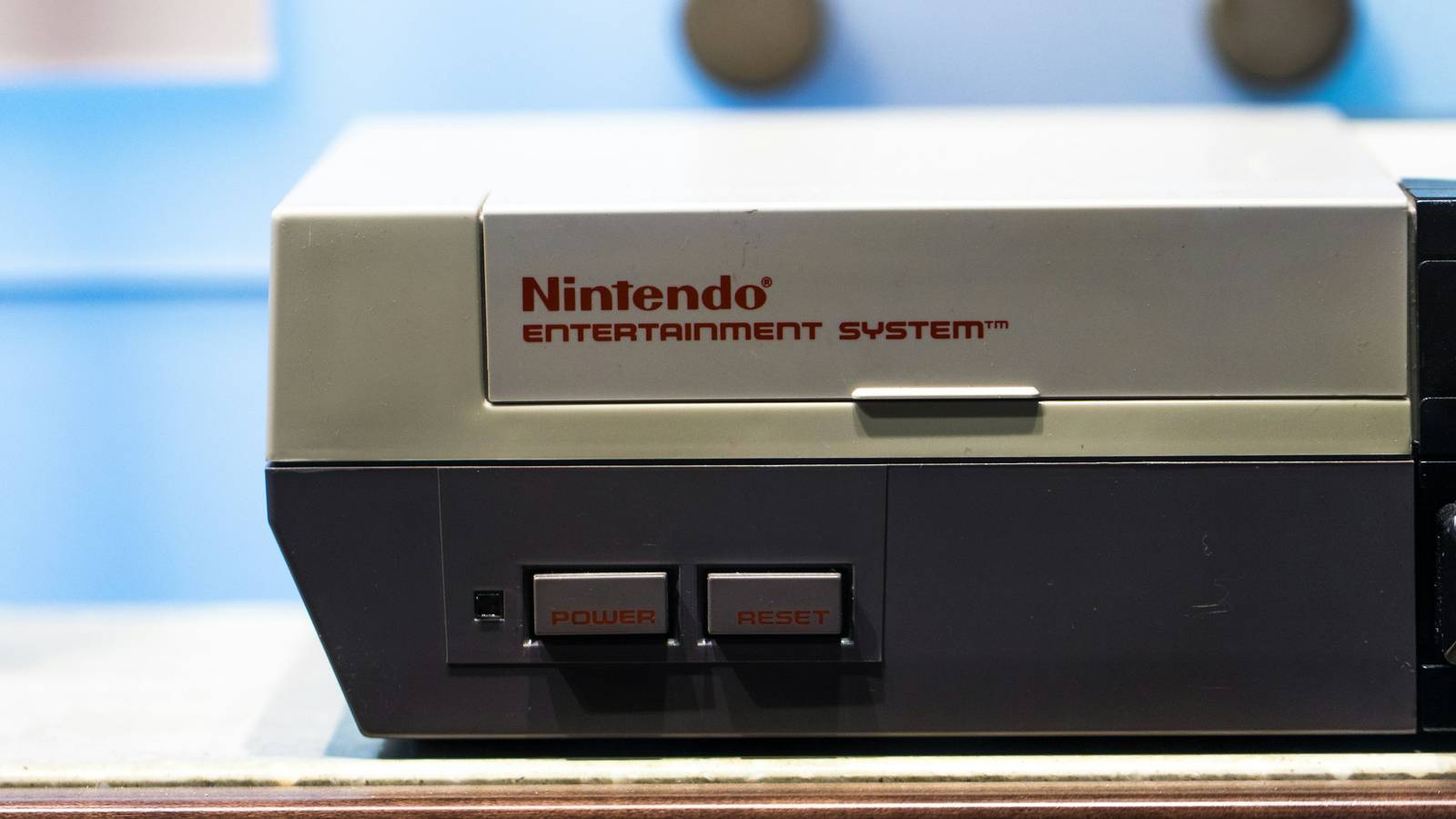
The history of this collection began when Holler was just 11 years old, sparked by a gift from his mother: his first Nintendo Entertainment System console. That initial console served as the catalyst for a journey that would span four decades.
- The 1980s and 90s: Holler began building his library during the prime of the NES era, acquiring titles as they were released.
- The 2000s and 2010s: As the retro gaming market matured, Holler shifted his focus to hunting down rarer, harder-to-find cartridges, attending regional conventions and connecting with collectors across the Pacific Northwest.
- The Final Stretch: By 2026, the collection had grown to include over 860 titles. Holler was within reach of the "holy grail" of completion, needing only three final, elusive titles to finalize the set.
- August 2026: While Holler and his family were away from their Puyallup home, intruders forced entry and systematically cleared the shelves that housed the collection. The discovery of the theft occurred upon the family’s return on Sunday evening.
For his son, Chris Sterling, who grew up alongside the collection, the experience of watching his father’s passion project disappear in a matter of hours has been harrowing. “To watch that essentially lifelong collection just ripped out is heartbreaking,” Sterling remarked.
The Economics of Retro Gaming
The theft of Holler’s collection highlights a startling reality of the modern gaming market: vintage Nintendo games have become a high-stakes asset class. The "retro" boom has transformed childhood pastimes into investment-grade collectibles.
In June 2026, just months before the burglary, the market for vintage titles reached a new zenith when a sealed copy of Super Mario Bros. sold for an unprecedented $3 million at Heritage Auctions. That same event saw a copy of The Legend of Zelda fetch $375,000. In total, that single auction generated over $5 million in sales, underscoring why collections like Holler’s are increasingly being viewed by criminals not as nostalgia, but as high-value, liquidable inventory.
This valuation shift creates a dangerous paradox. As the value of these items climbs, the security requirements for collectors increase proportionally, yet the emotional connection to these items often remains grounded in the simplicity of 8-bit sprites and weekend mornings spent in front of a CRT television.
The Implication: Ownership in the Digital Age
The burglary of the Holler collection intersects with a broader, growing anxiety within the gaming community regarding the permanence of media. With companies like Sony moving away from physical media, the discourse around "digital rights" and "ownership" has intensified.
Proponents of physical media often cite the "safeguard argument"—the idea that a physical disc or cartridge cannot be "revoked" by a server-side update or the shuttering of an online storefront. However, the tragedy in Puyallup serves as a brutal reminder that physical media is subject to its own unique set of risks.

While digital libraries are susceptible to account bans and server decommissioning, physical libraries are subject to:
- Theft and Burglary: As demonstrated by the Holler case, physical collections are high-value targets for thieves who recognize their market worth.
- Degradation: Cartridge batteries, circuit boards, and plastic casings are subject to entropy, oxidation, and "disc rot."
- Catastrophic Loss: Fire, flood, or structural damage can wipe out a collection in minutes—risks that do not apply to cloud-based digital assets.
The Future of Preservation
For those who wish to engage with gaming history without the immense financial and physical risks associated with collecting rare hardware, the landscape is shifting toward emulation and subscription-based access. Nintendo’s own Nintendo Switch Online service offers a vast library of NES and SNES classics, including Super Mario Bros. 3 and The Legend of Zelda.
While these services provide the average consumer with the ability to revisit these titles, they do not provide "ownership" in the traditional sense. They are licensing agreements that remain dependent on the longevity of the platform provider. This creates a difficult middle ground for enthusiasts: do they risk thousands of dollars on physical hardware that could be stolen, or do they entrust their access to these cultural milestones to the digital whims of modern corporations?
Conclusion
The story of Roger Holler is a cautionary tale for the collecting community at large. As the market for retro gaming continues to climb, the visibility of these collections increases, making them attractive targets for theft.
For now, the investigation into the burglary in Puyallup continues. For Holler, the primary hope remains that the stolen items—many of which are likely documented and unique—might eventually be recovered. However, the incident has left a permanent mark on his relationship with his collection. The shelf, once a source of pride and a testament to a father-son bond, now serves as a hollow reminder of what happens when the physical world interferes with a digital legacy.
In an age where everything is becoming ephemeral, the quest to preserve the past is becoming increasingly fraught. Whether through the lens of a $3 million auction or a stolen collection in Washington, the value we place on these games is clear; how we protect that value, however, remains an open and painful question.