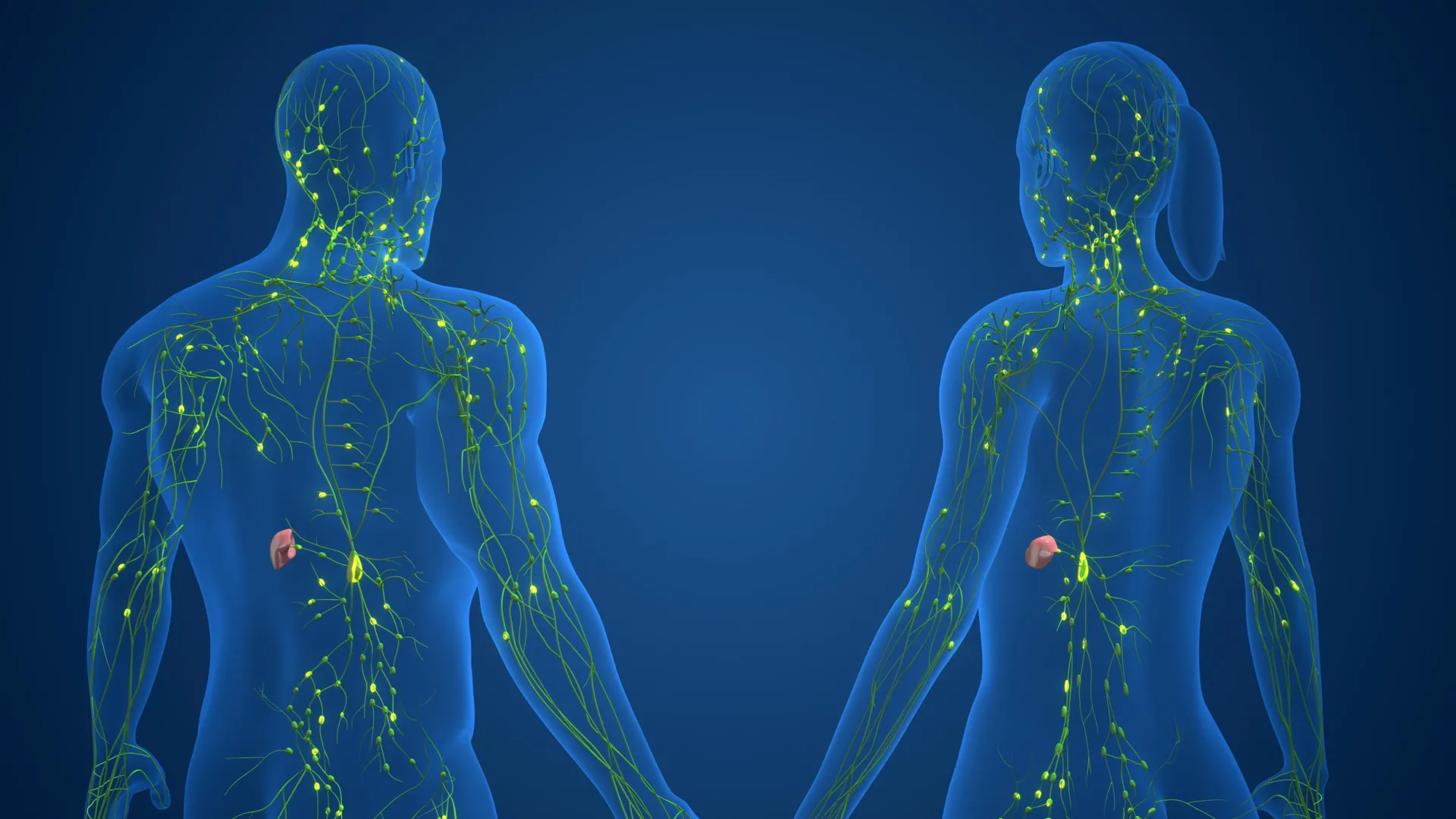
For decades, clinicians and researchers have been confronted with a persistent, nagging statistical anomaly: autoimmune diseases, ranging from systemic lupus erythematosus (SLE) to rheumatoid arthritis, disproportionately affect women. In the case of lupus, the ratio is as stark as nine-to-one. For years, this disparity was largely attributed to hormonal fluctuations or environmental triggers, while the fundamental genetic architecture remained shrouded in mystery.
Now, a groundbreaking study led by the Garvan Institute of Medical Research and UNSW Sydney has peeled back a layer of this complexity. By utilizing cutting-edge single-cell technology to map the immune systems of nearly 1,000 healthy individuals, researchers have identified over 1,000 genetic "switches" that function differently in males and females. This discovery provides a new biological blueprint for understanding why the female immune system is inherently more reactive—and why that reactivity, while evolutionary advantageous against viruses, may inadvertently fuel the "friendly fire" of autoimmunity.
The Core Findings: A New Genetic Paradigm
The study, published in The American Journal of Human Genetics, challenges long-held assumptions about how immune systems differ across the sexes. Historically, researchers looked at the immune system through the lens of "bulk analysis," which averages the activity of millions of cells. This approach effectively masked the nuanced, cell-specific behaviors that differentiate men and women.
By pivoting to single-cell sequencing, the research team analyzed more than 1.25 million peripheral blood mononuclear cells. The results were immediate and striking: male and female immune profiles are distinct at the most fundamental level.
Key Cellular Differences:
- Male Profiles: Tended to show larger proportions of monocytes—the "first responders" of the immune system—with gene activity heavily skewed toward basic cellular maintenance and protein production.
- Female Profiles: Exhibited significantly higher numbers of B cells and regulatory T cells, accompanied by a marked increase in genetic activity within inflammatory pathways.
These findings confirm that the female immune system is, by design, more highly "primed" or reactive. While this allows women to mount a more robust defense against viral pathogens, the study suggests a clear biological trade-off: a heightened susceptibility to autoimmune disorders where the body’s internal sensors misidentify healthy tissue as a threat.
Chronology of the Discovery: From Cohort to Insight
The road to this discovery began with the establishment of the OneK1K cohort, a massive Australian research project designed to investigate the influence of genetics on individual immune cells across a diverse population.
- Data Collection: Researchers sequestered immune cells circulating in the bloodstream of nearly 1,000 healthy participants.
- Technological Leap: Using high-resolution single-cell sequencing, the team bypassed the limitations of traditional bulk blood analysis. This allowed for the observation of individual cell behavior, revealing that sex-based differences were not merely systemic, but embedded in the cellular architecture.
- Mapping the Switches: The team focused on "expression quantitative trait loci" (eQTLs)—genetic switches that act as volume controls for gene expression.
- Challenging Chromosomal Dogma: Contrary to expectations that these differences would be localized to the sex chromosomes (X and Y), the vast majority of the 1,000+ identified switches were found on autosomes—the non-sex chromosomes shared by both men and women. This suggests that the genetic programming for sex-based immunity is woven throughout the entire human genome.
Supporting Data: Why "One-Size-Fits-All" Fails
The implications of this research are grounded in data that highlights the dangers of the current medical status quo. For years, clinical trials have been heavily skewed toward male participants, under the assumption that biological differences were either negligible or easily compensated for by dosage adjustments.
The Garvan-UNSW study provides the hard data to debunk this approach. By identifying specific genetic variants that influence female-biased gene expression in lupus patients, researchers have bridged the gap between abstract genetic data and clinical disease presentation.
Furthermore, the data suggests that while men are generally less prone to autoimmune conditions, they are inherently more susceptible to specific types of infections and non-reproductive cancers because their immune systems are less "primed" for inflammation. This realization underscores that neither sex has an "optimal" immune system; rather, they are evolved for different survival strategies—strategies that carry distinct risks in the modern medical landscape.
Official Responses and Expert Perspectives
The research team emphasizes that this discovery is not merely an academic exercise, but a call to reform how medical research is conducted and how patients are treated.
Dr. Seyhan Yazar, the study’s first author and a Conjoint Lecturer at St Vincent’s Clinical School, UNSW, is clear about the necessity of this shift: "Our findings show that the immune system needs to be studied with sex in mind. Even though we know men’s and women’s immune systems differ, many studies still overlook these differences, which can limit how well we understand disease, and in turn, bias treatment options."
Dr. Sara Ballouz, co-senior author and Senior Lecturer at UNSW, adds a layer of caution regarding the "biological trade-off." She notes, "While this highly reactive immune profile gives females an advantage in fighting viral infections, it comes with a biological trade-off: a greater predisposition to autoimmune diseases. On the other hand, male immune cells are less primed for inflammation, making men generally more susceptible to infections and non-reproductive cancers."
Professor Joseph Powell, Director of the Translational Genomics Program at Garvan and co-senior author, believes this is the cornerstone of a new era of medicine. "If we want to realize the potential of precision medicine, we have to understand these fundamental biological variables," says Professor Powell. "Treatments need to be tailored not just to the disease, but to how a patient’s immune system operates at a baseline genetic level."
Implications: The Path Toward Personalized Immunology
The ultimate goal of this research is to move away from the "one-size-fits-all" management of autoimmune diseases. Currently, many therapies rely on broad-spectrum immunosuppressants, which act as a blunt instrument, weakening the entire immune system to quell the inflammation of an autoimmune response.
Future Treatment Pathways:
- Targeted Precision: By understanding the specific genetic pathways that are "switched on" or "switched off" in a sex-specific manner, pharmaceutical researchers can design drugs that target the underlying mechanism of the disease without suppressing the entire immune system.
- Better Clinical Trial Design: The findings mandate that future clinical trials for autoimmune drugs must be stratified by sex. If a drug works by modulating an inflammatory pathway that is genetically regulated differently in women, the efficacy of that drug cannot be accurately measured in a trial population that is predominantly male.
- Early Intervention: By identifying the genetic "switches" that predispose individuals to autoimmune disease, clinicians may one day be able to predict risk profiles earlier in life, allowing for preventative strategies that could mitigate or delay the onset of chronic conditions.
The study concludes that we are at a tipping point. By recognizing that male and female immune systems are not just different in degree, but in kind, the medical community can move toward a more inclusive, accurate, and effective standard of care. As Dr. Yazar notes, the current approach to managing autoimmune diseases is outdated. The future of immunology lies in the acknowledgment of these hidden genetic patterns, ensuring that treatment is as unique as the patient’s own biology.
In summary, the Garvan and UNSW findings offer more than just an explanation for a historical medical mystery; they provide a roadmap for the next generation of precision medicine, proving that to cure the disease, we must first understand the biology of the person living with it.