MEKELLE, Ethiopia — The streets of Mekelle, the capital of Ethiopia’s northern Tigray region, remain under a tense and heavy shroud of silence this week as federal police establish a foothold in the city. Following a sudden withdrawal of rebel forces—a maneuver described by the Tigray People’s Liberation Front (TPLF) as a "tactical pullback"—the Ethiopian government has launched an urgent campaign to reassert administrative control and restore civil order.
The deployment of federal officers, accompanied by the government-allied Tigray Peace Force, marks a pivotal and volatile moment in Ethiopia’s post-civil war trajectory. With municipal offices shuttered and critical infrastructure remaining largely non-functional, the international community watches with bated breath, fearing that the fragility of the 2022 peace process may finally be fracturing beyond repair.
The Resumption of Conflict: A Chronology of Escalation
To understand the current volatility in Mekelle, one must look at the rapid deterioration of the fragile peace that has governed the region since late 2022.
- November 2022: The Cessation of Hostilities Agreement (CoHA) is signed in Pretoria, ending two years of brutal civil war. The agreement mandates the disarmament of regional forces and the restoration of federal authority.
- Early 2026: Tensions simmer as the TPLF begins to voice grievances regarding the slow pace of transitional justice and the federal government’s perceived consolidation of power.
- September 2026: Diplomatic warnings from the UN High Commissioner for Human Rights signal that the climate in northern Ethiopia is reaching a breaking point as military mobilizations increase.
- Early October 2026: The TPLF joins a newly formed opposition coalition—a move interpreted by Addis Ababa as an existential threat to the administration of Prime Minister Abiy Ahmed.
- Mid-October 2026: Hostilities erupt into open conflict. TPLF forces seize the Mekelle airport and key municipal districts, triggering a federal military response.
- Friday, October 16, 2026: Following days of intense pressure and the threat of urban warfare, the TPLF announces a "tactical withdrawal." Federal police enter the city, issuing loudspeaker warnings for residents to assist in restoring order.
Supporting Data: The Humanitarian Toll and Infrastructure Crisis
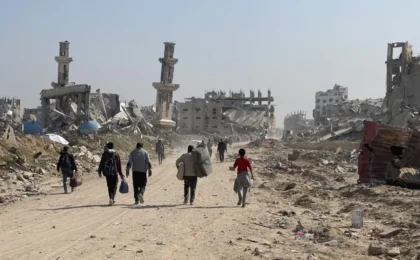
The operational environment in Mekelle is characterized by systemic paralysis. While federal officials have publicly pledged to restore essential services—specifically banking, telecommunications, electricity, and water—the reality on the ground remains dire.
The Infrastructure Vacuum
As of the latest reports, the city remains digitally and physically isolated. Regional broadcast networks, which serve as a primary source of information for the local population, are dark. Municipal administrative offices, the engines of local governance, are currently inactive, leaving a power vacuum that federal police are attempting to fill through patrols and public messaging.
The Human Cost
According to data from the Armed Conflict Location & Event Data Project (ACLED) and international humanitarian monitors, the resurgence of violence has exacerbated an already precarious food security situation. Millions of civilians in Tigray and the surrounding northern territories are currently dependent on emergency humanitarian aid. The recurring military mobilization has effectively severed aid corridors, leading to:
- Displacement: A fresh wave of internally displaced persons (IDPs) fleeing the conflict zones.
- Healthcare Deficits: Interrupted medical supply chains, complicating the management of chronic conditions and war-related trauma.
- Legal Uncertainty: The lack of functional courts or transitional justice mechanisms has left the civilian population without legal recourse or protection against potential human rights abuses.
Official Responses: A Divergence of Narratives
The rhetoric emanating from the federal government and regional stakeholders highlights the deep-seated mistrust that continues to undermine the peace process.
The Federal Position
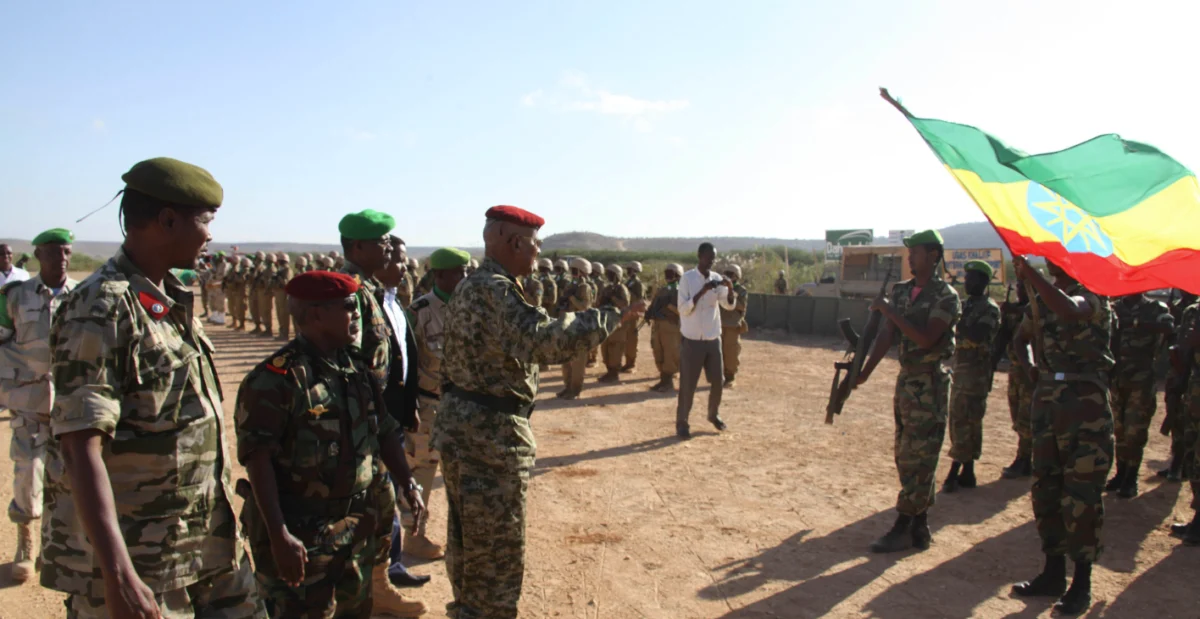
Federal authorities characterize their current presence in Mekelle as a necessary measure to uphold the rule of law. By deploying the "Tigray Peace Force"—a breakaway faction of former combatants—the federal government is attempting to create a "local-to-local" security architecture. Government officials have announced plans to register individuals involved in recent hostilities, a move framed as a precursor to disarmament and reintegration, though critics fear it may serve as a mechanism for targeting political dissidents.
The Rebel Perspective
The TPLF, while confirming its withdrawal, has maintained that its actions were intended to prevent mass civilian casualties. By avoiding a prolonged siege or urban combat within the densely populated capital, the TPLF leadership argues it has prioritized the safety of the populace. However, their participation in the opposition alliance against Prime Minister Abiy Ahmed suggests that the TPLF no longer views the 2022 Pretoria agreement as a viable roadmap for their political future.
Implications: The Collapse of the Post-War Transition?
The situation in Mekelle is no longer a localized security issue; it is a barometer for the stability of the Ethiopian state. The implications of this renewed instability are vast and concerning for regional security analysts.
The Risk of Regional Contagion
The coalition formed by the TPLF and other political groups signals a shift toward a broader national power struggle. If the federal government continues to use force to suppress opposition, Ethiopia risks returning to the decentralized, multi-front conflict that characterized the 2020–2022 period. The stability of the Horn of Africa is inextricably linked to the internal cohesion of Ethiopia; further conflict threatens to destabilize neighboring states through refugee flows and the illicit arms trade.
The Failure of Transitional Justice
The stalling of transitional justice mechanisms—a key pillar of the 2022 peace deal—has created a climate of impunity. Without a credible, independent process to address grievances related to the civil war, the cycle of violence is likely to repeat. International human rights monitors have repeatedly warned that "band-aid" solutions, such as simple disarmament programs, will fail if they do not address the root causes of the ethnic and political tensions that sparked the war in the first place.
A Call for Diplomacy
International observers, including the African Union and the United Nations, are urging an immediate return to dialogue. The "tactical withdrawal" of the TPLF offers a narrow window of opportunity. Whether the Ethiopian government will utilize this window to initiate inclusive political talks or instead leverage its military presence to impose a hardline settlement will determine the fate of the Tigray region.
As federal police continue to patrol the corridors of Mekelle, the residents remain in a state of suspended animation. They are caught between a government eager to demonstrate its control and a rebel faction that, despite its retreat, remains an potent force in the region’s political landscape. The path forward requires more than just the restoration of electricity or the presence of police on the street; it requires a genuine commitment to the democratic processes and human rights protections that were promised—but never fully realized—in the wake of the 2022 peace accord.
For now, the silence in Mekelle is not a sign of peace, but a waiting period for the next phase of a conflict that refuses to conclude.