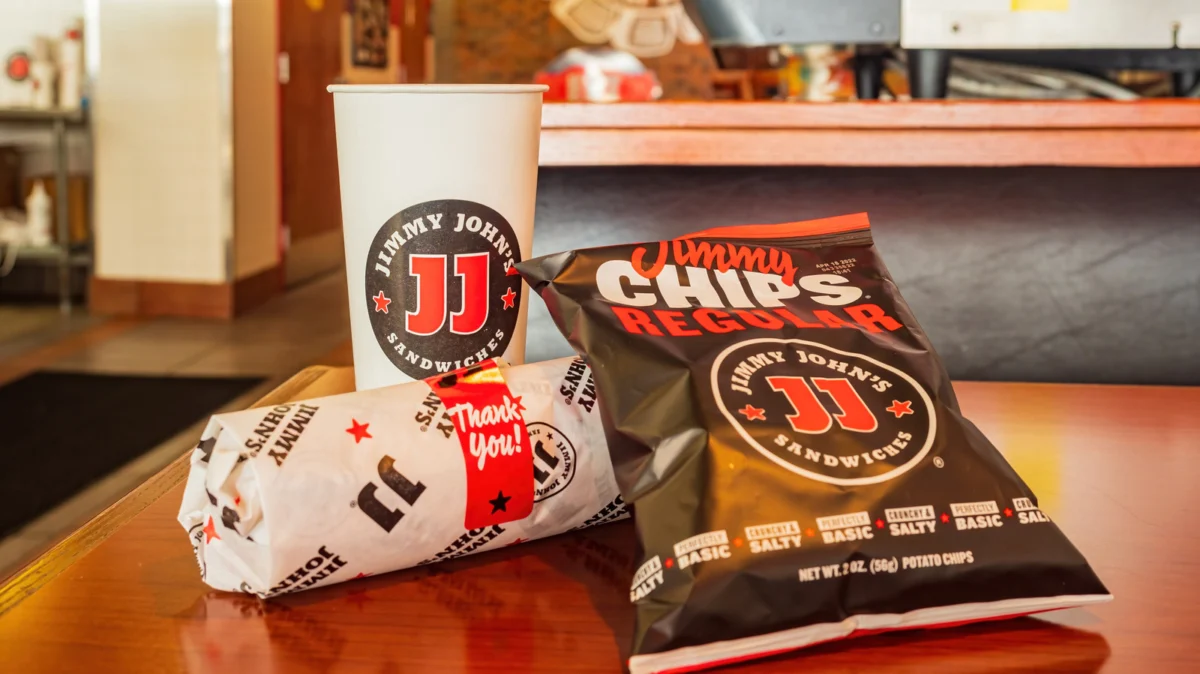
Since its humble inception in a converted garage in Charleston, Illinois, in 1983, Jimmy John’s has grown from a local college-town favorite into a titan of the quick-service restaurant (QSR) industry. With over 2,700 locations nationwide, the "Freaky Fast" brand has carved out a unique niche in the sandwich landscape, competing fiercely with heavyweights like Subway and Jersey Mike’s.
However, despite the brand’s massive footprint and standardized operational procedures, a significant divide exists between what the casual customer experiences and what the staff behind the counter knows. By analyzing firsthand accounts from current and former employees, we have uncovered the operational nuances, secret menus, and unspoken etiquette that define the Jimmy John’s experience.
The Evolution of a Sandwich Giant: A Brief Chronology
Jimmy John Liautaud founded the chain with a simple, focused menu and a commitment to speed that revolutionized the sandwich industry. Throughout the 1990s and 2000s, the brand perfected its supply chain and delivery logistics. The 2010s saw rapid expansion and the refinement of the "Freaky Fast" identity, which became synonymous with the brand’s marketing.
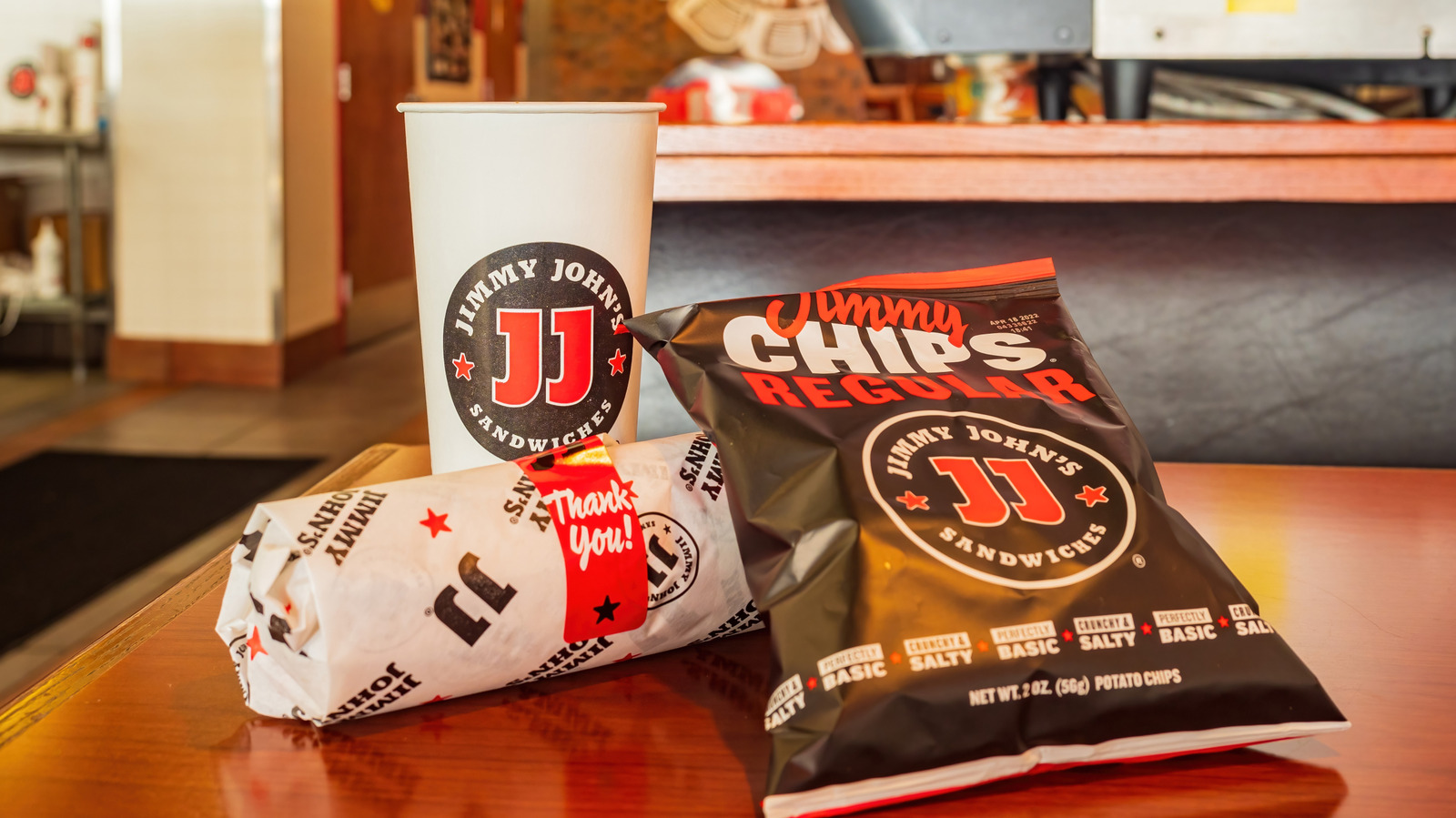
Today, the chain is a high-volume machine where precision is prized above all else. Understanding this operational environment is key to deciphering why certain "secrets" exist—they are not merely quirks, but the results of a strictly regimented corporate culture that prioritizes speed, waste reduction, and consistency.
The Napkin Dilemma: An Exercise in Efficiency
One of the most surprising revelations for the average customer is the unofficial policy regarding napkins. At many locations, napkins are not automatically placed in the bag with an order. Instead, they are treated as an "on-request" item.
From an operational standpoint, this is a cost-saving and waste-reduction measure. When thousands of stores skip the inclusion of three or four unused napkins per order, the corporate savings are substantial. However, for the customer, it creates a point of friction. Employees note that if you don’t specifically ask for napkins during the transaction, you are unlikely to receive them. While some franchise owners may adopt a more generous policy, the "ask first" rule remains a common internal standard to ensure that supplies are only distributed when necessary.
The Art of Customization: Navigating the ‘No-Rules’ Kitchen
While Jimmy John’s is known for its streamlined menu, the reality behind the counter is that the kitchen is a sandbox for the adventurous eater. Employees consistently report that there is virtually no limit to how a sandwich can be customized.
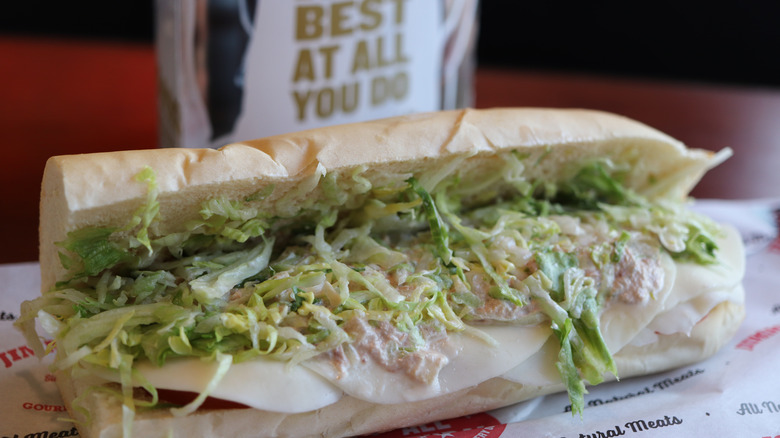
Whether it is adding tuna to a roast beef sub or layering horseradish on a chicken wrap, the staff is generally trained to fulfill any combination requested. In fact, many employees express a sense of professional curiosity when faced with "insane" orders, as long as the customer understands that the responsibility for the flavor profile lies entirely with them. If you dream up a culinary disaster, the staff will build it, but they won’t be accepting returns.
Precision Portioning: The Science of the Bacon Strip
The efficiency of a Jimmy John’s is perhaps best exemplified by its strict inventory management. Nothing is left to chance, and nothing is left to the discretion of the sandwich maker. This is most evident in the way bacon is handled.

Employees are required to follow rigorous portioning guidelines. For example, a "Slim Bacon" sandwich—often whispered about as a secret menu item—is mandated to contain exactly six slices. Other sandwiches, like the Club Lulu or the Jimmy Cubano, have their own specific quotas. If a customer requests extra bacon, the system dictates an addition of exactly three strips. This extreme level of control is not just for flavor consistency; it is a vital part of the store’s inventory accounting. Staff members are often held accountable for every strip of bacon used, ensuring that food costs remain within a razor-thin margin.
The Underground Menu: Beyond the Standard Signage
While Jimmy John’s does not have a formal "secret menu" displayed on its lobby boards, a lexicon of off-menu items has evolved within the community. These are combinations that employees know by heart but aren’t strictly advertised.
- The Noah’s Ark: For those who find the "Gargantuan" (the largest sub on the standard menu) insufficient, the Noah’s Ark involves ordering the item with double meat.
- The Chuck Norris: This involves adding tuna and bacon to the already massive Gargantuan.
- The Barracuda: A Gargantuan customized with the addition of tuna.
- The California Club: A modification of the standard "Veggie" sandwich, bolstered by the addition of bacon.
These items represent a "pro-tip" level of ordering that turns a standard lunch into a customized experience, provided the customer knows the correct terminology to use when speaking to the staff.
The ‘Freebies’ Phenomenon: A Bargain Hunter’s Guide
In an era of rising food costs, the concept of "Freebies" at Jimmy John’s is a critical piece of knowledge. These are specific toppings—such as various sauces, peppers, and onions—that can be added to any sandwich at no additional cost.
Employees emphasize that while these are "free," they are meant to be used to customize, not to overwhelm. There is a palpable frustration among staff when a customer asks for "all the freebies," as mixing incompatible sauces can create a sandwich that is essentially inedible. The best practice is to learn which freebies complement your specific order, rather than simply opting for a "kitchen sink" approach.
Vegan and Plant-Based Potential
While the Jimmy John’s menu is heavily meat-centric, vegans can navigate the options with a few strategic deletions and additions. By removing the cheese and mayonnaise from a standard "Veggie" or "Little John" sandwich and replacing them with extra vegetables, avocado, or peppers, customers can build a plant-based meal. Some locations have even experimented with an off-menu "Vegan Unwich," utilizing a lettuce wrap as the base to eliminate bread entirely. It is a testament to the versatility of the ingredients that such options exist, even if they aren’t explicitly listed on the corporate-sanctioned menu.
The Great Seasoning Paradox: Why There Is No Salt and Pepper
Perhaps the most polarizing "secret" is the complete absence of salt and pepper shakers in the dining area. To the uninitiated, this seems like a failure of service. To the corporate office and veteran staff, it is a point of philosophy. The company maintains that its bread and high-quality meats are flavorful enough on their own.
However, this policy often places employees in an awkward position. Many staff members admit to feeling embarrassed when forced to explain that the store—a business centered entirely on food—does not possess the two most fundamental seasonings in the culinary world. While oregano and basil are available, the lack of salt and pepper remains a defining, if controversial, characteristic of the brand.
The Redundancy of ‘French Bread’
Perhaps the most amusing insight for employees is the customer who asks for "French bread" as if it were an optional upgrade. Since the inception of the chain, French bread has been the standard carrier for every sandwich.
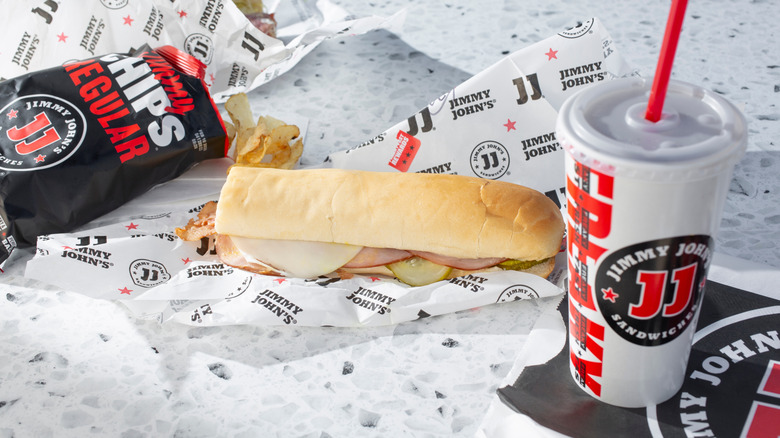
When a customer asks for their sub on "the bread," it is often interpreted by the staff as a lack of knowledge. To a seasoned Jimmy John’s worker, "bread" is French bread by default. Requesting it specifically is considered redundant, and asking for it in a way that implies it is a choice often results in internal amusement among the staff. If you want something else, such as sliced wheat, you must explicitly ask for it, or you will receive the standard French loaf every time.
Implications for the Future
The "Jimmy It Up" era, where customers were encouraged to use specific phrases to trigger a "loaded" sandwich, has largely faded from official marketing. Yet, the spirit of that era lives on. The relationship between the customer and the employee at Jimmy John’s is one governed by a complex set of unwritten rules.
For the brand, the challenge remains balancing the need for hyper-efficiency—which keeps the "Freaky Fast" reputation intact—with the increasing customer demand for transparency and customization. As long as the chain maintains its rigid internal structures, the "secrets" shared by employees will continue to be the primary way that savvy customers elevate their experience, transforming a standard, uniform lunch into something tailored to their unique preferences. By understanding the operational logic behind these secrets, customers can navigate the counter with the confidence of an insider, ensuring that every order is exactly what they want, right down to the last strip of bacon.