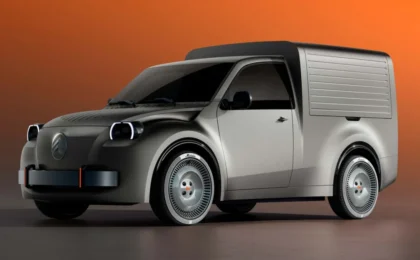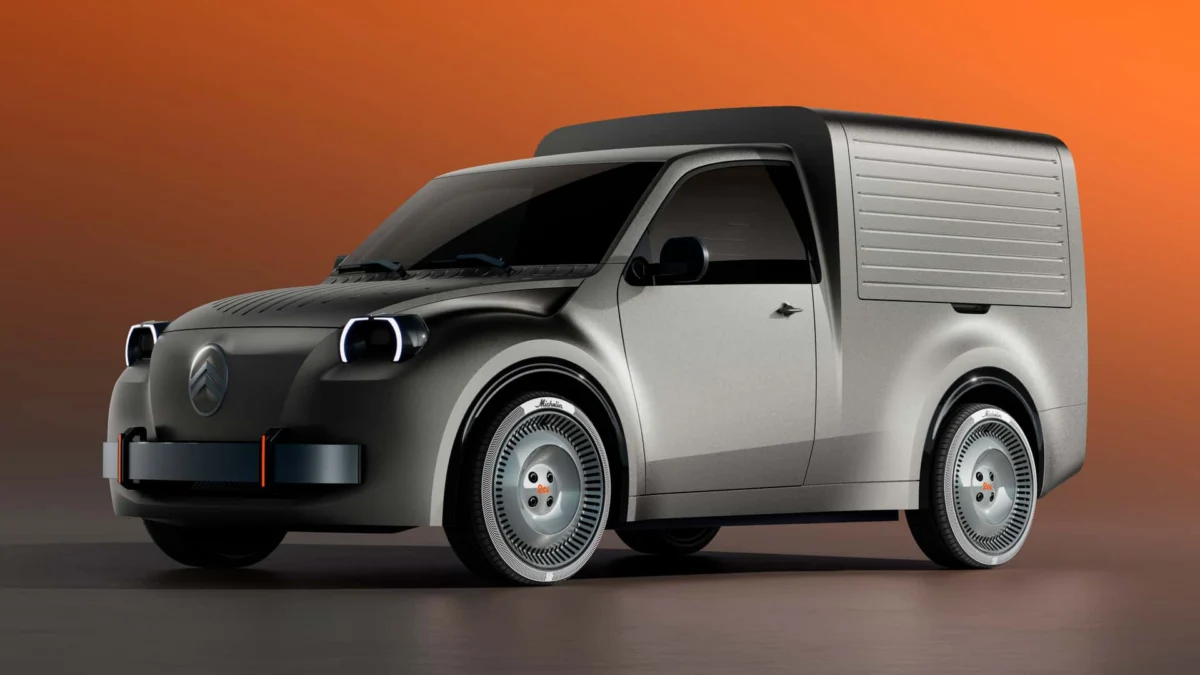
At the 2026 Paris Motor Show, the automotive world witnessed a bridge being built between the storied past of French motoring and an electrified, pragmatic future. Following the highly anticipated debut of an electric 2CV city car concept, Citroën has pulled the covers off its commercial counterpart: the 2CV Fourgonnette Concept. This rugged, boxy utility vehicle, designed to carry the legacy of postwar commerce into the age of zero-emissions logistics, signals a bold shift in how the manufacturer envisions the future of urban delivery and small-business mobility.
A Legacy of Utility: From Postwar Essential to Modern Icon
The 2CV Fourgonnette is far from a mere stylistic exercise; it is an homage to one of the most successful commercial vehicles in European history. To understand the significance of this new concept, one must look back to the original 2CV platform, which began rolling off production lines in 1948.
By 1951, Citroën identified a critical need among the French working class. Tradespeople, shopkeepers, and farmers required a vehicle that was as simple to maintain as it was affordable to purchase. The resulting 2CV Fourgonnette panel van became the backbone of the French recovery. Its modular design, light weight, and unparalleled reliability made it an indispensable tool for everything from transporting baguettes to hauling heavy machinery across the rugged landscapes of rural France.
Over the decades, Citroën produced over 1.2 million units of the Fourgonnette, solidifying its place in the cultural consciousness of Europe. The vehicle represented a philosophy of "essentialism"—the idea that a vehicle should be an unadorned, high-functioning partner in one’s daily labor rather than a status symbol.
Design Philosophy: Honoring the "No-Frills" Aesthetic
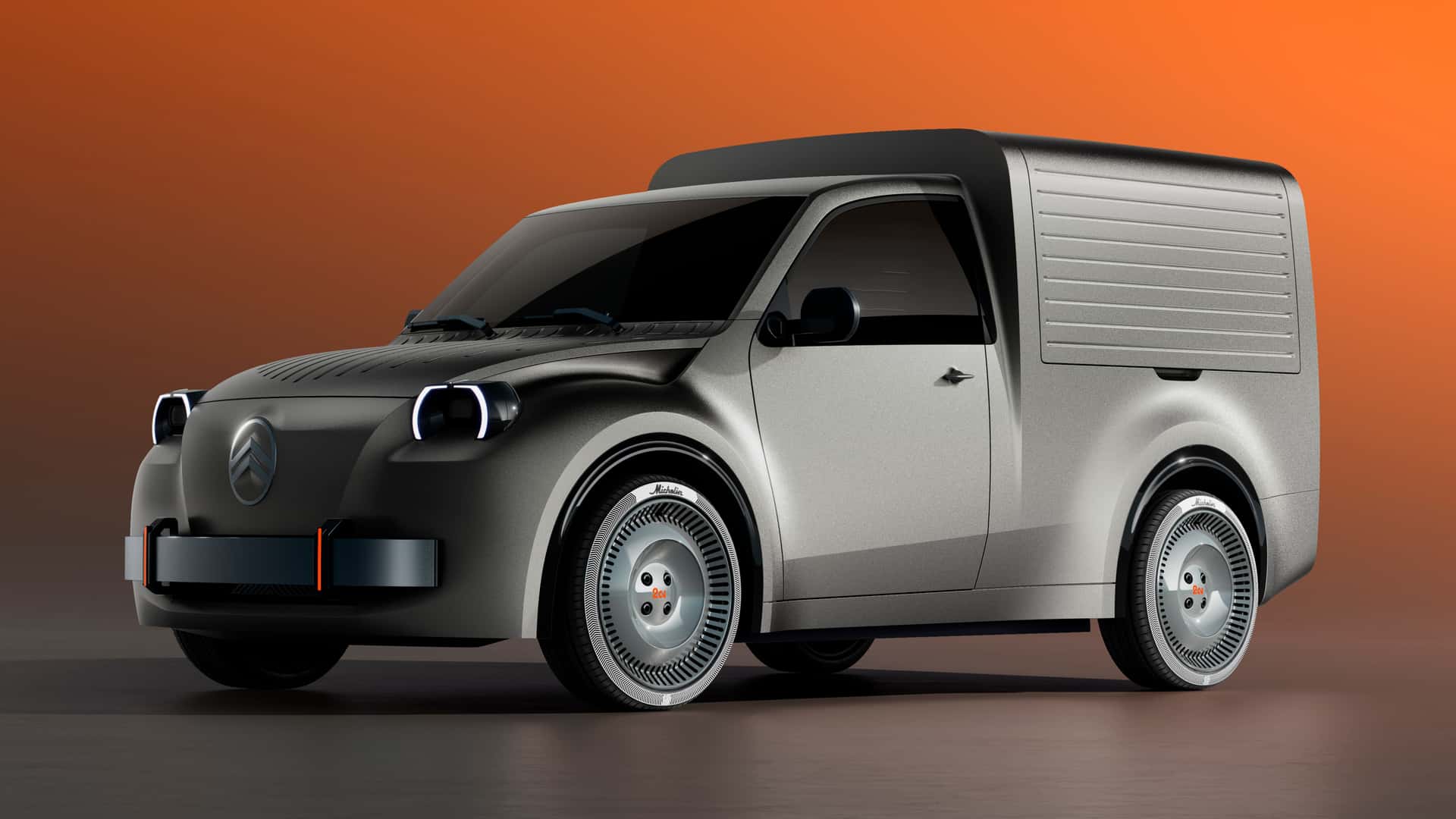
The 2026 Fourgonnette Concept retains the architectural soul of its ancestor while adopting a distinctly modern, electrified silhouette. The design team has meticulously reinterpreted the classic proportions: a short, upright nose, a tall and expansive cargo box, and flat, functional body panels.
These design choices are intentional tributes to the original’s construction. In the mid-20th century, the 2CV’s flat body panels were chosen because they were inexpensive to stamp and simple to repair. By mirroring this aesthetic in the 2026 concept, Citroën is not just playing on nostalgia; they are making a statement about modern manufacturing. In an era where vehicle design is often dominated by complex curves and expensive, hard-to-repair composites, the Fourgonnette Concept suggests that there is a sustainable, cost-effective path forward that prioritizes utility and ease of maintenance.
The vehicle is inherently "boxy," a shape that maximizes interior volume for cargo. This is a critical factor for tradespeople, who require optimized load space within a compact footprint that can easily navigate the narrow, congested streets of historic European city centers.
Chronology of the 2CV Revival
The path to the current 2CV concepts has been a calculated, multi-year strategy by the Stellantis-backed brand:
- 1948: The initial launch of the Citroën 2CV sets the stage for a revolution in affordable, accessible transport.
- 1951: The introduction of the Fourgonnette variant creates a new standard for light commercial vehicles (LCVs).
- 2022-2023: Citroën begins testing the waters with retro-inspired body kits and limited-run nostalgia projects, gauging public reaction to a potential 2CV revival.
- 2026 (Paris Motor Show): Citroën reveals the electric 2CV city car, followed just 24 hours later by the Fourgonnette Concept, signaling a two-pronged strategy for private and commercial sectors.
- 2028 (Projected): Industry analysts and company insiders point to 2028 as the target window for the launch of an affordable, production-ready electric vehicle that carries the 2CV mantle.
The Human Element: Why "Soul" Matters in Commercial Transport
Perhaps the most compelling argument for the Fourgonnette comes from the leadership at Citroën. Xavier Chardon, Chief Executive of Citroën and DS Automobiles, was quick to frame the concept not merely as a piece of hardware, but as an emotional asset for the modern worker.
"The 2CV Fourgonnette was more than just a work tool. It was part of everyday life," Chardon stated during the reveal. "Simple, ingenious and accessible, it above all possessed something few commercial vehicles have: a soul."
In a market saturated with "vanilla" electric commercial vehicles that prioritize aerodynamic efficiency over human connection, Citroën is betting that tradespeople want more than just a box on wheels. They want a vehicle that reflects their identity—one that is "useful" without being "ordinary." This human-centric approach is intended to build brand loyalty among independent contractors who feel increasingly alienated by the high costs and complexity of modern fleet vehicles.
Supporting Data: The Case for Small-Scale EVs
While Citroën has yet to release specific figures regarding range, battery capacity, or exact pricing, the context of the reveal provides significant clues. The brand has been a long-time partner to small businesses and independent professionals, a demographic that is currently facing mounting pressure to comply with strict urban low-emission zones.
The Fourgonnette Concept is designed to be a "right-sized" solution. By focusing on accessibility and repair simplicity, the company hopes to lower the total cost of ownership (TCO) for small fleets. If the production version follows the trajectory of the concept, it will likely prioritize:
- Modular Battery Packs: Allowing for easier repairs and potential future upgrades.
- Lightweight Construction: Maximizing efficiency to allow for smaller, cheaper battery cells.
- Connectivity: Simple, robust interfaces that help small business owners manage deliveries without requiring expensive, proprietary software.
Broader Implications: The "Stellantis Strategy"
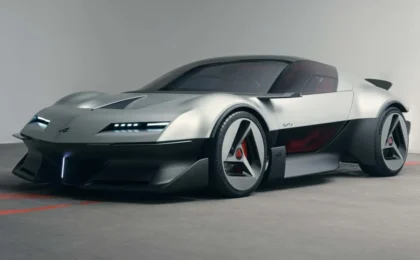
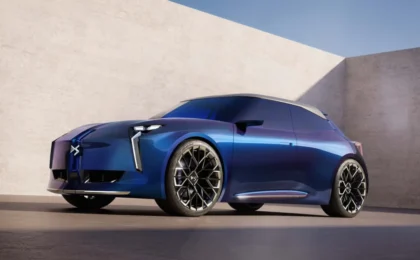
The 2CV Fourgonnette does not exist in a vacuum. It is part of a wider trend within the Stellantis automotive group to mine their deep, historical archives for inspiration. The Paris Motor Show also saw the debut of the DS F3ver concept and the Peugeot RCZ Vision concept.
This "revival" trend is not just about sentimentality; it is a strategic maneuver to differentiate Stellantis brands in a crowded EV market. As Chinese manufacturers and tech-heavy startups flood the European market with generic electric vehicles, established brands like Citroën are leaning into their heritage to provide a unique value proposition.
By reviving the 2CV, Citroën is effectively creating a sub-brand of "affordable EVs" that can sit below their more premium offerings. If successful, this could pave the way for a new segment of the automotive market: the "Neo-Classic EV," where legendary, simplified designs are brought into the 21st century with cutting-edge electric powertrains.
The Road Ahead: Challenges and Questions
Despite the excitement surrounding the debut, several questions remain. The transition from concept to production is notoriously difficult, especially for vehicles that rely on distinct, retro-inspired bodywork. Safety regulations, crash-test standards, and modern pedestrian protection requirements are the primary hurdles. Engineers will have to reconcile the "flat panel" aesthetic of the 1950s with the complex safety structures required for a 2028 homologation.
Furthermore, the "affordable" label is subjective. In an era of rising inflation and high interest rates, creating a truly accessible electric van requires significant breakthroughs in battery manufacturing and supply chain efficiency. Citroën’s promise of an affordable 2028 launch date implies that the company is confident in its ability to streamline production significantly.
Conclusion: A Future Rooted in the Past
The Citroën 2CV Fourgonnette Concept is a defiant gesture in the face of an automotive industry that has arguably become too enamored with complexity. By looking back to 1951, Citroën has found a design language that is timeless, efficient, and deeply human.
Whether the Fourgonnette makes it to showrooms in 2028 or remains a design study, its presence at the Paris Motor Show has forced a conversation about what the future of work should look like. It argues that the future of transport doesn’t have to be cold, autonomous, or overly complicated. Instead, it can be simple, reliable, and—most importantly—endowed with the same "soul" that made the original Fourgonnette a legend of the road.
For the small-business owner in a busy European city, the dream of a quiet, clean, and charming delivery van that pays homage to its history is an incredibly compelling vision. Citroën has shown the world that even in a high-tech future, there is always room for a bit of history.