By Investigative Desk
The small South American nation of Guyana has been plunged into a period of profound mourning and frantic rescue operations following the catastrophic capsizing of the MV Barima, an aging ferry that turned a routine transit into a maritime disaster. As of Monday, the confirmed death toll has risen to 27, with authorities expressing grave concern for the 83 individuals who remain unaccounted for in the treacherous waters off the country’s northern coast.
The vessel, which had been navigating the challenging route from the capital, Georgetown, toward the inland Essequibo region, flipped over on Saturday night under circumstances that remain the subject of an intense government investigation. Prime Minister Mark Phillips, speaking to a somber press corps, confirmed that while 69 survivors have been plucked from the sea, the window for finding more souls alive is narrowing.
The Chronology of a Maritime Catastrophe
The MV Barima departed Georgetown in the mid-afternoon on Saturday, beginning a journey that typically involves a perilous combination of open-sea transit followed by a transition into the riverine networks that lead to Port Kaituma, deep within the nation’s dense rainforest interior.
For hours, the vessel moved through the coastal waters without incident. However, approximately eight hours into the voyage, the routine journey took a fatal turn. At roughly 11:00 p.m. local time, authorities received a distress signal. By the time emergency response teams were alerted and mobilized, the ferry—an iron-hulled vessel dating back to 1939—had already capsized.
The immediate aftermath was characterized by confusion. Initial reports based on the ship’s passenger manifest suggested that 133 people were on board. However, as the recovery effort progressed, those figures proved to be tragically inaccurate. By Monday, Prime Minister Phillips updated the total passenger count to 179, a discrepancy that has fueled public anger and raised questions about safety protocols and regulatory oversight regarding the vessel’s operation.
Supporting Data and Technical Concerns
The disaster has cast a harsh light on the infrastructure and safety standards governing internal travel in Guyana. According to data from the maritime tracking website VesselFinder, the MV Barima was commissioned in 1939. At 86 years old, the vessel was significantly beyond the typical operational lifespan of most passenger ferries, raising immediate questions regarding its seaworthiness, maintenance history, and structural integrity.
The Search and Rescue Operation
The scale of the disaster has necessitated a massive logistical response. Authorities have expanded the search area from an initial 400 square kilometers to a sprawling 1,070 square kilometers (413 square miles). The operation is a multinational effort:
- Local Mobilization: Local fishermen, familiar with the treacherous currents and shifting sandbars of the region, have joined the Coast Guard and police in combing the coastline.
- International Assistance: The French government has provided critical support by deploying a specialized unit from neighboring French Guiana, consisting of 12 highly trained divers, two medical doctors, and a technician to assist in recovery efforts.
Despite these resources, the search remains hampered by the harsh environmental conditions of the region, where the Atlantic ocean meets the mouth of the Essequibo river system, creating unpredictable currents that complicate the recovery of missing passengers.
Official Responses and Accountability
The government of Guyana has faced immediate pressure to account for the disaster. Prime Minister Phillips has remained the public face of the government’s response, oscillating between providing updates on the death toll and emphasizing the ongoing search. "Our focus again is on finding people," Phillips stated on Monday, acknowledging the escalation in fatalities from 10 to 27, while maintaining, "We still have hope."
The Shadow of Negligence
Beyond the physical search, the government has launched a formal inquiry into the cause of the capsizing. Minister of Public Works Juan Edghill, who oversees transport infrastructure, has been at the center of the controversy regarding the inaccurate passenger manifest. The failure to maintain an accurate count of those on board has complicated rescue efforts, as officials have struggled to determine exactly how many people remained trapped or missing.
Perhaps most damaging to the reputation of the vessel’s operators are the preliminary results of drug testing. Prime Minister Phillips revealed on Sunday that two crewmembers tested positive for marijuana following the incident. While investigators have yet to definitively link the crew’s impairment to the capsizing, the revelation has sparked public outrage, with many calling for a wholesale audit of maritime labor standards and mandatory drug testing protocols for all commercial operators.
Broader Implications for Guyana
The sinking of the MV Barima occurs at a delicate time for Guyana, a small, English-speaking nation that has recently found itself at the center of international attention due to its burgeoning oil industry and a long-standing territorial dispute with Venezuela over the Essequibo region.
Infrastructure and Economic Connectivity
For many in the Essequibo region, the ferry service is not a luxury; it is a lifeline. Much of the interior of Guyana is accessible only by boat or air, and the aging ferry fleet is the primary means for transporting goods, medical supplies, and citizens between the coast and the rainforest communities. The tragedy has highlighted the extreme vulnerability of this transport network. If the nation’s infrastructure cannot support safe passage, the economic development promised by the country’s oil windfall may be significantly hindered by the inability to safely reach the interior.
Political Fallout
The disaster also carries political weight. With the ruling party and an emerging opposition currently navigating a high-stakes political environment, the tragedy serves as a litmus test for government competence. Critics are already drawing parallels between the dilapidated state of the MV Barima and broader concerns about government management of public services. The discrepancy in the passenger manifest is being cited by opposition figures as evidence of systemic failure in the Ministry of Public Works.
The Human Cost
At the heart of the news are the families of the 27 confirmed dead and the 83 missing. The tragedy has hit the small, interconnected communities of the Essequibo region particularly hard. In villages where residents rely on these ferries to conduct business, attend school, or seek medical care, the loss is felt as a personal affront to public safety.
As the search continues, the international community watches on. The involvement of French divers and medical staff underscores the gravity of the situation, but for the people of Guyana, the tragedy is a stark reminder of the dangers inherent in relying on aging infrastructure.
Moving Forward: The Path to Inquiry
The government has promised a transparent and thorough investigation into the sinking of the MV Barima. However, the path forward is complex. Key questions that remain unanswered include:
- Maintenance Records: Who authorized the vessel for service, and when was its last structural integrity inspection?
- Operational Conduct: How did an inaccurate manifest go unnoticed, and how do the positive drug tests reflect on the company’s oversight?
- Future Policy: What measures will be taken to replace aging vessels, and will there be a suspension of similar ferry services while safety audits are conducted?
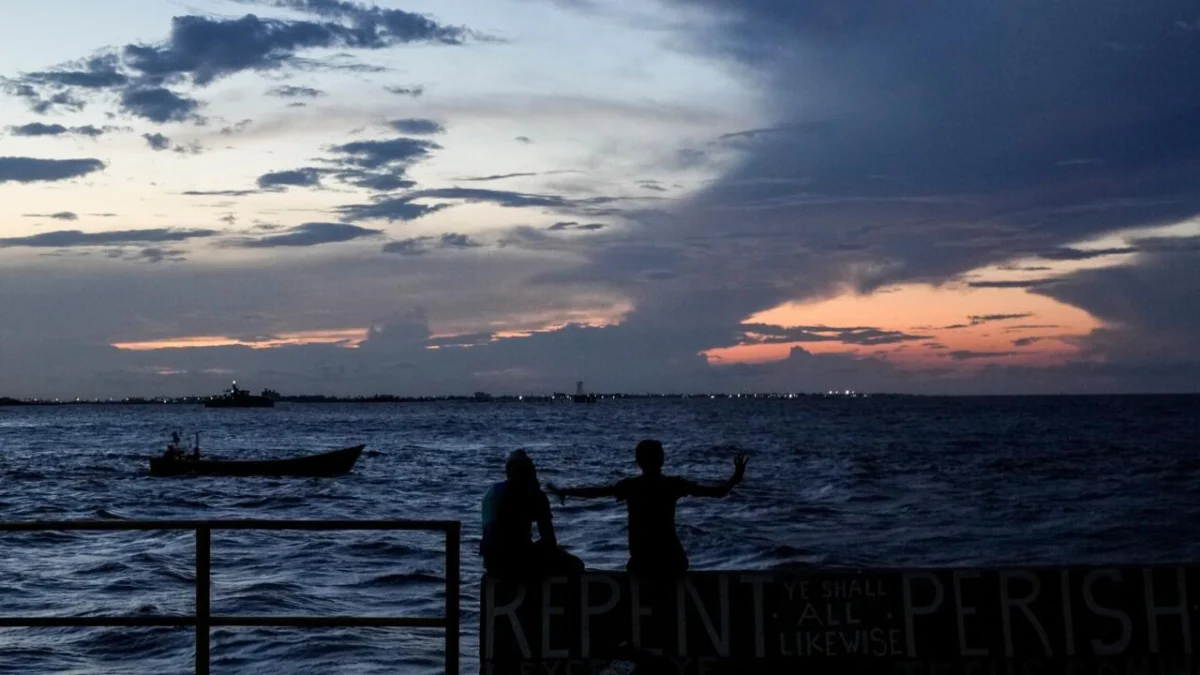
As the sun sets over the Essequibo on another day of searching, the mood in Guyana remains one of deep, collective grief. The MV Barima tragedy is not merely a maritime accident; it is a national catastrophe that will likely reshape the country’s maritime policies and political discourse for years to come. For now, the priority remains clear: to find the lost, to bring them home, and to ensure that the waters of the Essequibo do not claim any more lives in the name of transit.
The nation remains in a state of prayerful anticipation, waiting for news from the rescue teams, even as the realization sets in that the final death toll may be significantly higher than current estimates. The MV Barima disaster stands as a somber testament to the fragility of life in one of South America’s most rapidly changing nations.