By Editorial Staff
July 24, 2026
The Mediterranean basin, long regarded as a cradle of civilization and a paradise for summer tourism, has transformed into a front line of environmental catastrophe. As of mid-July 2026, a series of unprecedented wildfires are tearing through Sicily, southern France, and central Spain. The blazes, fueled by a relentless heatwave that has pushed temperatures beyond the 40°C (104°F) threshold, have claimed three lives, forced the mass evacuation of thousands, and pushed firefighting resources to their absolute breaking point.
Scientists and climate experts have issued stark warnings, noting that the intensity and frequency of these infernos are not anomalies, but the direct, predicted consequences of a warming planet. As human-induced climate change alters weather patterns, the once-manageable summer fire season has evolved into a year-round threat of "mega-fires" that defy traditional containment strategies.
The Human Toll and Current Situation
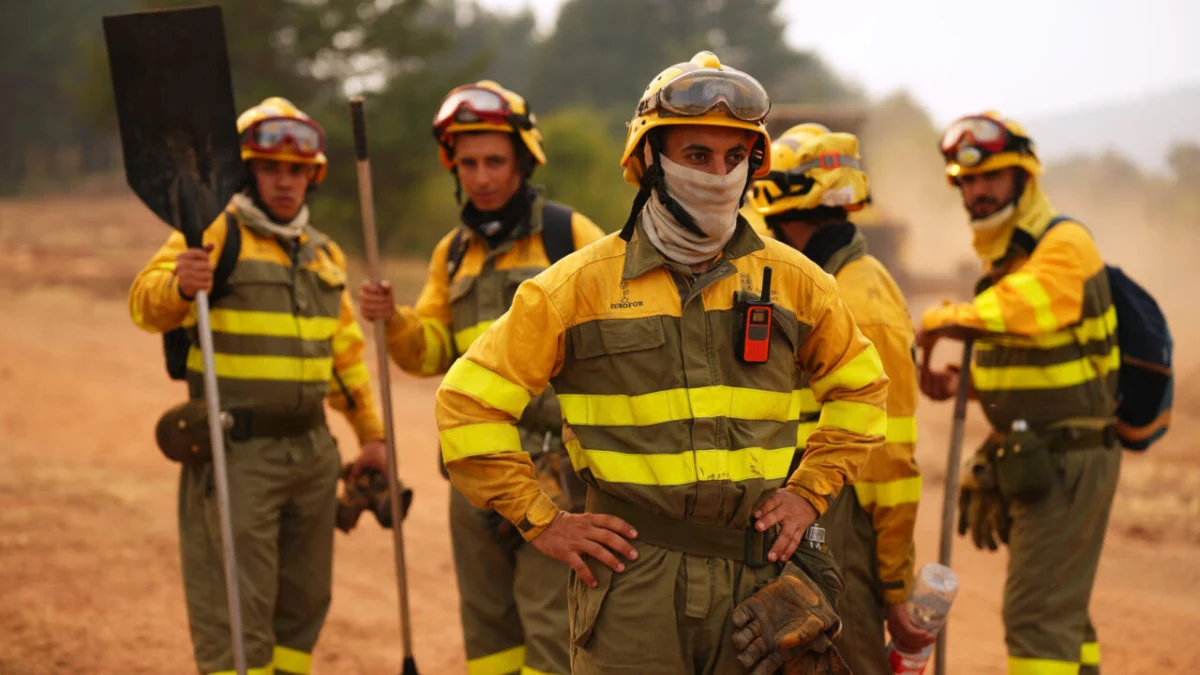
The human cost of this week’s firestorm has been devastating. In Italy, the toll of the disaster hit home when the Interior Minister, Matteo Piantedosi, confirmed the death of a firefighter who succumbed to a sudden illness while battling the relentless flames in Sicily. This loss highlights the physical toll on emergency responders, who are fighting on multiple fronts under extreme conditions.
In France, the tragedy was twofold. Two firefighters lost their lives on Tuesday while engaged in a high-stakes operation near Bordeaux airport. The incident occurred during an intense effort to control a blaze that had already consumed over 1,400 hectares of dense pine forest in the Arcachon Basin.

"We are dealing with a very dense stand of closely packed pines," noted Captain Wilfried Schneider, a veteran firefighter on the scene. "The intensity of this fire is rare. It creates its own weather, its own wind, and moves with a speed that makes containment a nightmare."
The fear is palpable among local populations. Julie Leonard, a resident in the Bordeaux region, described the terrifying onset of the disaster: "We saw a big cloud of black smoke spread across the sky in the middle of the afternoon. It wasn’t just a fire; it felt like the sky was being swallowed."
Chronology of a Crisis: July 2026
The escalation of the fires has been rapid, catching many regions off-guard despite long-standing fire management protocols.
- July 13–15: Early reports emerge of fires in the Fontainebleau forest near Paris, signaling that the risk is not limited to the southern coast.
- July 19: Wildfires in the Var region of France grow in intensity. Evacuations begin for over 400 people as the fire consumes 2,550 hectares between Marseille and Nice.
- July 20–21: The situation in Sicily reaches a critical juncture. Regional head Renato Schifani authorizes the deployment of 6,000 personnel, including forest guards and civil protection officers, to combat over 50 simultaneous blazes.
- July 22: Tragedy strikes near Bordeaux as two firefighters are confirmed dead. Simultaneously, in Spain, the situation deteriorates rapidly near Toledo, where authorities issue emergency phone alerts for immediate village evacuations.
- July 23: Efforts continue to contain the perimeter of the largest fires. In Calabria, officials report a chilling trend of deliberate arson, with authorities alleging that malicious actors are using animals to spread fire, further complicating the response.
A Crisis of Arson and Negligence
While the primary driver of these fires is the extreme climate—characterized by record-breaking temperatures and "very dry soil," as noted by the Italian Civil Protection Agency—human interference remains a volatile variable.
In the Italian region of Calabria, the narrative of accidental ignition has been overshadowed by reports of rampant, deliberate arson. The head of local civil protection painted a harrowing picture of "malicious individuals" actively working against the safety of the region. Among the most disturbing reports are claims that perpetrators have tied rags soaked in flammable liquids to the tails of stray cats to ensure the fire spreads deep into the undergrowth. Such acts of sabotage turn the already difficult job of firefighting into a hunt for criminals while the land burns.

In France, the investigation into the cause of the fire in Le Porge is ongoing, with Mayor Martial Zaninetti suggesting that a machine used for clearing forest tracks may have sparked the initial ignition. Whether by malice or misfortune, the combination of human error and arid conditions has proven lethal.
Official Responses and Resource Exhaustion
The scale of the disaster has forced government leaders to address the systemic fragility of their emergency services. France’s Interior Minister, Laurent Nunez, spent Wednesday meeting with the grieving families of the fallen firefighters, a somber acknowledgment of the high stakes involved in the current deployment.
However, the political response is also under scrutiny. Firefighter unions across France and Italy have issued dire warnings regarding the state of their workforce. "Our men and women are facing extreme exhaustion," one union representative stated. "We are operating with a lack of resources and a fire season that is starting earlier and ending later every year."
The request for more water-bombing aircraft and specialized equipment is growing louder. In the Var region alone, nearly 1,000 firefighters have been battling the flames, yet the sheer speed at which the fire consumed 2,550 hectares suggests that existing equipment is insufficient for the sheer scale of 2026’s fire events.
Implications of a Changing Climate
The scientific community has been unequivocal in its assessment of these events. The confluence of a relentless heatwave, prolonged drought, and human-induced climate change has created the perfect environment for these "black swan" fire events.

The Data Gap
- Historical Context: In 2025, Spain witnessed its worst fire season in recorded history, with over 393,000 hectares scorched. The 2026 season is currently on track to potentially match or exceed these figures.
- Ecological Impact: Experts warn that forests, such as those in Fontainebleau, may take decades—or even centuries—to recover from such deep-rooted blazes. The loss of biodiversity and the destruction of carbon-sequestering trees represent a feedback loop that will only accelerate future warming.
- Public Health: Beyond the direct threat of the flames, air quality has plummeted across the Mediterranean. Millions of residents are being advised to keep windows closed, exacerbating the heat-stress risks for the elderly and vulnerable.
The "big black cloud" described by witnesses in Bordeaux is more than just a local threat; it is a global warning. As fossil fuel combustion continues to trap heat in the atmosphere, the Mediterranean is becoming a laboratory for the consequences of climate inaction.
The Path Forward: Resilience or Retreat?
As of Thursday morning, the containment efforts are ongoing. While some fires in the Var region are showing signs of being controlled, the situation in Spain’s Toledo province remains dire. The Civil Guard has blocked major roads, and villages remain under strict evacuation orders.
The question remains: how can Europe adapt to this new reality? Experts suggest a shift in strategy is required—moving away from solely reactive firefighting toward proactive forest management. This includes thinning dense pine stands that act as fuel, increasing the number of fire-resistant buffer zones, and, most importantly, addressing the root cause by transitioning away from the fossil fuels that have made these heatwaves the new normal.
For the residents of the Arcachon Basin, the residents of Toledo, and the communities across Sicily, the summer of 2026 will be remembered as the year the sky turned black. For the rest of the world, it is a haunting preview of what lies ahead if the climate trajectory remains unchanged. The firefighters are at their limit, the forests are tinder, and the world is watching, waiting to see if the authorities can turn the tide before the next spark falls.