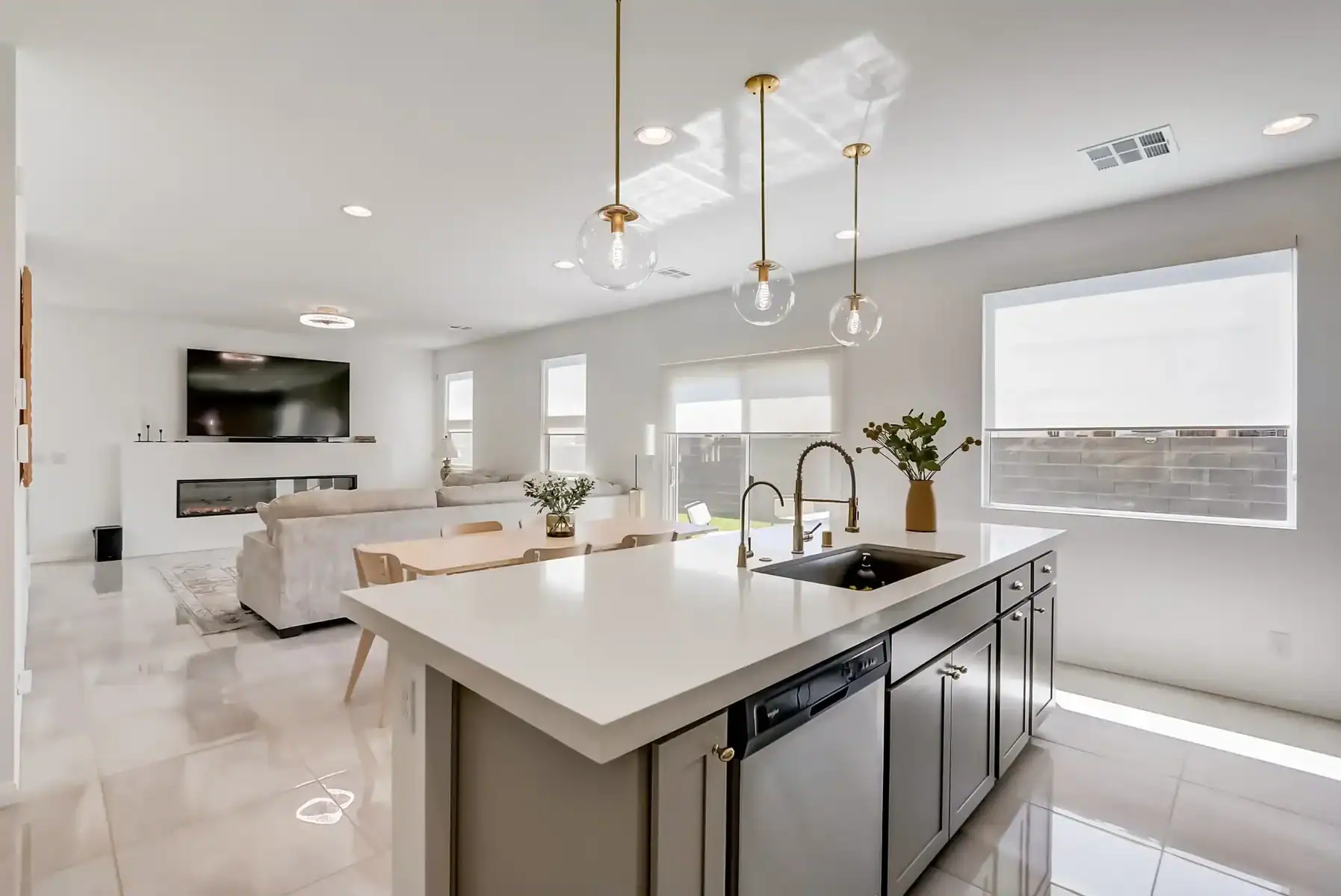
For many homeowners, the kitchen is the heart of the home—and often, the most daunting project to tackle when preparing for a real estate listing. As you ready your property for the market, the question of whether to renovate the kitchen looms large. Should you tear out those dated cabinets, or will a fresh coat of paint suffice? The stakes are high: a well-executed kitchen project can be the tipping point for a lucrative, fast sale, while an ill-advised remodel can lead to a sinkhole of lost capital and wasted time.
Deciding to update your kitchen requires a delicate balance of market analysis, budgetary discipline, and tactical timing. Understanding the nuance between a "refresh" and a "gut renovation" is the difference between a high return on investment (ROI) and a cautionary tale.
The Strategic Fundamentals: Understanding Market Expectations
The primary misconception among sellers is that a "new" kitchen is a prerequisite for a successful sale. In reality, modern buyers are less interested in brand-new, top-of-the-line appliances and more concerned with the kitchen’s overall utility, cleanliness, and aesthetic harmony with the rest of the house.
The "Comp" Benchmark
Before picking up a paint roller or calling a contractor, you must perform a comparative market analysis. Look at recent sales in your immediate neighborhood. If the comparable homes—those similar in size, age, and location—feature granite countertops, stainless steel appliances, and updated lighting, your outdated kitchen may indeed be a competitive disadvantage. However, if your neighborhood consists of "fixer-uppers" where buyers are looking to put their own stamp on the property, a massive kitchen investment may not be recouped.
Mike Levine of Levine Homes emphasizes that the local market is the ultimate arbiter of value. "Sellers should look at comparable sales in their area first," Levine advises. "If updated kitchens are driving higher offers on similar homes, a renovation likely pays off. If buyers in that price range are already planning their own updates, a full remodel is often wasted money. Condition matters more than age."
Chronology: Planning Your Path to a Profitable Sale
Selling a home is a time-sensitive endeavor. Integrating a major renovation into your pre-listing timeline requires careful project management.
Phase 1: The Audit (6–8 Weeks Before Listing)
Consult with your real estate agent to conduct a "walk-through audit." This is the time to identify functional failures—leaky faucets, broken drawer glides, or non-functioning outlets—that might trigger red flags during a home inspection.
Phase 2: The Cosmetic Pivot (4–6 Weeks Before Listing)
If you opt for cosmetic upgrades, this is the phase for execution. Painting cabinetry, replacing cabinet hardware, and upgrading light fixtures are high-impact, low-effort tasks that can be completed in a matter of days. These improvements modernize the space without the structural disruption of a full remodel.
Phase 3: The Market Evaluation (2–4 Weeks Before Listing)
Once the cosmetic work is complete, your agent should re-evaluate the home’s positioning. This is the window to stage the kitchen, ensuring it looks spacious and inviting for professional photography.
Phase 4: Listing and Showings
If the market is moving quickly, you want your kitchen to be "move-in ready." Buyers who can envision themselves cooking their first meal in the house without needing to call a contractor are more likely to submit strong, clean offers.
Supporting Data: The Economics of ROI
Financial data consistently supports the "minor over major" strategy. According to the 2025 Cost vs. Value Report, the financial disparity between minor and major remodels is stark. A midrange minor kitchen remodel—typically involving cabinet refacing, new hardware, and minor appliance swaps—recouped approximately 113% of its cost on a national scale.
In contrast, a midrange major remodel, which often involves moving plumbing, replacing cabinetry, and installing high-end finishes, returned only about 51% of the initial investment. The takeaway is clear: the law of diminishing returns applies heavily to kitchen renovations. When you spend $50,000 to renovate a kitchen, you rarely see a $50,000 increase in the sale price. Buyers pay for the "feeling" of a new kitchen, not necessarily the invoice of your contractor.
Official Perspectives: Expert Insights on Value-Add Projects
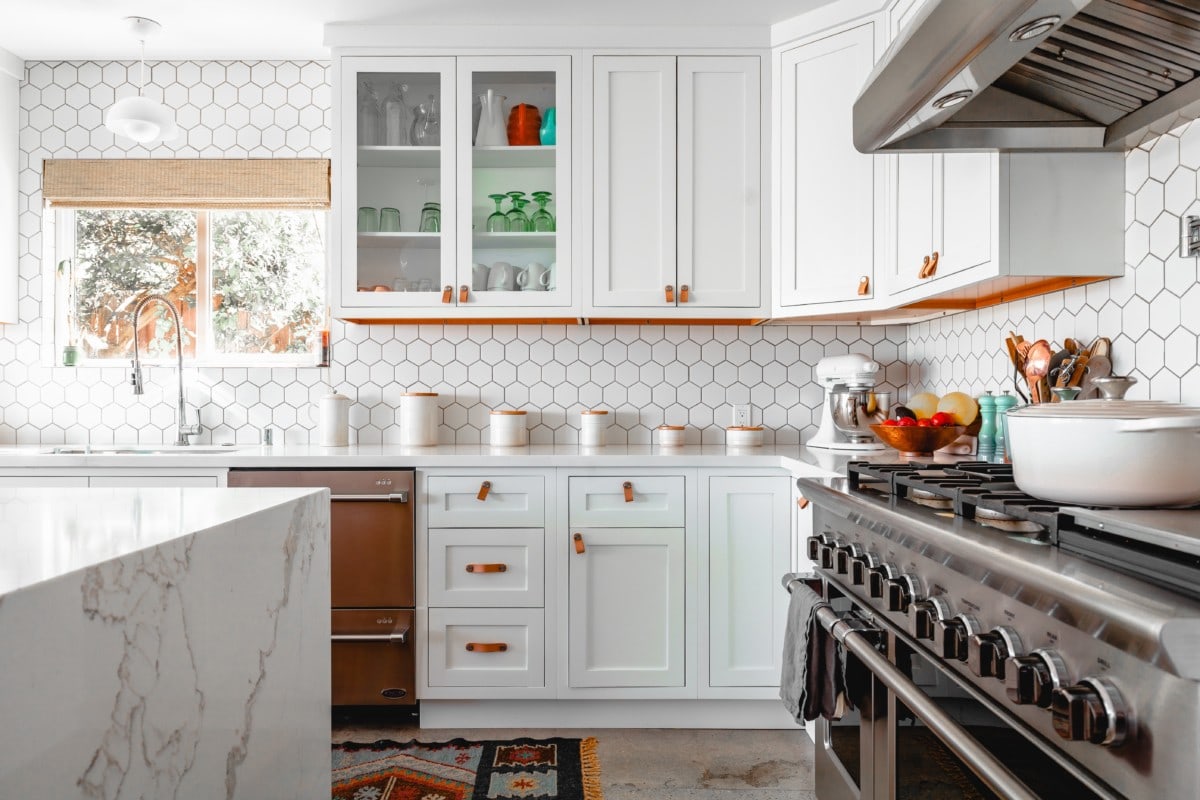
Joseph Wasler of Bayern Builders advocates for a surgical approach to kitchen improvements. "We have found that painting existing cabinets white, installing new quartz countertops, adding a tiled backsplash, and updating under-cabinet lighting can significantly appeal to buyers at half the cost of a full remodel," Wasler notes.
The strategy is to prioritize visible, high-impact surfaces. Countertops are the first thing a buyer touches and sees. By replacing a laminate countertop with a neutral-colored stone or quartz, you immediately elevate the perceived value of the entire room. Conversely, Wasler warns against over-investing: "Investing in entirely new cabinets, countertops, and appliances is rarely worth the additional cost right before selling. It is better to save those major investments for your new home so you can actually enjoy them."
Strategic Implications: Common Pitfalls to Avoid
Even with the best intentions, sellers often fall into traps that erode their profit margins. Avoiding these common mistakes is essential for maintaining your bottom line:
1. The "Personal Taste" Trap
One of the most frequent errors is choosing finishes that reflect personal style rather than universal appeal. While you might love dark, moody cabinetry or ultra-modern geometric tile, these choices can alienate potential buyers. Stick to neutral palettes—whites, grays, beiges, and soft earth tones—that allow buyers to project their own vision onto the space.
2. The Over-Improvement Syndrome
Don’t install professional-grade, six-burner gas ranges if the rest of the neighborhood homes are entry-level properties. You will not get the money back. Always ensure the quality of your renovation matches the tier of your home and the expectations of the local buyer pool.
3. Neglecting Lighting
A kitchen can be perfectly remodeled but fail if the lighting is poor. Dated fluorescent tubes or single overhead bulbs can make a space feel small and dingy. Invest in layered lighting: overhead recessed lights for general illumination and under-cabinet LED strips for task lighting. It is one of the most cost-effective ways to make a kitchen feel "expensive."
4. Ignoring the "Flow"
If your kitchen is closed off from the rest of the home, a full remodel that removes a wall might be tempting. However, structural changes are notoriously expensive and prone to permit delays. Before knocking down walls, consider if the current layout can be improved through better furniture placement or smarter storage solutions.
5. Skimping on Repairs
Never prioritize aesthetics over function. If you have the budget for a new backsplash but have a leaking sink, fix the sink first. Buyers will forgive an outdated countertop, but they will be deeply suspicious of a kitchen with water damage or faulty plumbing.
Conclusion: Balancing Speed and Strategy
The decision to renovate your kitchen before selling is not a universal "yes" or "no." It is a calculation of your specific timeline, your local market’s demands, and your financial goals.
If you have time, the market is competitive, and your kitchen is functionally deficient, a minor, targeted update is almost always the safest and most profitable path. If you are in a rush to move or your kitchen is simply "dated" but clean, focus on deep cleaning, decluttering, and minor cosmetic refreshes.
Ultimately, the goal of pre-sale home improvement is to remove the "friction" that prevents a buyer from saying "yes." By focusing on the visual and functional aspects that resonate most with modern buyers, you can maximize your home’s appeal without falling into the trap of an over-budget, time-consuming renovation. Consult with a local real estate professional to tailor these strategies to your home, and remember: your primary goal is to close the sale, not to win an interior design award.