Main Facts: A Night of Reflection and Sonic Resurrection
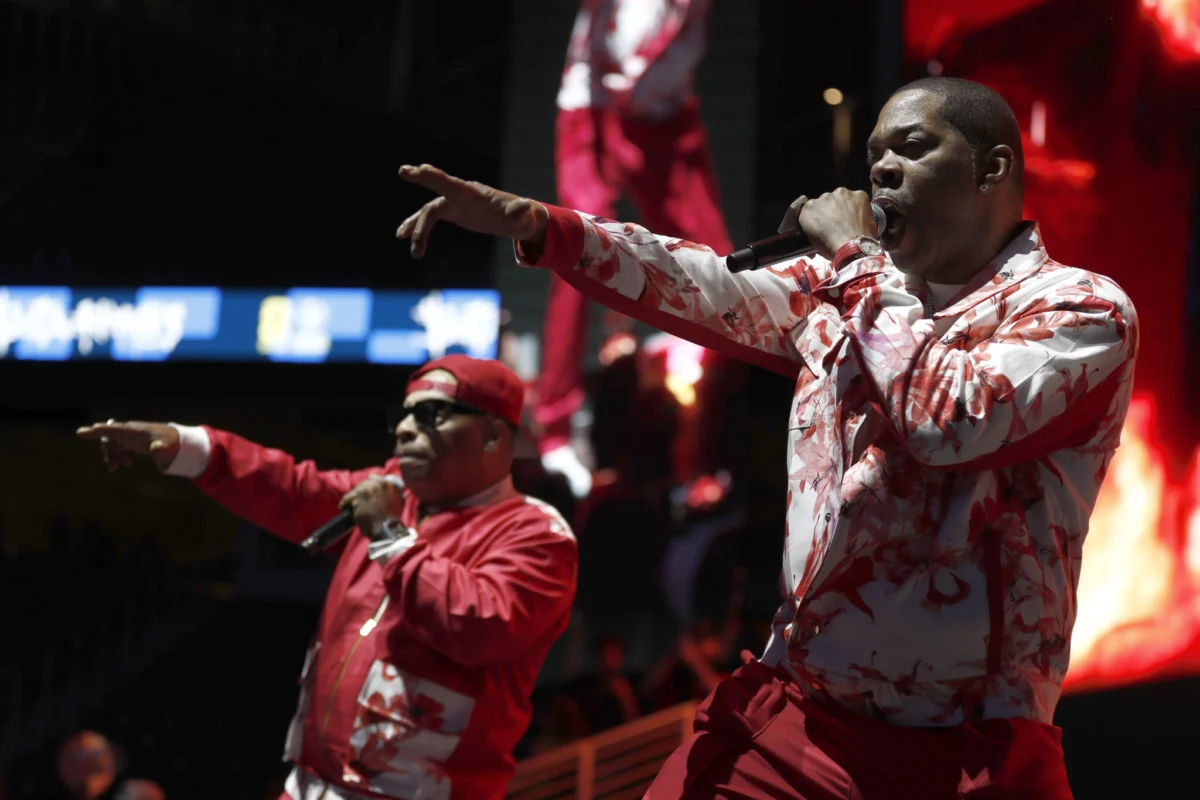
In a poignant evening of music, memory, and artistic reverence, hip-hop icon Busta Rhymes took center stage at the Grammy Museum in Los Angeles. The event, held to celebrate his latest studio album, Dillagence II, served as both a technical deep dive into the craft of production and a heartfelt homage to the late, legendary producer James "J Dilla" Yancey.
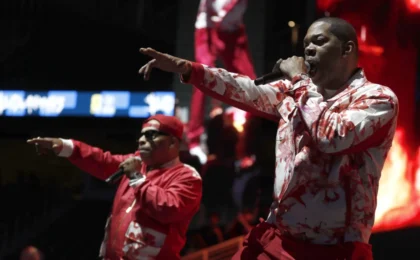
The night featured a candid Q&A session moderated by Grammy-winning artist Anderson .Paak, followed by a high-energy, 30-minute performance that bridged the gap between Busta Rhymes’ storied past and his current creative renaissance. The atmosphere in the room was thick with nostalgia, as Rhymes shared the stage with industry luminaries, including music executive Sylvia Rhone, manager Mona Scott-Young, and musician Jimmy Jam. Most notably, the evening was anchored by the presence of Maureen "Ma Dukes" Yancey, Dilla’s mother, whose influence on the creation of the album was a central theme of the night.
Dillagence II, released this past August, is not merely a collection of songs; it is an archeological excavation of unreleased instrumentals curated over decades. By pairing Dilla’s timeless, decades-old production with the modern sensibilities of contemporary heavyweights—including D’Angelo, Ludacris, Lil Wayne, and Jon Batiste—Rhymes has successfully "re-seasoned" classic foundations to create a project that feels both vintage and vital.
Chronology: From Detroit Basements to the Grammy Stage
To understand the gravity of Dillagence II, one must trace the timeline of a relationship forged in the crucible of musical genius and personal struggle.
The Foundation (The Early 2000s)
Rhymes recounted his visits to the Yancey home in Detroit during the period when Dilla was battling severe health complications. These were not formal studio sessions, but intimate gatherings where the barrier between artist and family dissolved. Rhymes described a unique ecosystem: Dilla, physically weakened but musically transcendent, would craft beat CDs, often containing 25 tracks apiece.
Ma Dukes served as the project’s unsung engineer and archivist. Rhymes painted a vivid picture of her navigating an alphabetically organized record collection housed in a coat closet, retrieving samples for her son, and ensuring the music never stopped. "She cooked food for us. She engineers Dilla," Rhymes recalled, emphasizing that the beats he received were the literal soundtrack to a period of immense adversity.
The Preservation (2006–2024)
Following Dilla’s untimely death in 2006, these beat CDs became sacred relics for Rhymes. For years, the rapper lived with the music, often feeling "scared to rhyme" on tracks that he deemed too perfect to touch. The development of Dillagence II was a long-gestating process of selecting the right moments to honor these compositions. It wasn’t until recently that Rhymes felt he had the proper perspective and collaborative support to weave these disparate, often unfinished, instrumentals into a cohesive narrative.
The Presentation (August 2025–Present)
The release of the album in August marked the culmination of this process. The Grammy Museum event acted as the formal closing of this chapter, providing a platform for Rhymes to discuss the "making-of" process with Anderson .Paak, who served as a collaborator on the project. The night concluded with a performance that saw Rhymes performing classics like "Put Your Hands Where My Eyes Could See" and "Break Ya Neck," alongside new cuts like "What We Got in Common," with guest appearances from Common.
Supporting Data: The Anatomy of a Timeless Record
The brilliance of Dillagence II lies in its approach to sampling and arrangement. As Rhymes noted, the challenge with Dilla’s beat CDs was that they were often raw, looping in and out, and lacking the traditional structure of a standard hip-hop song.
Technical Challenges
- Structural Integrity: Many of the original beats were brief loops that required creative engineering to expand into full-length songs.
- The "Time Capsule" Effect: Every production featured on the album is at least 20 years old. Rhymes described his process as adding "Cascade dishwasher liquid sparkle" to these old beats—polishing the sound while maintaining the original, gritty soul that defined Dilla’s aesthetic.
- Collaborative Synergy: The album features a massive roster of talent, including:
- D’Angelo: Featured on "This Woman."
- Ludacris: Featured on "Kingpin (Knock Ya Head Off)."
- Jon Batiste: Featured on "What We Got in Common."
Rhymes emphasized that he treats these beats as "moments in time." He drew comparisons to his archives of production from industry titans like The Neptunes, Swizz Beatz, and Timbaland, asserting that he is a "hoarder of production" because these beats represent cultural milestones that cannot be replicated.
Official Responses and Emotional Testimony
The emotional core of the evening arrived when Rhymes addressed the audience, admitting he had "shed a little tear backstage." The vulnerability displayed by the veteran rapper highlighted the weight of carrying Dilla’s legacy.
"To be able to be in this room tonight and know that I’m being given this opportunity to share and to articulate and to be vulnerable, it’s a fucking amazing feeling," Rhymes said.
Perhaps the most significant moment of the evening was the tribute to Ma Dukes. During his closing remarks, Rhymes brought her to the stage, crediting her with the success of the project. "This gift that we experienced with this project… is with the grace and the blessing of the Yancey family and the estate. I want to say thank you, Ma Dukes, beyond description, words cannot be found to describe how much I love you."
Implications: The Quest for Grammy Recognition
A recurring theme throughout the discussion was the Recording Academy. With 12 nominations and zero wins over a legendary career, the question of whether Dillagence II will finally secure the elusive award hung in the air.
When asked by .Paak what a win would mean, Rhymes spoke with measured gravitas. For him, the album is a testament to the idea that true art is "timeless." By taking music that was created two decades ago and injecting it with the energy of the modern era, Rhymes is effectively arguing that hip-hop production is a medium that transcends temporal boundaries.
The implication of this album is clear: it is a rejection of the "fast-fashion" approach to modern music. Instead, Rhymes is advocating for the preservation and careful curation of musical history. By treating Dilla’s beats as sacred, he is elevating the role of the producer and the engineer, suggesting that the "seasonings" applied today to yesterday’s "marinated" tracks create a recipe for cultural longevity.
As the industry looks toward the next awards cycle, Dillagence II stands as a benchmark for how heritage acts can innovate without compromising their roots. It is a masterclass in collaboration, respect, and technical execution. For Busta Rhymes, the album is not just about a trophy; it is about the "magic" of a moment that has been carefully captured, preserved, and finally shared with the world.
The legacy of J Dilla, under the guardianship of Busta Rhymes and Ma Dukes, has been solidified for a new generation—proving that even two decades later, the beat goes on.