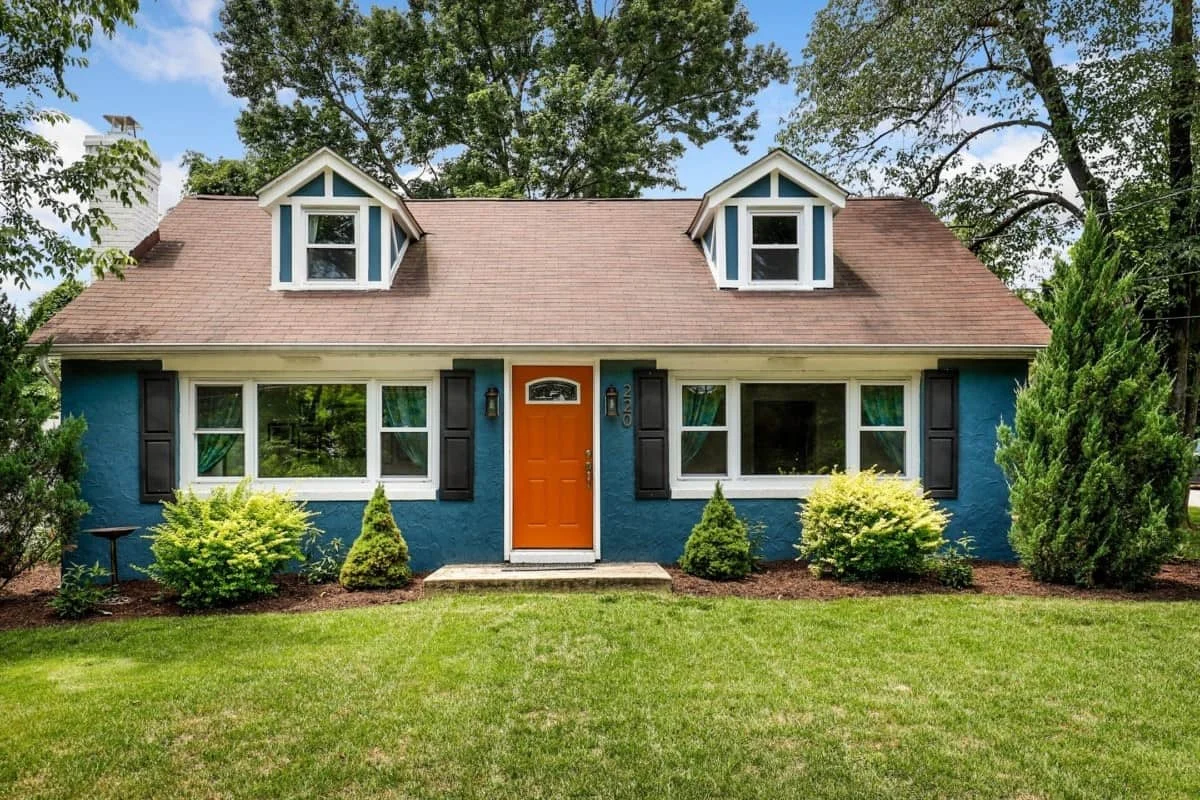
The foundation of a home is its silent sentinel, bearing the immense weight of the structure while shielding the interior from the volatile elements of the earth. It serves as the primary barrier against moisture, the anchor against shifting soil, and the insulator against thermal extremes. While the vast majority of residential foundations remain stable for the duration of a building’s lifespan, foundation failure remains a significant risk for homeowners and prospective buyers alike.
Understanding the mechanics of foundation health is not merely a matter of home maintenance; it is a critical component of protecting one’s largest financial investment. Whether you are navigating the competitive market in Seattle, WA, or maintaining a historic property in Charlotte, NC, recognizing the subtle, and sometimes overt, warning signs of structural distress is essential.
The Anatomy of Foundation Failure: Why Structures Shift
Foundation failure is rarely the result of a single event; rather, it is typically the culmination of environmental, structural, and geological factors. According to industry experts, the primary culprits behind structural compromise include:
- Climate-Driven Soil Volatility: Prolonged periods of drought can cause clay-heavy soils to shrink, creating voids beneath a foundation. Conversely, excessive rainfall can cause soil expansion, exerting immense hydrostatic pressure against concrete slabs and basement walls.
- Poor Drainage: When water is not properly diverted away from the foundation perimeter, it saturates the soil, compromising its load-bearing capacity.
- Subsurface Plumbing Leaks: Undetected leaks beneath a home can wash away supporting soil, leading to localized settlement that the foundation is not designed to bridge.
- Poor Initial Construction: Inadequate soil compaction during the building phase or the use of substandard concrete mixtures can predispose a home to failure long before the first homeowner moves in.
The Limits of the Standard Home Inspection
A common misconception among homebuyers is that a standard home inspection is a catch-all for structural health. Certified Property Inspector Shawn Anderson clarifies that while these inspections are vital, they are inherently limited.
"Home inspectors perform visual, non-invasive evaluations," Anderson explains. "They do not expose concealed structural components, nor are they qualified to perform deep engineering analysis."
Because inspectors cannot see through concrete or behind finished walls, they may miss early indicators of movement. If a general inspection reveals signs of significant displacement, bowing, or structural alterations, it is imperative to bring in a licensed structural engineer or a specialized foundation contractor. These professionals possess the tools to determine whether movement is "active"—meaning the house is still shifting—or "historic," a relic of a previous settlement phase that has since stabilized.
Chronology of Decay: How Problems Escalate
Foundation issues often follow a predictable, albeit slow, trajectory. Initially, a home may experience "settling," which is common in new construction. However, when settlement is uneven, the structure begins to twist.
- The Incubation Phase: Minor cracks appear in drywall or exterior mortar. These are often dismissed as "cosmetic" or "seasonal."
- The Symptomatic Phase: As the structural integrity wanes, operational issues emerge. Doors become difficult to latch, windows stick, and hairline cracks begin to widen into structural fissures.
- The Critical Phase: The house loses its level plane. Floors slope, walls bow inward, and the building envelope is breached, allowing water and pests to infiltrate.
Ignoring the symptoms during the first two phases is the most frequent mistake homeowners make. What begins as a $500 drywall repair can quickly escalate into a $20,000 underpinning project if the root cause—the failing foundation—is left unaddressed.
11 Red Flags: What to Look For
To assist homeowners in identifying when to call a professional, we have compiled the 11 most common indicators of foundation distress.
1. Exterior Wall Cracks
While thin, horizontal surface cracks can be typical in some concrete, zigzagging, "stair-step" cracks in brick or masonry are a major red flag. These indicate that a section of the foundation has dropped, pulling the masonry apart as the structure settles.
2. Interior Wall Cracks
Keep a close watch on the corners of door and window frames. Cracks propagating diagonally from these corners suggest that the wall is under stress due to foundation movement. If these cracks grow wider or longer over a few months, it indicates an active, ongoing problem.
3. Bowing Walls
Bowing is perhaps the most dangerous sign of failure. It indicates that the soil outside is exerting enough lateral pressure to physically bend the wall inward. This often manifests with horizontal cracks and is a precursor to a potential wall collapse.

4. Uneven and Sagging Floors
Chris Jones of CJMC Build emphasizes the importance of the "floor test." Bouncy floors or noticeable slopes are often the first sign that the joists or the slab itself have lost their support. A simple, non-scientific test involves rolling a marble across a room; if it consistently veers in one direction, your foundation may be off-level.
5. Basement and Crawl Space Moisture
Water is the enemy of a foundation. If you detect a musty odor or see efflorescence (a white, powdery substance) on basement walls, you are looking at moisture intrusion. This is often caused by water finding its way through cracks that are otherwise invisible to the naked eye.
6. Crooked Doors and Door Frame Separation
A door that "swings open on its own" or refuses to latch is often not a problem with the hinges, but with the frame itself. When a foundation shifts, the rectangle of the door frame becomes a parallelogram. This "out-of-square" condition prevents the door from sitting flush.
7. Sticking Doors or Windows
Similar to crooked frames, sticking windows are often caused by the distortion of the surrounding structure. As the foundation moves, the openings for these fixtures warp, creating friction that makes them difficult to operate.
8. Gaps Between Walls, Windows, or Doors
If you see daylight or feel a draft around a window or door frame that was previously sealed, the wall is likely pulling away from the structure. Also, check for gaps between the wall and the kitchen countertop; this is a clear sign that the floor is sagging away from the cabinets.
9. Drywall Cracks and "Nail Pops"
Nail pops—small circular bumps in your drywall where the nail head has pushed through the paint—are a sign of structural movement. While a single pop is normal, a cluster of them indicates that the wall frame is experiencing significant twisting or racking.
10. A Cracked or Leaning Chimney
Chimneys are heavy and often have their own footings. If a chimney begins to lean away from the house, it indicates that its footing is failing or the main foundation is pulling away from the chimney base. This is a severe safety hazard that requires immediate professional intervention.
11. Cracked Floor Tile
If a crack runs continuously through multiple ceramic tiles, it suggests the floor slab underneath has cracked. Unlike a dropped object that breaks a single tile, structural cracking in tiles indicates the floor is no longer rigid.
Expert Insight and Financial Implications
Nisan Zeevi of Golden Bay Foundation Builders notes that older homes—those exceeding 100 years—require specialized attention. "Standard inspections often miss hidden issues in crawl spaces because they lack floor-level surveys," Zeevi explains.
For prospective buyers, discovering these issues during the due diligence period is a powerful negotiation tool. A detailed report from a foundation specialist can be used to request a price reduction, negotiate seller-funded repairs, or, in extreme cases, provide the justification to walk away from a deal that could result in years of financial hardship.
Conclusion: When to Act
It is important to maintain perspective: all homes settle. However, the difference between benign settlement and systemic failure is the frequency and severity of the symptoms. If you observe more than one of the indicators listed above, or if you notice that existing cracks are widening, do not wait. Contact a qualified foundation repair contractor or a structural engineer.
Early detection is the most effective way to keep your home’s foundation—and your investment—secure for the years to come. By staying vigilant and treating your home’s foundation with the respect it deserves, you ensure that the most important part of your home remains the most reliable.