Main Facts: A Critical Departure at a Pivotal Political Moment
In a significant shift within the West Wing’s senior ranks, James Braid, President Donald Trump’s chief legislative liaison on Capitol Hill, is preparing to step down from his position as Director of Legislative Affairs. His departure comes at a high-stakes juncture for the administration, occurring just weeks before Congress returns for a compressed September session and barely two months before voters head to the polls in the midterm elections to determine control of both the House of Representatives and the Senate.
A White House official confirmed that Braid will formally relinquish his post later this month, bringing an end to a tenure marked by intense legislative negotiations, high-profile budget battles, and major policy victories. According to administration sources, Braid is expected to transition into the private sector following his departure from executive service.
Braid’s resignation leaves the White House searching for a new Capitol Hill point person at a crucial operational moment. The administration faces a mounting legislative workload, including the need to push through a Senate-passed stopgap spending package, navigate presidential demands regarding election overhaul legislation, and manage relations with congressional Republicans who are eager to return to their districts to campaign. The exit removes an experienced legislative strategist from the West Wing just as Congress prepares to reassemble in Washington following its traditional August recess.
Chronology: The Legislative Trajectory of James Braid
James Braid’s exit marks the culmination of a multi-year career navigating the corridors of Capitol Hill and the Executive Office of the President. Over the course of his career, Braid established himself as a seasoned conservative staffer with deep connections across various factions of the Republican Party.
                    JAMES BRAID'S CAREER TIMELINE

  Early Hill Career       Trump 1.0 / Hill      Trump 2.0 West Wing
  -----------------       ----------------      -------------------
• Staffer for Rep.       • Legislative        • Named Director of
  Mark Sanford (R-SC)      Affairs Aide,        Legislative Affairs
• Staffer for Rep.         OMB                  • Steered "One Big
  Ted Budd (R-NC)        • Senior Aide to       Beautiful Bill Act" (2025)
• Key Staffer, House       Sen. JD Vance        • Resolved Longest Shutdown
  Freedom Caucus           (R-OH)               • Multi-Year Immigration Bill (2026)
                                                • September Departure Exit
Early Congressional Career and First Administration Tenure
- Capitol Hill Operations: Braid built his foundational legislative experience working for prominent conservative figures in the House of Representatives. His early career included key roles on the staff of former Rep. Mark Sanford (R-S.C.) and then-Rep. Ted Budd (R-N.C.).
- Factional Strategy: Braid subsequently served as a key staff member for the House Freedom Caucus, cementing his ties with conservative hardliners on Capitol Hill.
- Trump First Term (OMB): During the first Trump administration, Braid transitioned to the executive branch, serving as a legislative affairs aide within the Office of Management and Budget (OMB), where he helped bridge policy objectives between the West Wing and congressional budget committees.
- Senate Experience: Following his first stint in the executive branch, Braid returned to the legislative branch to serve as a senior aide to then-Sen. JD Vance (R-Ohio), further deepening his understanding of Senate procedure and leadership dynamics.
Second Term Accomplishments and Final Departure
- Return to West Wing: With the start of President Trump’s second term, Braid was tapped to serve as the administration’s primary liaison to Congress as Director of Legislative Affairs.
- 2025 Budget Reconciliation: Braid spearheaded the administration’s effort to whip votes for Republicans’ major 2025 budget reconciliation package, dubbed the "One Big Beautiful Bill Act."
- Government Shutdown Resolution: Late last year, Braid played a key role in negotiating an end to the longest government shutdown in U.S. history by engaging directly with skeptical lawmakers and leadership teams.
- 2026 Immigration Funding Measure: Earlier this year, Braid managed the successful passage of a second budget reconciliation bill, securing multi-year funding for the White House’s flagship immigration programs.
- September Announcement: The White House officially confirmed Braid’s upcoming exit, with President Trump publicly acknowledging his planned departure "in September."
Supporting Data: Key Legislative Wins and Structural Battles
Throughout his tenure in the second Trump administration, Braid served as the primary architect of the White House’s Capitol Hill vote-counting operations. His period as Director of Legislative Affairs was defined by several high-stakes legislative contests and policy battles within a narrowly divided Congress.
| Legislative Initiative / Challenge | Policy Objective & Key Context | Operational Outcome |
|---|---|---|
| "One Big Beautiful Bill Act" (2025) | Comprehensive GOP budget reconciliation package carrying core domestic priorities. | Successfully secured required majorities in both chambers after extensive intra-party negotiations. |
| Record Government Shutdown | Protracted spending stalemate over policy riders and federal funding levels. | Orchestrated negotiations with congressional leaders to reopen the federal government. |
| Immigration Funding Package (2026) | Second budget reconciliation bill designed to secure long-term funding for border security and immigration enforcement. | Cleared the House and Senate, establishing multi-year financing for key administration border policies. |
| Executive War Powers Challenges | Bipartisan congressional efforts to curb presidential war powers and military authorizations. | Successfully rallied congressional Republicans to defeat legislative challenges to executive authority. |
| Executive & Judicial Nominations | Confirmation of contested executive branch nominees and judicial appointments. | Engaged skeptical senators to lock in necessary votes for high-profile presidential appointments. |
Braid’s role required balancing the demands of conservative hardliners, including his former colleagues in the House Freedom Caucus, with the institutional constraints of the Senate. His departure strips the West Wing of significant institutional memory regarding parliamentary procedure, vote counting, and personal relationships with key committee chairs and party leaders.
Official Responses and Administration Turnover
The announcement of Braid’s departure drew official commentary from the White House, outside political analysts, and President Trump himself.
Presidential Recognition and Executive Response
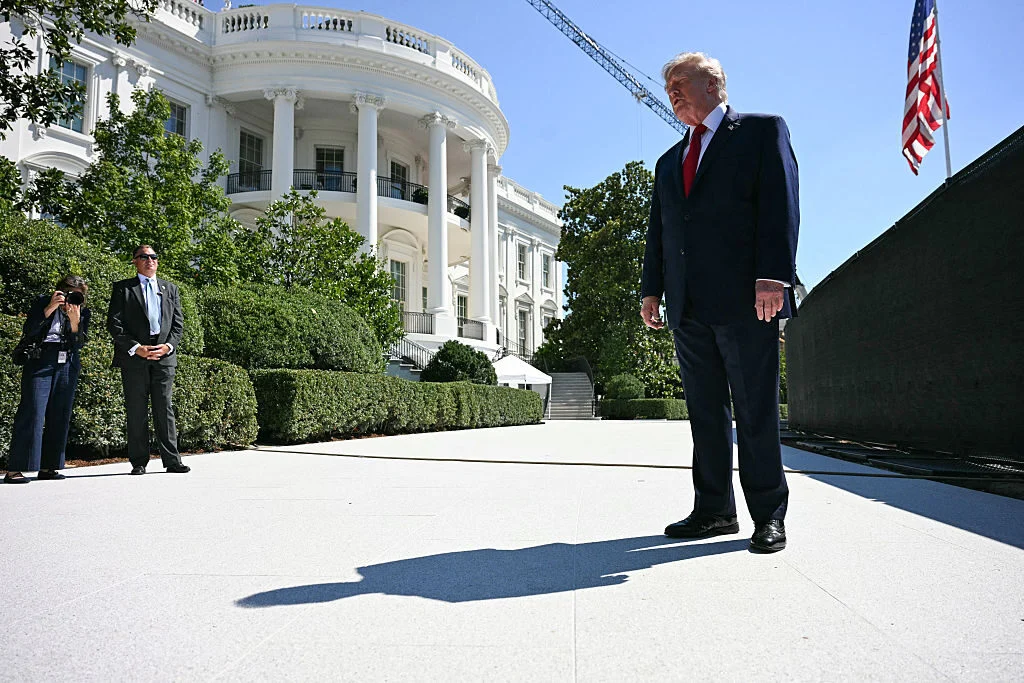
Following formal confirmation from White House officials, President Trump issued a statement on social media commending his outgoing legislative director. Writing on Truth Social, the president thanked Braid for his service and publicly noted that he would formally vacate his position "in September."
However, the president did not immediately name a successor to lead the Office of Legislative Affairs, and a White House spokesperson indicated that the precise date of Braid’s final day in the West Wing, as well as the timeline for announcing a replacement, remain fluid.
"At a certain point everyone sort of leaves, you have to leave... I'm sort of just standing like a ship, just keep going, bing, bing."
— President Donald Trump (reflecting on administration turnover)
Trump has historically taken a pragmatic view of high-level staff churn. When questioned about potential senior aide departures during his first term in July 2018, Trump characterized turnover as a routine feature of executive governance, describing himself as a constant presence while staff rotate in and out of government service.
West Wing Dynamics and Organizational Context
Unlike the frequent turnover that characterized senior staff levels during Trump’s first term in office, the second administration has generally maintained a more centralized operational structure. Republican political insiders have attributed this organizational consistency to the management style of White House Chief of Staff Susie Wiles and former Deputy Chief of Staff James Blair.
Despite this structure, Braid’s upcoming departure coincides with other notable staff adjustments within the senior executive ranks:
- Press Office Transitions: White House Press Secretary Karoline Leavitt, one of the president’s primary public communicators, is scheduled to step down from her post this month.
- Campaign Focus Shifts: Former Deputy Chief of Staff James Blair took what was described as a temporary leave of absence earlier this year to direct political strategy ahead of November’s midterm elections.
Strategic Implications: September Chaos, Midterm Pressures, and Lame-Duck Risks
The timing of Braid’s exit leaves the White House facing significant strategic hurdles as Congress reconvenes for a short, intense autumn work period.
                      FALL LEGISLATIVE PRESSURES

  [September Session] -------> [Midterm Elections] -------> [Lame-Duck Session]
  • Stopgap Funding Bill      • House & Senate Control    • Potential Power Shift
  • "SAVE America Act"          Decided by Voters          • Must-Pass Defense Bill
  • Filibuster Debates                                    • Divided Government Prep
The Looming September Legislative Gridlock
Upon returning from the August recess, Congress faces a tight legislative calendar constrained by upcoming holidays, back-to-school season, and the overwhelming desire of lawmakers to return to their districts to campaign. The White House must quickly install leadership over its legislative affairs team to execute several pressing objectives:
- Stopgap Funding Measure: Passing a Senate-approved stopgap spending bill to keep the federal government funded past the fiscal year deadline while preserving billions of dollars in White House funding priorities.
- Election Overhaul Debate: Navigating presidential calls to dismantle the Senate filibuster in order to pass the "SAVE America Act," a high-priority Republican bill focused on voter ID requirements and election administration.
- Shortened Work Window: Managing expectations as congressional leadership faces pressure to reduce legislative working days so members can hit the campaign trail.
Aaron Cutler, a former House Republican leadership aide, emphasized that while staff turnover is standard across all presidential administrations, the timing guarantees a turbulent month on Capitol Hill.
"President Trump’s agenda isn’t going to slow down," Cutler observed. "There is staff turnover in every administration at this point — Democrat or Republican. And there are people lining up to serve in this White House. I expect the September session to be pretty chaotic — and possibly short, as many members want to be home campaigning."
Cutler added that whoever replaces Braid will take on a difficult assignment amid "a lot of pressure on leadership to give back days — plus Labor Day parades, first days of school and other religious holidays. Then, a lame-duck [session] post-midterm election is always unpredictable."
Broader Political Analysis and Governance Risks
Political analysts and Capitol Hill veterans view Braid’s exit as a potential headwind for the White House’s legislative momentum at a fragile moment. G. William Hoagland, a former senior aide to former Senate Majority Leader Bill Frist (R-Tenn.), noted that losing a key congressional liaison right before a critical legislative work period complicates executive strategy.
"Given the tremendous amount of work to be done before the end of the 119th Congress, this has to be a setback to the president’s agenda," Hoagland said. "Whomever replaces [Braid] will have to hit the ground running fast. My guess, overall, is this is not good for the president’s agenda and will shift more direction to the members themselves this fall to get the work done."
Furthermore, private-sector political strategists point out that the legislative window between September and November rarely produces major statutory breakthroughs, making Braid’s decision to exit now a logical step from a career standpoint. An anonymous Republican source with ties to the White House noted:
"Congress isn’t going to do anything from now until November. This gives you runway in the private sector. That’s aside from the fact the GOP may not control the House for the next two years."
Potential Divided Government Dynamics
The ultimate impact of Braid’s departure will be determined by the results of November’s midterm elections. Should Democrats win control of either the House or the Senate, the incoming Legislative Affairs Director will face a dramatically altered political environment.
In a divided government scenario, the White House’s legislative operation would need to shift from managing internal Republican coalition dynamics to negotiating cross-party deals with Democratic leadership. Crucial tasks would include securing agreement on mandatory annual legislation, such as government funding bills and the National Defense Authorization Act (NDAA).
Whether the administration secures a replacement quickly or leaves the position open during the operational transition, Braid’s departure leaves executive policy priorities largely in the hands of congressional party leaders as the 119th Congress enters its most politically charged phase.