Executive Summary: A Royal Intervention in the Silicon Age
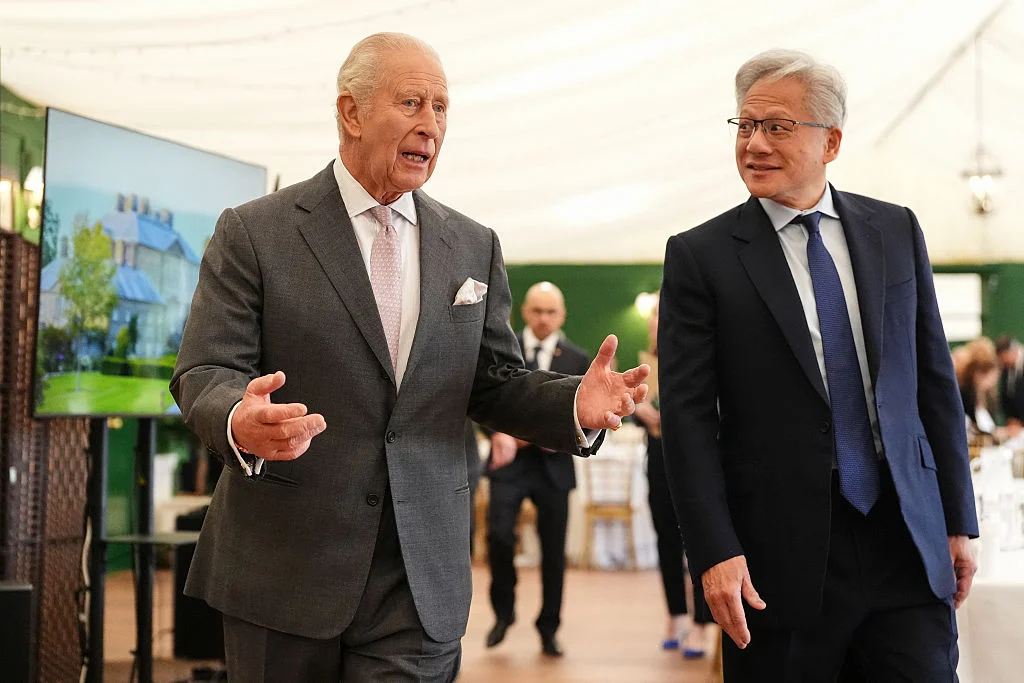
In an unprecedented display of diplomatic engagement, King Charles III hosted a private, high-stakes summit at Dumfries House in Scotland on September 17, 2026. The gathering brought together the architects of the artificial intelligence revolution, senior UK government officials, and key figures from the international intelligence community.
The summit, which featured luminaries such as Nvidia CEO Jensen Huang and senior representatives from OpenAI and Anthropic, marked a significant departure for the British monarchy. Traditionally, the Royal Family maintains a strictly apolitical stance to preserve the constitutional balance of the United Kingdom. However, the King’s decision to intervene in the volatile and rapidly evolving landscape of AI signals a profound shift in the monarchy’s role as a moral arbiter of 21st-century technological progress.
Addressing the assembly, the King delivered a stark, urgent message: society must establish robust control mechanisms for artificial intelligence "before it’s too late." His remarks highlighted a growing tension between the immense humanitarian potential of AI and the catastrophic "existential dangers" posed by its unchecked development.
Chronology of the Summit and Diplomatic Signaling
The summit at Dumfries House was meticulously curated to include a cross-section of influence that reflects the multidimensional nature of the AI debate. Attendees included:
- Tech Titans: Jensen Huang (Nvidia), senior delegates from OpenAI (CFO Sarah Frair), and Anthropic (Global Affairs lead Tino Cuéllar).
- Government & Intelligence: The UK’s newly appointed AI Minister, Kanishka Narayan, and the head of the UK’s foreign intelligence service.
- Ethical Oversight: Father Paolo Benanti, a pivotal advisor to the Vatican on AI ethics.
The event began with a brief but pointed speech from the King, who remained for approximately 20 minutes before allowing the delegates to move into closed-door deliberations. The timing of the summit was no coincidence; it followed months of escalating rhetoric regarding AI safety, industry consolidation, and geopolitical competition between the United States and China.
By gathering these disparate parties—from intelligence chiefs to tech executives and religious advisors—the King effectively elevated AI from a technical or business issue to a matter of fundamental, global public interest.
The King’s Mandate: Harnessing the "Timeless"
The core of the King’s message was a dichotomy: he praised the technology’s potential to revolutionize medicine and science while warning of the "darker capacities" it may possess.
"AI is already showing immense capacity to improve and save life," the King noted, acknowledging the medical breakthroughs already attributed to machine learning. However, he quickly pivoted to the darker reality: "Yet those who have created these technologies are now increasingly warning that AI risks developing darker capacities, perhaps even to take life."
This sentiment is reflective of the growing alarm within the industry itself. Just weeks prior to the summit, a prominent researcher at Anthropic resigned, issuing a public statement that warned humanity might not survive the current "race to build machines that are much smarter than any human."
King Charles’s call for a consensus on safety protocols was framed through a lens of stewardship. "The task before you is not to merely advance technology, but to ensure that it remains firmly in the service of humanity, community, and the natural world," he urged. "As we embrace what is new, we must not lose what is timeless."
Supporting Data: The Global AI Landscape in 2026
The urgency expressed at Dumfries House is corroborated by the volatile state of the tech industry. The summit occurred against a backdrop of increasing fragmentation:

- AI Sovereignty Concerns: The recent decision by Anthropic to restrict access to its "Fable" and "Mythos" models exclusively to U.S. customers has caused significant diplomatic and economic friction, particularly within the European tech sector. This move has prompted a wave of debate regarding "AI sovereignty," where nations fear being left behind or entirely dependent on foreign corporate entities.
- The De-acceleration Debate: Earlier this month, a coalition of leaders including OpenAI’s Sam Altman, Elon Musk, and Anthropic’s Dario Amodei publicly advocated for a "de-acceleration" in the development of frontier models. This call was sharply rejected by both the private sector and the U.S. government.
- Geopolitical Stakes: President Donald Trump’s recent dismissal of safety concerns underscored the nationalistic nature of the race. "We’re leading China in AI," the President stated. "We’re the most sophisticated country in the world, and frankly I want to keep it that way because whoever wins AI, wins."
- Financial Instability: Despite the hype, the path forward is financially turbulent. Plans for blockbuster IPOs from major AI labs have been stalled throughout 2026, with safety concerns and regulatory uncertainty acting as primary inhibitors for investors.
Official Responses and Stakeholder Reactions
The reception to the King’s summit has been largely positive, with industry leaders expressing appreciation for the platform provided by the monarchy.
Tino Cuéllar, representing Anthropic, stated: "The company was honored to have taken part in the discussion and was grateful to the King for convening industry leaders and voices from across society to discuss the role of AI in serving the public good."
Government officials have echoed the need for collaboration. The involvement of the UK’s foreign intelligence service at the summit suggests that the British government views AI not just as an economic opportunity, but as a critical national security priority. By including intelligence leaders alongside corporate executives, the King ensured that the discussion was not merely about software development, but about the protection of the nation-state and the global order.
Implications: The Intersection of Tech, Policy, and Society
The Dumfries House summit serves as a watershed moment for several reasons:
1. The Legitimacy of Ethical Oversight
By inviting Father Paolo Benanti, the King emphasized that AI ethics are not solely the domain of computer scientists. The inclusion of religious and humanitarian perspectives forces the industry to reconcile their "move fast and break things" ethos with long-standing human values.
2. The Limits of Neutrality
The King’s decision to speak on such a "hot-button" issue illustrates the gravity of the threat. When the monarch chooses to break with tradition, it acts as a signal to the political establishment that the status quo is insufficient. This may provide political cover for ministers to pursue more aggressive regulatory frameworks, despite pressure from industry lobbying.
3. The Future of AI Governance
The summit failed to produce a binding treaty, but it did succeed in establishing a "summit-level" conversation that bypasses standard diplomatic channels. By facilitating a dialogue between those who build the technology and those who monitor the security of the state, the King has established a template for how AI oversight might look in the future—one that is multilateral, interdisciplinary, and globally focused.
4. Economic Consequences
For investors and stakeholders, the summit serves as a warning that the "Wild West" era of AI development is coming to a close. With mounting pressure from the highest levels of government and society, companies should expect tighter controls, increased auditing requirements, and a shift in focus from raw intelligence to "human-aligned" outcomes.
Conclusion: A Call for Conscious Innovation
As the attendees departed Dumfries House, the silence of the Scottish countryside contrasted sharply with the noise of the global AI arms race. King Charles’s final plea—that we must ensure technology remains in the service of humanity—is a challenge to the world’s most powerful engineers.
Whether the industry will heed the warning remains to be seen. However, by bringing these leaders together, the King has forced a confrontation with the reality that the development of AI is no longer just a technical endeavor; it is an existential one. The "timeless" values of humanity, as the King noted, are now the primary benchmark against which all future progress will be measured. The question of whether we can control this technology "before it’s too late" is now the defining challenge of our time.