By Staff Reporter
September 19, 2026
Introduction: A Corporate Pivot Under Pressure
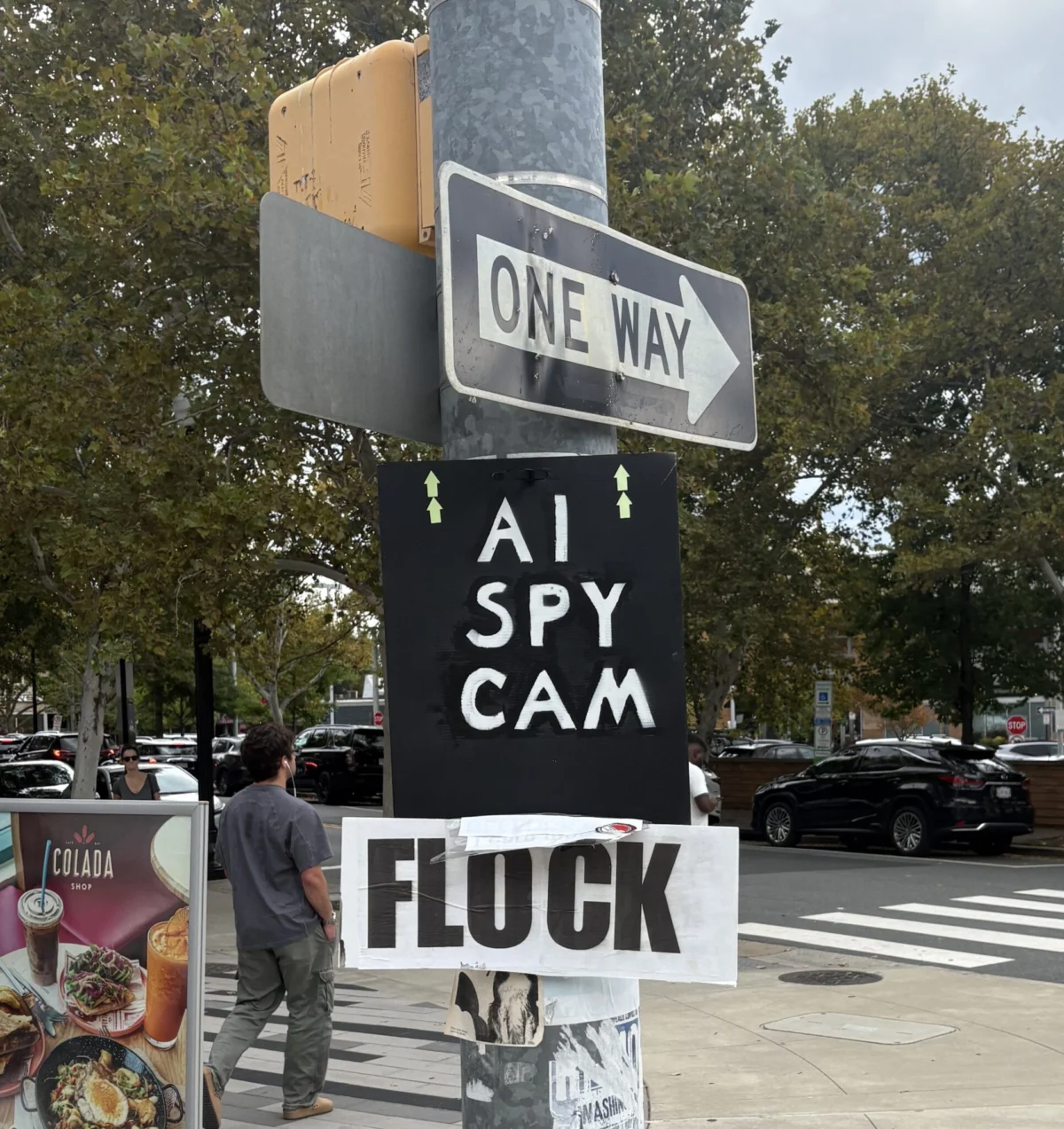
In a move that signals the deepening instability of the private surveillance industry, Flock Safety, the high-profile company known for its widespread network of automated license plate recognition (ALPR) cameras, has announced a "generous" voluntary severance program. The decision, disclosed on Friday, September 19, 2026, marks a pivotal moment for the company as it grapples with a catastrophic decline in public trust, a wave of municipal contract terminations, and plummeting internal morale.
The startup, which once marketed itself as the future of proactive public safety, is now navigating an existential crisis. According to internal communications obtained by Wired, the company is actively encouraging a significant portion of its 1,500-person workforce to accept buyout packages. By facilitating these departures, Flock hopes to shed personnel who have grown disillusioned with the company’s mission—a mission that has recently come under intense scrutiny for its alleged role in facilitating state-sponsored stalking and privacy violations.
Chronology of a Collapse: From Rapid Growth to Public Outcry
To understand the current state of affairs at Flock Safety, one must look at the meteoric rise and the sudden, precipitous fall of its reputation.
For years, Flock operated as a darling of the venture capital world, promising cities and private neighborhoods a "safety-as-a-service" model. By installing solar-powered, motion-activated cameras that could log vehicle data and identify make, model, and color, the company promised to close the "gap" in law enforcement investigative tools.
However, the tide began to turn in mid-2026. The descent was not marked by a single event, but a series of revelations that shattered the company’s carefully curated image of being a "force for good."
- August 2, 2026: The Washington Post published a damning exposé detailing 46 documented cases of police officers misusing Flock’s proprietary technology. The report alleged that officers across various jurisdictions used the camera network to track the movements of estranged spouses, romantic partners, and ex-partners—turning a public safety tool into a digital instrument for stalking and domestic abuse.
- August 2026: The public reaction was immediate and widespread. Advocacy groups began documenting a mass exodus of municipal clients. By the end of August, data showed that 90 cities had terminated their contracts with Flock—a figure representing a fourfold increase in cancellation rates compared to the previous month.
- September 1, 2026: The regulatory environment darkened significantly as the states of Florida and Texas officially announced they would move to ban or severely restrict the use of Flock’s camera systems, citing grave privacy concerns and the potential for civil liberties abuse.
- September 19, 2026: Facing a reality where its primary customers were fleeing and its legal liability was ballooning, Flock announced its voluntary buyout program.
Supporting Data: The Erosion of the Customer Base
The sheer scale of the backlash is reflected in the metrics. For a company whose business model relies on subscription-based revenue from municipal law enforcement agencies, the loss of 90 cities in a single month is not merely a "PR setback"—it is a fundamental threat to the company’s long-term viability.
Analysts note that the "network effect" that once helped Flock expand is now working in reverse. As major jurisdictions pull out, the utility of the remaining network diminishes, making it easier for other municipalities to justify following suit. The financial impact of these cancellations, combined with the costs associated with the severance packages, suggests that Flock is entering a period of significant contraction.
The company’s internal memo noted that without these buyouts, the leadership would "almost certainly" be forced to execute involuntary layoffs. This admission underscores the fragility of their current cash flow and the necessity of shrinking their overhead to match a rapidly diminishing footprint.
Official Responses and the "Internal Morale" Crisis
The response from Flock’s leadership has been a mix of damage control and internal candidness. CEO Garrett Langley, in a recent appearance on the All-In podcast, attempted to address the elephant in the room. When pressed on the mounting scrutiny, Langley characterized the "biggest damage" caused by the recent headlines not as the loss of revenue, but as the impact on "internal morale."

This framing provides a window into the cultural tension within the company. Engineers and staff members who joined Flock believing they were building tools to solve crimes are now confronting a reality where their code is being used to facilitate stalking. The voluntary buyout program is, in essence, an exit ramp for those who no longer wish to be associated with the brand in its current iteration.
While Flock has framed the packages as "generous," critics argue that they are a necessary bribe to prevent a more chaotic internal collapse. By paying employees to leave, the company is attempting to curate a workforce that is either committed to the long-term pivot or simply too invested to walk away.
Implications: The Future of Private Surveillance
The plight of Flock Safety raises profound questions about the intersection of private tech and public governance.
1. The Accountability Gap
The cases of police officers using Flock cameras to stalk civilians have highlighted a massive accountability gap. When private companies provide the tools for surveillance, where does the responsibility lie for their misuse? Flock has largely maintained that it provides the technology, while the police departments are responsible for the oversight. However, as public outcry intensifies, the argument that the provider is shielded from the misuse of its own platform is becoming increasingly untenable.
2. The Regulatory Wave
The actions taken by Florida and Texas are likely just the beginning. We are entering an era where state legislatures are beginning to treat private surveillance networks as a significant threat to personal autonomy. If the "Flock model" continues to be associated with civil rights abuses, we can expect a patchwork of state-level bans that could effectively cripple the company’s ability to operate in large swaths of the United States.
3. Ethical Engineering and Corporate Culture
The "internal morale" crisis at Flock is a case study for the tech industry at large. When employees begin to feel that their work is causing tangible harm, the resulting brain drain can be more devastating than any market fluctuation. Companies that ignore the ethical implications of their products eventually face a "values tax"—the cost of trying to retain talent in an organization whose reputation is fundamentally broken.
4. The Sustainability of the Subscription Model
Flock’s business model—selling surveillance as a subscription—relies on the assumption that municipalities will always view the cameras as a net positive. The events of this summer have proven that this assumption is flawed. Public safety is not just about crime statistics; it is about public trust. Once that trust is eroded by allegations of stalking and privacy invasion, the subscription model falls apart.
Conclusion: A Turning Point
As of September 19, 2026, the future of Flock Safety remains in the balance. The company is currently engaged in a desperate attempt to stabilize its operations by shedding staff and perhaps, by extension, its past identity.
Whether these voluntary buyouts will be enough to save the company remains to be seen. What is clear, however, is that the era of unfettered, private surveillance in public spaces is facing its most significant challenge yet. The public, the regulators, and even the employees themselves have signaled that the status quo is no longer acceptable.
For now, all eyes are on the remaining workforce at Flock and the company’s leadership. Will they manage to pivot to a more ethical framework, or is the damage to their brand and their mission already too deep to repair? The market, the courts, and the public will provide the final verdict in the coming months.