For decades, Burger King has positioned itself as the "Home of the Whopper," yet the fast-food giant’s menu is anchored by a diverse array of sides that often stir as much debate as their flame-grilled burgers. While the classic French fry is a universal staple in the quick-service restaurant (QSR) industry, Burger King’s decision to maintain onion rings as a signature side has created a persistent, decades-long rift among its customer base.
To some, the BK onion ring is a nostalgic, golden-brown comfort food. To others, it is a culinary disappointment characterized by processed ingredients, inconsistent textures, and an aggressive salt profile. As complaints continue to circulate across social media platforms and consumer forums, it becomes clear that this side dish is far more complex—and controversial—than it appears on the menu board.
The Anatomy of the Onion Ring: Main Facts and Composition
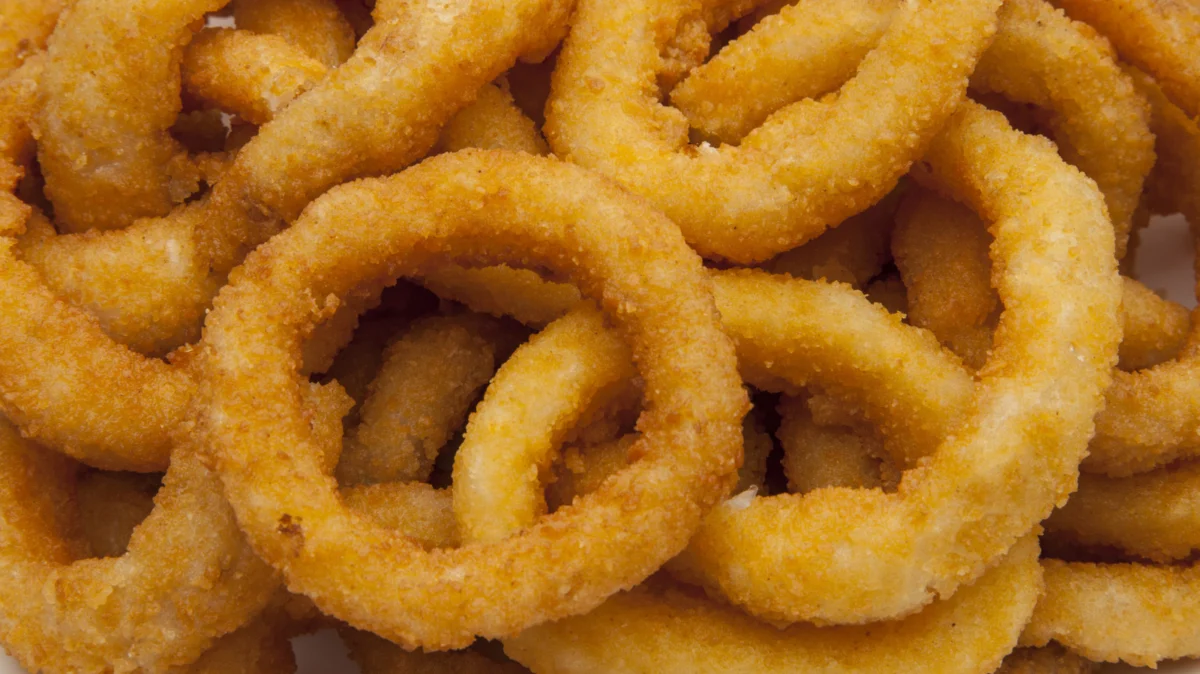
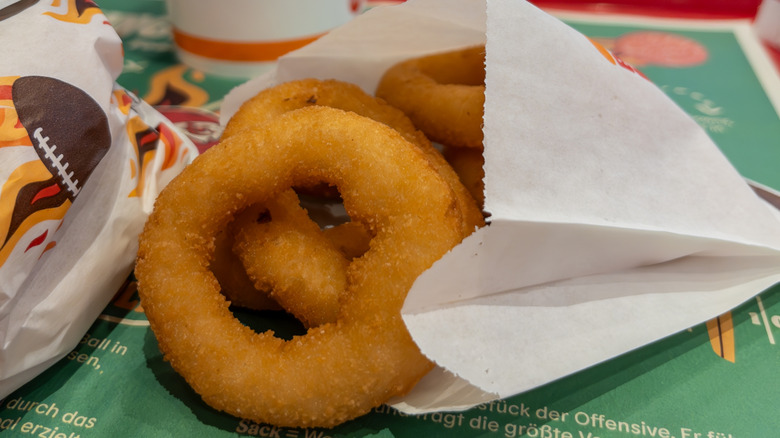
The primary point of contention regarding Burger King’s onion rings is their fundamental composition. Unlike "gourmet" or traditional restaurant-style onion rings, which are typically made from thick-cut slices of whole white or yellow onions dipped in a wet batter, Burger King’s version is a highly engineered product.
A close examination of the ingredients reveals that the product is composed of a minced onion paste, fortified with onion powder and flavoring agents. This allows the chain to maintain a uniform shape and size, ensuring that every bag of onion rings delivered to a customer looks identical to the last. However, this industrial precision is exactly what draws the ire of purists. Customers frequently point out that the absence of a "real" onion slice creates a texture that is less like a vegetable side dish and more like a fried, onion-flavored sponge.
A Chronology of Consumer Discontent
The frustration surrounding this menu item is not a recent phenomenon. The digital age has simply provided a more public stage for long-standing grievances.
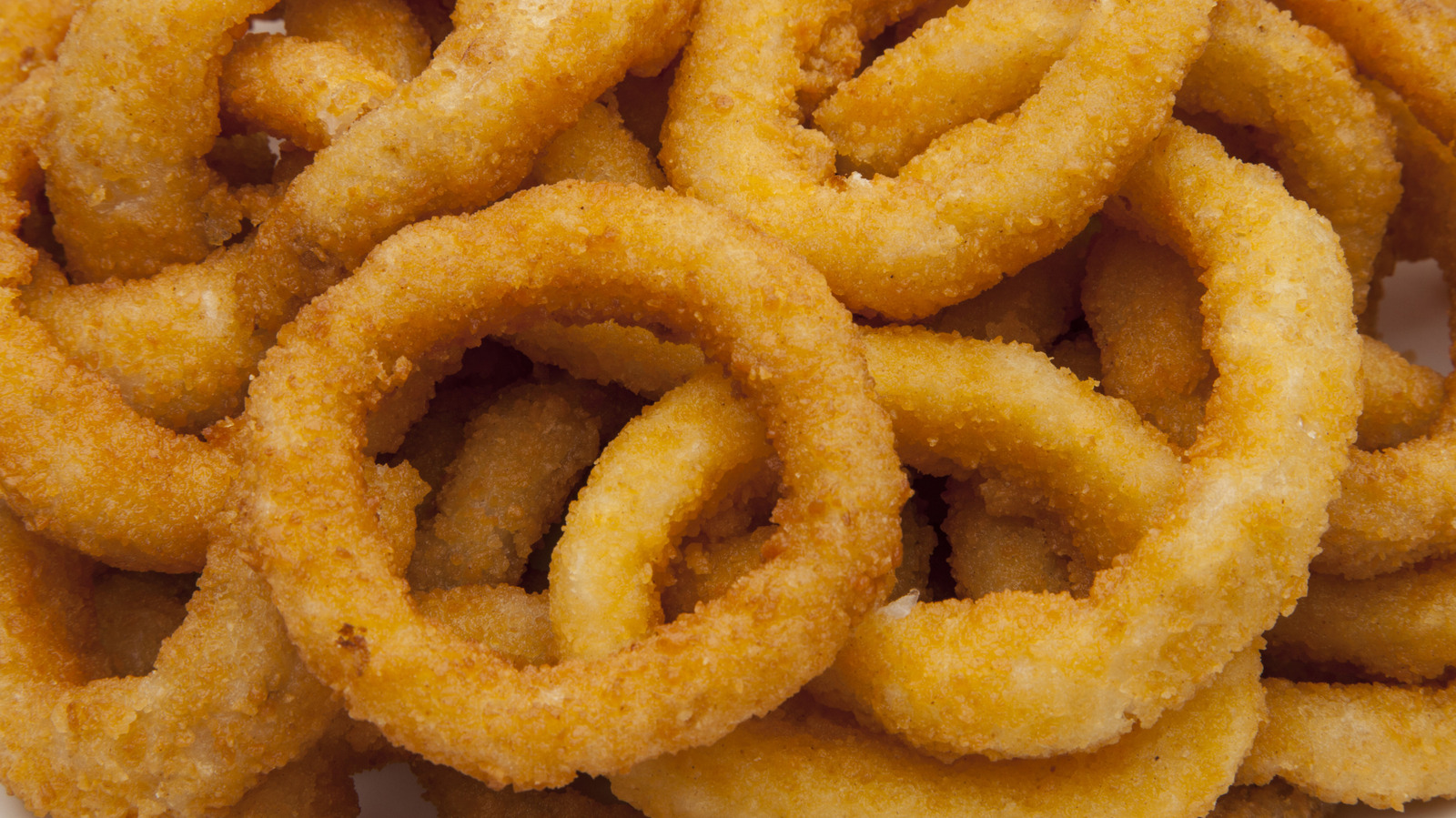
- The Early 2000s: As online forums like Reddit began to take shape, the "breading-to-onion ratio" became a recurring theme. Early threads featured customers mockingly referring to the product as "fried bread loops."
- The 2010s: As health-conscious trends surged, the spotlight shifted toward the preparation process. Critics began focusing on the oil absorption and the apparent lack of freshness, noting that the rings often arrived at the table lukewarm or clumped together.
- The 2020s: Modern complaints have taken on a more specific, data-driven tone. With the rise of food influencers and detailed review culture, customers have begun to document "stale" batches and the prevalence of visible, excess salt, leading to a broader conversation about quality control at the franchise level.
Supporting Data: The Five Primary Pillars of Complaint
1. The "Bread-to-Onion" Ratio
The most frequent complaint is that the product is essentially deep-fried batter with only a whisper of onion flavor. Critics argue that the heavy breading serves to mask the lack of actual vegetable content. While some customers enjoy the crunch of the batter, those seeking an authentic onion experience are consistently left wanting. Interestingly, international markets—specifically Canada—have experimented with recipes that feature lighter batters and more structural integrity, leading to a "grass is greener" sentiment among U.S. customers who feel they are receiving an inferior product.
2. The "Dehydrated" Truth
When customers realize they are not eating a slice of onion, the backlash is swift. Because the rings are made from minced onion paste and dehydrated bits, they lack the crisp-tender bite of a whole onion. Many patrons describe the internal texture as "mushy" or "pasty," which contrasts sharply with the expectation of a vegetable side.
3. The Perils of the Heat Lamp
The operational nature of fast-food service dictates that sides must be prepared in advance to meet high-volume demand. Consequently, onion rings often sit under heat lamps for extended periods. This results in the "soggy" phenomenon. Oil that isn’t properly drained, combined with residual heat, turns the crispy exterior into a greasy, limp shell.
4. The Salt Overload
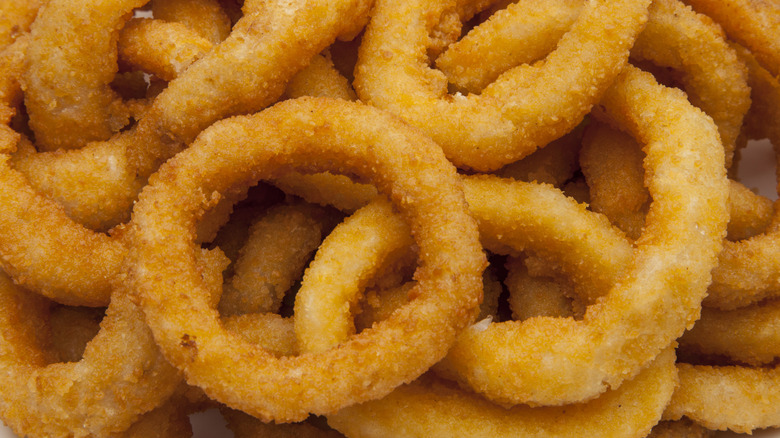
Fast food is inherently high in sodium, but Burger King’s onion rings are frequently cited for being salt-forward to the point of unpalatability. Some theorize that this is an intentional flavor-masking technique used to compensate for the lack of fresh onion sweetness. When the batter is oversalted, it becomes impossible for the customer to mitigate the issue, unlike a salted fry where excess crystals can be shaken off.
5. Stale Texture and Quality Control
The "stale" complaint typically arises when a batch has been sitting for too long, causing the breading to harden into an unappealing, rock-like consistency. This is a failure of inventory management rather than the recipe itself, but it highlights a massive inconsistency across different locations.
The Industry Perspective: Efficiency vs. Experience
While Burger King has not released an official "policy change" regarding their onion rings, the corporate perspective on such items is generally rooted in supply chain logistics. Using minced, formed onion products allows for:
- Consistency: Every ring is the same size, which makes cooking times predictable.
- Cost Management: Dehydrated onion paste has a much longer shelf life and lower storage costs than fresh produce.
- Speed: In a drive-thru environment where seconds count, the ability to fry a uniform product without worrying about the varying water content of fresh onion slices is a logistical advantage.
However, industry analysts note that this focus on operational efficiency often creates a disconnect with the modern consumer, who is increasingly prioritizing ingredient transparency and "freshness" in their fast-food choices.
Implications for the Future
What do these complaints mean for the future of the Burger King menu? The brand is currently at a crossroads. As competitors shift toward premium ingredients and "cleaner" labels, Burger King’s reliance on processed, formed sides could become a liability.
The implications are threefold:
- Brand Perception: Continuous negative feedback regarding "stale" or "soggy" food risks eroding the brand’s reputation for quality, potentially pushing customers toward other chains like Wendy’s or Chick-fil-A, which have seen success with more curated side options.
- Menu Evolution: We may see Burger King begin to test "premium" sides or regional variations (similar to the Canadian model) to see if the increased production cost is offset by higher sales volume and customer satisfaction.
- The "Mozzarella Fry" Effect: As noted in recent internal rankings, customers are already pivoting away from the onion rings toward other sides like mozzarella fries. If the onion ring continues to generate a high volume of complaints, the company may eventually phase out the item entirely in favor of higher-performing alternatives.
Conclusion: A Lingering Dilemma
The Burger King onion ring is a relic of a different era of fast food—one that prioritized uniformity and shelf-stability over artisanal quality. While the complaints are valid and numerous, the product maintains a loyal, if shrinking, following of fans who appreciate the specific, salty crunch that only a BK ring can provide.
For the average consumer, the choice is clear: if you are looking for an authentic vegetable side, you may be disappointed. But for those who value the "guilty pleasure" consistency of a fast-food staple, the rings remain a standard fixture. As the brand continues to modernize, the onion ring stands as a case study in the tension between corporate efficiency and the evolving demands of the modern palate. Whether it survives the next decade of menu restructuring remains to be seen.