In an era where the explosive growth of artificial intelligence is driving a corresponding surge in energy and resource consumption, technology giants are increasingly looking beyond their own data centers to mitigate their environmental footprint. On Tuesday, Cambridge-based recycling startup MacroCycle Technologies announced a strategic deal with Meta, a partnership that promises to accelerate the deployment of the startup’s first commercial-scale plastic recycling plant.
This collaboration represents a sophisticated intersection of climate technology and corporate strategy. By purchasing environmental attribute credits (EACs) from MacroCycle, Meta is not only offsetting a portion of its carbon emissions but is also providing the critical capital necessary for MacroCycle to move its novel chemical recycling process from the laboratory to the industrial market.
The Technical Breakthrough: Molecular Alchemy
Founded three years ago, MacroCycle has spent its brief history perfecting a methodology that disrupts the traditional—and often ineffective—paradigms of plastic recycling. While mechanical recycling has long struggled with contamination and the degradation of plastic quality, MacroCycle utilizes a specialized chemical process that effectively "resets" the plastic polymer.
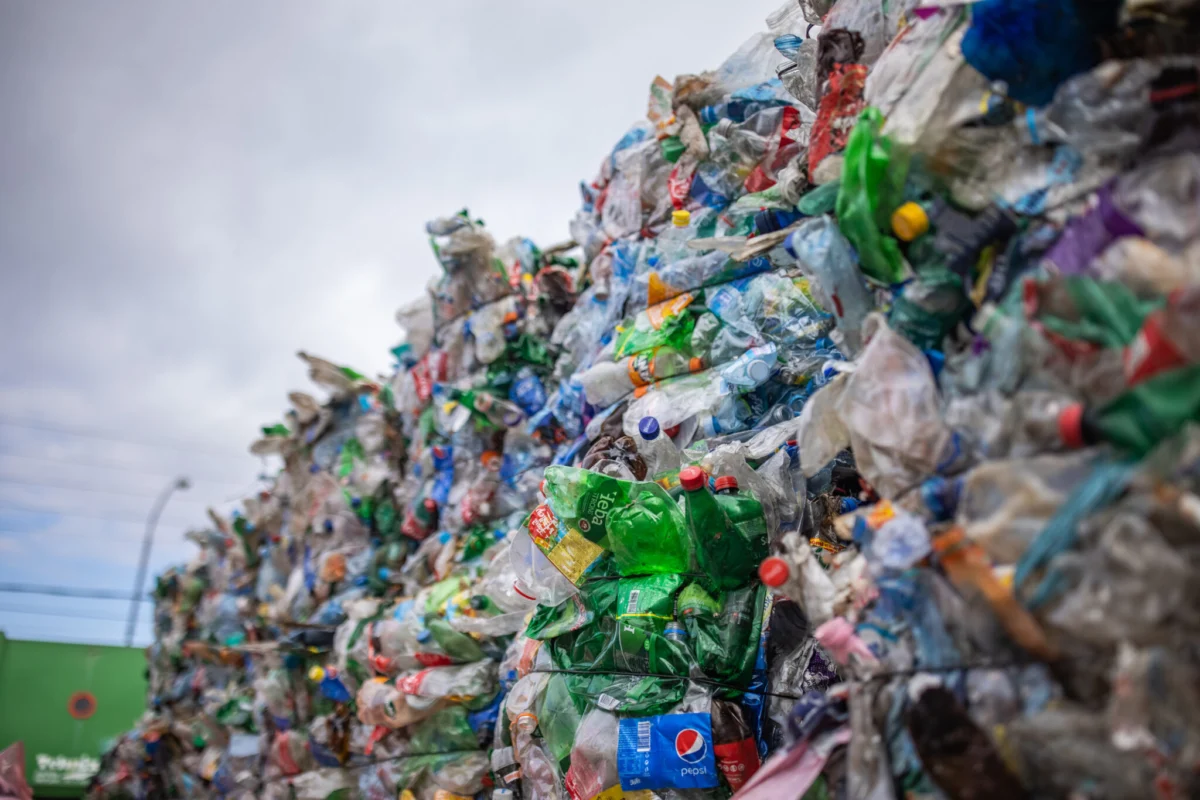
The startup’s proprietary process dissolves and purifies polyethylene terephthalate (PET)—the ubiquitous plastic found in everything from water bottles to synthetic textiles. Unlike traditional methods that rely heavily on high-heat thermal processing, MacroCycle employs a solvent-based approach. The company’s name is derived from its core innovation: it loops plastic polymers back onto themselves to create rings, or "macrocycles."
In this state, contaminants can be effectively washed away using solvents. Once purified, the loop is opened, and the polymers are re-linked into high-quality virgin-grade plastic. Because the process avoids the extreme heat typically required to melt plastic, it generates approximately 80% fewer carbon emissions compared to the production of new, fossil-fuel-derived PET.
Chronology of a Scaling Startup
The trajectory of MacroCycle has been marked by rapid validation and industry attention.
- 2022: The company is founded in Cambridge, Massachusetts, with a focus on solving the "textile problem"—the reality that textiles represent one of the least-recycled materials on Earth, with an abysmal 0.5% recycling rate.
- October 2025: MacroCycle gains national prominence as a Top 20 finalist in the TechCrunch Disrupt Startup Battlefield competition in San Francisco, signaling its readiness for the broader market.
- Early 2026: Discussions with corporate partners intensify as Meta seeks innovative ways to manage the carbon footprint of its expanding infrastructure, which has been accelerated by the generative AI boom.
- April 2026: MacroCycle and Meta finalize the historic agreement, marking the first time Meta has engaged in this specific type of environmental credit purchase to bolster a circular economy startup.
- Future Outlook: The company is now focused on the construction of its inaugural U.S.-based commercial plant, which will serve as the blueprint for future facilities capable of producing 50,000 metric tons of material annually.
Supporting Data and the Economic Case for Sustainability
The environmental and economic arguments for MacroCycle’s technology are built on a foundation of data-driven efficiency. The demonstration plant currently in development is designed to produce 5,000 metric tons of recycled plastic per year. However, the scalability of the technology is the primary driver of its long-term appeal.
By moving away from heat-intensive processes, MacroCycle is not only lowering its carbon output but is also targeting a reduction in operational costs. This is essential for the company’s ultimate goal: to revitalize domestic textile manufacturing. The U.S. textile sector has suffered a staggering 85% decline in employment over the last quarter-century, largely due to the migration of production to overseas markets. By producing high-quality, recycled material domestically, MacroCycle aims to provide a cost-competitive alternative that could potentially jumpstart local manufacturing supply chains.
The deal with Meta provides a financial lifeline through the sale of EACs. These credits allow Meta to claim the avoided emissions generated by MacroCycle’s process, which is a vital component of the company’s ESG (Environmental, Social, and Governance) strategy. Meta’s growing reliance on natural gas and power-hungry AI hardware has necessitated a more aggressive approach to carbon reduction, making this partnership a strategic priority.
Official Perspectives: A Synergy of Goals
For Stewart Peña Feliz, co-founder and CEO of MacroCycle, the partnership with Meta is more than just a financial transaction; it is a signal to the broader market. "The deal with Meta should make subsequent agreements with other companies easier to obtain," Feliz stated in an exclusive interview with TechCrunch.
MacroCycle is currently working to secure a pipeline of buyers for the output of its first plant. By securing a heavyweight like Meta as a foundational partner, the startup significantly lowers the perceived risk for other potential B2B customers, such as apparel brands and packaging companies.
Meta’s internal perspective emphasizes a long-term systemic change. A spokesperson for the company confirmed that this deal is a first-of-its-kind initiative for Meta. The company’s interest is rooted in the creation of a stable, low-carbon market for materials. By fostering this ecosystem today, Meta hopes to secure a sustainable supply chain for its future hardware and packaging needs, ensuring that as its business grows, its environmental footprint remains constrained by the availability of circular, low-carbon materials.
Implications for the Circular Economy
The MacroCycle-Meta deal provides a template for how tech giants can exert their influence to solve the "last mile" of climate technology deployment. Many startups struggle in the "valley of death"—the period between successful laboratory demonstration and commercial-scale production. By providing revenue through environmental credits, Meta is effectively acting as an early-stage catalyst for infrastructure.
1. Decoupling Growth from Carbon
The most significant implication of this deal is the decoupling of AI development from carbon intensity. As Meta continues to expand its AI capabilities, it is proving that technological advancement need not come at the expense of environmental sustainability. If other major tech firms follow suit, it could create a massive, incentivized market for circular materials, forcing traditional plastic manufacturers to innovate or lose their competitive edge.
2. Reshoring Manufacturing
MacroCycle’s focus on the U.S. market is a significant economic development. By utilizing waste streams that are currently discarded, the company is turning a liability into a domestic asset. If the company can achieve its goal of price parity with overseas textile suppliers, it could trigger a localized manufacturing renaissance, creating jobs in regions that have long suffered from industrial flight.
3. Solving the Textile Crisis
Perhaps the most ambitious aspect of MacroCycle’s model is its focus on textiles. Clothing waste is a global environmental catastrophe, with the vast majority of garments ending up in landfills or incinerators. By successfully recycling blended fabrics—a notorious difficulty in the industry—MacroCycle is addressing a segment of the waste stream that most competitors have ignored.
Conclusion: A New Standard for Corporate Responsibility
The partnership between MacroCycle and Meta is a harbinger of a more sophisticated approach to corporate environmentalism. Rather than relying solely on abstract carbon offsets, companies are beginning to invest directly in the technologies that will define the industrial landscape of the next century.
For MacroCycle, the path forward involves the difficult work of scaling infrastructure. For Meta, it involves the continued integration of sustainable materials into a complex global supply chain. If successful, this collaboration will do more than just build a plant; it will establish a blueprint for how circular economy startups can scale, thrive, and ultimately, replace the linear, extractive industries of the past. As the startup prepares to bring its first commercial facility online, the eyes of the climate tech industry will be watching to see if this marriage of big-tech capital and molecular innovation can truly change the trajectory of plastic waste.